La Mira de Gredos


On the first floor of a mountain hotel above Hoyos del Espino, La Mira de Gredos frames the Sierra de Gredos through panoramic windows while delivering updated Castilian cooking recognised by consecutive Michelin Plates (2024 and 2025). The kitchen draws on Ávila's larder, pimentón from La Vera, white beans from El Barco, cured sacramentos, and serves them across both à la carte and set-menu formats at a mid-range price point.
Pearl is the En Primeur Club membership app — saves, bookings, and concierge access live there. Same editors, same standards.
- Address
- AV-941, KM 16.5, AV-941, 05634 Hoyos del Espino, Ávila, Spain
- Phone
- +34 920 34 90 23
- Website
- lamiradegredos.com
- Directions
- Get directions
 Saves & bookings on Pearl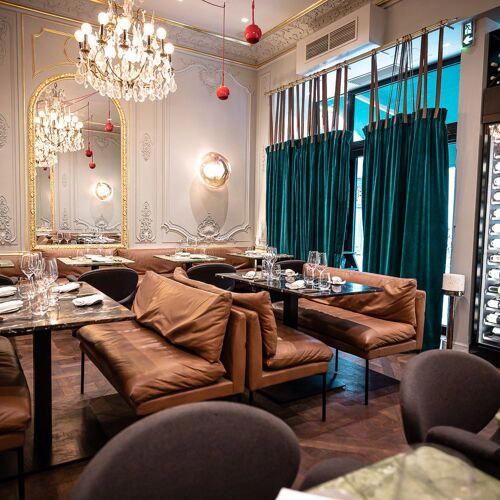
Where the Sierra Comes to the Table
The Sierra de Gredos is one of central Spain's least trafficked mountain ranges: no ski resort crowds, no motorway ribbons cutting through granite, just a sequence of villages at altitude where the ingredients that define old Castilian cooking are still produced rather than imported. Hoyos del Espino sits at the northern foot of this massif, and La Mira de Gredos occupies the first floor of the hotel that shares its name along the AV-941, where a room of large windows turns the surrounding peaks into a continuous backdrop as you eat. The setting is not incidental to the menu, it is, in a literal sense, its map of origin.
The Castilian Kitchen and What It Demands of a Larder
Traditional Castilian cuisine is built on a logic of preservation and winter storage: pulses dried through autumn, pork processed into fat-stabilised cured meats, paprika ground from peppers smoke-dried in the hills above La Vera. These are not rustic touches applied to a modern menu for effect. They are the actual architecture of the cooking, and a restaurant in this corner of Ávila province either uses them honestly or it misses the point entirely. La Mira de Gredos, holding consecutive Michelin Plates for 2024 and 2025, has evidently made the case that it works within this tradition with enough rigour to merit recognition, the Plate designation marks a kitchen that Michelin considers worth a visit even when stars are not at issue.
That recognition places the restaurant in a different conversation from Spain's high-modernist dining circuit. At the far end of the country's award spectrum sit restaurants like Arzak in San Sebastián, Azurmendi in Larrabetzu, and DiverXO in Madrid. La Mira de Gredos occupies a position that is deliberately local and seasonal in its sourcing ambition, mid-range in price (€€), and grounded in a culinary grammar that predates molecular gastronomy by several centuries. That is not a lesser ambition, it is a different one, and in the mountains above Ávila it is the harder one to execute authentically.
Sourcing as Editorial Statement
Two dishes on the menu carry the geographic argument most clearly. The Patatas revolconas, mashed potatoes worked with pimentón and finished with pork crackling, depend almost entirely on the quality of the paprika. Pimentón de la Vera, produced from peppers smoke-dried over oak in the valley west of Plasencia, carries a protected designation of origin and a flavour that supermarket paprika does not replicate. When a kitchen specifies La Vera provenance on a dish this structurally simple, the sourcing decision is the cooking decision. The same logic applies to the white bean stew from El Barco: the alubias de El Barco de Ávila are a distinct cultivar, grown at altitude in the Tormes valley and considered among the more sought-after beans in Castile. Served in a stew with sacramentos, the traditional assortment of cured pork products that accompany it, the dish is a statement about place, not a bowl of beans.
This approach connects the restaurant to a wider movement among Spain's regionally grounded restaurants that treat protected-origin ingredients as the primary creative constraint rather than the decoration. Auga in Gijón uses Asturian waters in a comparable way, and Atrio in Cáceres, much closer, across the provincial border in Extremadura, has built a two-star reputation partly on Iberian products from the same dehesa system that feeds the Sierra de Gredos's cured meats. The restaurant operates at a more accessible price tier than either, but the sourcing philosophy places it within the same regional-integrity conversation.
Format and How to Use It
The kitchen offers two ways into the meal. À la carte allows you to compose around the dishes that interest you most, useful if the revolconas and the bean stew are the point of the visit. The two set menus, labelled Traditional and Tasting, reflect different depths of engagement with the kitchen's range: the Traditional menu maps the Castilian canon, while the Tasting format presumably reaches further into updated preparations. At a €€ price point, both options sit well below the entry cost for Spain's starred destination restaurants, a useful reference point for anyone planning a broader Castilian itinerary who wants Michelin-recognised cooking without the €€€€ commitment of houses like El Celler de Can Roca in Girona, Cocina Hermanos Torres in Barcelona, or Mugaritz in Errenteria.
In a village of this size, where passing trade is thin and most diners have made a specific trip, that consistency matters. It also reflects a dining room that works for a range of occasions: mountain walkers arriving after a day on the trails, families eating through the long Castilian lunch hour, and travellers who have factored the Sierra de Gredos into a route between Madrid and the west.
Planning Your Visit
The restaurant sits at kilometre marker 16.5 on the AV-941, the mountain road that climbs into the Sierra above Hoyos del Espino. The restaurant is accessed through the hotel, on the first floor, and the panoramic room means that table position relative to the windows carries some weight, worth specifying a preference when booking. The €€ pricing applies across both menu formats and the à la carte, making the meal accessible without pre-trip financial planning of the kind Spain's upper-tier destination restaurants require.
Comparable Venues
Comparable venues nearby, for context on price, style, and recognition.
| Venue | Cuisine | Price | Awards | Notes |
|---|---|---|---|---|
| La Mira de GredosThis venue — the venue you are viewing | Updated Traditional Spanish | $$ | Michelin Plate | Not listed |
| Tapas 3.0 | Modern Spanish Tapas | $$ | Michelin Plate | casco antiguo |
| Coquetto | Modern Spanish Bistro | $$ | Michelin Plate | Almagro |
| Reina XIV | Modern Traditional Castilian | $$ | Michelin Plate | Real Sitio de San Ildefonso |
| El Viejo Fogón | Modern Spanish Fusion | $$ | Michelin Plate | Majadahonda |
| Hostería de los Palmeros | Traditional Castilian Regional Cuisine | $$ | Michelin Plate | Frómista |
Recognition history
Dated appearances from independent guides and award organizations, with the underlying list record or original source where available.
Macarfi 7.4 Food Rating
Macarfi
Michelin Plate
Michelin
Michelin Plate
Michelin
Michelin Plate
Michelin
Continue exploring
More in Hoyos del Espino
Restaurants in Hoyos del Espino
Browse all →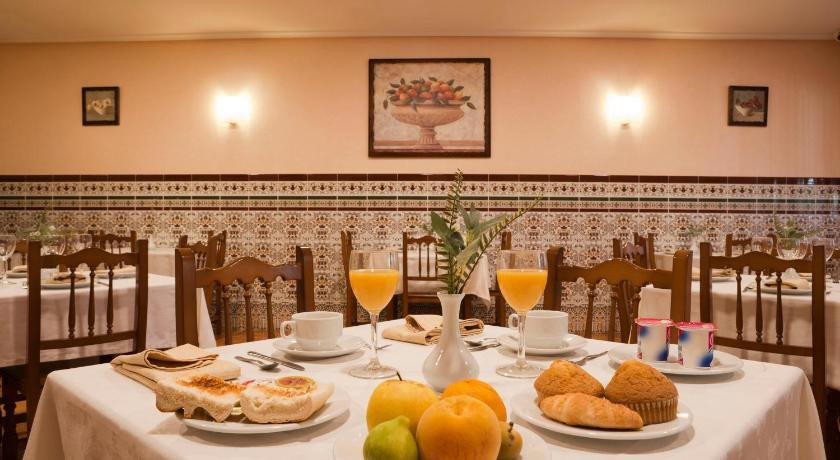
Hotels in Hoyos del Espino
Browse all →
Wineries in Hoyos del Espino
Browse all →
At a Glance
- Scenic
- Rustic
- Cozy
- Elegant
- Family
- Date Night
- Special Occasion
- Panoramic View
- Hotel Restaurant
- Extensive Wine List
- Local Sourcing
- Mountain
Pleasantly decorated dining room with large windows offering contemplative mountain views, cozy with fireplace on cooler days.