
Michelin Bib Gourmand
Our verdict
A rustic-chic wine bar and bistro in a residential pocket of Wrocław, Pijalni anchors its menu in low-fuss, big-flavour cooking that runs alongside a list of lesser-known natural and biodynamic wines. Exposed brick, lo-fi furniture, and a neighbourhood-local clientele define the vibe, with dishes like minced pork cutlet with tarragon and date madeleines for dessert showing the kitchen's appetite for seasonal ingredients and playful technique.

Pearl is the En Primeur Club membership app, where members save venues, book tables and use the concierge.
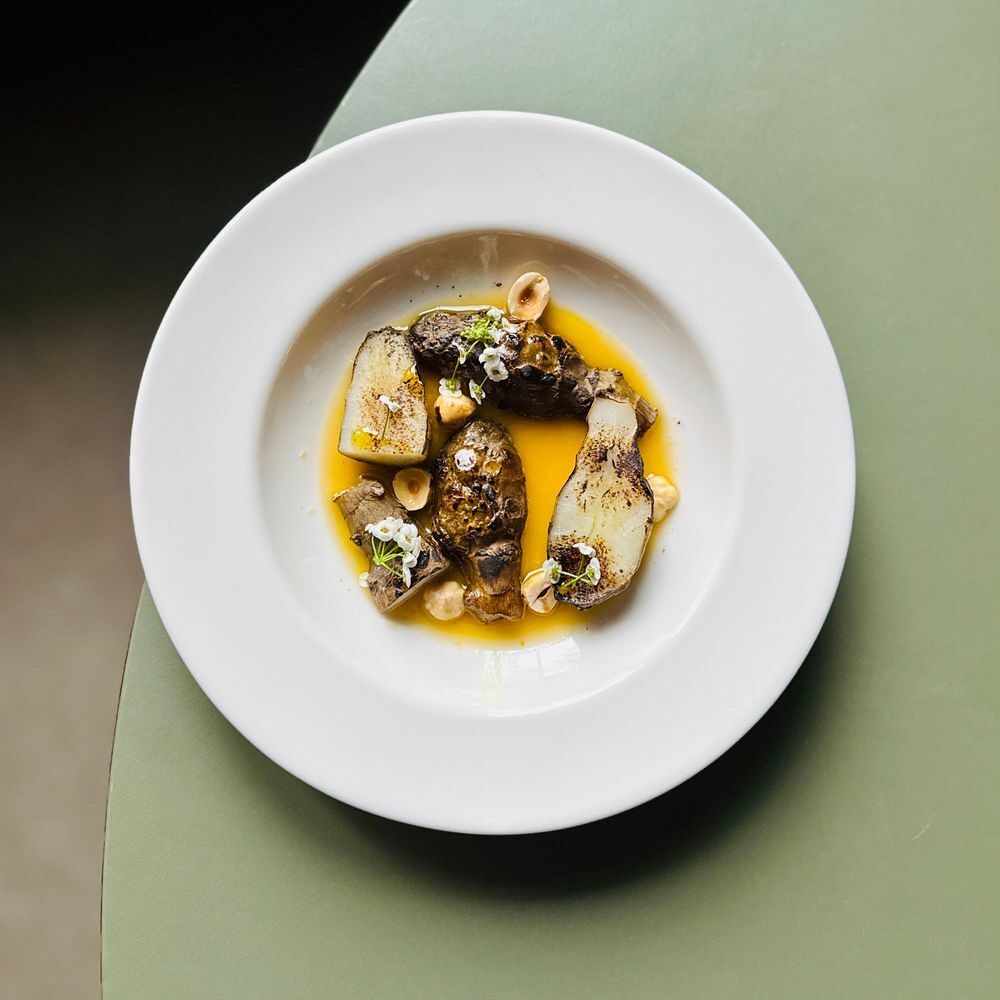
The menu
What to order
- Minced pork cutlet with tarragon
- Date madeleines with toffee sauce
- Seasonal fire-cooked dishes
Wine bars in secondary Polish cities tend to fall into two camps: earnest natural-wine outposts with aggressively spare menus, or mid-tier brasserie formats that treat the list as an afterthought. Pijalni, tucked into a residential corner a few kilometres from Wrocław's Rynek, occupies a middle lane that feels both more relaxed and more serious about sourcing. The exposed-brick interior and secondhand furniture signal informality, but the wine selection, skewed toward lesser-known European producers and biodynamic bottles, and the kitchen's commitment to ingredient provenance place it closer to the city's more ambitious neighbourhood spots like ODRé than to the tourist-facing wine-and-charcuterie bars that cluster around the Old Town.
The menu here is built around what arrives from small-scale farms and regional suppliers rather than a fixed repertoire. That means dishes change with the season and availability, and the kitchen leans into technique that highlights rather than obscures the raw material. A recent iteration included minced pork cutlet with tarragon, a dish that reads as rustic but arrives with careful seasoning and a light hand on the herbs, and date madeleines with toffee sauce, a dessert that borrows patisserie form but keeps the sugar restrained and the fruit identifiable. The cooking style aligns with the broader trend in Poland's dining scene toward ingredient-driven menus that avoid heavy sauces and let quality speak without flourish, a shift visible in kitchens across Wrocław and beyond.
The Wine List and Sourcing Philosophy
Pijalni's wine program is the anchor. The list runs deeper than the format would suggest, with a focus on natural, biodynamic, and low-intervention producers that rarely appear on Polish retail shelves. Staff can speak to farming methods, vineyard site, and winemaker background, and the by-the-glass rotation shifts frequently enough to reward repeat visits. Markups sit below what you'd pay at central Rynek addresses, and the willingness to stock obscure appellations, think lesser-known Austrian Grüner Veltliner, small Slovenian orange wines, and Italian skin-contact whites, gives the list editorial weight. If you're used to the safe Bordeaux-and-Chianti programming common in Polish wine bars, the selection here reads as both more personal and more informed.
The ingredient sourcing follows a similar logic. The kitchen works with a rotating roster of small producers for vegetables, dairy, and meat, and the menu often names the farm or region. That transparency isn't just signalling; it reflects a supply chain that prioritises traceability and seasonal rhythm over year-round consistency. In a city where many kitchens still rely on large-scale distributors, that approach is neither default nor cost-neutral, and it shows up in flavour clarity and textural integrity. The pork cutlet, for instance, arrives with a tenderness and mineral depth that suggest careful animal husbandry and short processing chains, while the vegetables, often served simply dressed or lightly charred, taste of the soil rather than cold storage.
Setting and Service Cadence
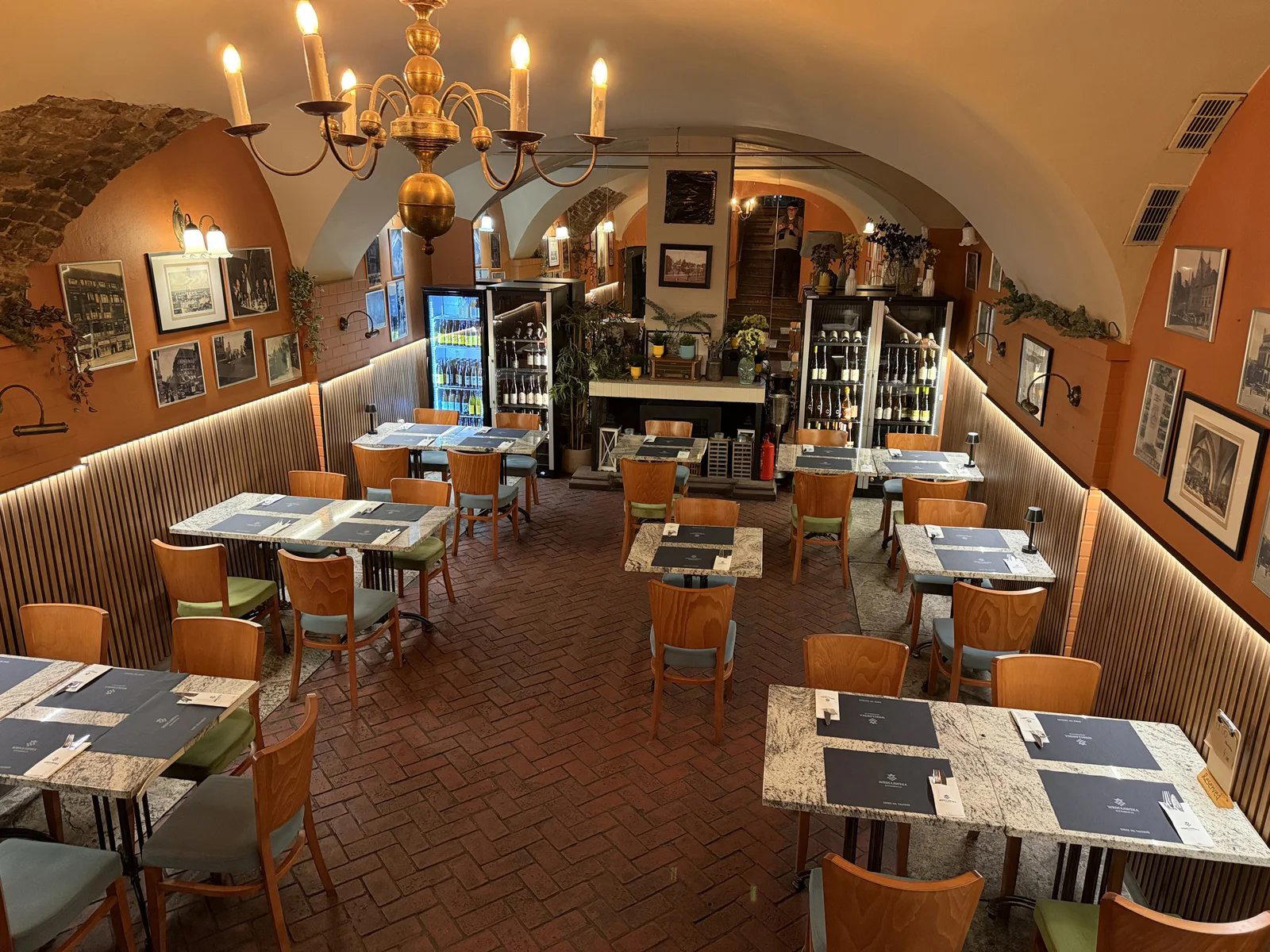
The dining room is small, seating fewer than 30, and the acoustic ceiling is low enough that conversation layers into a gentle hum by mid-evening. The lighting is warm and indirect, and the furniture, mismatched chairs, wooden tables, a few bar stools at the counter, creates the sense of a well-loved local rather than a designed destination. Staff work the room without formality, explaining dishes and wines with fluency but no script, and the pacing is unhurried. Expect two to three hours for a full meal with wine, longer if you're working through the list. The clientele skews toward regulars and neighbouring residents, with a smaller proportion of visitors from the city centre or further afield.
Pijalni sits in a residential district that lacks the density of Wrocław's main dining zones, which means fewer walk-in options and quieter streets after dark. The trade-off is a neighbourhood atmosphere that feels lived-in rather than transactional, and a clientele that returns weekly rather than once. For context within the city's wider dining landscape, Pijalni shares DNA with the ingredient-led kitchens at Arche Klasztor and Stacja Breslau, though it operates at a smaller scale and with a narrower focus on wine. If you're mapping Wrocław's dining by category, this sits in the natural-wine bistro tier alongside Mercado Nuevo, a bracket defined by informed sourcing, casual service, and a clientele that values substance over spectacle.
For broader exploration of Wrocław's dining, drinking, and hospitality options, consult our full hotels guide, our bars guide, and our experiences guide. Pijalni represents a neighbourhood-scale format that rewards familiarity and repeat visits, with a wine program and sourcing discipline that place it above the city's more generic wine-bar offers.
Frequently asked questions
Is Pijalni a family-friendly restaurant?
The 30-seat room and rustic-chic aesthetic skew toward date nights and solo wine drinkers rather than family groups. The low acoustic ceiling and intimate scale mean the space fills quickly with adult conversation, and there is no kids' menu or high-chair infrastructure visible in the format.
What kind of setting is Pijalni?
Pijalni occupies a small room with exposed brickwork, lo-fi furnishings, and seating for fewer than 30. The ceiling is low, and by mid-evening the layered conversation settles into a gentle hum. It is located slightly outside the Wrocław city centre on Michała Wrocławczyka, giving it a neighbourhood-bar cadence rather than tourist-route polish.
What kind of recognition has Pijalni received?
Pijalni has received recognition including: The lucky locals have got the perfect neighbourhood spot in this wine bar and bistro, located a little out from the city centre. Its rustic-chic design feels perfectly of the moment, with exposed brickwork and lo-fi furnishings, while the w….
What's the address for Pijalni?
Pijalni is located at Michała Wrocławczyka 42/1u, Wrocław, Lower Silesian, 50-380, POL, Wroc Aw.
What's the best way to book Pijalni?
No public phone or online reservation system is listed. Walk-in appears to be the default, though given the sub-30 capacity and the wine list, arriving early or on a weeknight improves your odds of securing a table without queuing.
What's Pijalni best at?
The wine program is the anchor. The list runs deeper than the format suggests, with a focus on natural, biodynamic, and low-intervention bottles from lesser-known producers. The cooking is low-fuss and flavour-forward, designed to let the wine lead rather than compete for attention.
A Quick Peer Check
Comparable venues by cuisine and price in the same metro.
| Venue | Cuisine | Price | Awards |
|---|---|---|---|
| PijalniThis venue (the venue you are viewing) | Seasonal French-Mediterranean Bistro & Natural Wine Bar | $30–50 | Michelin Bib Gourmand |
| Craft | Modern seasonal Polish | $30–50 | Not listed |
| Lwia Brama² | Modern Polish | Not listed | Michelin Plate |
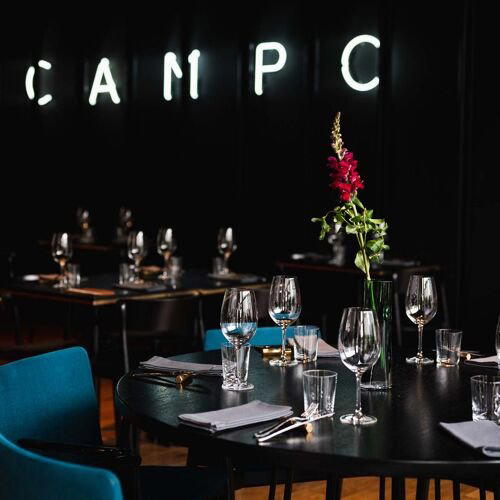
| CAMPO Modern Grill | Modern Argentinian Steakhouse | Not listed | Michelin Plate |
| Grape Restaurant Wrocław | Polish-Inspired Fine Dining with Wine Pairings | $50–100 | Not listed |
| Gustaw | Modern Polish-European Fusion | Not listed | Michelin Plate |
Recognition history
Dated appearances from independent guides and award organizations, with the underlying list record or original source where available.
Michelin Bib Gourmand
Michelin
Continue exploring
More in Wrocław
Restaurants in Wrocław
All restaurants in Wrocław →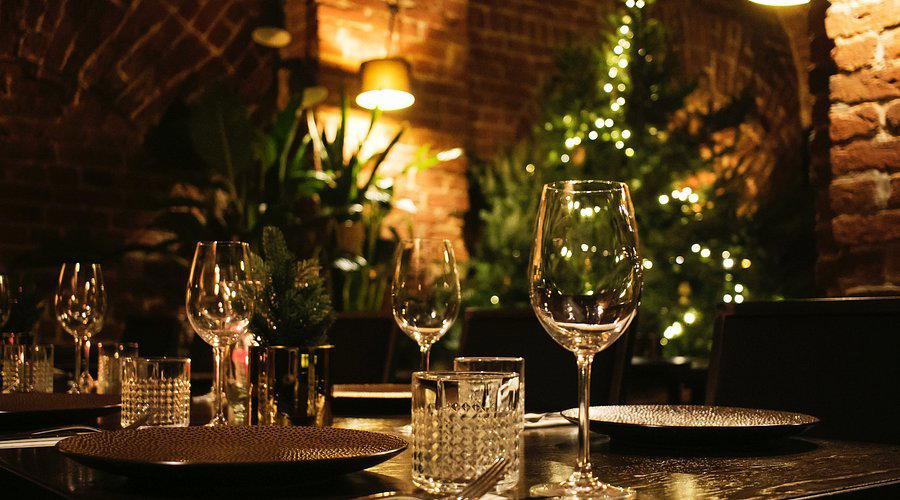
Hotels in Wrocław
All hotels in Wrocław →
Wineries in Wrocław
Browse all →
Pijalni
The wine
- Wine program
- Deep wine list
- Extensive wine list
- Sommelier-led
- Natural wine
Details
- Cozy
- Modern
- Intimate
- Trendy
- Sophisticated
- Date Night
- After Work
- Casual Hangout
- Special Occasion
- Group Dining
- Garden
- Wine Cellar
- Standalone
- Design Destination
- Extensive Wine List
- Natural Wine
- Sommelier Led
- Farm To Table
- Organic
- Natural Wine
- Biodynamic
- Garden
- Street Scene
- A La Carte
- Small Plates
- Natural Wine
- Biodynamic Wine
- Organic Wine
- Vegetarian Friendly
Cozy, minimalist French-bistro feel with raw brick and art on the walls, relaxed but polished service, and a warm neighborhood atmosphere that suits intimate dinners and wine-focused evenings.