Our verdict
Kook occupies a polished address inside Belas Business Park in Talatona, placing it squarely within Luanda's southern commercial corridor where Angola's emerging restaurant culture is taking its most deliberate shape. The setting signals ambition without explanation, and the kitchen draws on sourcing priorities that reflect broader shifts in how Angolan dining rooms are rethinking what ends up on the plate.

Pearl is the En Primeur Club membership app, where members save venues, book tables and use the concierge.
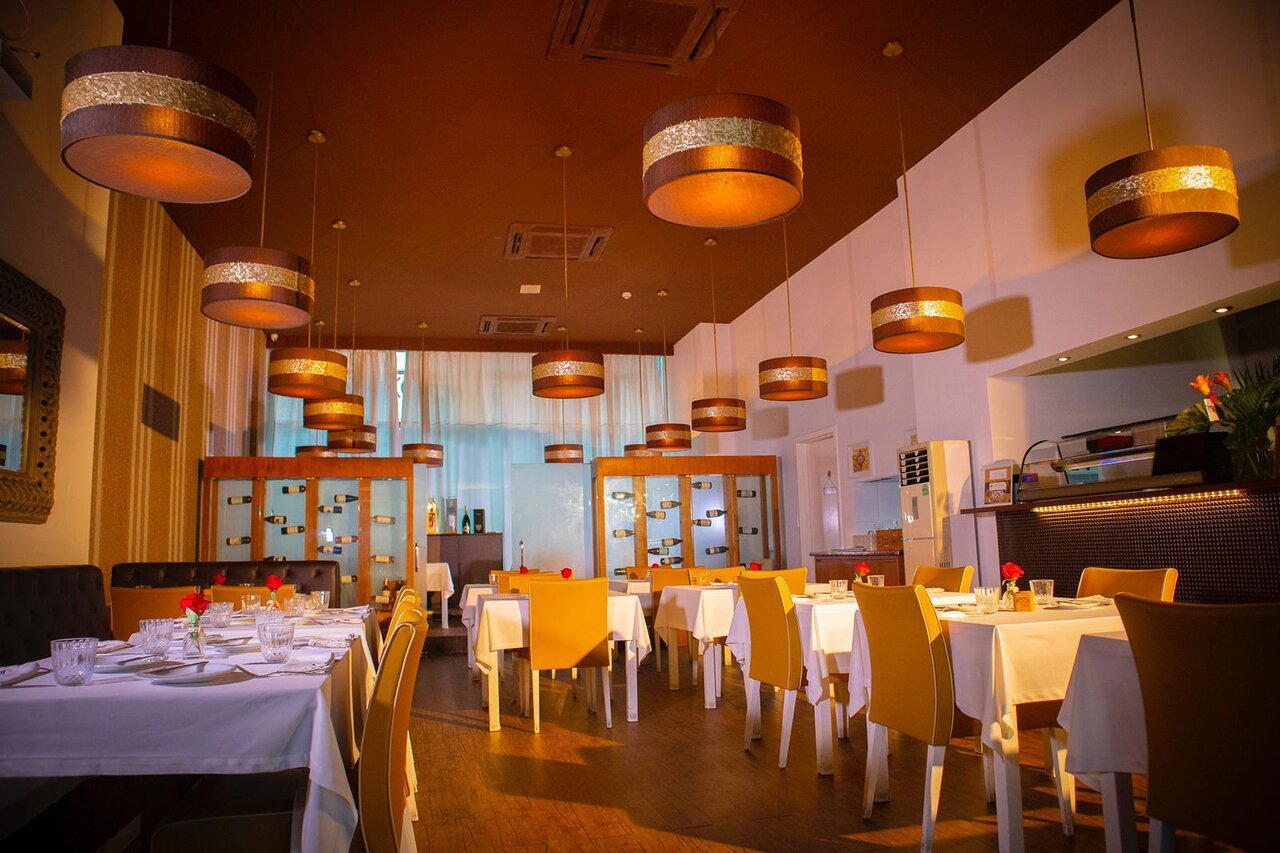
The southern sprawl of Luanda has been accumulating serious dining addresses at a pace that outstrips most outside commentary. Talatona, built around Belas Business Park and its surrounding towers, is where Angola's urban professional class has largely chosen to eat, meet, and be seen, and the restaurants that have settled here reflect that demographic's appetite for something more considered than the capital's older, port-adjacent dining rooms. Kook sits inside this corridor, at Torre Moxico in Belas Business Park, occupying the kind of address that in other cities would signal a business-lunch institution but in Luanda increasingly signals genuine culinary intent.
Where Luanda's Southern Dining Scene Has Arrived
Angola's restaurant culture has followed a familiar pattern seen across resource-rich African capitals: a first wave of international hotel dining, a second wave of expat-facing casual formats, and now a third wave where locally rooted ambition begins to assert itself more confidently. Talatona is ground zero for that third wave. The neighbourhood's relative newness means it carries none of the accumulated habits of the older city centre, no decades-old churrascaria monopolising the weekend trade, no single cuisine dominating by default. That openness has made it easier for kitchens to position themselves more deliberately.
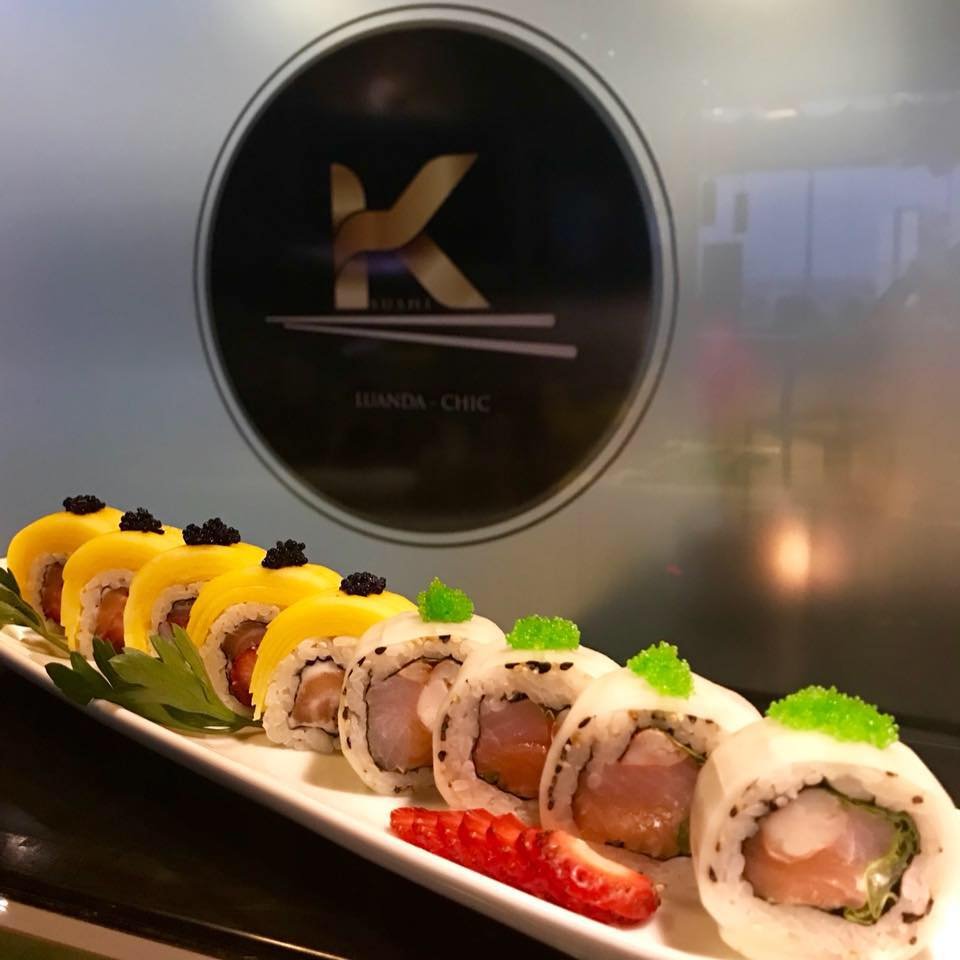
For context on Angola's wider dining range, our full Samba restaurants guide maps the broader field, while K Sushi in Luanda shows how the city's appetite for precision-focused formats has expanded well beyond traditional Angolan and Portuguese touchstones. Coastal operations like Complexo Hoteleiro Mar-Sol in Sumbe illustrate how Angola's provincial cities handle the same tension between local product and international expectation, a tension Kook navigates from a very different, urban vantage point.
The Sourcing Question in an Angolan Kitchen
Angola's geography makes sourcing both an opportunity and a logistical argument. The country's Atlantic coastline delivers some of the most protein-rich waters on the continent, the cold Benguela Current pushes cold, nutrient-dense upwellings northward, supporting fisheries that have historically supplied export markets rather than domestic restaurant counters. The interior, by contrast, holds cassava, maize, palm oil, and a range of legumes that form the structural backbone of Angolan home cooking. The productive gap between what Angola grows and catches and what its urban restaurants have traditionally served has been one of the defining tensions of Luanda dining for the better part of two decades.
Kitchens in the Talatona corridor are increasingly the places where that gap gets narrowed. Proximity to Luanda's wholesale markets, combined with the purchasing power of a business-park clientele, gives restaurants here more latitude to work with domestic product than their predecessors enjoyed. What this means in practice: menus that can anchor on local fish and shellfish with more confidence, and kitchens that are less dependent on the imported-goods supply chain that characterised Luanda's boom-era dining. The parallels to sourcing arguments playing out in cities elsewhere, Aponiente in El Puerto de Santa María built its entire identity around rethinking what the sea provides; Arpège in Paris made the vegetable garden the centre of the story, are instructive even if the scale and context differ entirely.
The sourcing conversation matters because it changes what a restaurant communicates to the room. A kitchen that can tell a coherent story about where its ingredients originate occupies a different register from one that assembles imported components competently. Luanda's more serious dining addresses are beginning to understand this distinction, and Talatona's newer entries are where that understanding is most visibly being worked through.
The Setting and What It Implies
Business park addresses carry assumptions, fluorescent-lit lunch trade, prix-fixe efficiency, an audience more interested in the meeting before or after than the food between. The better restaurants in Luanda's southern commercial zone have been quietly dismantling that assumption. A polished interior within a commercial tower can, with the right investment in light, material, and room proportion, read as a serious dining destination rather than a corporate convenience. The physical environment at Belas Business Park gives kitchens here a neutrality that can be shaped into something with character, it does not carry the freight of a historic building or a waterfront view, but it also imposes no constraints that those environments bring.
For reference points on how formal-address dining has been handled at the highest level internationally, the contrast with something like Alain Ducasse's Louis XV in Monte Carlo or Alléno Paris au Pavillon Ledoyen is instructive, those addresses carry historic weight that shapes the dining contract before a guest sits down. Kook's Talatona address carries no such history, which puts the weight squarely on what happens in the room and on the plate.
Across the global range of restaurants redefining what their setting communicates, from Atomix in New York City to Lazy Bear in San Francisco, from Amber in Hong Kong to Alinea in Chicago, the pattern is consistent: the setting becomes meaningful in proportion to the conviction of the programme running inside it. The same logic applies in Talatona.
Planning a Visit
Kook is located at Torre Moxico, Belas Business Park, in the Talatona district of Luanda, Angola's southern commercial hub, accessible from the main Luanda expressway network and typically reached by car or private transfer, as public transit connections to Talatona remain limited. The business-park address means parking is generally available on-site, which is a practical advantage over the older city centre. For specific hours, booking methods, and current pricing, direct contact with the venue or enquiry through Luanda's local concierge networks is advisable, as operational details shift with regularity in Luanda's restaurant environment. Dress tends toward smart casual in this part of the city, with the business clientele setting the tone during weekday service.
Those building a broader Angola itinerary with dining as a priority will find that pairing Talatona addresses with the older port-area restaurants gives the most complete picture of where Luanda's food scene has been and where it is heading. The southern corridor is where the direction of travel is most legible.
Frequently asked questions
Is Kook good for families?
Kook sits within Belas Business Park in Talatona, Luanda's southern commercial hub, which draws a broad cross-section of the city's professional and residential population. That mixed audience generally makes for a room tolerant of different group formats.
What kind of setting is Kook?
Kook occupies Torre Moxico inside Belas Business Park in the Talatona district of Samba, Luanda. Business park settings in Luanda's south have increasingly attracted serious restaurant operators over casual canteen formats, as the area's commercial density supports a lunch and dinner crowd with higher expectations. The address signals a room built around professional diners rather than tourist foot traffic.
Is Kook a suitable option for business lunches in southern Luanda?
Kook's address at Torre Moxico, Belas Business Park in Talatona places it at the centre of Luanda's southern commercial zone, where the concentration of corporate offices and international firms has driven demand for restaurants that function beyond a quick meal. The business park setting points to a room accustomed to that format. Talatona has become Luanda's default address for this kind of professional dining, distinct from the older hotel-anchored restaurant circuit closer to the bay.
What do regulars order at Kook?
Specific menu details for Kook are not on public record at the time of writing. Angola's Atlantic coastline produces protein-rich seafood that Luanda's better kitchens draw from regularly, and restaurants in the Talatona district tend to reflect both local sourcing and the international palate of the business community they serve. Arriving with flexibility and asking staff what arrived that day is the standard move in this market.
In Context: Similar Options
Comparable venues nearby, for context on price, style, and recognition.
| Venue | Cuisine | Price | Notes |
|---|---|---|---|
| KookThis venue (the venue you are viewing) | Exquisite Japanese Cuisine | $20–30 | Not listed |
| K Sushi | Traditional Japanese Sushi & Omakase | $50–100 | Ingombota |
| Pho Nam | Vietnamese Pho | Not listed | Maianga |
| Complexo Hoteleiro Mar-Sol | African Beach Restaurant | Not listed | Avenida Marginal |
Continue exploring
More in Samba
Restaurants in Samba
All restaurants in Samba →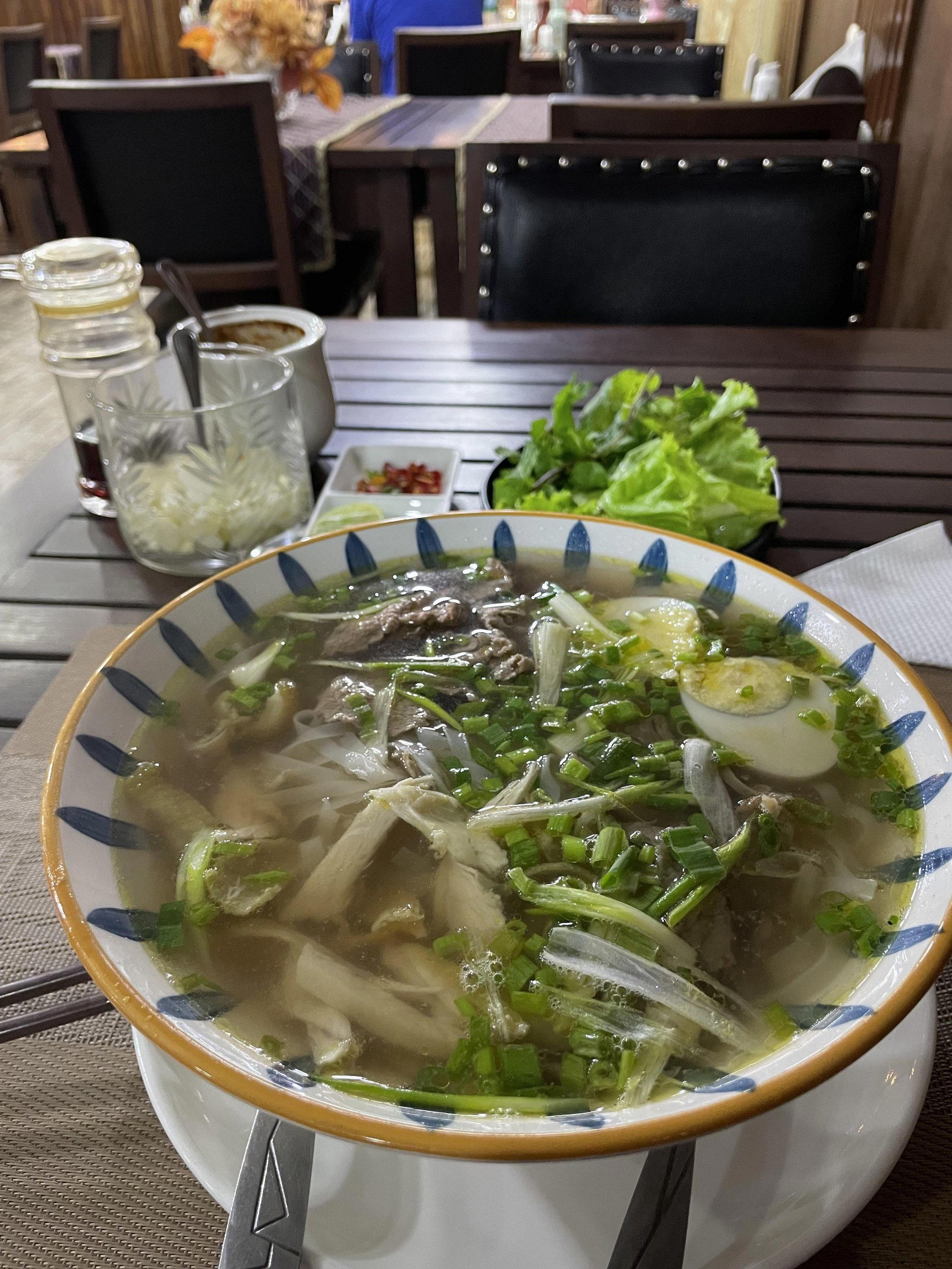
Hotels in Samba
Browse all →
Details
- Date Night
- Business Dinner
- Standalone
- A La Carte
Current opening hours
- Monday
- 12–10:30 PM
- Tuesday
- 12–10:30 PM
- Wednesday
- 12–10:30 PM
- Thursday
- 12–10:30 PM
- Friday
- 12–10:30 PM
- Saturday
- 12–10:30 PM
- Sunday
- 12–10:30 PM
Hours can change for holidays and private events. Hours as of .
Premier dining destination with delightful dishes praised by food enthusiasts.