Our verdict
Pho Nam brings Vietnamese culinary tradition to Luanda's evolving dining scene, offering a reference point for Southeast Asian flavours in a city where such options remain scarce. The restaurant sits within a food culture shaped by Portuguese colonial history and Angolan staples, making its presence a marker of Luanda's gradual diversification toward international cuisine.

Pearl is the En Primeur Club membership app, where members save venues, book tables and use the concierge.
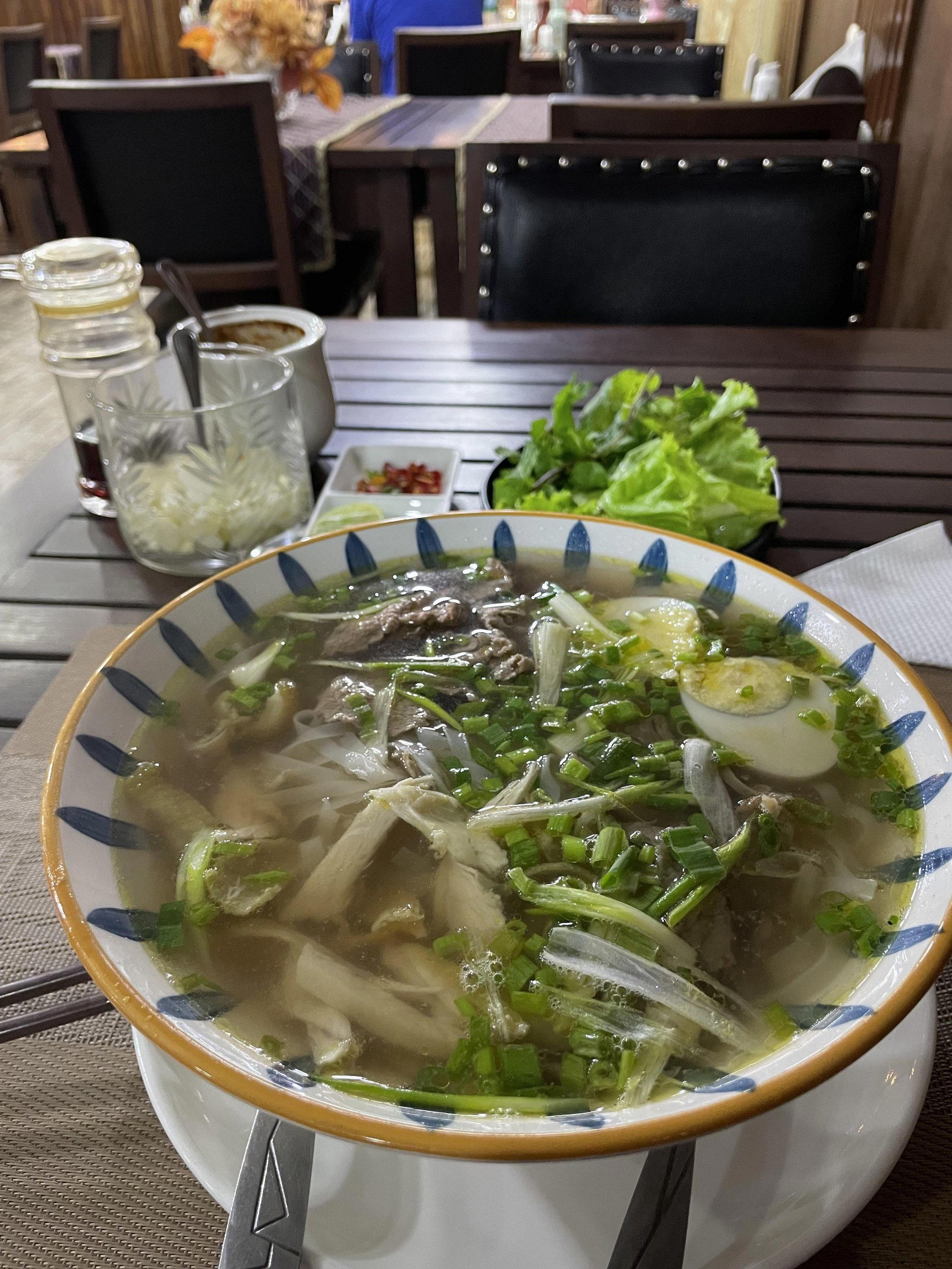
The menu
What to order
- Pho Nam
- Fried spring rolls
Luanda's restaurant scene has long been defined by its Portuguese inheritance: grilled fish, piri-piri preparations, and the slow-cooked bean dishes that trace a direct line back to colonial-era kitchens. Against that backdrop, a Vietnamese restaurant carries weight beyond its menu. Pho Nam operates inside a city where Southeast Asian cooking is genuinely rare, which means that for diners seeking the particular discipline of Vietnamese cuisine, the long-simmered broths, the herb-forward logic, the balance of sour, salt, and sweetness, there are few alternatives to consider. That scarcity is both the restaurant's context and its defining position in our full Luanda restaurants guide.
Vietnamese Cooking in an African Capital
Vietnamese cuisine is one of the more demanding traditions to execute away from its source geography. The ingredient list for a properly built pho, star anise, charred ginger and onion, beef bones at a specific fat ratio, fresh herbs served at the table, is not easily assembled in West Africa. Cities like Luanda, where supply chains for Asian aromatics can be inconsistent, present real logistical pressure on kitchens attempting this style of cooking. That pressure tends to produce one of two outcomes: a diluted version built around available substitutes, or a kitchen that has established reliable sourcing and takes the preparation seriously. The gap between those two outcomes is immediately legible in the bowl.
The cultural roots of pho sit in northern Vietnam, where the dish emerged in the early twentieth century as street food in Hanoi, likely shaped by French bouillon traditions meeting local spice and herb usage. The southern Vietnamese version, popularised in Ho Chi Minh City, is sweeter and arrives with a larger herb plate. Both traditions share the same structural logic: a clear, deeply flavoured broth as the foundation, rice noodles as the vehicle, and protein as the secondary layer. It is a dish that takes hours to build correctly and seconds to judge incorrectly.
Where Pho Nam Sits in Luanda's Dining Order
Luanda's food scene has diversified meaningfully over the past decade, though it remains concentrated in a relatively small number of reliable kitchens. The city's higher-end dining corridor leans toward European formats, Luanda-based restaurants like K Sushi demonstrate that there is appetite for precision Asian cuisine at the top end of the market, and the broader Angolan dining public has shown willingness to move beyond the familiar when quality is demonstrable. Kook in Samba represents another reference point in the city's evolving restaurant culture, while further along the coast, Complexo Hoteleiro Mar-Sol in Sumbe signals how hospitality infrastructure is extending beyond the capital.
Within that context, a Vietnamese restaurant occupies a specific niche: accessible enough to function as a regular dining destination, technically demanding enough to serve as a genuine measure of kitchen discipline. Vietnamese food at its finest is not a luxury-tier experience in the way that tasting-menu formats are, it is precision applied to everyday ingredients, which makes it a different kind of test. The reference set globally includes some of the most technically meticulous cooking produced anywhere: a useful counterpoint when considering what the format demands. Precision cooking in other registers, from Le Bernardin in New York City to Arpège in Paris, demonstrates that rigour at the level of technique is a discipline independent of cuisine type.
Reading the Menu Through Cultural Logic
Vietnamese menus, when well-constructed, follow a coherent internal logic. Lighter dishes, fresh spring rolls, herb salads, clear soups, come first, building appetite rather than dulling it. Heavier preparations, whether braised or grilled, follow. The herb plate is not a garnish; it is a functional component that the diner assembles to adjust balance in the bowl. A kitchen that understands this logic places herbs at the table fresh, not wilted, and provides enough variety, mint, Thai basil, bean sprouts, sliced chilli, to allow meaningful adjustment.
The pho broth itself is the most reliable diagnostic. Correctly made, it is translucent, amber-coloured, and carries a clean aromatic depth from the charring and spicing process. A broth that is muddy, grey, or flat has been rushed or built from shortcuts. Noodle texture is the second indicator: fresh rice noodles have a specific give that dried or overcooked versions do not replicate. These are the details that separate a kitchen taking the tradition seriously from one using the format as a loose template.
Planning Your Visit
Luanda presents the practical challenges common to many West African capitals: traffic concentration in the downtown and Miramar corridors can extend travel times significantly, particularly in the late afternoon and early evening. Visitors approaching Pho Nam from the central business district or waterfront hotels should account for this. Angola operates in West Africa Time (WAT), and restaurant service hours in Luanda tend to follow a later rhythm than visitors from northern Europe or North America might expect, with the dinner peak often running later into the evening.
This is standard practice for mid-tier Luanda dining, where online reservation infrastructure is less developed than in larger hospitality markets. Those travelling for business, where Luanda's restaurant culture is most active, will find local hotel concierge teams to be the most effective resource for current hours and table availability.
For travellers mapping Luanda dining against international reference points, the relevant comparison is not with three-star European formats such as Alain Ducasse at Louis XV in Monte Carlo or technically intensive American tasting menus like Alinea in Chicago and Lazy Bear in San Francisco, but rather with the question of whether a specific cuisine tradition is being executed with integrity in a city where that tradition is genuinely underrepresented. That is the more useful frame for Pho Nam, and the more honest measure of what it offers within its market.
Frequently asked questions
Where is Pho Nam in Luanda?
Pho Nam is located at Luanda, Angola, Luanda.
Is Pho Nam one of the only Vietnamese restaurants in Luanda?
Vietnamese restaurants are rare across most of sub-Saharan Africa, and Luanda is no exception, the city's international dining scene has broadened over the past decade but remains heavily weighted toward Portuguese, Brazilian, and pan-African kitchens. That makes Pho Nam's focus on Vietnamese cuisine a meaningful differentiator within Luanda's dining order, not simply a niche preference. Travellers specifically seeking this cuisine in Angola will find very few alternatives.
What's the must-try dish at Pho Nam?
Pho, the slow-cooked broth-based noodle soup that defines Vietnamese cooking, is the natural starting point at any restaurant carrying the name. In Luanda, where the supply chain for Vietnamese pantry staples is genuinely constrained, how a kitchen handles that broth tells you most of what you need to know about its ambition and execution. Go with the pho before anything else.
How hard is it to get a table at Pho Nam?
Luanda's pool of reliable international kitchens is narrower than the city's size would suggest, which means the few that earn a consistent reputation tend to fill up faster than comparable venues in larger capitals. Contact details for Pho Nam are not currently listed publicly, so arriving during off-peak hours or asking your hotel concierge to make contact locally is the practical approach for first-time visitors.
What is Pho Nam known for?
Pho Nam occupies a specific and uncommon position in Luanda's dining order: a kitchen committed to Vietnamese cooking in a city where that tradition has almost no competition. The name itself signals the focus, pho and the broader canon of Vietnamese dishes that surround it. In a market where most international restaurants default to pan-Asian generalism, that specificity carries weight.
Is Pho Nam good for vegetarians?
Vietnamese menus traditionally offer a reasonable range of vegetable-forward dishes, herb salads, fresh spring rolls, tofu preparations, and clear broth variants, though the classic pho relies on long-cooked meat stock as its base.
Cost Snapshot
Comparable venues nearby, for context on price, style, and recognition.
| Venue | Cuisine | Price | Notes |
|---|---|---|---|
| Pho NamThis venue (the venue you are viewing) | Vietnamese Pho | Not listed | Not listed |
| K Sushi | Traditional Japanese Sushi & Omakase | $50–100 | Ingombota, Traditional Japanese Sushi & Omakase |
| Kook | Exquisite Japanese Cuisine | $20–30 | Talatona, Precise Japanese Cuisine |
| Complexo Hoteleiro Mar-Sol | African Beach Restaurant | Not listed | Avenida Marginal, African Beach Restaurant |
Continue exploring
More in Luanda
Restaurants in Luanda
All restaurants in Luanda →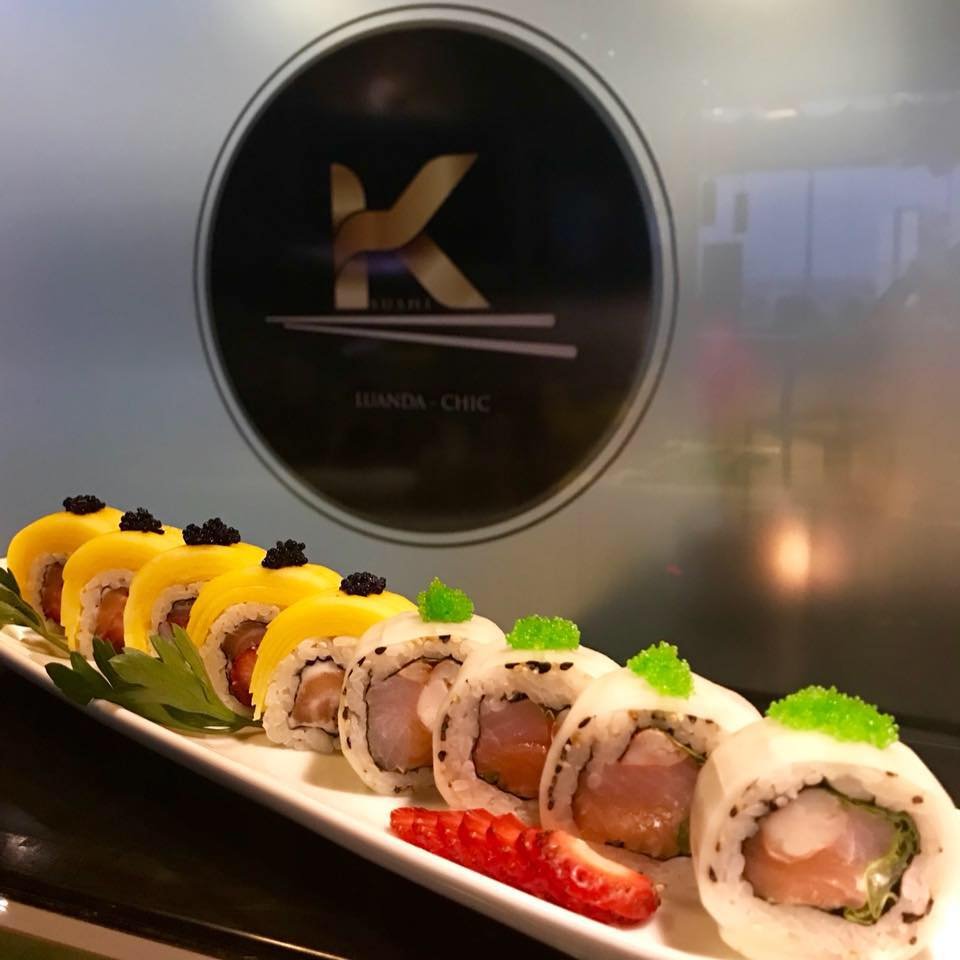
Hotels in Luanda
All hotels in Luanda →
Details
- Lively
- Celebration
- Casual Hangout
- Group Dining
- A La Carte
Current opening hours
- Monday
- 7:30 AM–10 PM
- Tuesday
- 7:30 AM–10 PM
- Wednesday
- 7:30 AM–10 PM
- Thursday
- 7:30 AM–10 PM
- Friday
- 7:30 AM–10 PM
- Saturday
- 7:30 AM–10 PM
- Sunday
- 9 AM–10 PM
Hours can change for holidays and private events. Hours as of .
Lively atmosphere popular for birthday celebrations and karaoke with quick service.