Our verdict
On Acacia Avenue, one of Kampala's quieter residential corridors, Khana Khazana occupies a position in the city's Indian dining scene that rewards some attention. The name translates roughly to 'treasure of food' in Hindi and Urdu, signalling an ambition rooted in the subcontinent's culinary traditions rather than the pan-Asian menus that populate much of Kampala's mid-market.

Pearl is the En Primeur Club membership app, where members save venues, book tables and use the concierge.
The menu
What to order
- Butter chicken
- Chicken tikka masala
- Biryani
- Palak paneer
Acacia Avenue and the Logic of Indian Dining in Kampala
Kampala's restaurant scene has never followed a single narrative. The city absorbs influences from its South Asian community, its East African neighbours, and a growing cohort of internationally travelled Ugandan diners who have developed clear expectations around what a good meal should involve. Indian cuisine sits at the centre of that intersection in ways that go beyond simple demographics. Uganda's South Asian community, established across multiple generations, has shaped the city's palate in ways that are still playing out on restaurant menus across Kololo, Nakasero, and the stretches of Acacia Avenue where Khana Khazana sits at Plot 20. For a fuller picture of where this restaurant fits within the wider dining conversation, see our full Kampala restaurants guide.
The address matters more than it might seem. Acacia Avenue (formally John Babiha Avenue) operates at a remove from the denser commercial corridors of Kampala's centre. The approach is residential in character, lined with mature trees and punctuated by the kind of mid-scale commercial properties that attract regulars over tourists. That positioning tells you something about who Khana Khazana is cooking for: a local clientele with a baseline familiarity with Indian food, who will notice if the dal is underseasoned or the bread arrives cold.
The Sourcing Question in East African Indian Cooking
Indian cooking in East Africa has always operated under a different set of constraints than the subcontinental original. The availability of specific spices, the quality of dairy, the varieties of lentils and legumes that reach Kampala's markets, all of these shape what ends up on the plate in ways that menus rarely acknowledge directly. What distinguishes the better Indian kitchens in this region is how they negotiate those constraints: whether they import critical dry goods and spices from India or source locally where equivalents exist, and whether they treat that sourcing as a problem to solve or a limitation to hide.
East Africa grows a range of produce that intersects usefully with South Asian cooking. Ugandan tomatoes and onions are available year-round at a quality that supports slow-cooked curries and chutneys. Local cardamom and ginger exist in the regional trade even if the finer spice blends often arrive from further afield. For a restaurant on Acacia Avenue positioning itself within the Indian tradition, the intelligence lies in knowing which elements of the cuisine travel well through local supply chains and which require the discipline of import. That sourcing decision is what separates restaurants that serve food tasting of compromise from those that hold a line on flavour.
This dynamic plays out across East African cities and is worth understanding as a frame when approaching any Indian restaurant in the region. In Kampala specifically, the South Asian community's long presence means there is institutional knowledge around sourcing, family networks, import relationships, and generational cooking practice, that the more recent wave of internationally funded restaurant openings often lacks. Restaurants drawing on that community knowledge tend to produce food with a coherence that newer entrants struggle to match quickly.
Where Khana Khazana Sits in Kampala's Indian Tier
Kampala's Indian dining options occupy a recognisable spread. At one end sit the canteen-format spots serving direct thali and rice plates to the working lunch crowd. At the other end, a smaller group of restaurants has moved toward a more considered format, with longer menus, table service, and a dining room that functions as a destination rather than a stop. Khana Khazana, based on its Acacia Avenue address and the name's direct Hindi-Urdu register, positions itself somewhere in the middle-to-upper portion of that range, serving a neighbourhood clientele rather than chasing the hotel-district visitor trade.
That positioning has implications for the experience. Middle-tier Indian restaurants in cities like Kampala tend to succeed when they maintain consistency across their core dishes rather than when they attempt range for its own sake. A well-executed butter chicken or a properly laminated paratha communicates kitchen discipline more clearly than a menu listing forty dishes of uneven quality. The editorial question for any restaurant in this tier is not whether the food is ambitious, but whether it is honest and consistent.
For readers with a reference point in internationally recognised Indian-influenced cooking, the kind of technical precision that markers like Michelin bring to kitchens from Amber in Hong Kong to Arzak in San Sebastián or the ingredient-led rigour that characterises restaurants such as Arpège in Paris and Atelier Crenn in San Francisco, the frame needs adjusting for Kampala. The city's leading table is not competing on those terms. It is competing on the terms of its own market: value, reliability, and a sense of place that a generic hotel restaurant cannot provide.
Planning a Visit
Khana Khazana is located at Plot 20 on Acacia Avenue (John Babiha Avenue) in Kampala. The avenue is accessible from central Kampala by boda-boda, taxi, or private car, with the residential character of the street making it easier to arrive and park than the denser commercial zones closer to the city centre. Current hours, booking availability, and pricing are best confirmed directly upon arrival or through local inquiry, as the restaurant's contact details are not publicly listed in a way that can be verified here. Visiting during a quieter midweek period is generally a sensible approach for any Kampala restaurant in this category, where weekend trade tends to compress service and seating.
For readers building a broader Kampala itinerary that includes dining at multiple levels, the city rewards sequential exploration. Indian restaurants on and around Acacia Avenue represent one strand of a more complex food scene that also includes Ugandan cooking, Ethiopian and Somali options in Kisenyi, and a newer generation of European-influenced venues. Khana Khazana sits in the South Asian strand, which remains one of the most historically rooted in the city.
Frequently asked questions
Is Khana Khazana okay with children?
Indian restaurants on Kampala's Acacia Avenue corridor tend to be family-oriented by default, and nothing about Khana Khazana's positioning at Plot 20 suggests otherwise. The format of Indian dining, shared dishes and a broad menu range, generally accommodates mixed-age groups without difficulty. Families are a common presence in this part of Kampala's dining circuit.
What's the overall feel of Khana Khazana?
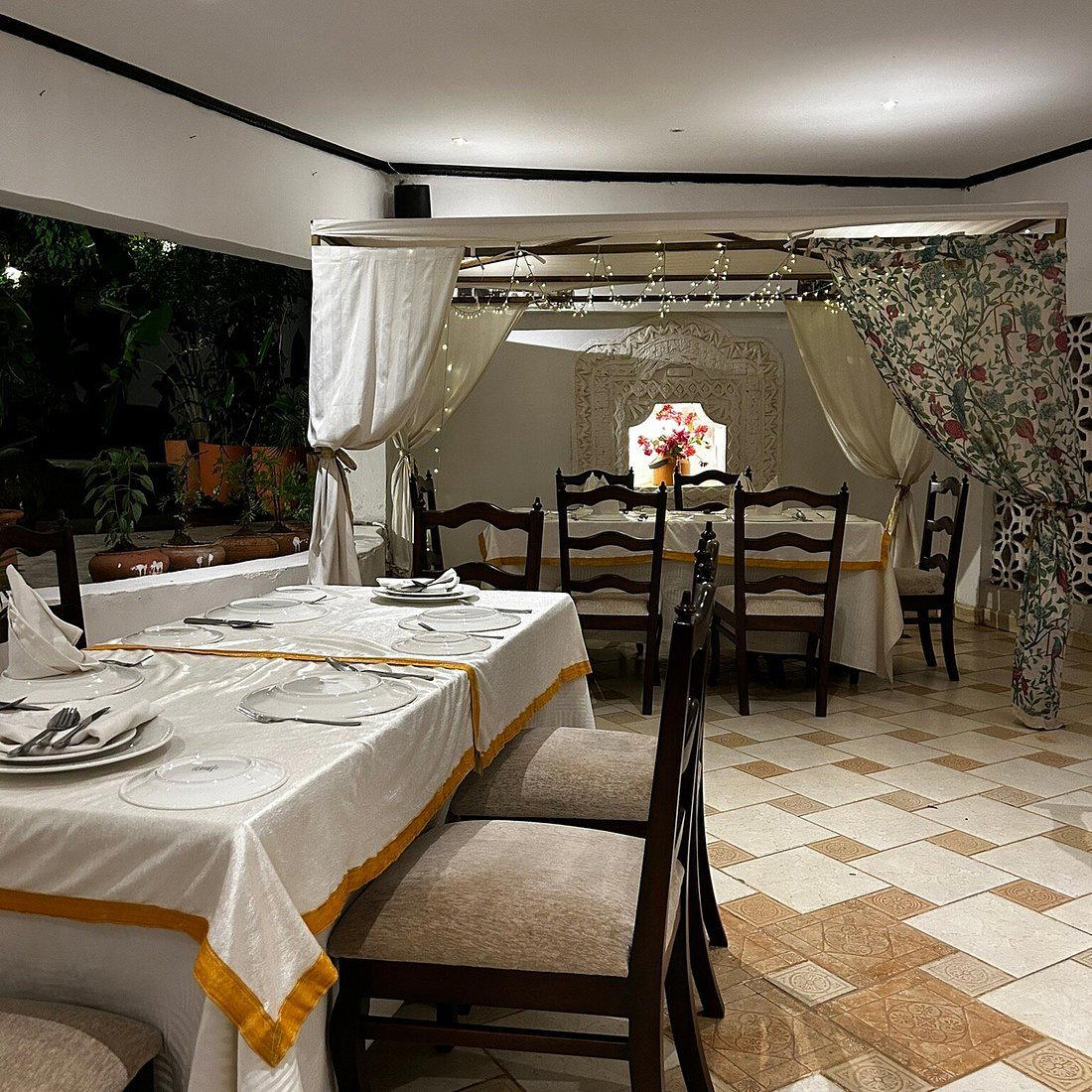
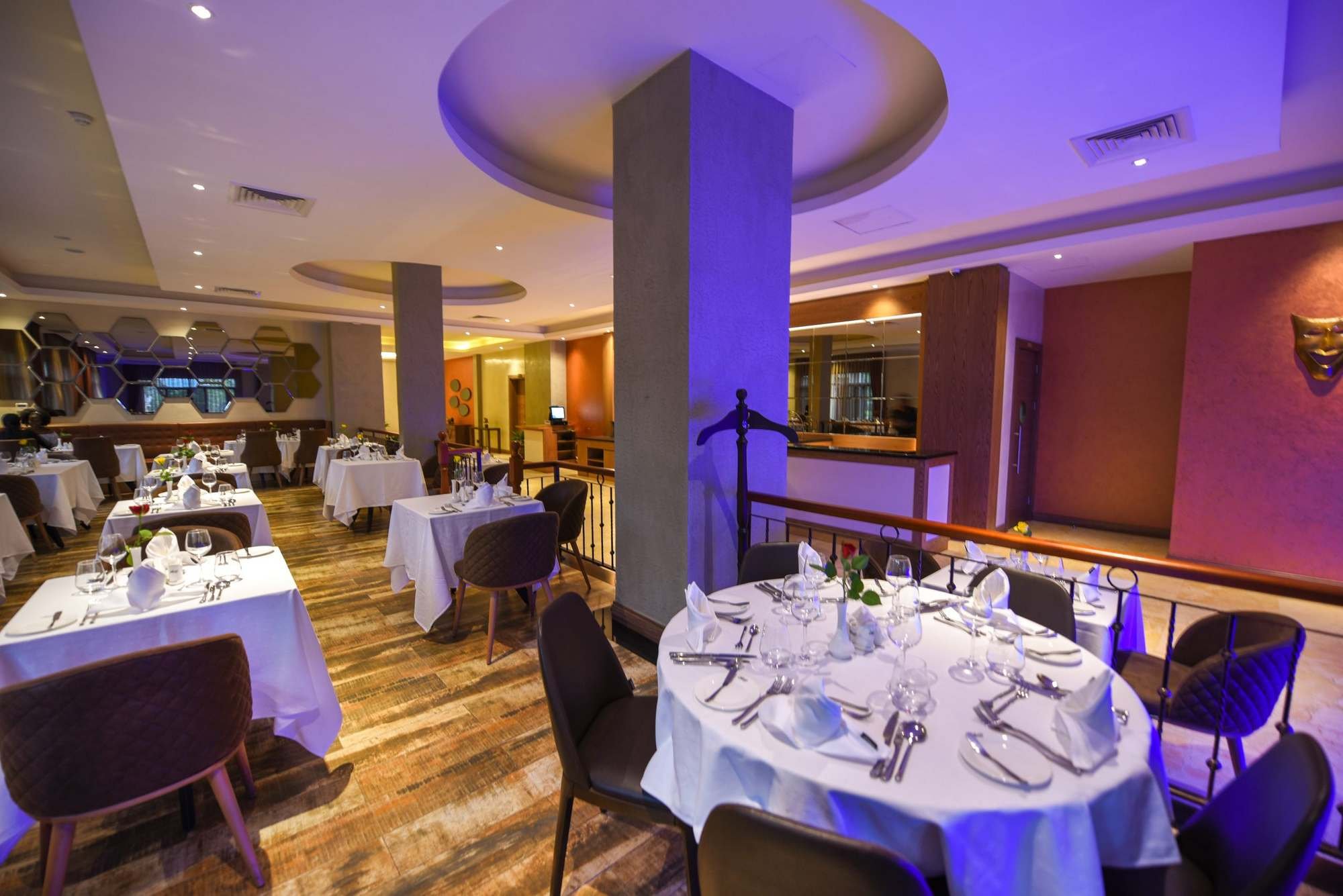
The address on Acacia Avenue (John Babiha Avenue) places Khana Khazana in one of Kampala's more established restaurant corridors, away from the city centre's noise. The setting reads as a sit-down Indian dining room rather than a canteen or fast-casual spot, occupying the middle tier of Kampala's Indian restaurant spread where the focus shifts from speed to a fuller meal experience.
How does Khana Khazana compare to other Indian restaurants in Kampala?
Khana Khazana occupies the Acacia Avenue end of Kampala's Indian dining tier, an address that carries more neighbourhood restaurant character than the central city spots aimed primarily at the expat lunch trade. Kampala's Indian options range from bare-bones thali counters to more composed sit-down rooms, and Khana Khazana sits toward the latter end of that range. For visitors approaching from outside Uganda, it represents the kind of Indian dining shaped by decades of South Asian community presence in East Africa rather than a recent import.
What should I order at Khana Khazana?
Indian restaurants operating in Kampala's East African context typically build menus around subcontinent staples adapted to locally available ingredients, so expect dishes that reflect both traditions. Ask staff what is freshest that day, as sourcing in Kampala can shift seasonally.
Continue exploring
More in Kampala
Restaurants in Kampala
All restaurants in Kampala →

Details
- Elegant
- Cozy
- Classic
- Date Night
- Family
- Special Occasion
- Garden
- Garden
- A La Carte
- Vegetarian Friendly
- Vegan Options
- Gluten Free Options
- Halal
Current opening hours
- Monday
- Closed
- Tuesday
- 11 AM–10:30 PM
- Wednesday
- 11 AM–10:30 PM
- Thursday
- 11 AM–10:30 PM
- Friday
- 11 AM–10:30 PM
- Saturday
- 11 AM–10:30 PM
- Sunday
- 11 AM–10:30 PM
Hours can change for holidays and private events. Hours as of .
Elegant with light colors, traditional Indian decor, garden courtyard with water fountain, and semi-al fresco airy dining.