Our verdict
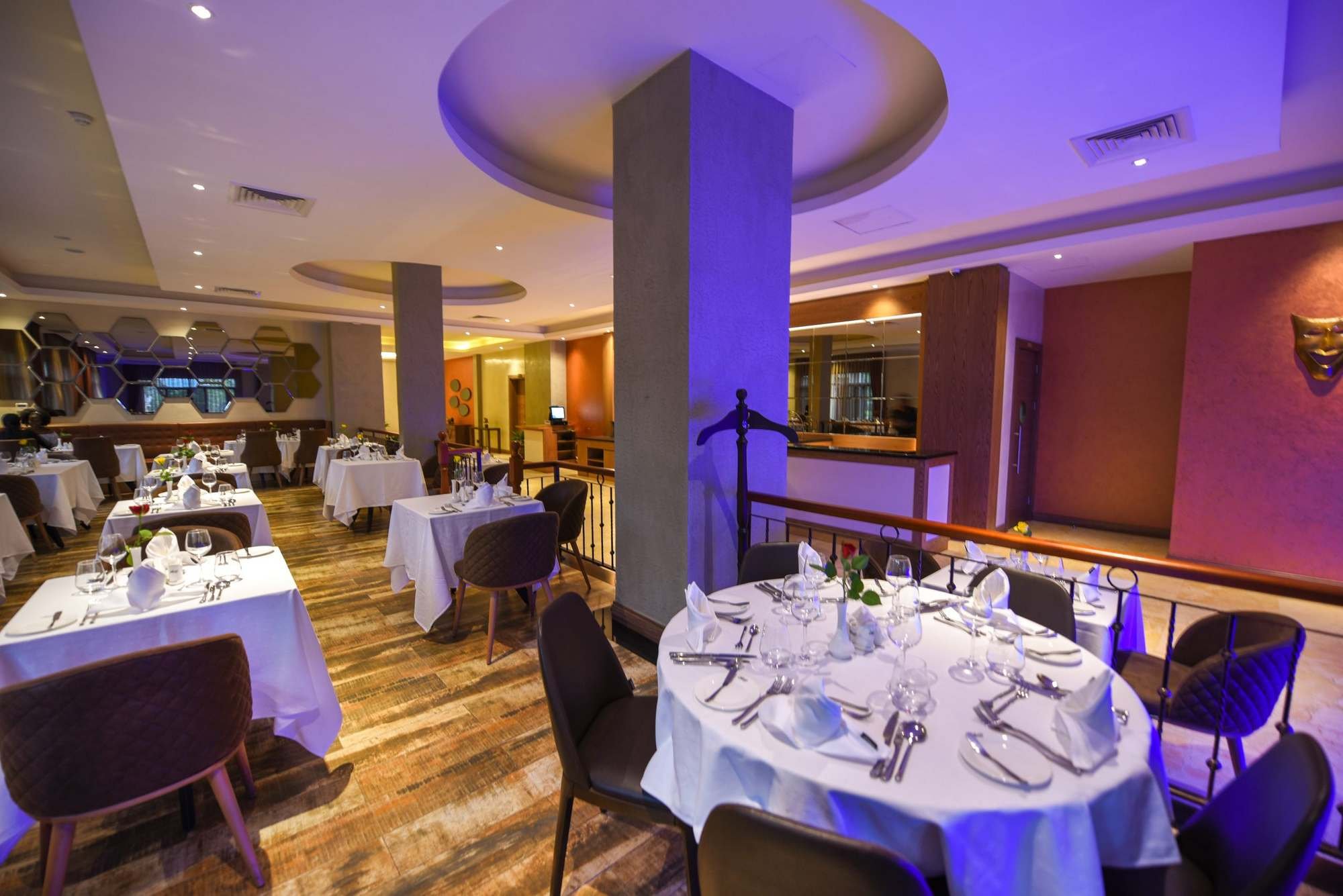
Ambrosia Restaurant sits in Kampala’s dining conversation as a ground-floor address in a city where restaurant value is increasingly tied to produce, spice routes, and neighborhood rhythm rather than formal accolades. With little public positioning around chef, cuisine, or awards, the draw is best read through Kampala itself: a capital where Indian, East African, café, and hotel dining habits overlap.

Pearl is the En Primeur Club membership app, where members save venues, book tables and use the concierge.
The menu
What to order
- Luwombo
- Matoke
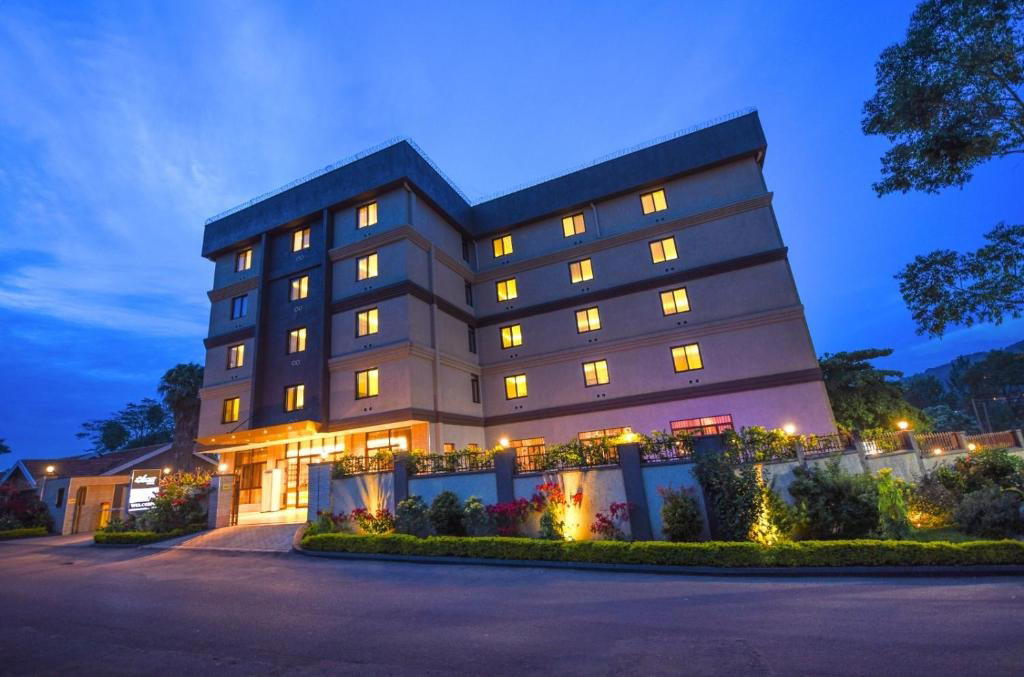
Approaching a ground-floor restaurant in Kampala changes the terms of the meal before a menu enters the conversation. The city’s dining rooms often sit close to daily movement: traffic, office departures, late coffee, family tables, and the evening shift from workday appetite to social dinner. That setting matters for Ambrosia Restaurant because Kampala rewards places that understand sourcing and rhythm as much as decoration. In a capital shaped by regional markets, nearby farms, trade, and a broad dining culture, ingredients carry more editorial weight than imported theatre.
Kampala is not a city where a single luxury template explains the restaurant scene. The smarter reading is category by category. Khana Khazana reflects one established strand of the city’s dining field; Blend Coffee Shop points to the café culture that anchors daytime meetings and lighter eating; Amber Restaurant sits in the same broader urban field of sit-down dining. Ambrosia Restaurant belongs in that Kampala conversation rather than in a trophy-led international category. The limited public detail on specific accolades, chef attribution, and published price positioning puts more pressure on the basics: what the kitchen buys, how plainly it handles produce, and whether the room makes sense for the occasion.
Kampala dining is strongest when the market does the talking
Ingredient sourcing in Kampala starts with geography. The capital has access to regional growing areas, market produce, staple crops, proteins, and the broader food traditions that move through the city. Restaurants that do well here tend to respect that abundance without burying it under generic international cues. A straightforward plate built around local supply can say more about the city than a long menu written for travelers passing through.
That is the useful lens for Ambrosia Restaurant. With no public cuisine label attached, it should be judged less by category expectation and more by how it handles Kampala’s pantry. In this city, sourcing is not a fashionable add-on; it is the difference between a meal that feels local to its setting and one that could have been assembled anywhere. The serious diner should look for seasonality in produce, clarity in execution, and a menu that makes sense for Uganda’s agricultural context rather than leaning entirely on imported signifiers.
This is also where Kampala differs from restaurant cities built around formal tasting-menu hierarchy. The dining culture is more mixed-use: business lunches, family meals, visitor tables, hotel-adjacent dinners, and café-led daytime eating often share the same urban map. For a fuller read on how Ambrosia Restaurant fits into that map, use our full Kampala restaurants guide alongside the city’s adjacent hospitality layers: our full Kampala hotels guide, our full Kampala bars guide, our full Kampala wineries guide, and our full Kampala experiences guide.
The right comparison is local function, not global ceremony
Ambrosia Restaurant is better assessed against Kampala’s practical restaurant ecology than against heavily awarded dining rooms abroad. The relevant questions are grounded: does the meal suit the city’s tempo, does the room work for both social and work-adjacent dining, and does the kitchen show respect for ingredients available in Uganda rather than chasing an imported idea of polish. That is a different standard from highly specialized restaurant formats in other cities, where a single service style or tightly defined concept may define the entire experience.
Those comparisons are useful precisely because they show what Ambrosia is not trying to prove through the available facts. The page does not present a named chef, a fixed tasting format, a detailed award narrative, or a price tier. That pushes the editorial decision back toward city fit. In Kampala, a restaurant can matter because it occupies a reliable middle ground: accessible enough for repeat use, serious enough to reward attention, and close enough to the city’s ingredient base to avoid feeling detached from place.
Global restaurant culture offers plenty of narrowly defined formats, from tightly framed kitchens to casual specialists and café-led concepts. Kampala’s more useful strength is broader: a dining culture where local produce, social meals, cafés, and hotel restaurants all compete for the same evening. Ambrosia Restaurant should be read inside that mix.
Who should put it on the Kampala shortlist
The strongest case for Ambrosia Restaurant is for diners who want a Kampala meal without needing the signals that define destination dining elsewhere. No chef biography leads the story, and no public price band fixes expectations. That makes it a better candidate for travelers and locals who judge by fit: a ground-floor city restaurant, a Kampala setting, and a scene where sourcing and everyday usefulness matter.
The editorial stance is simple: seek it out if the aim is to understand Kampala’s restaurant middle register rather than to chase formal recognition. The city’s food culture is built as much from supply chains and social habits as from headline venues. In that context, Ambrosia Restaurant’s value lies in how it participates in Kampala’s everyday dining grammar: ingredients connected to the region, formats flexible enough for the city, and a setting that belongs to the capital’s working rhythm.
Frequently asked questions
Can I bring kids to Ambrosia Restaurant?
The ground-floor setting in Kampala makes it a practical candidate for mixed-age dining. The venue details do not list a children policy, so check the venue's official channels for the latest guidance.
Is Ambrosia Restaurant formal or casual?
Ambrosia Restaurant reads as a casual city restaurant rather than a formal dining room, based on its Kampala setting and the lack of tasting-menu detail in the listing. The ground-floor profile supports that practical feel.
Where do I go for Ambrosia Restaurant?
Kampala.
Do they take walk-ins at Ambrosia Restaurant?
Those details are not published. Its Kampala location is the clearest detail to anchor expectations. Check the venue's official channels for the latest details.
What makes Ambrosia Restaurant worth seeking out?
Ambrosia Restaurant is a named dining option in Kampala. For readers building a Kampala shortlist, that city fit matters more than branding flourishes.
Comparable Spots, Quickly
Comparable venues by cuisine and price in the same metro.
| Venue | Cuisine | Price |
|---|---|---|
| Ambrosia RestaurantThis venue (the venue you are viewing) | Ugandan Restaurant | Not listed |
| Amber Restaurant | International Buffet & Continental Grill | Not listed |
| Khana Khazana | Authentic North Indian | $30–50 |
| Tembo Plains Camp | African Cuisine | Not listed |
Continue exploring
More in Kampala
Restaurants in Kampala
All restaurants in Kampala →
Details
- Cozy
- Classic
- Family
- Group Dining
- Casual Hangout
- Solo
- Hotel Restaurant
- Standalone
- Local Sourcing
- A La Carte
- Fresh Fruit Juices
Current opening hours
- Monday
- 6 AM–11 PM
- Tuesday
- 6 AM–11:30 PM
- Wednesday
- 6 AM–11 PM
- Thursday
- 6 AM–11 PM
- Friday
- 6 AM–11 PM
- Saturday
- 6 AM–11 PM
- Sunday
- 6 AM–11 PM
Hours can change for holidays and private events. Hours as of .
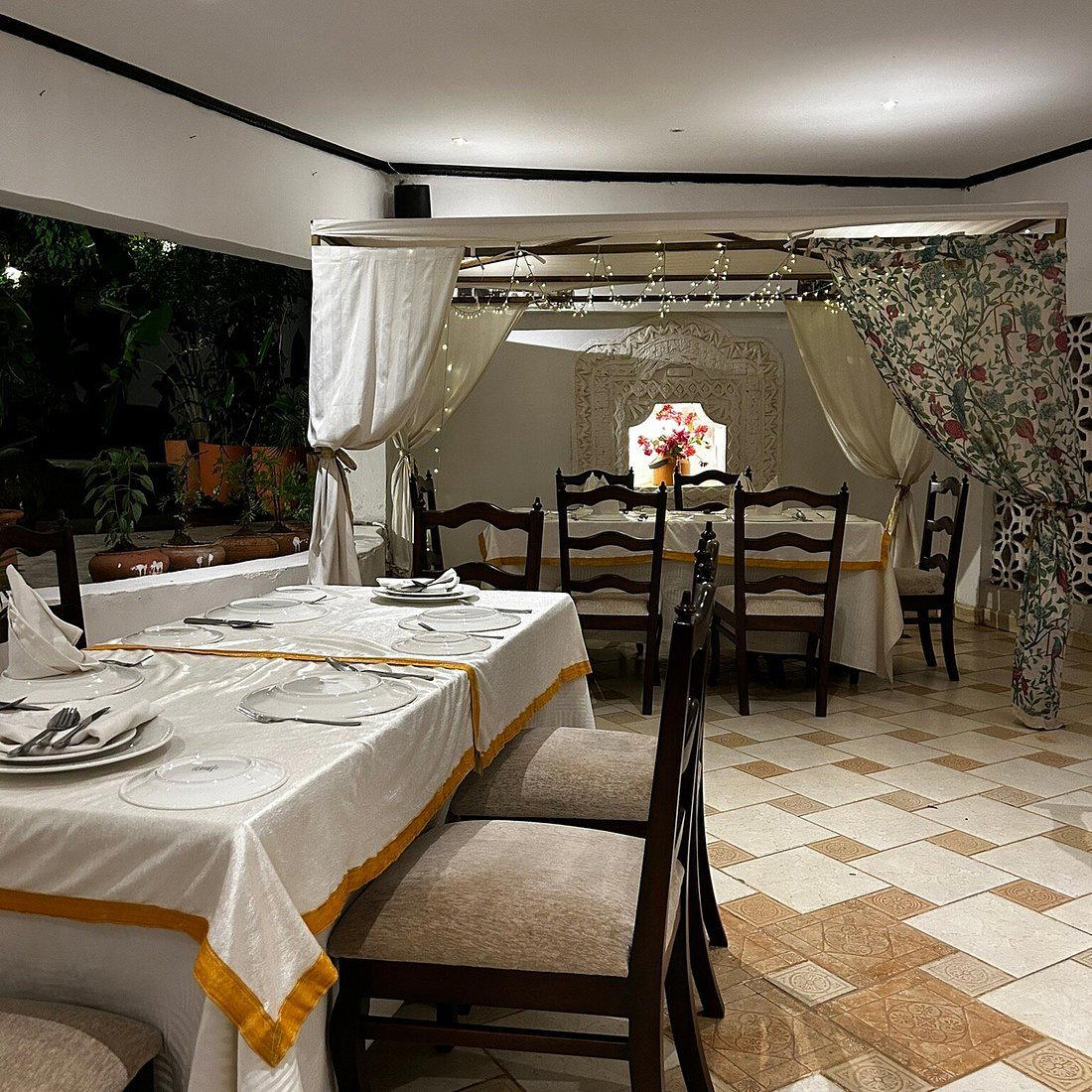
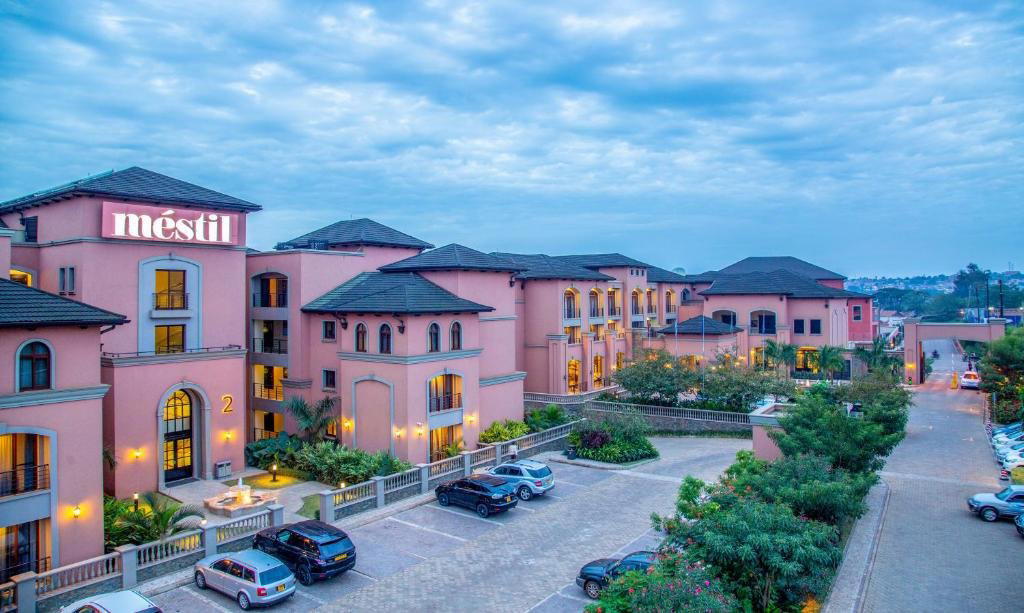
Warm and welcoming, with a culturally grounded decor featuring lively colors and traditional artwork that creates a comfortable, inviting atmosphere.