Kappo Tsan

Michelin Plate
Our verdict
Set in the O Town West corridor west of downtown Orlando, Kappo Tsan operates as a contemporary Japanese spot in a region otherwise dominated by theme-park casual dining and steakhouse chains. The address places it near the Horizon West residential zone, well outside the tourist core, where Japanese cooking tends toward teriyaki grills and all-you-can-eat formats. The format and execution here aim higher.

Pearl is the En Primeur Club membership app, where members save venues, book tables and use the concierge.
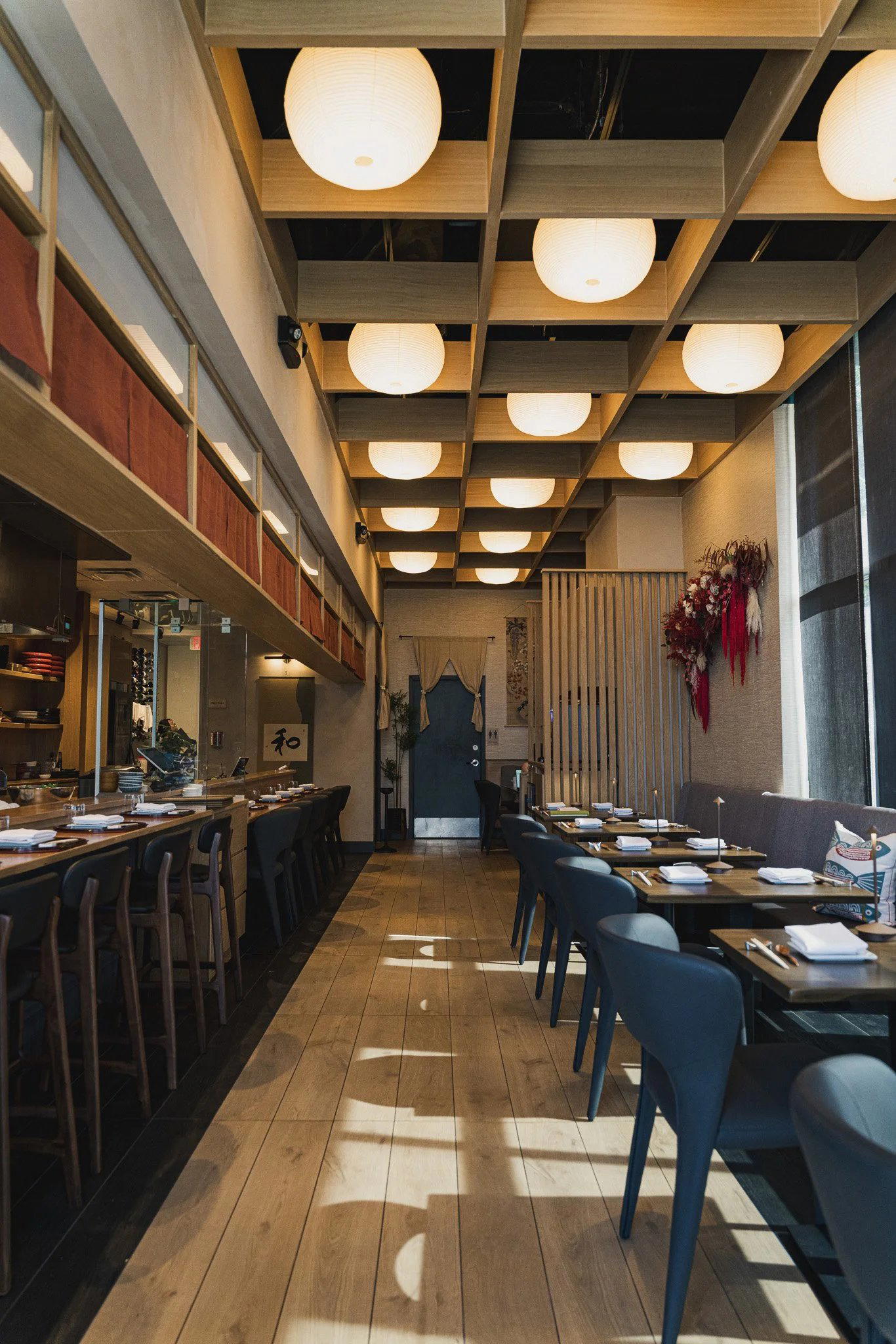
O Town West sits at the western edge of Orlando's suburban sprawl, anchored by Glass House Lane in a neighborhood built around residential communities and mid-tier retail. The dining scene here skews toward family chains and fast-casual formats; Japanese kitchens, when they appear, typically run teppanyaki grills or sushi-roll menus designed for volume. Kappo Tsan occupies a rare niche in this corridor, operating as a contemporary Japanese kitchen with an emphasis on ingredient sourcing and technique that sets it apart from the surrounding competition. The address places it roughly twenty minutes west of downtown Orlando by car, accessible via State Road 408 and Avalon Road.
The term kappo in Japanese kitchen terminology traditionally signals a counter-focused format where the chef cooks directly in view of the guest, a middle ground between the formality of kaiseki and the approachability of izakaya. In the United States, the term has been applied more loosely, often describing kitchens that prioritize seasonal produce, daily fish deliveries, and téchnique-driven preparation without the rigid structure of omakase. Orlando's broader Japanese dining market leans heavily toward theme-park adjacency and family dining; spots like 50's Prime Time Café and A Land Remembered serve high-volume crowds with different priorities. Kappo Tsan positions itself outside that tier, aiming instead for ingredient transparency and cooking precision.
Sourcing and menu structure
The kitchen's emphasis on ingredient sourcing distinguishes it from the frozen-protein operations that dominate suburban Japanese dining in Florida. Daily fish deliveries from coastal suppliers and seasonal Florida produce, citrus, stone fruit, root vegetables, shape the menu in ways more common to higher-tier coastal markets like Los Angeles or Seattle. In Orlando, where many Japanese kitchens rely on frozen yellowfin and pre-portioned salmon, this commitment to fresh, traceable product creates a noticeable gap in quality and flavor clarity.
Menu structure follows a contemporary American-Japanese hybrid model: small plates, grilled items, and a limited selection of sushi and sashimi. This format allows the kitchen to showcase technique without the rigid pacing of omakase or the volume demands of all-you-can-eat. Dishes rotate based on what arrives each morning, a practice that requires flexibility from both kitchen and guest. The approach mirrors what you might find at Jōdo Saké Bar in Los Angeles or Onigiri Time in Pasadena, where daily product dictates output rather than a static printed menu.
Florida citrus, especially yuzu and sudachi, appears throughout the menu, used in dressings, sauces, and finishing touches. Stone fruit in summer, sweet potatoes and kabocha squash in cooler months, and local greens year-round all surface in rotating preparations. The kitchen also works with Florida-grown shiitake and oyster mushrooms, a nod to the state's small but growing specialty-produce sector. This level of ingredient curation is rare in Orlando, where most Japanese kitchens prioritize consistency and cost control over seasonal variability.
Room and service format
The dining room occupies a contemporary space with clean lines, neutral tones, and minimal decoration. Seating includes a small counter where guests can watch the kitchen work, as well as tables for larger parties. The counter seats are the most compelling option for solo diners or couples interested in direct engagement with the cooking process. Service is attentive and knowledgeable, with staff trained to explain sourcing details and preparation methods, a departure from the script-heavy service typical of chain Japanese restaurants in the area.
The atmosphere skews quiet and focused rather than theatrical. There is no tableside performance, no flaming onion volcanoes, no choreographed knife work. The emphasis stays on the food itself, with service acting as a conduit for information rather than entertainment. This approach will appeal to diners familiar with ingredient-driven formats but may feel restrained to guests accustomed to the high-energy teppanyaki experience common at neighboring spots.
Location in O Town West means the guest base leans toward local residents rather than tourists. This creates a different dining rhythm than what you find in the theme-park corridor, where turnover and volume drive service pacing. Reservations are recommended, particularly on weekends, when the counter fills quickly. Walk-ins are possible but less reliable during peak dinner hours.
Context within Orlando and beyond
Orlando's dining landscape has historically centered on volume-driven concepts designed to serve the city's massive tourism infrastructure. Contemporary dining, when it appears, tends to cluster downtown or in the Winter Park corridor. 18 Monroe Street Market, 98Forty Tapas & Tequila, and Acropolis Greek Taverna - Orlando represent the upper end of the local market, but none operate in the Japanese idiom with the same ingredient focus as Kappo Tsan.
Outside Orlando, comparable formats appear in markets with stronger Japanese dining infrastructure. 'āina in San Francisco and 'Ama 'Ama in Kapolei both emphasize regional sourcing and technique-driven cooking, though their coastal locations give them access to a wider range of seafood. -Grilled beef Sukiyaki- KAMAKURA TANUKIAN 鎌倉 たぬき庵 in Kamakura offers a reference point for traditional kappo execution in Japan, where the format remains more codified and ingredient-driven.
For travelers exploring Orlando beyond the theme parks, Kappo Tsan offers a dining experience more aligned with coastal culinary standards than with the city's tourist-focused mainstream. It sits in the same category as ¿Por Qué No? in Portland or 'Ai Love Nalo in Waimanalo Beach, neighborhood spots that operate with ingredient integrity and technical skill but without the recognition or infrastructure of major-market peers. For a broader view of the city's dining options, see our full Orlando restaurants guide. Our full Orlando hotels guide, our full Orlando bars guide, our full Orlando wineries guide, and our full Orlando experiences guide provide additional context for the area.
Kappo Tsan fills a gap in Orlando's dining ecosystem, bringing ingredient transparency and technique-driven Japanese cooking to a suburban corridor otherwise lacking in contemporary dining options. The commitment to daily sourcing and seasonal variability makes it a notable outlier in a market dominated by volume and consistency. For diners willing to travel west of downtown and engage with a format that prioritizes substance over spectacle, it delivers a level of quality rare in this part of the city.
Frequently asked questions
Is Kappo Tsan suitable for children?
The counter seating and contemporary minimalist setting at Kappo Tsan in O Town West make it more appropriate for older children who can appreciate a slower-paced meal. The format centers on ingredient-focused Japanese preparations that require patience and attention, so families with younger children may find the experience less accommodating than Orlando's volume-driven tourism concepts.
How would you describe the vibe at Kappo Tsan?
The dining room in O Town West favors clean lines, neutral tones, and minimal decoration, creating a restrained backdrop that prioritizes the food over theatrical design. A small counter allows direct observation of kitchen work, while table seating accommodates groups seeking a quieter suburban alternative to the city's high-volume tourist corridors.
Has Kappo Tsan won any awards?
Kappo Tsan has received recognition including: Set in O Town West, this contemporary spot blends....
What part of town is Kappo Tsan in?
Kappo Tsan is located at 11815 Glass House Ln. Ste. 110, Orlando, Florida, 32836, USA, Orlando.
Recognition history
Dated appearances from independent guides and award organizations, with the underlying list record or original source where available.
Michelin Plate
Michelin
Continue exploring
More in Orlando
Restaurants in Orlando
All restaurants in Orlando →
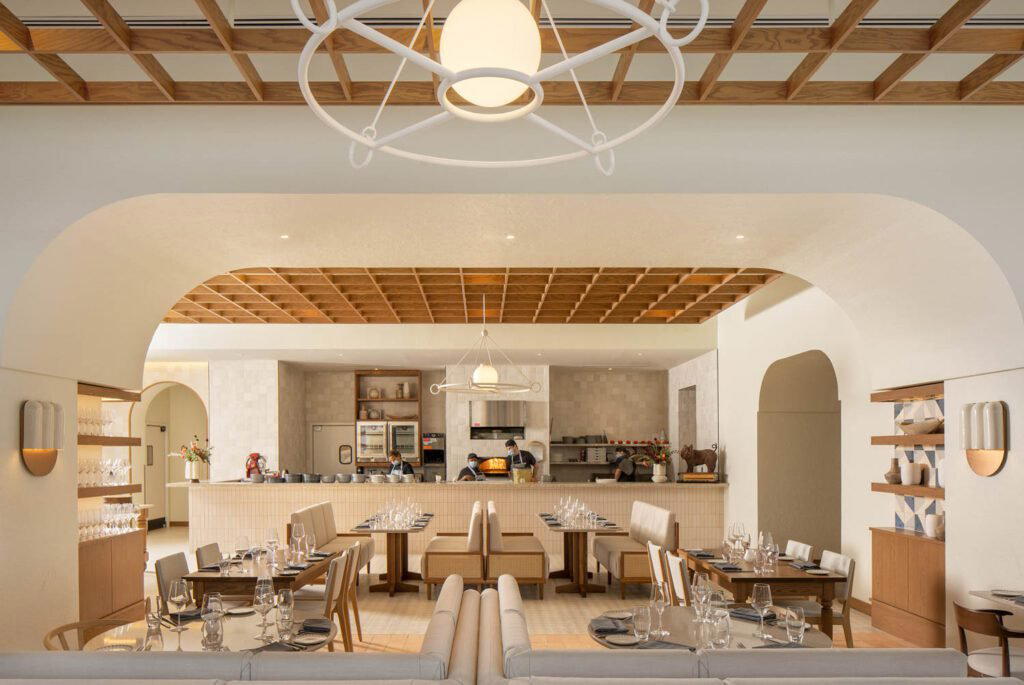
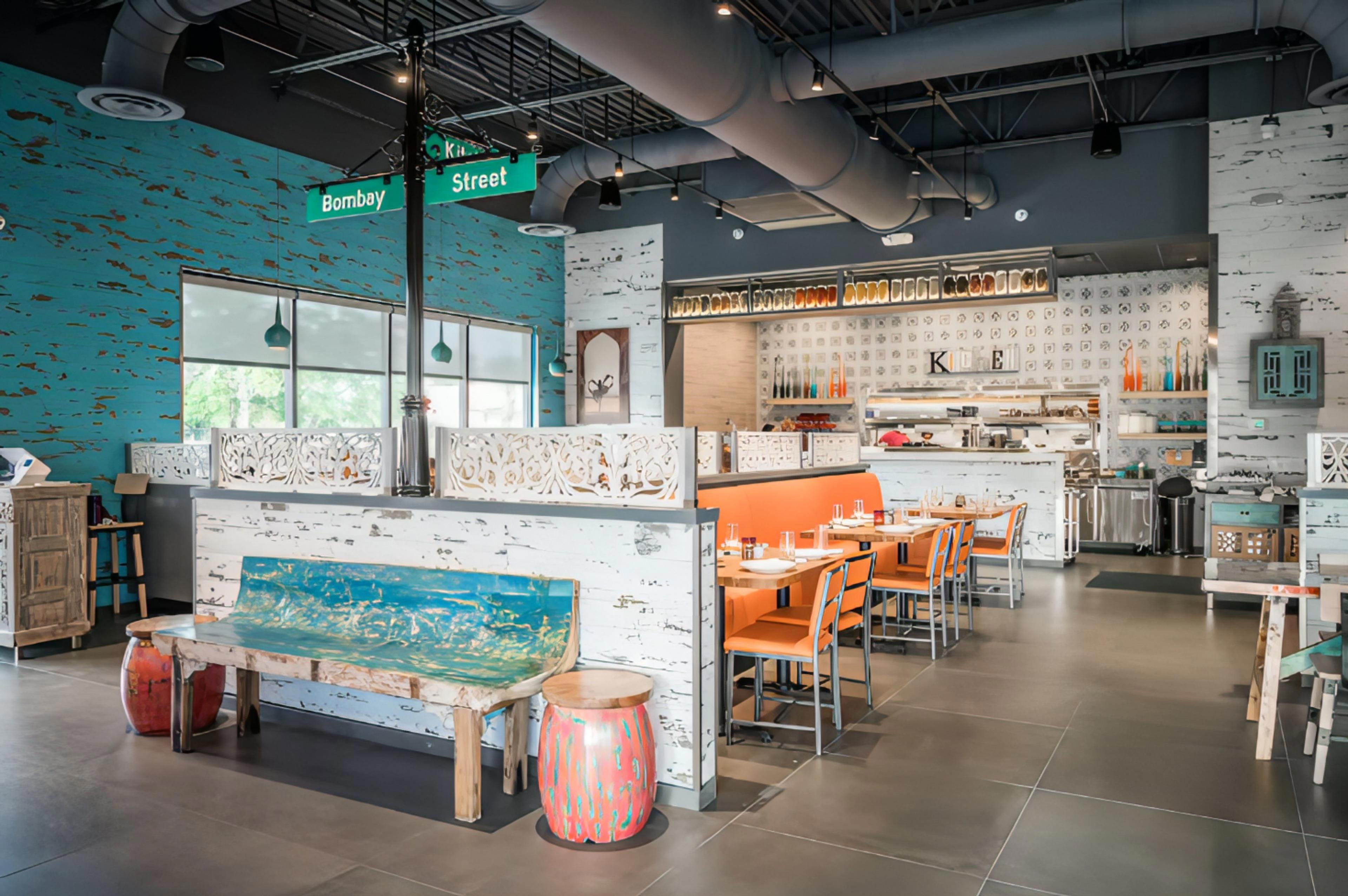
Bars in Orlando
All bars in Orlando →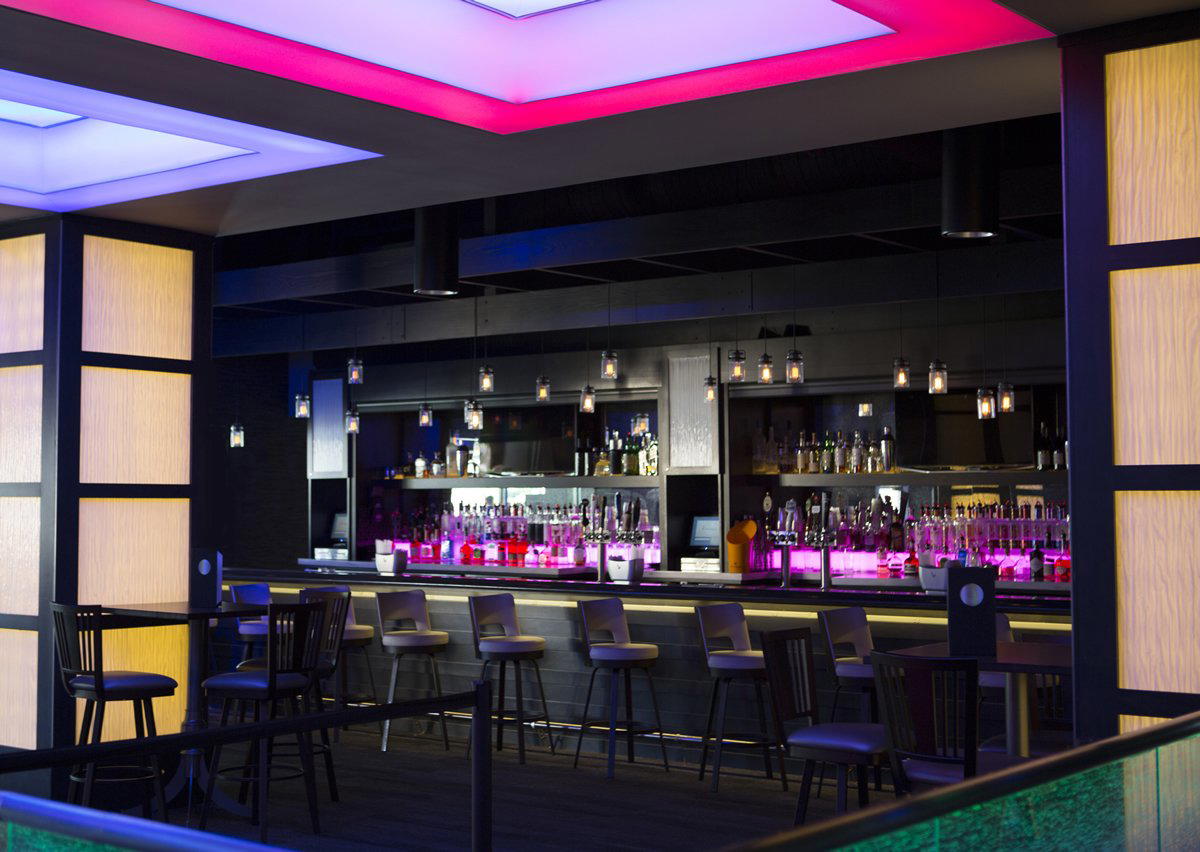
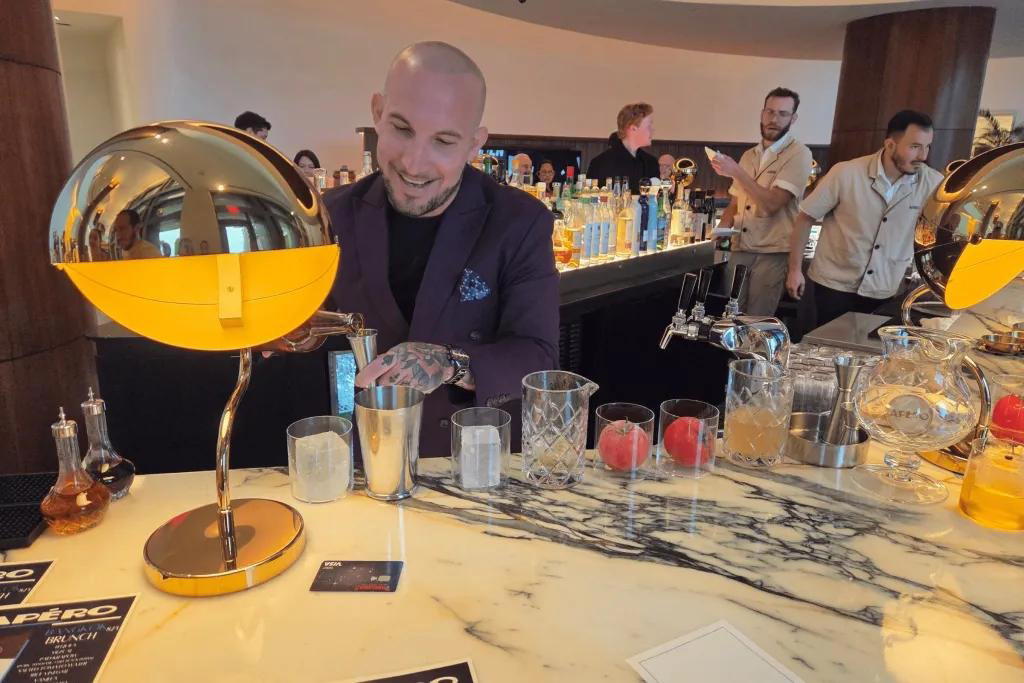


Details
- Intimate
- Elegant
- Modern
- Sophisticated
- Date Night
- Special Occasion
- Celebration
- Solo
- Business Dinner
- Chefs Counter
- Open Kitchen
- Standalone
- Design Destination
- Sake Program
- Sustainable Seafood
- Tasting Menu
- A La Carte
- Counter Dining
- Tea
- Soft Drinks
- Sake
- Pescatarian Friendly
Current opening hours
- Monday
- Closed
- Tuesday
- Closed
- Wednesday
- 5–10 pm
- Thursday
- 5–10 pm
- Friday
- 5–10 pm
- Saturday
- 5–10 pm
- Sunday
- 5–10 pm
Hours can change for holidays and private events. Hours as of .
An intimate 30-seat Japanese kappo-style restaurant with a 12-seat chef’s counter where guests watch meticulous knife work and cooking up close, creating a relaxed but refined tasting experience focused on craft and seasonality.