Irori Sushi
Irori Sushi occupies a suite-level address on Glencoe Avenue in Marina del Rey, positioning it within a coastal dining corridor that runs a wider range than most visitors expect. The surrounding neighborhood draws a local crowd rather than a tourist one, which shapes both the pace and the expectations at the counter. It represents the quieter, neighborhood-scale end of the westside Los Angeles sushi scene.
Pearl is the En Primeur Club membership app — saves, bookings, and concierge access live there. Same editors, same standards.
- Address
- 4371 Glencoe Ave Suite B4, Marina Del Rey, CA 90292
- Phone
- +13108223700
- Website
- irorisushi.com
- Directions
- Get directions
 Saves & bookings on Pearl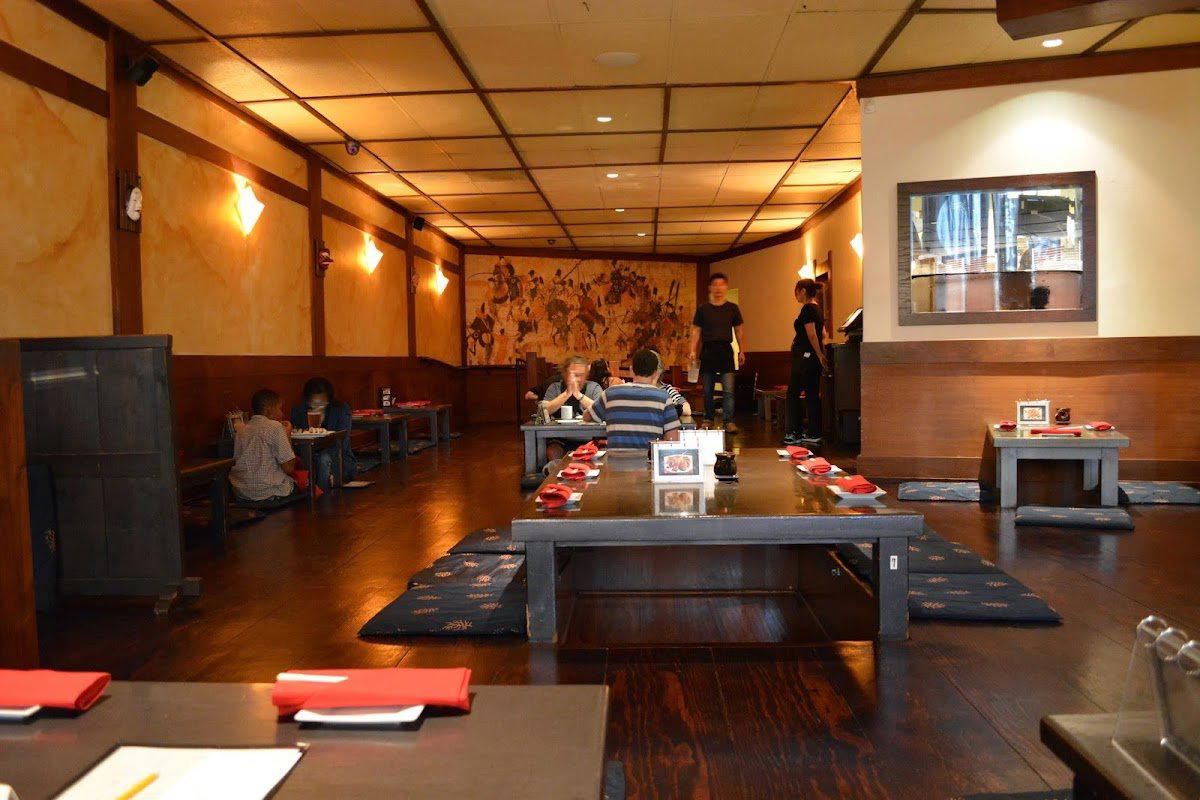
Marina del Rey's Sushi Scene and Where Irori Fits
The westside Los Angeles sushi corridor runs from Santa Monica down through Venice and into Marina del Rey, and at each point along that stretch the format and the clientele shift. Santa Monica's closer to the tourist-facing end; Marina del Rey, with its mix of marina residents, boating professionals, and Playa Vista workers spilling south, tends to support the kind of neighborhood-scale sushi that doesn't need to announce itself. Irori Sushi, at 4371 Glencoe Ave in Suite B4, is part of that quieter register. The Glencoe Avenue address sits inland from the marina basin itself, in a low-rise commercial strip that serves the surrounding residential density rather than the waterfront visitor. That placement matters: it calibrates the experience toward regulars over first-timers, and toward the kind of steady weeknight business that keeps a sushi counter viable in an expensive market.
Los Angeles's sushi infrastructure is deeper and more varied than most American cities. At the leading sits a cluster of omakase-only counters in West Hollywood, Beverly Hills, and the Fairfax corridor that price in the same range as comparable counters in Tokyo's Ginza. Below that, a broad mid-tier supports everything from conveyor formats to eight-seat chef's-choice rooms. Marina del Rey sits mostly in that mid-to-lower tier by geography and clientele, though individual operators within the area can punch above the neighborhood average. The question any neighborhood sushi spot in this market faces is what it does differently from the dozens of similar addresses spread across the westside. For venues in the Glencoe corridor specifically, proximity to the daily working population of Marina del Rey's office parks gives them a lunchtime and early-dinner business that tourist-adjacent venues don't reliably see.
What the Glencoe Avenue Address Signals
Suite-level addresses in low-rise Marina del Rey commercial buildings are a specific category of Los Angeles dining real estate. They're cheaper to operate than street-front locations in Santa Monica or Venice, which means operators can run leaner or invest more in product. The trade-off is discoverability: you find these places because someone tells you about them, not because you walk past and decide to stop in. That self-selection tends to produce a room where most people already know what they're there for, which changes the texture of service. For sushi specifically, this format has a precedent in the Sawtelle corridor further north, where some of the westside's more focused fish-forward spots occupy similar back-suite positions. Marina del Rey's version of that pattern is smaller in volume and less well-documented than Sawtelle, but the underlying logic is the same: lower overhead, more repeat business, less reliance on the walk-in economy.
The restaurant dining scene on Marina del Rey's Glencoe strip includes a range of options for the same local audience. Barbianca addresses the Italian side of the corridor's appetite, while Cast & Plow operates a more produce-forward California format. Akbar Cuisine Of India has held a steady position in the neighborhood's dining rotation for years, and HiHo Cheeseburger and J Nichols Kitchen round out the more casual end of the strip. Within that set, a sushi counter occupies a distinct niche: it's the format most dependent on product quality and least forgiving of inconsistency, which is partly why neighborhood sushi tends to either build a strong repeat clientele or turn over quickly. The ones that last tend to do so because residents trust them with the kind of regular, unplanned dinner that doesn't require a reservation made two weeks in advance.
Sushi Format and the Neighborhood Counter Tradition
Japanese sushi culture in Los Angeles has always operated on multiple tracks simultaneously. The omakase-only counter with a multi-week waitlist represents one end of the spectrum; venues like Atomix in New York City or the tasting-menu format seen at Lazy Bear in San Francisco represent the broader high-formality end of that tradition. But the neighborhood counter, where a diner can sit at the bar and order à la carte through the evening, is a different and arguably more durable format. It requires less planning from the diner and more day-to-day consistency from the kitchen, and it serves a different social function: it's where you go when you want good fish without the commitment of a prix-fixe event. In Los Angeles specifically, this format proliferated in the 1980s and 1990s as Japanese-American communities and their neighbors built a sushi culture that was casual by Tokyo standards but genuinely skilled by the standards of any other American city. That legacy is what makes a neighborhood sushi counter on Glencoe Avenue legible: it belongs to a category with a long and specific local history.
The calibration of quality at this tier of the Los Angeles sushi market is worth understanding. At the omakase end, venues comparable to Le Bernardin in New York City or The French Laundry in Napa in their formality and price positioning set the ceiling. Providence in Los Angeles represents the seafood-focused fine-dining adjacent to that tier locally. The neighborhood counter operates well below that in price and formality, but the fish supply chain in Los Angeles is good enough that the gap in raw material quality is smaller than it would be in most other American cities. That supply-chain reality benefits every sushi operator in the region, regardless of their price point.
Planning a Visit
Irori Sushi's Glencoe Avenue location is accessible from the 90 freeway and sits within the broader Marina del Rey commercial zone, making it a practical option for anyone based on the westside or passing through for work or leisure. Parking in the surrounding commercial strip is generally available, which is a practical advantage over busier Santa Monica corridors. For a broader picture of what Marina del Rey offers across formats and price points, the EP Club Marina del Rey restaurants guide maps the full range, from quick-service to more considered sit-down options, across the neighborhood's distinct commercial corridors.
Continue exploring
More in Marina del Rey
Restaurants in Marina del Rey
Browse all →
Bars in Marina del Rey
Browse all →
Hotels in Marina del Rey
Browse all →
Wineries in Marina del Rey
Browse all →
At a Glance
- Cozy
- Intimate
- Date Night
- Casual Hangout
- Sake Program
Current opening hours
- Monday
- 11:30 AM–10 PM
- Tuesday
- 11:30 AM–10 PM
- Wednesday
- 11:30 AM–10 PM
- Thursday
- 11:30 AM–10 PM
- Friday
- 11:30 AM–11 PM
- Saturday
- 11:30 AM–11 PM
- Sunday
- 11:30 AM–10 PM
Hours can change for holidays and private events. Last verified .
Cozy and inviting traditional Japanese atmosphere with tatami mats, floor seating, and laid-back vibes.
Know Before You Go
- Getting there
- 4371 Glencoe Ave Suite B4, Marina Del Rey, CA 90292