Michelin Plate
Our verdict
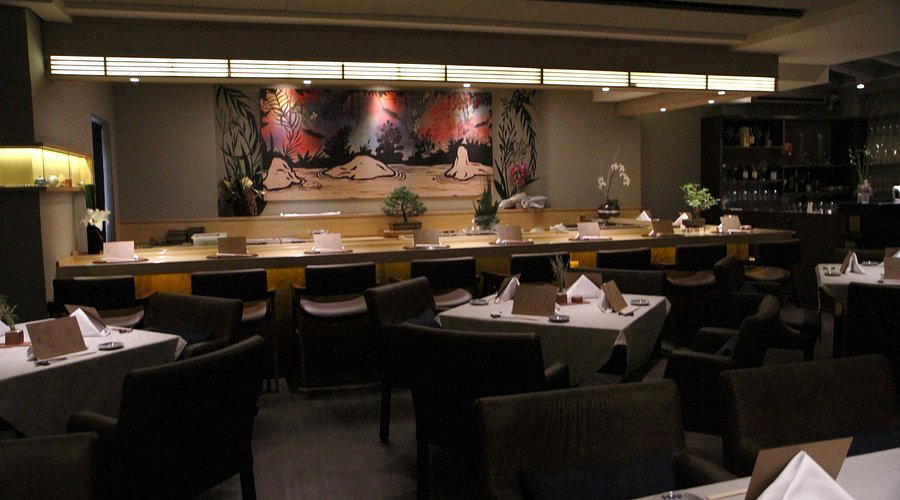
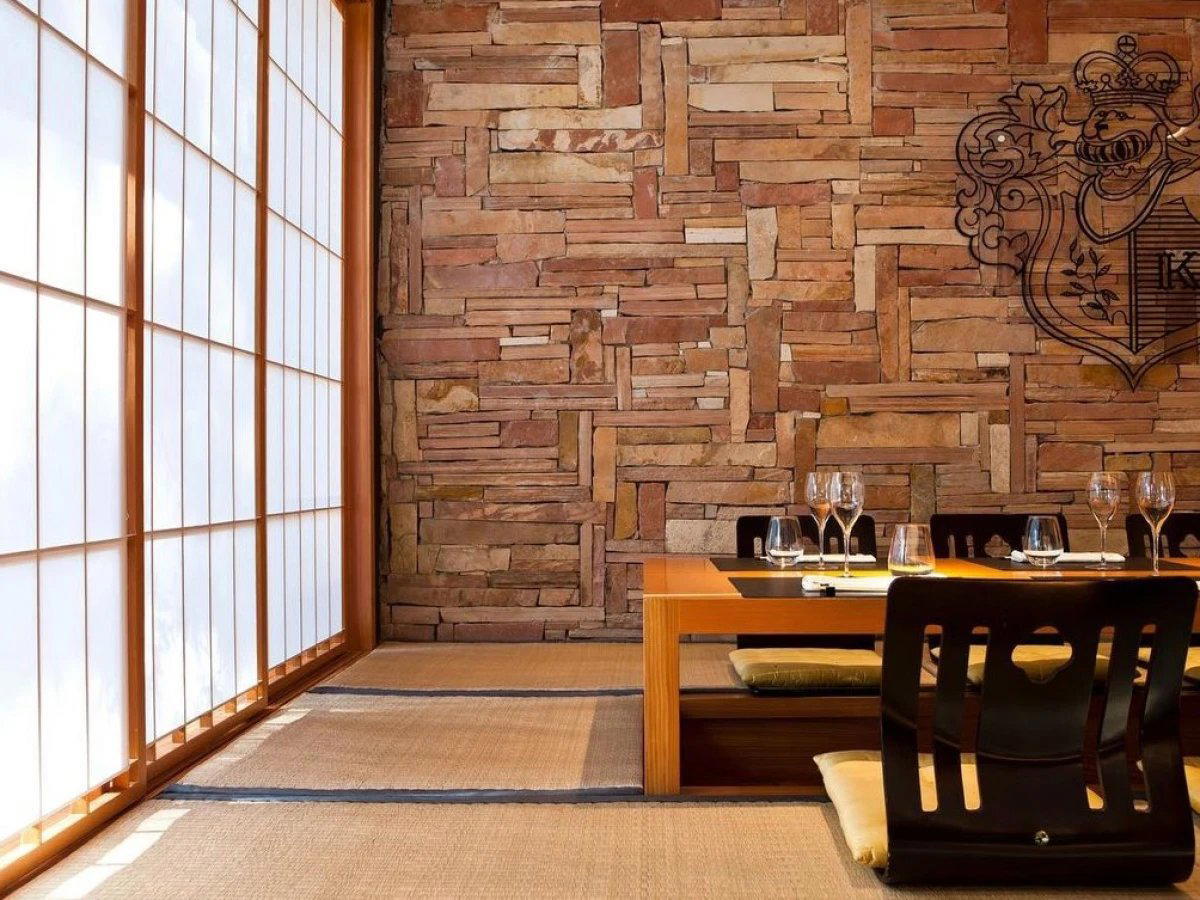
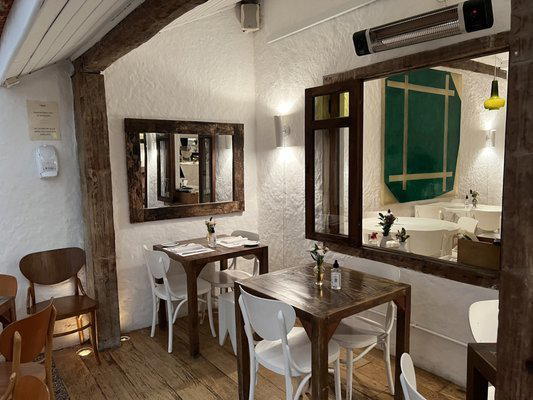
A Michelin Plate-recognised Japanese address in Itaim Bibi, Huto Köhï sits inside São Paulo's most concentrated tier of high-end Japanese dining. The setting is precise, the format serious, and the cooking positions it clearly within a neighbourhood where Japanese cuisine has moved well beyond its immigrant-community origins into a fully articulated fine-dining register.

Pearl is the En Primeur Club membership app, where members save venues, book tables and use the concierge.
The menu
What to order
- Canadian scallops with uni and caviar
- Wagyu carpaccio
Itaim Bibi has, over the past decade, become the address in São Paulo where Japanese cuisine operates at its most ambitious. The neighbourhood's concentration of high-spend restaurants and internationally mobile clientele has created conditions where a Japanese kitchen can sustain the kind of precision format that, elsewhere in the city, would struggle to find its audience.
Where It Sits in the São Paulo Japanese Scene
São Paulo's Japanese-Brazilian community is the largest outside Japan, and its dining culture reflects generations of culinary integration rather than simple importation. What separates the current fine-dining tier from the broader Japanese restaurant scene in the city is a shift toward deliberate format discipline: smaller rooms, controlled pacing, and kitchens that operate with fewer covers and more intent. Huto Köhï, priced at the leading bracket ($$$$), competes within that upper register alongside peers like Huto, Kan Suke, and KANOE. For comparison, Kinoshita and Kuro occupy adjacent positions in the city's Japanese fine-dining map, making Itaim Bibi the logical neighbourhood to read the full range of what São Paulo's Japanese kitchens are doing at the leading end.
The Michelin Plate, introduced to the São Paulo guide as a recognition of kitchens producing cooking of consistent quality without yet reaching star level, functions here as a trust signal: inspectors found the food worth marking, and the 2024 designation means that assessment is current. Michelin Plates are not awarded to all entries in a guide, they signal a kitchen operating with genuine discipline.
The Occasion Case for Huto Köhï
São Paulo's $$$$ Japanese tier is built for exactly the kind of evening that demands a room with structure. The Brazilian dining culture's comfort with long meals and late tables makes a high-end Japanese format, with its measured progression and deliberate pacing, a natural fit for milestone occasions. A birthday dinner, a business dinner where the setting does some of the work, or a celebration that calls for something more composed than a busy bistro: these are the scenarios where the format earns its price point.
Compared to São Paulo's other occasion-dining options at the same price tier, Japanese fine dining carries a particular advantage in neutrality of tone. Modern Brazilian formats like those at D.O.M. or Evvai lean into a specific cultural register that may or may not match the occasion. A well-run Japanese kitchen at the $$$$ level offers a different kind of occasion architecture: the progression is built in, the pacing is managed, and the format itself signals intention without the host needing to engineer the evening.
For visitors to São Paulo who want to benchmark the city's Japanese fine dining against Tokyo's own output, the comparison is instructive. Counters like Myojaku and Azabu Kadowaki in Tokyo represent the global reference point for Japanese precision dining. São Paulo's top tier does not replicate that exactly, the sourcing context, the cultural synthesis, and the clientele differ, but the aspiration operates in the same direction, and Huto Köhï's Michelin recognition places it within a group that is taken seriously by the same critical infrastructure.
Itaim Bibi as a Dining Address
The address on Rua Leopoldo Couto Magalhães Júnior places Huto Köhï in the heart of Itaim Bibi's restaurant corridor. The street is walkable between venues, which matters for occasions that involve a pre-dinner drink or a post-dinner pause. Itaim's density of quality bars, wine-focused rooms, and late-night addresses means that a dinner here can extend naturally into a full evening without requiring transit. For those planning around the full São Paulo dining and bar scene, our full São Paulo bars guide maps the neighbourhood's leading options alongside the restaurant tier.
The neighbourhood operates at a price level that self-selects for a particular type of evening. Tables at the $$$$ tier here attract a mix of São Paulo's business community, international visitors staying in the corporate hotels nearby, and local residents who use the neighbourhood's restaurants as their primary fine-dining circuit. That combination produces a room with a specific energy: professionally managed, internationally fluent, and focused on the meal rather than on spectacle.
Brazil's Broader Fine-Dining Context
Huto Köhï's positioning makes more sense when read against the wider map of serious Brazilian dining. Outside São Paulo, the restaurant scene fragments significantly in terms of Japanese influence. Lasai in Rio de Janeiro operates in a completely different register, modern tasting menu, Brazilian produce focus. Addresses like Manga in Salvador, Manu in Curitiba, Mina in Campos do Jordão, and Orixás in Itacaré each anchor their respective cities but work within entirely different culinary languages. Even Castelo Saint Andrews in Gramado reflects the European-immigrant south rather than the Japanese-Brazilian synthesis that defines São Paulo's distinctive contribution to the country's dining culture. For Japanese fine dining at this level, São Paulo is the only Brazilian city where the infrastructure, the produce networks, the trained kitchen labour, the clientele willing to pay at the $$$$ tier, actually exists.
Planning a Visit
Huto Köhï sits at R. Leopoldo Couto Magalhães Júnior, 741, in Itaim Bibi, São Paulo. At the $$$$ price point, the evening should be planned with the expectation of a full-format dinner rather than a quick meal. Itaim Bibi is well-served by rideshare from most São Paulo hotel zones, and the neighbourhood's density means arriving slightly early to explore the street is worth the time. For those assembling a full São Paulo itinerary, our full São Paulo restaurants guide, hotels guide, wineries guide, and experiences guide cover the wider city at the same editorial standard.
What Should I Eat at Huto Köhï?
Huto Köhï is a Japanese kitchen operating at the $$$$ tier with a 2024 Michelin Plate, which means the kitchen has been assessed as producing food of consistent quality. In the context of São Paulo's high-end Japanese scene, the expectation at this price and recognition level is a kitchen working with care around Japanese culinary techniques and, likely, produce that reflects both imported Japanese standards and Brazil's own exceptional ingredient base. Specific dish-level guidance requires a verified source, and none is available here; the most reliable approach is to trust the format and allow the kitchen's progression to drive the meal rather than arriving with a fixed expectation of specific items.
Frequently asked questions
Has Huto Köhï won any awards?
Huto Köhï has received recognition including: Michelin Plate (2024).
What should I eat at Huto Köhï?
Huto Köhï operates as a Japanese kitchen at the $$$$ tier, and the 2024 Michelin Plate confirms the kitchen meets a consistent standard of cooking. At this price point in São Paulo's Japanese dining scene, the menu will reflect considered technique rather than volume, so ordering across courses rather than selecting individual items typically gives a clearer picture of what the kitchen does. Specific dishes and seasonal offerings are best confirmed directly with the venue before your visit.
How much does it cost to eat at Huto Köhï?
Pricing at Huto Köhï is listed as $$$$.
In Context: Similar Options
Comparable venues nearby, for context on price, style, and recognition.
| Venue | Cuisine | Price | Awards | Notes |
|---|---|---|---|---|
| Huto KöhïThis venue (the venue you are viewing) | Modern Japanese Omakase | Not listed | Michelin Plate | Not listed |
| Aya Japanese Cuisine | Modern Japanese Omakase | Not listed | Michelin Plate | Pinheiros |
| Huto Campo Belo | Modern Japanese Izakaya with Robata | $100–150 | Michelin Plate | Moema |
| JAM Itaim | Modern Japanese Omakase & Sushi | $50–100 | Not listed | Itaim Bibi |
| By Koji | Japanese Sushi and Seafood | Not listed | Not listed | Morumbi |
| Kubo Zushi | Traditional Japanese Edomae Sushi | Not listed | Michelin Plate | Alto de Pinheiros |
Recognition history
Dated appearances from independent guides and award organizations, with the underlying list record or original source where available.
Michelin Plate
Michelin