Don Fadrique



Don Fadrique sits on the Salamanca road outside Alba de Tormes and earns its Michelin Plate recognition through a kitchen that treats seasonal produce and regional tradition as the same argument. Two tasting menus, one rooted in memory, one in creative instinct, run alongside a flexible à la carte that includes half portions. For Castilian cooking taken seriously, this is a credible address at a mid-range price point.
Pearl is the En Primeur Club membership app — saves, bookings, and concierge access live there. Same editors, same standards.
- Address
- CTRA.SALAMANCA-ALBA DE TORMES KM.17, 37800 Alba de Tormes, Salamanca, Spain
- Phone
- +34 923 37 00 76
- Website
- donfadrique.com
- Directions
- Get directions
 Saves & bookings on Pearl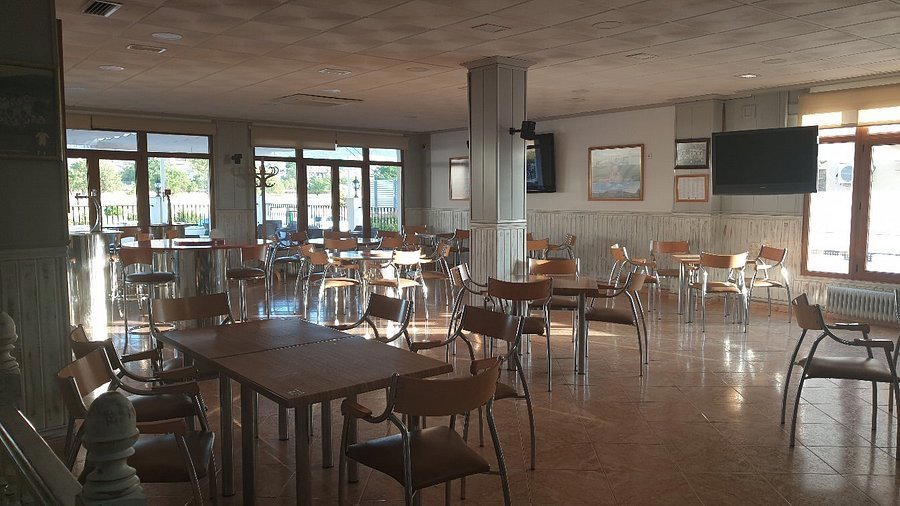
Where the Castilian Pantry Takes Centre Stage
The road between Salamanca and Alba de Tormes runs through some of the flattest agricultural land in western Spain. By kilometre 17, the city noise has fully dissolved. Don Fadrique sits here, on that route, not tucked into a historic quarter but positioned where the ingredients it depends on actually come from. That geography is not incidental. Castilian cooking has always drawn its logic from proximity: the livestock, the legumes, the river fish, the seasonal game that pass through this corridor long before they reach city markets. A restaurant this far into the landscape is, in a real sense, closer to its sourcing than any urban counterpart could be.
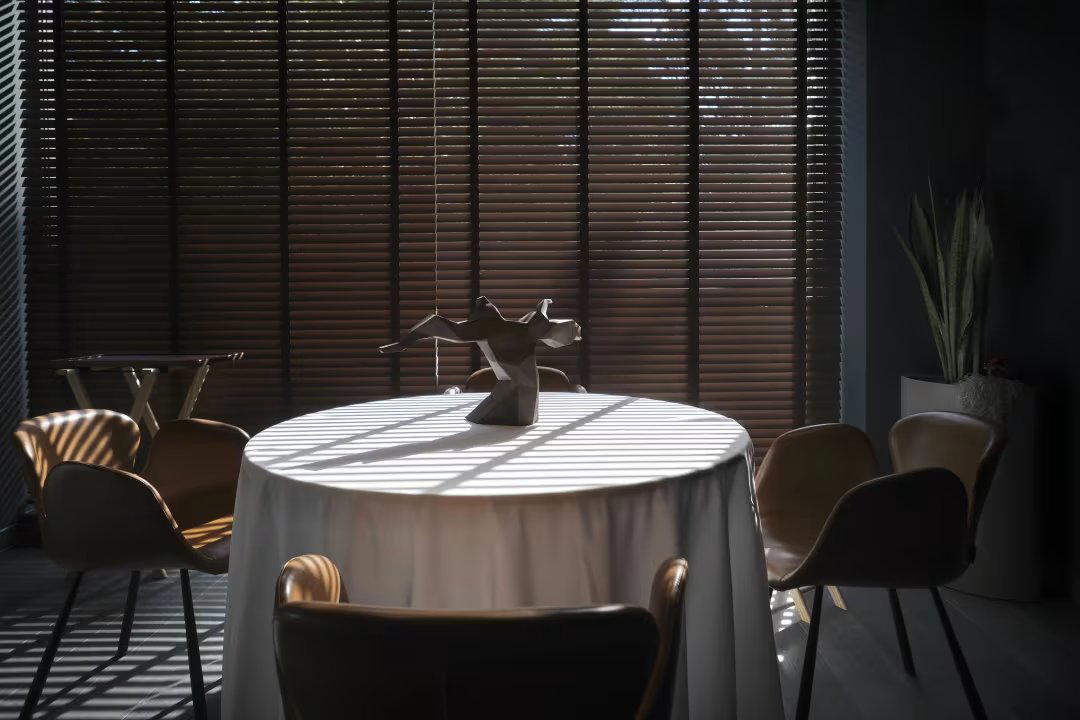
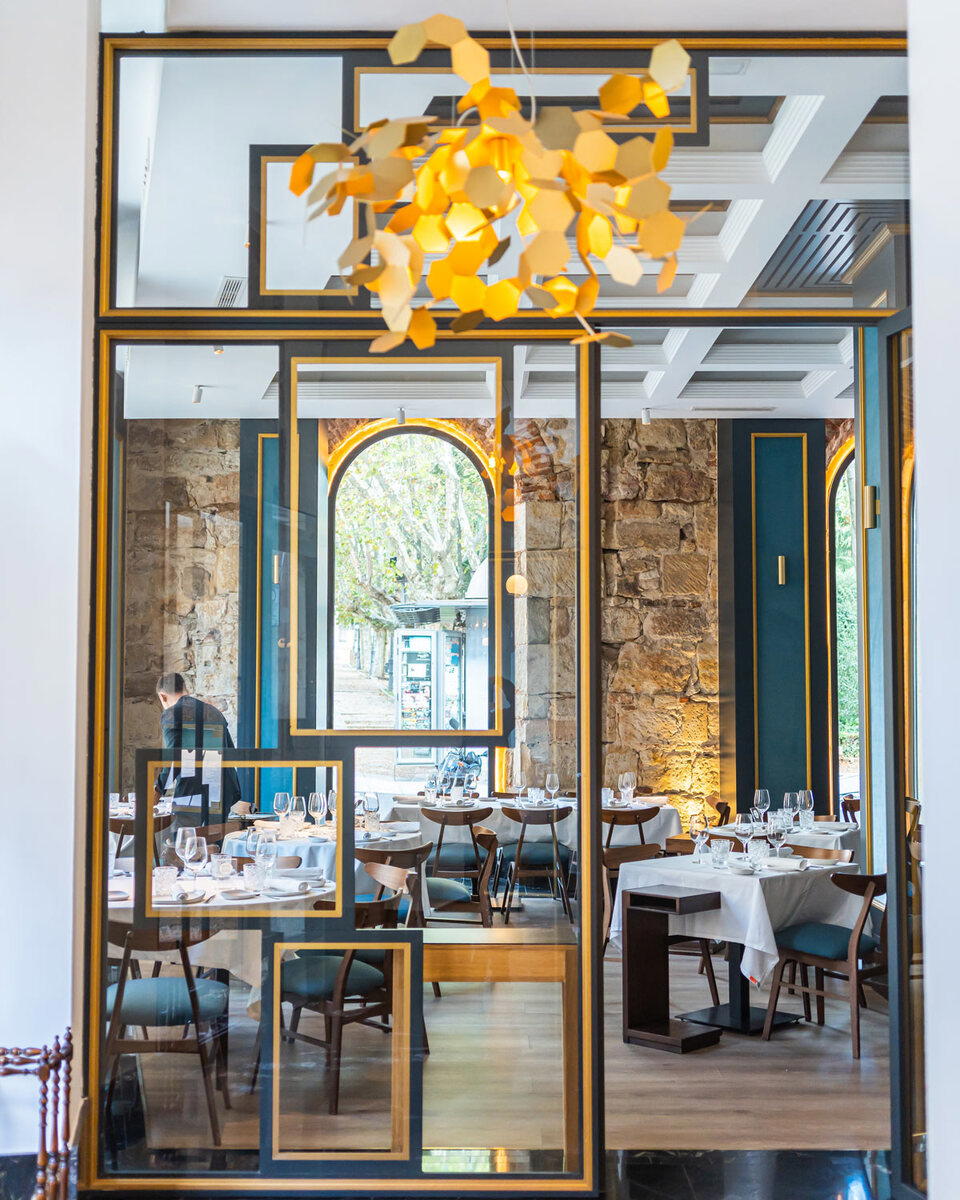
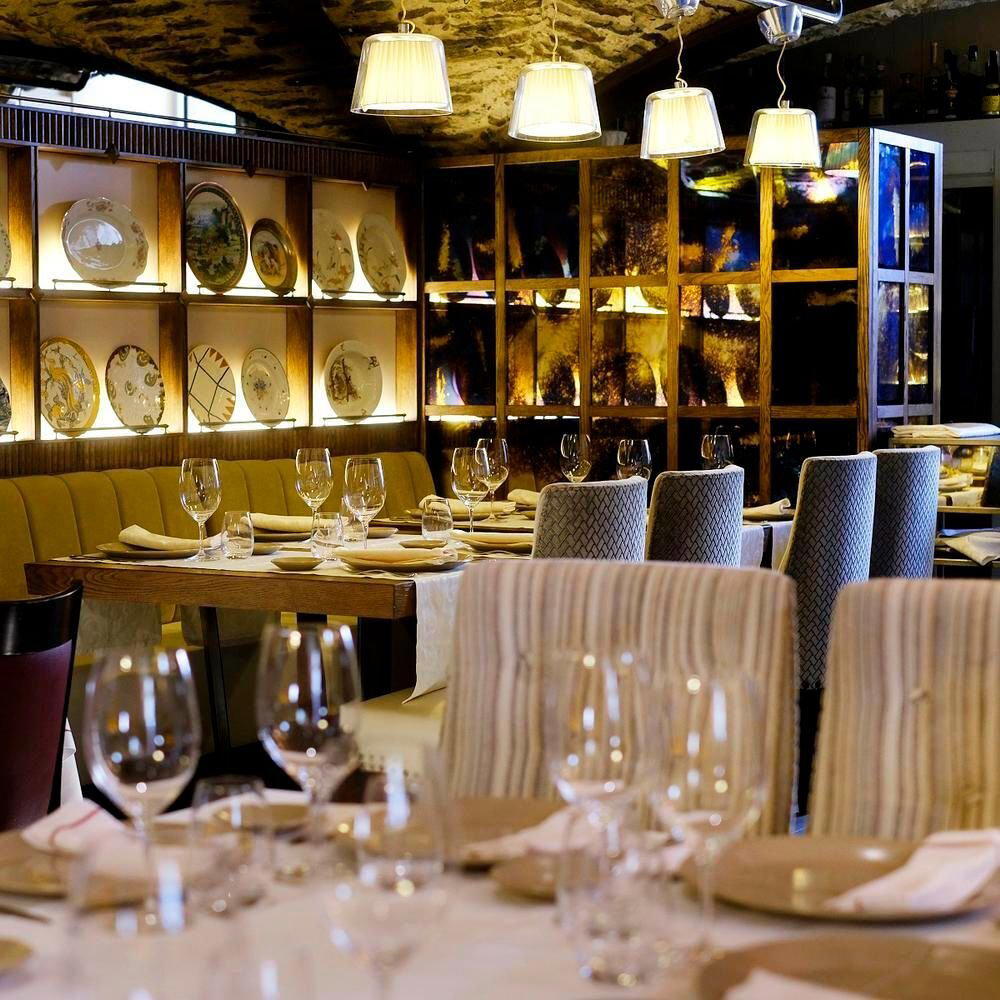
Inside, the tone is composed rather than theatrical. This is the quiet register of a kitchen that has decided the produce is the point, and that the room's job is to get out of the way. Michelin's Plate recognition, held across both 2024 and 2025, reflects exactly that kind of sustained discipline, not a single bravura performance, but consistent, competent cooking that earns its place on a credible list. For context on where the Plate sits in Spain's broader fine-dining structure, consider that the country's three-star houses, Arzak in San Sebastián, Azurmendi in Larrabetzu, DiverXO in Madrid, El Celler de Can Roca in Girona, Aponiente in El Puerto de Santa María, operate at a scale and price point that puts them in a different category entirely. The Plate tier is where kitchens like Don Fadrique live: honest, seasonal, regionally anchored, and priced at €€ rather than the €€€€ of their more decorated peers.
Two Menus, One Larder
The kitchen structures its offer around two philosophies that are, in practice, two readings of the same Castilian ingredient base. Sabor de la Memoria is the more traditional route, grilled fish and meat handled with restraint, quality ingredients presented without disguise. Instinto runs in a more personal direction, giving the chef room to work with that same larder but without the obligation of familiarity. Both menus are seasonal by design, which means what arrives at the table in autumn reads differently from what the kitchen sends out in late spring. Instinto requires advance booking, a practical signal that the kitchen is committing real preparation to it.
The à la carte runs alongside both menus and includes half portions, a format with real utility in this part of Spain, where the instinct is to eat across several courses rather than commit to a single large plate. Spain's traditional cooking culture has always favoured that lateral approach: a table shared between friends, each dish arriving as part of a longer conversation. Half portions make that possible without forcing guests into the full tasting menu structure.
The Sourcing Logic Behind the Plate
Castile and León is one of Spain's most productive agricultural regions: Iberian pork from Salamanca's dehesas, river trout and freshwater fish from the Tormes, legumes and cereals from the meseta, lamb and suckling pig that define the roasting tradition. A kitchen on the Salamanca road is embedded in that supply chain in a way that has less to do with marketing and more to do with logistics. Seasonal produce doesn't travel far to reach this kitchen.
The Michelin editorial notes specifically flag grilled fish and meat as part of the Sabor de la Memoria offer, which places the kitchen firmly in the Castilian mainstream: protein-led, technique-led, with quality of raw material doing much of the work. That approach sits in interesting contrast to the more elaborated style of houses like Mugaritz in Errenteria or Quique Dacosta in Dénia, where ingredient identity is often transformed beyond immediate recognition. Here, the sourcing and the plate read as the same thing.
This isn't a lesser approach, it's a different argument. Tradition-led kitchens that win sustained Michelin recognition, like Atrio in Cáceres, Auga in Gijón, or Auberge Grand'Maison in Mûr-de-Bretagne, demonstrate that the Michelin framework has considerable respect for cooking that knows what it is. Don Fadrique earns its place in that conversation by consistency rather than spectacle.
The Chef at the Counter
The chef presents and serves many of the dishes personally. In practical terms, this compresses the distance between the kitchen's intentions and the diner's understanding of what they're eating. That kind of direct service is more common in smaller operations and in tasting-menu formats where the chef controls pacing and narrative. Its presence here, across both the structured menus and the à la carte, suggests a kitchen where that ownership runs deeper than a choreographed greeting.
For comparison, the same model appears in different price brackets across Spain: at the elaborate three-star level with Cocina Hermanos Torres in Barcelona and Martin Berasategui in Lasarte-Oria, and at more accessible points with houses like Ricard Camarena in València. At the restaurant's price point, it reads as a signal of seriousness rather than showmanship.
Planning a Visit
The restaurant sits on the Salamanca–Alba de Tormes road, at kilometre 17 from Salamanca. The address is CTRA.SALAMANCA-ALBA DE TORMES KM.17, 37800 Alba de Tormes, reached by car. Salamanca city centre is approximately 17 kilometres to the north-west and makes a natural base, with a full range of accommodation options.
Book the Instinto tasting menu in advance, the Michelin record flags that it requires prior reservation. The à la carte and Sabor de la Memoria menu are structured for more flexible access.
Fast Comparison
Comparable venues nearby, for context on price, style, and recognition.
| Venue | Cuisine | Price | Awards | Notes |
|---|---|---|---|---|
| Don FadriqueThis venue — the venue you are viewing | Traditional Spanish | $$ | Michelin Plate | Not listed |
| La Mira de Gredos | Updated Traditional Spanish | $$ | Michelin Plate | Hoyos del Espino |
| Chivo | Traditional Spanish Grill | $$ | Michelin Plate | Morales de Toro |
| I+T | Spanish Tapas | $$ | Michelin Plate | Gran Via |
| Cuzeo | Modern Spanish Game-Focused | $$$ | Michelin Plate | casco antiguo |
| Villena | Modern Spanish Fine Dining | $$$ | Michelin Plate | old city |
Recognition history
Dated appearances from independent guides and award organizations, with the underlying list record or original source where available.
Guía Repsol 1 Sol
Guía Repsol
Macarfi 7.6 Food Rating
Macarfi
Michelin Plate
Michelin
Michelin Plate
Michelin
Michelin Plate
Michelin
Continue exploring
More in Alba de Tormes
Restaurants in Alba de Tormes
Browse all →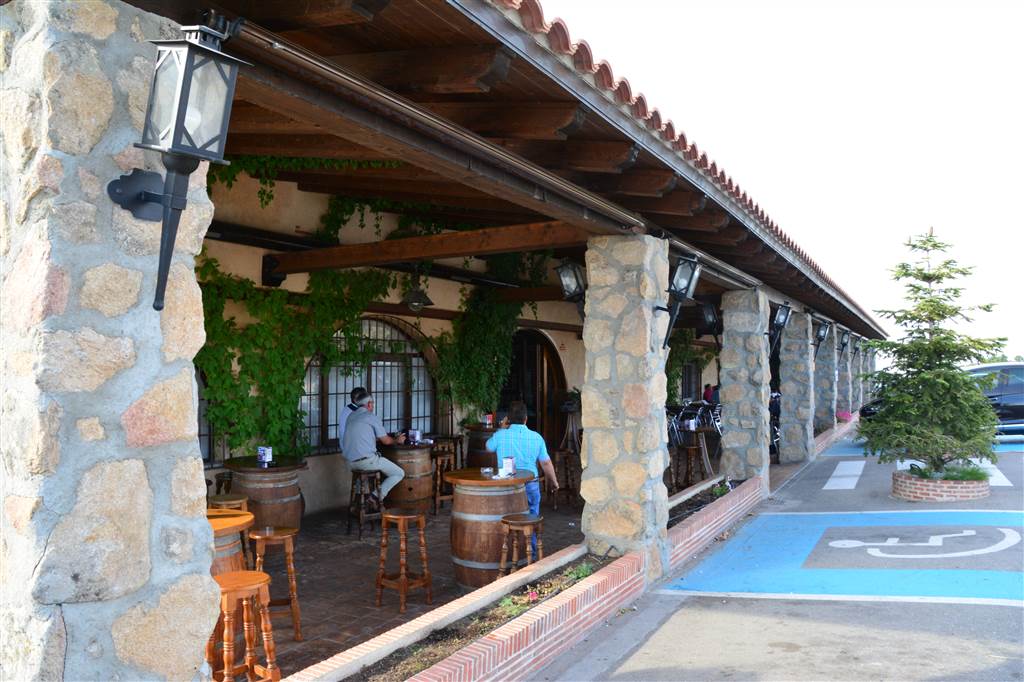
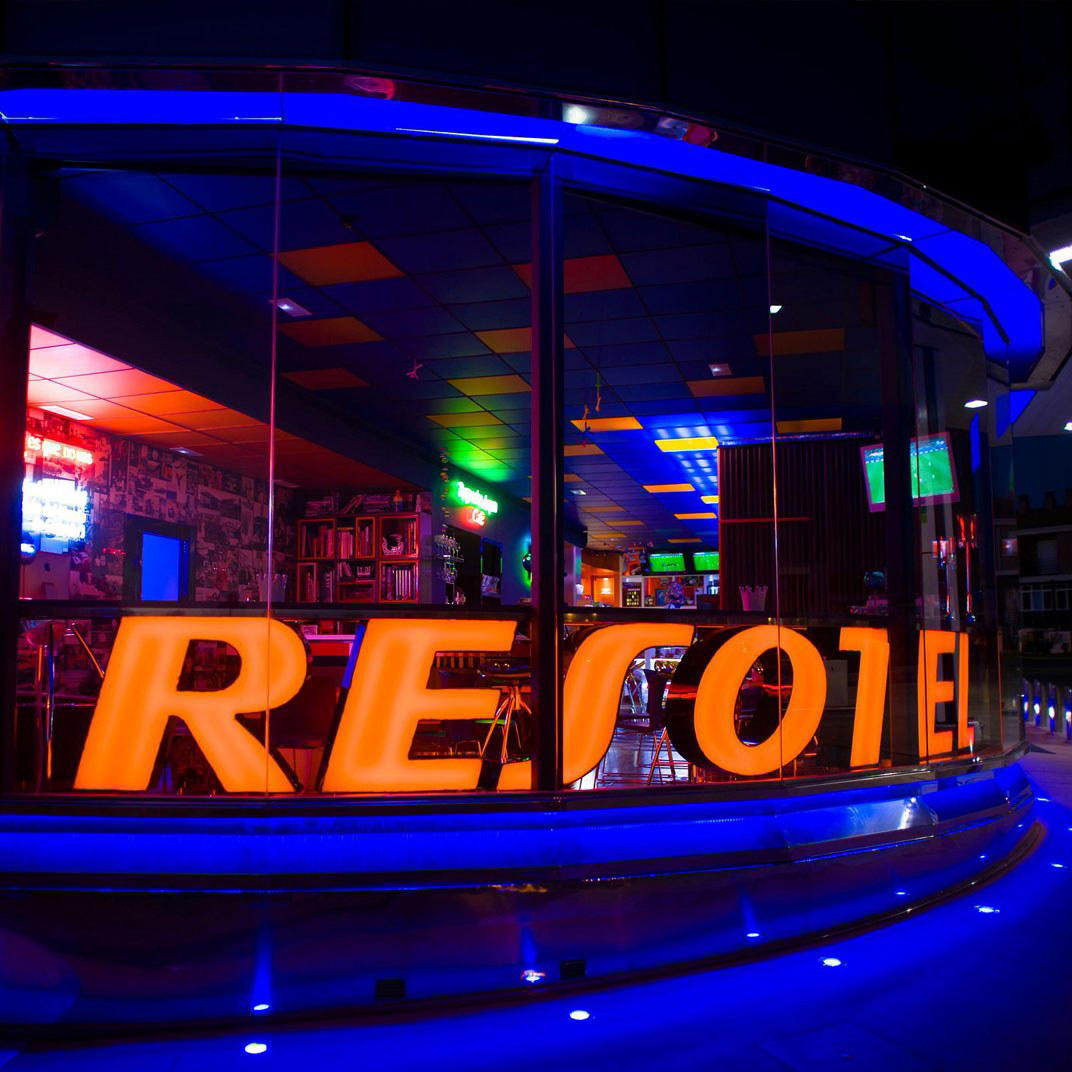
Bars in Alba de Tormes
Browse all →
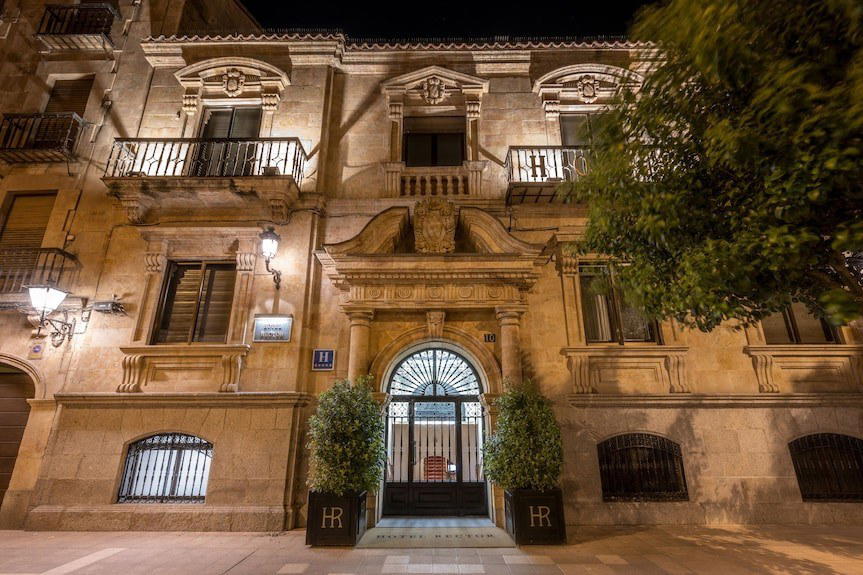
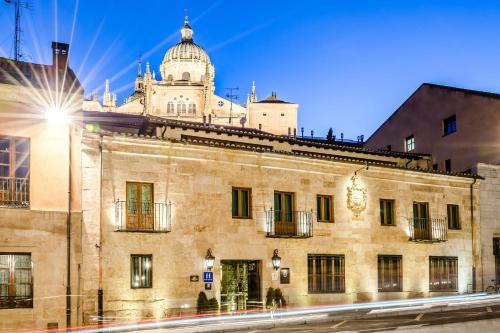
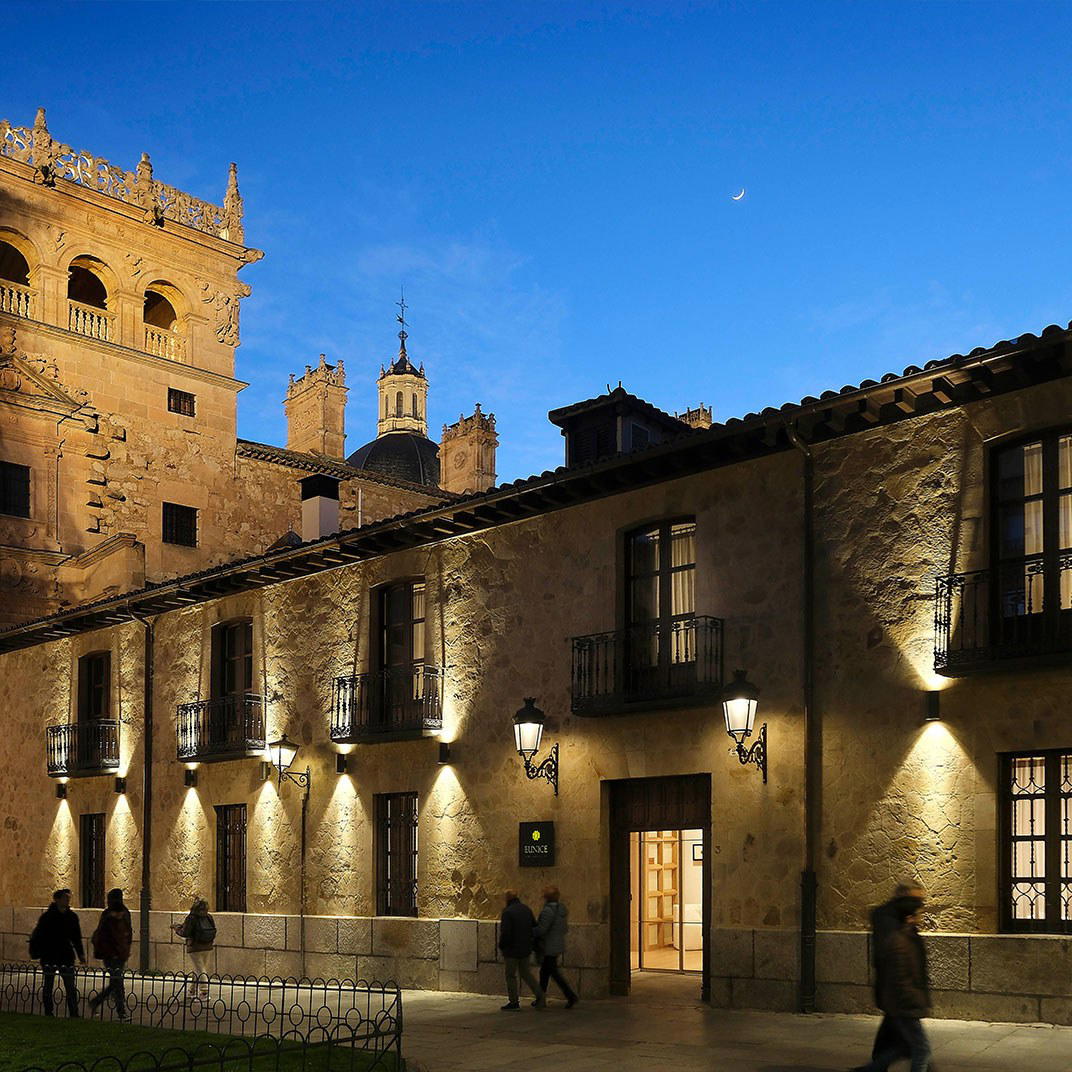
Hotels in Alba de Tormes
Browse all →
Wineries in Alba de Tormes
Browse all →
At a Glance
- Rustic
- Cozy
- Classic
- Special Occasion
- Family
- Terrace
- Open Kitchen
- Extensive Wine List
- Local Sourcing
- Street Scene
Cozy and rustic atmosphere with warm lighting, terrace views, and welcoming service.