
De Xing Guan on Guangdong Road is one of Shanghai's most affordable entry points into traditional Shanghainese cooking, holding consecutive Michelin Plate recognitions in 2024 and 2025. The setting is rooted in the older commercial fabric of Huangpu, and the menu draws on the canon of Shanghai home cooking, braised meats, fermented staples, and seasonal vegetable preparations at a price point that keeps the room local.
Pearl is the En Primeur Club membership app — saves, bookings, and concierge access live there. Same editors, same standards.
- Address
- China, Shanghai, Huangpu, Guangdong Rd, 广东路 邮政编码: 200002
- Phone
- +86 21 6322 3459
- Directions
- Get directions
 Saves & bookings on Pearl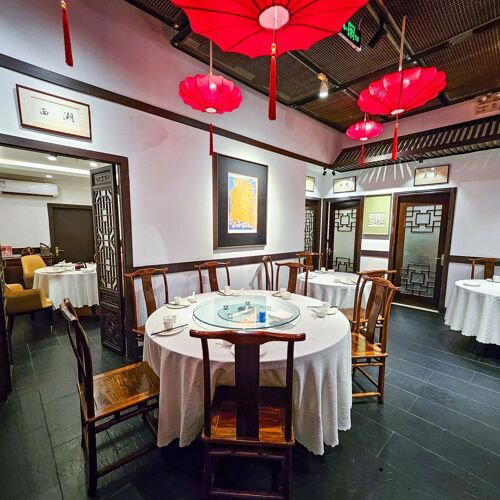
Old Huangpu, Old Flavours
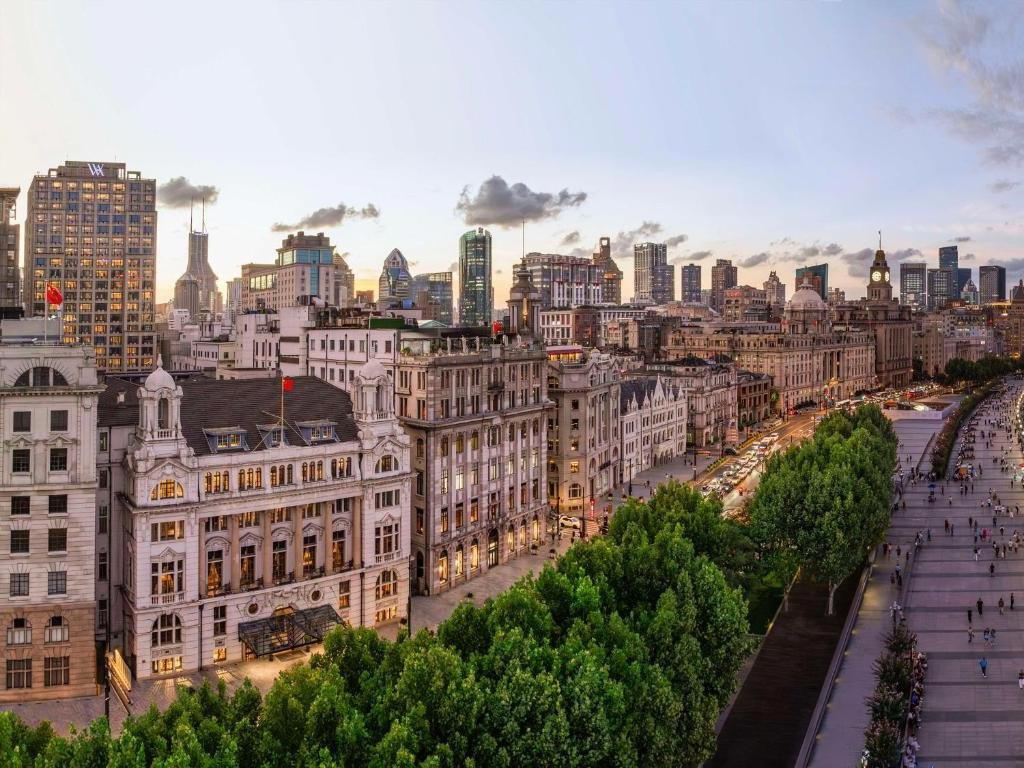
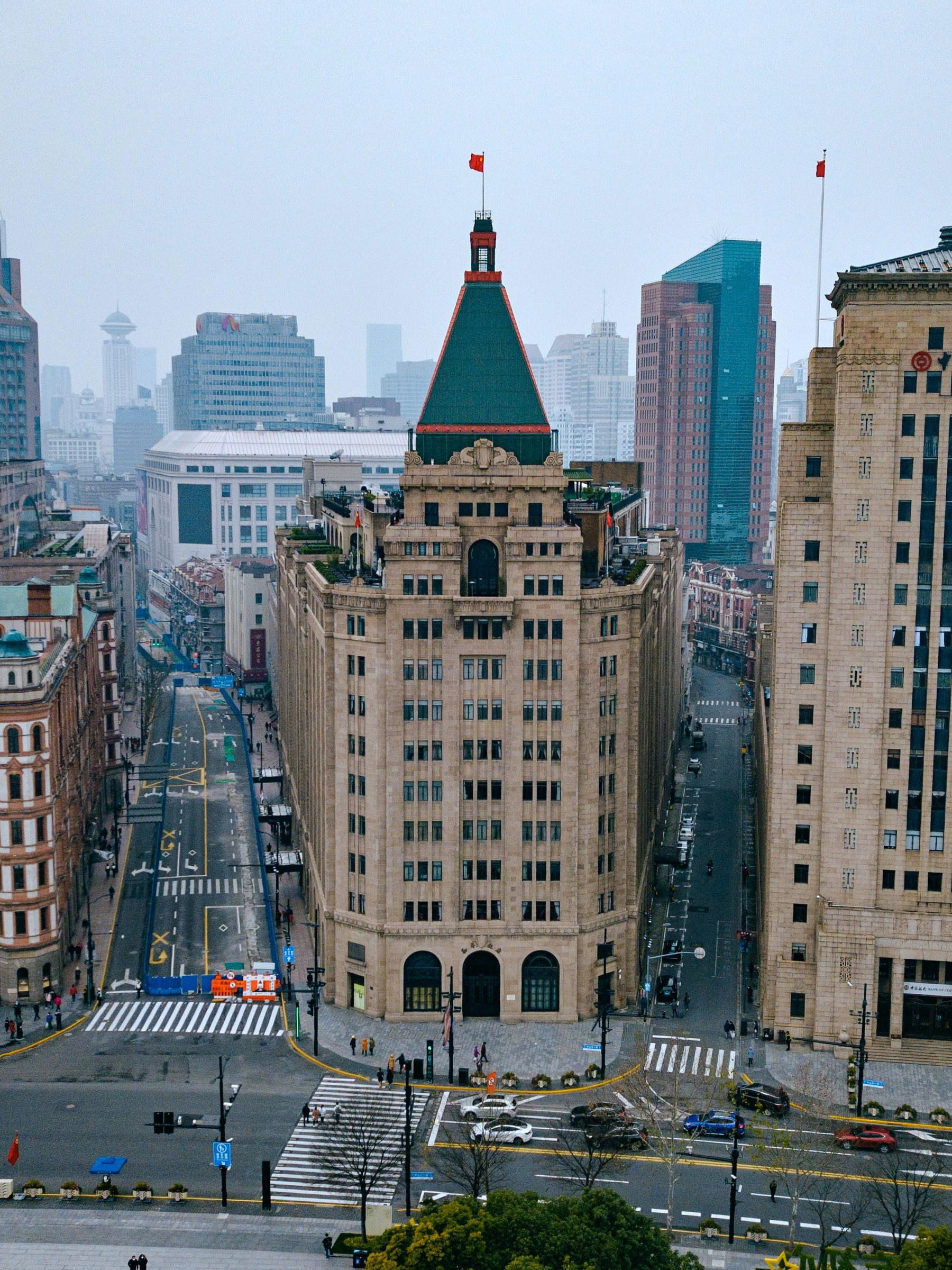
Guangdong Road runs through the older commercial tissue of Huangpu, a district where the architecture still carries traces of the Republican-era city rather than the glassed-over skyline that dominates newer Shanghai. This is not the part of town that international visitors typically prioritise, which is precisely why the Shanghainese restaurants here tend to serve a predominantly local clientele and hold their pricing to a level that reflects what the neighbourhood actually spends. De Xing Guan sits in that context: a canteen-register address that has earned Michelin Plate recognition in 2024 and 2025 without repositioning itself for a premium audience. For a city where Shanghainese cooking has bifurcated sharply between heritage fine-dining rooms, the Fu 1088 tier, and unremarkable neighbourhood spots, a single-¥ address with consecutive Michelin acknowledgements occupies a genuinely specific position.
What a Michelin Plate Actually Signals Here
The Michelin Plate, introduced in recent editions as a marker for restaurants serving food of good quality rather than a star recommendation, functions differently in a city like Shanghai than it does in Paris or Tokyo. In a market where the Michelin Guide has expanded aggressively and the Plate designation covers a wide range of price points and formats, it is less a ceiling than a floor: it indicates that inspectors found the cooking consistent and honest rather than that the restaurant is competing in the starred bracket. At De Xing Guan, that framing matters. The restaurant is not positioned against starred Shanghainese peers such as Fu 1039 or Fu 1015; it occupies the tier below, where the Plate functions as confirmation of reliability rather than as an aspirational signal. Two consecutive years of that recognition, at a ¥ price point, suggests the kitchen is not coasting.
Across Chinese cities, the relationship between low-cost Shanghainese dining and Michelin acknowledgement is complicated. Lao Zheng Xing, one of Shanghai's older Shanghainese institutions, operates in a comparable register. The fact that affordable addresses receive Plate recognition at all reflects a deliberate editorial posture from the Guide in China: the attempt to map the full price spectrum of a cuisine rather than only its premium expression. That profile is consistent with a neighbourhood regular rather than a destination restaurant.
The Lunch-Dinner Divide in Shanghai's Shanghainese Rooms
In Shanghai's traditional Shanghainese restaurants, the gap between lunch and dinner service is more pronounced than in most other Chinese regional cuisines. Lunch tends to be faster, cheaper in effective terms, and dominated by set formats or single-dish orders. Dinner tilts toward multi-dish sharing, longer occupancy, and the kinds of slow-braised preparations, hongshao pork belly, eel with scallion, lion's head meatballs, that need time both in the kitchen and at the table. The rhythm of a Shanghainese lunch is closer to a working canteen than an evening gathering, and the clientele shifts accordingly.
At an address like De Xing Guan, where the price point is already at the low end of the ¥ register, this divide takes on additional significance. Lunch here likely delivers the stronger value case: the speed of service aligns with the format, the dishes that travel well at volume are the ones this kitchen is built to produce, and the Huangpu office and retail crowd provides the throughput that keeps the economics viable. Dinner, by contrast, may feel quieter and slower-paced, which can work in favour of a table that wants to sit longer over Shanghai-style cold cuts and warm rice wine without the pressure of turnover.
For visitors approaching this restaurant as part of a broader Shanghai itinerary, the lunch window is the more reliable entry point. The same logic applies to comparable addresses: Cheng Long Hang (Huangpu), which operates in the same district, reads as a similar lunchtime proposition.
Shanghainese Cooking at the Affordable Register
The canon of Shanghainese cuisine at this price point centres on techniques that are more forgiving of volume than precision-driven cooking: red-braising, smoking, pickling, and the sweet-saline soy profiles that distinguish Shanghai cooking from both the lighter Cantonese tradition and the heat-forward registers of Sichuan. These are dishes built for replication and consistency, exactly the qualities that a neighbourhood canteen needs to sustain across multiple service periods.
This places De Xing Guan in a different competitive conversation from the Shanghainese fine-dining rooms that have attracted international attention. The Fu family of restaurants, Fu 1015, Fu 1039, Fu 1088, represent the heritage-renovation approach to Shanghainese cooking, where historic shikumen architecture, curated service, and higher price tiers create a different proposition. De Xing Guan is the other Shanghai: functional, local, priced for the neighbourhood. Both matter for understanding the full range of the cuisine.
For readers tracking Shanghainese cooking across other cities, the comparison set extends well beyond Shanghai's borders. Shanghai Cuisine in Beijing and Liu Yuan Pavilion in Hong Kong each interpret the tradition in a different urban context, while addresses like Xin Rong Ji in Beijing and Xin Rong Ji in Chengdu show how broader eastern Chinese cooking travels to other regional markets. Further afield, Chef Tam's Seasons in Macau, Imperial Treasure Fine Chinese Cuisine in Guangzhou, Ru Yuan in Hangzhou, and Dai Yuet Heen in Nanjing each sit in the mid-to-high tier of Chinese regional dining, offering contrast to the budget register that De Xing Guan occupies.
Planning a Visit
De Xing Guan is on Guangdong Road in Huangpu, the postal code for the area is 200002, placing it within a short walk of the Bund and the older commercial streets that predate the city's modern retail development. No website or phone listing is recorded in current data, which suggests booking in advance through standard channels may not be direct, walk-in is likely the working approach, which favours the lunch slot when tables turn more quickly. The ¥ price positioning means a full meal with multiple dishes should remain accessible for most travellers.
Cuisine Lens
Comparable venues nearby, for context on price, style, and recognition.
| Venue | Cuisine | Price | Awards | Notes |
|---|---|---|---|---|
| De Xing Guan (Guangdong Road)This venue — the venue you are viewing | Traditional Shanghai Noodles & Dim Sum | $ | Michelin Plate | Not listed |
| Ding Te Le Zhou Mian Guan | Shanghainese Noodle Shop | $ | Michelin Plate | Tianlin R.a. |
| Jia Jia Tang Bao | Shanghai Xiaolongbao | $ | Not listed | Huangpu |
| Lao Xing Xian (Huangpu) | Traditional Shanghainese Seafood | $$ | Michelin Plate | Huangpu |
| Shanghai | Shanghai (Haipai) Cuisine | $$ | Michelin Plate | Huangpu |
| Rongjia Noodles Soup with Yellow Croaker (Jingan) | Yellow Croaker Noodle Soup | $$ | Bib Gourmand | Huangpu |
Recognition history
Dated appearances from independent guides and award organizations, with the underlying list record or original source where available.
Michelin Plate
Michelin
Michelin Plate
Michelin
At a Glance
- Well Known
- Classic
- Lively
- Casual Hangout
- Solo
- Family
- Group Dining
- Historic Building
- Open Kitchen
- Private Dining
Current opening hours
- Monday
- 10 AM–10 PM
- Tuesday
- 10 AM–10 PM
- Wednesday
- 10 AM–10 PM
- Thursday
- 10 AM–10 PM
- Friday
- 10 AM–10 PM
- Saturday
- 10 AM–10 PM
- Sunday
- 10 AM–10 PM
Hours can change for holidays and private events. Last verified .
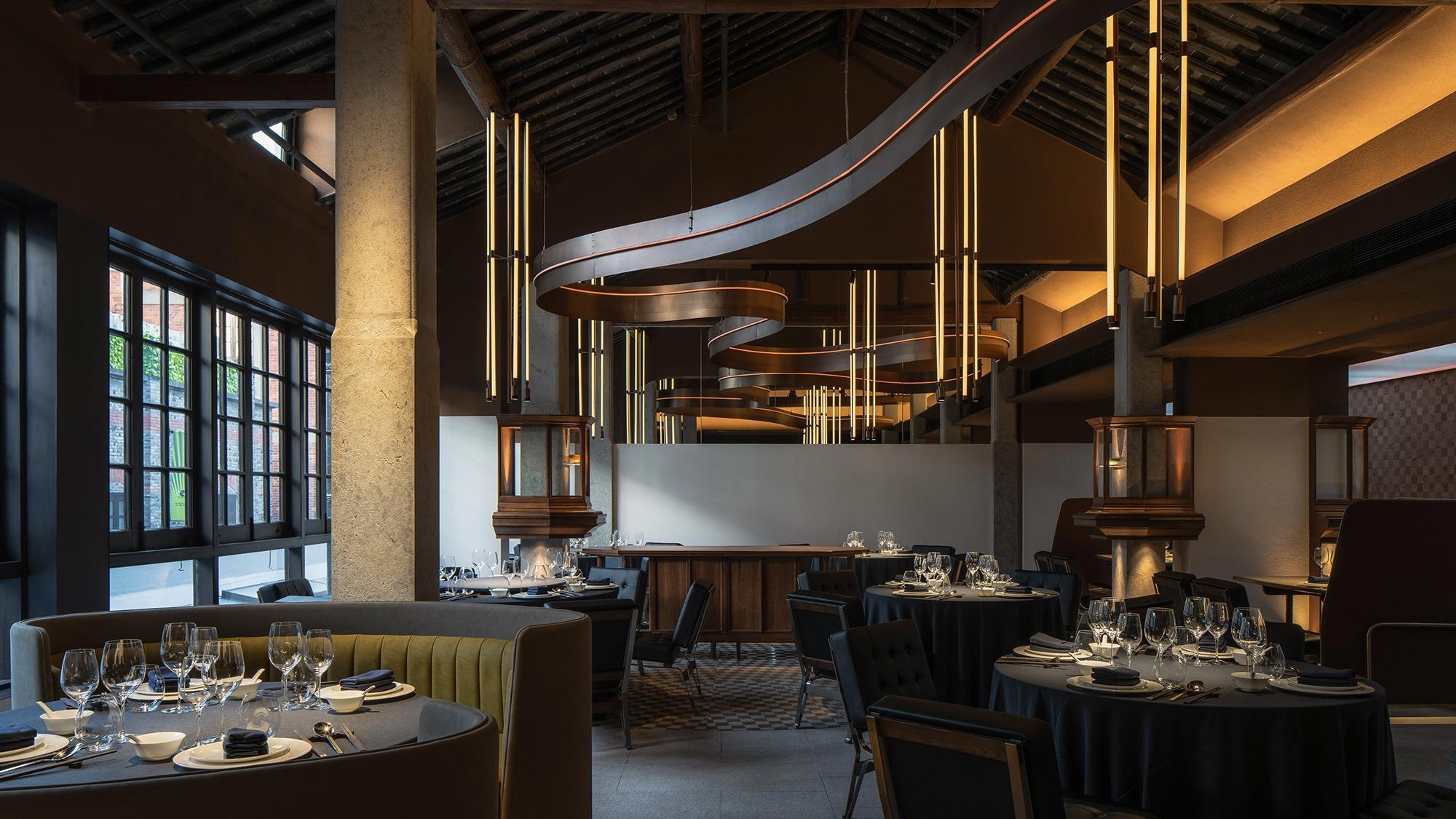
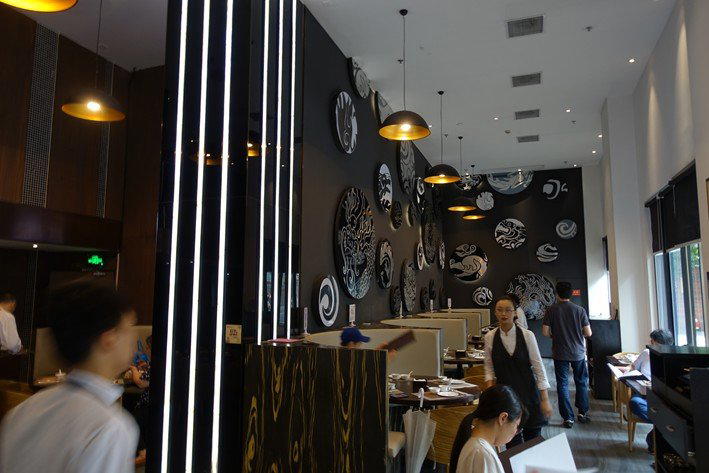
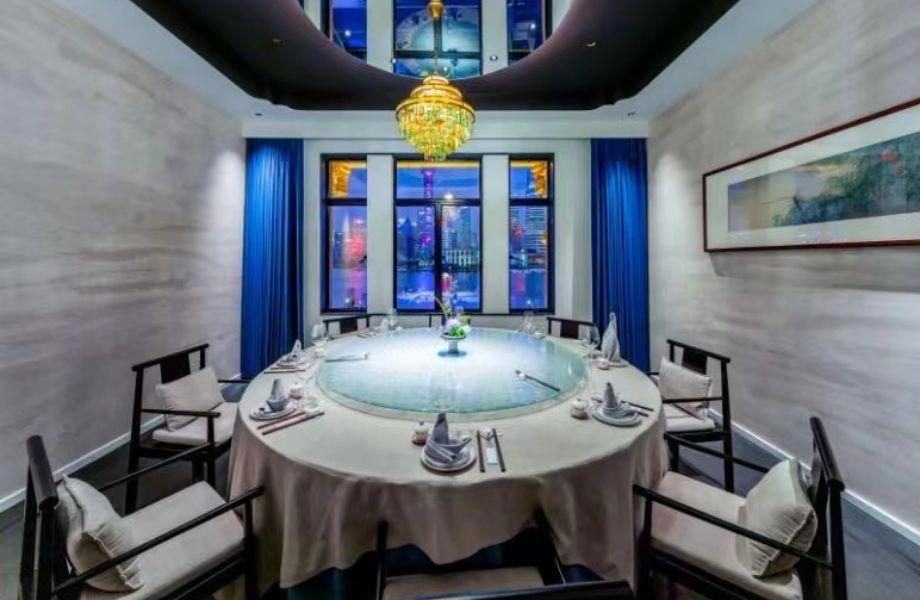
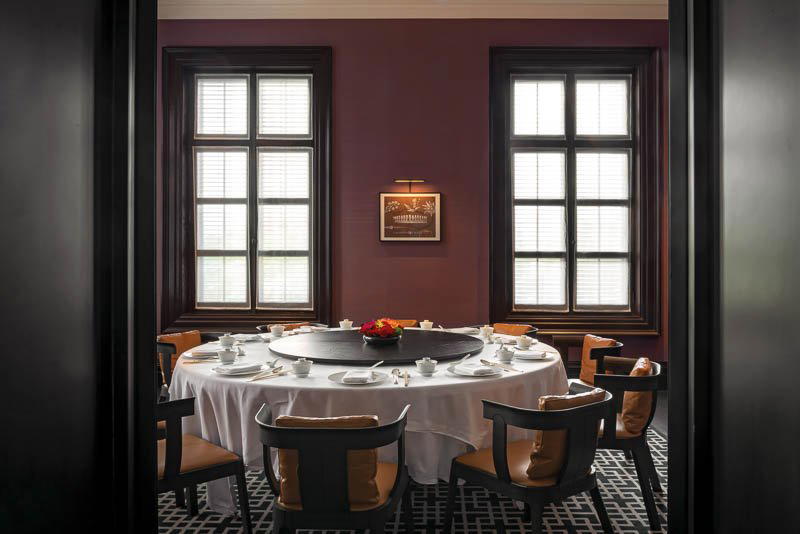
Bustling, casual ground floor noodle shop with a gilded lacquer signboard and Chinese pavilion facade; more comfortable upstairs dining room with private dining available.