Contrasto

Michelin Plate
Our verdict
In a former sheepfold at 937 metres above the Molise hills, Contrasto translates the region's pastoral larder into a creative modern menu shaped by French technique and garden-to-table sourcing. Chef-patron Lucio Testa holds a 2025 Michelin Plate and scores 4.9 on Google across 114 reviews. Several tasting menus run alongside an à la carte option, with pricing at the accessible €€ tier for the level of cooking on offer.

Pearl is the En Primeur Club membership app, where members save venues, book tables and use the concierge.
The menu
What to order
- Ziti cavolfiore e alici
- Gnocchi di patate cotte sotto la cenere
- Il maiale in 5 portate
Stone Walls, Mountain Air, and a Garden That Drives the Menu
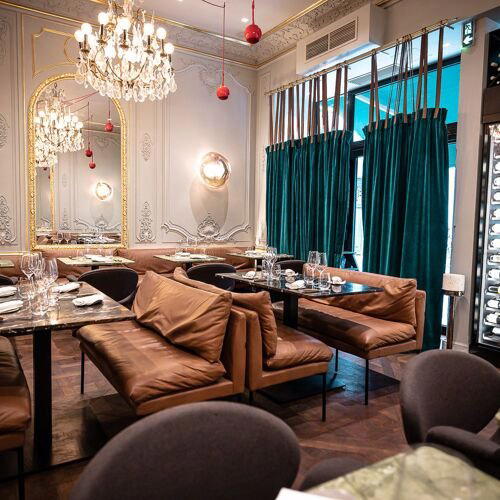
Approach Contrasto from the road that skirts the edge of Cercemaggiore and the building announces itself through material rather than signage: a stone façade worn smooth by centuries of weather, the former architecture of a sheepfold that housed livestock rather than diners. The structure sits on the outskirts of a village perched at 937 metres in the Campobasso province of Molise, one of Italy's least-trafficked regions and, for that reason, one of its most intact in terms of agricultural tradition. Inside, exposed beams overhead and contemporary lamps at mid-height create a layered atmosphere that acknowledges the building's history without being imprisoned by it. Several small rooms spread across different levels give the space an intimate, domestic quality that is harder to manufacture than open-plan dining rooms tend to suggest.
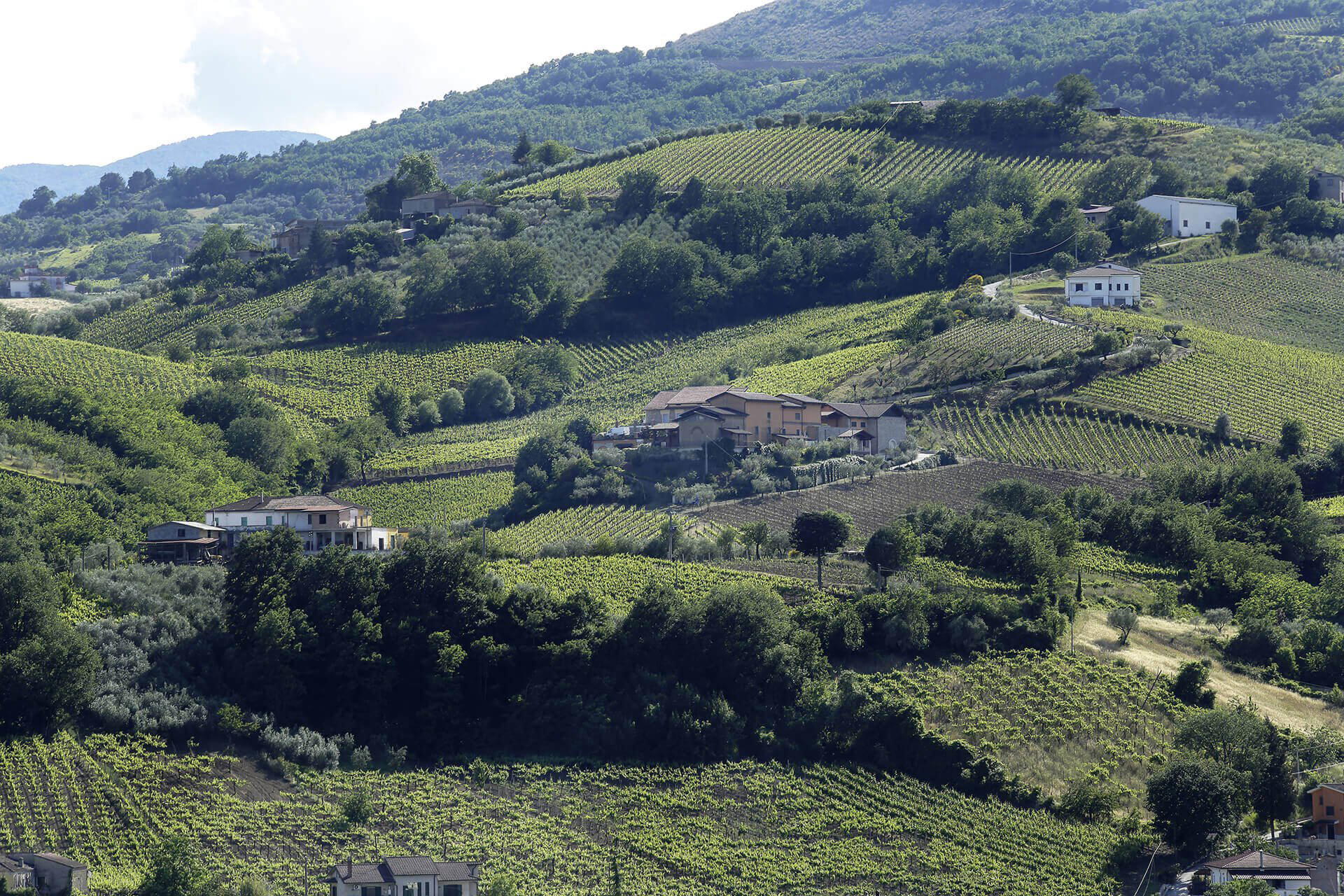
That physical context matters because it frames what arrives on the plate. In Italian regional cooking, the relationship between a restaurant's environment and its sourcing is often claimed and rarely delivered. At Contrasto, the sourcing chain is short enough to be credible: many of the vegetables and herbs come from chef-patron Lucio Testa's own garden, and the broader ingredients draw from the Molise countryside that surrounds the village. This is not a romanticised ruralism marketed to urban visitors; it is what cooking at altitude in a small southern Italian commune has always required.
How Molise's Larder Gets Reframed Through French Technique
Molise is Italy's second-smallest region by both area and population, and its culinary traditions have remained largely outside the spotlight that has followed Emilia-Romagna, Campania, and Piedmont into international food media. The region's kitchen vocabulary centres on cured meats, sheep's milk cheeses, legumes grown in highland conditions, and game proteins that reflect the landscape's pastoral history. What Contrasto does with that vocabulary is where the kitchen's distinct positioning becomes clear.
Testa's training alongside French chefs introduced the technical grammar of sauces, emulsions, and dressings that does not traditionally appear in Molise's cucina povera framework. The result is a creative cuisine in which inherited recipes from the region are not simply replicated but restructured: local and seasonal products meet French construction methods in a way that adds precision without erasing provenance. Mulard duck, a hybrid breed associated with foie gras production in French southwest cooking, appears as a recurring protein on the menu, a detail that signals the dual culinary allegiance without requiring any editorial explanation on the plate itself.
For context, Contrasto's approach shares conceptual territory with a broader Italian movement that has produced destination restaurants across the country's less-frequented regions. Reale in Castel di Sangro operates just across the Molise-Abruzzo border under a similar logic of rooting hyper-local sourcing in technically rigorous modern cooking.
Tasting Menus as a Map of the Territory
Several tasting menus structure the experience for visitors who want a guided sequence through the kitchen's seasonal output. This format suits the sourcing model: when much of the menu depends on what the garden and the local producers are delivering in a given week, a fixed multi-course sequence lets the kitchen control the narrative of a meal without forcing guests to construct it themselves from an à la carte list. For those who prefer to order independently, the à la carte option remains available, giving the room flexibility to serve both committed explorers and guests with more specific preferences.
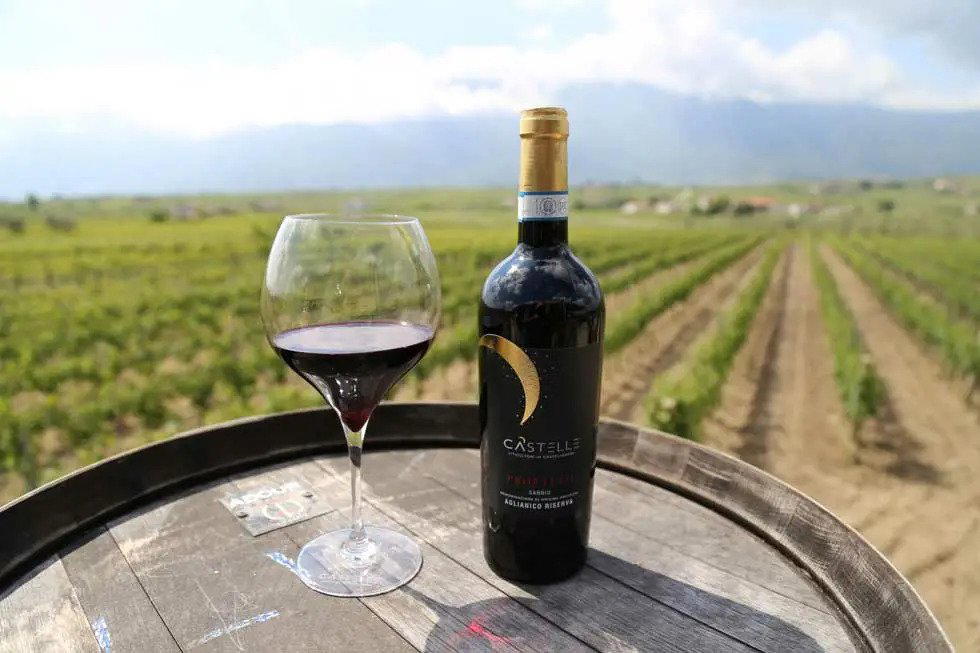
The wine direction points toward Tintilia del Molise as the regional pairing of choice, specifically the Rutilia 2019 from Cantine Salvatore. Tintilia is an indigenous grape variety with limited distribution outside the region, dark-fruited and tannic enough to hold against the duck preparations and richer pasta courses that appear across the menus. Choosing it communicates something about the restaurant's priorities: when the house recommendation is a local producer's single-vineyard bottling rather than a recognisable northern Italian name, the sourcing philosophy extends from kitchen to cellar.
Michelin Recognition and What the Numbers Suggest
Contrasto holds a 2025 Michelin Plate, the guide's designation for restaurants that deliver good cooking without yet reaching the star tier. In the context of a small village in a region that receives minimal Michelin attention, the recognition functions as a signal to travellers who use the guide as a filter: the kitchen is operating at a level that the inspectors considered worth noting.
Italy's Michelin constellation at the multi-star level includes rooms like Piazza Duomo in Alba, Quattro Passi in Marina del Cantone, Uliassi in Senigallia, Enrico Bartolini in Milan, Casa Perbellini 12 Apostoli in Verona, Atelier Moessmer Norbert Niederkofler in Brunico, and Piazza Duomo in Alba. Contrasto operates well below that tier in both price and profile, but the comparison is less relevant than the question of what the restaurant delivers within its own category: creative regional cooking in a architecturally distinctive setting, at a price point that removes the financial friction of a special-occasion calculation.
Planning a Visit to Cercemaggiore
Cercemaggiore sits in the Campobasso province of central Molise, a drive of roughly two hours from Naples and three from Rome, making it a feasible day-trip destination from either city for travellers with a car. The village itself is small, and Via Roma 55 is the address for Contrasto on the outskirts. Given the absence of published hours and booking contact details in current circulation, arriving with a prior reservation via direct contact with the restaurant is advisable; the combination of limited seating across the small multi-level rooms and a 2025 Michelin Plate will have tightened availability relative to the pre-recognition period.
For visitors planning a longer stay in the area, our full Cercemaggiore restaurants guide, hotels guide, bars guide, wineries guide, and experiences guide cover the full scope of what the province offers. Molise rewards the effort of getting there precisely because so few visitors make it; the region's food culture has not been adjusted for external audiences in the way that more-visited Italian regions sometimes have.
Frequently asked questions
What should I budget for a meal at Contrasto?
Pricing at Contrasto is listed as €€.
Comparison Snapshot
| Venue | Cuisine | Price | Awards | Notes |
|---|---|---|---|---|
| ContrastoThis venue (the venue you are viewing) | Modern Molisano Fine Dining | $50–100 | Michelin Plate | Not listed |
| Atelier Moessmer Norbert Niederkofler | Modern Alpine Fine Dining | $300–500 | 3 Michelin Stars · World's 50 Best #20 | Italian, Creative |
| Dal Pescatore | Classic Italian Fine Dining | $200–300 | 3 Michelin Stars · World's 50 Best #38 | Italian, Italian Contemporary |
| Enoteca Pinchiorri | Contemporary Italian Fine Dining | $200–300 | 3 Michelin Stars · World's 50 Best #32 | Italian - French, Italian Contemporary |
| Enrico Bartolini | Modern Italian Fine Dining | $300–500 | 3 Michelin Stars · World's 50 Best #85 | Creative |
| Osteria Francescana | Avant-Garde Italian Contemporary | $300–500 | 3 Michelin Stars · World's 50 Best #1 | Progressive Italian, Creative |
Recognition history
Dated appearances from independent guides and award organizations, with the underlying list record or original source where available.
Michelin Plate
Michelin
Full recognition history (2 entries)
Michelin Plate
Michelin
Continue exploring
More in Cercemaggiore
Restaurants in Cercemaggiore
All restaurants in Cercemaggiore →
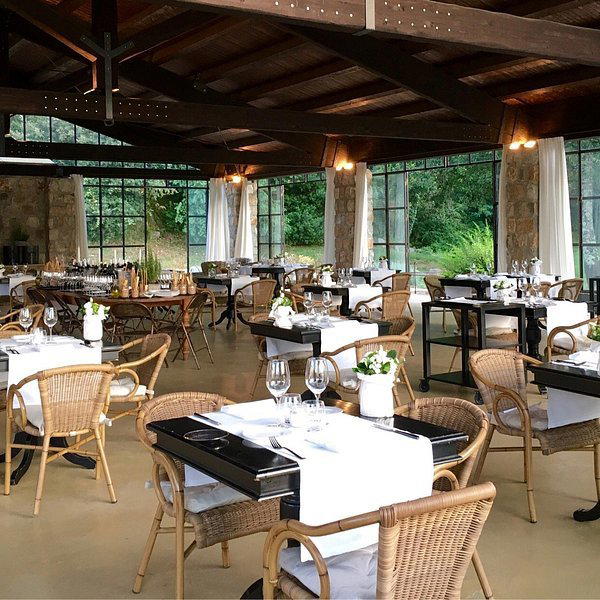
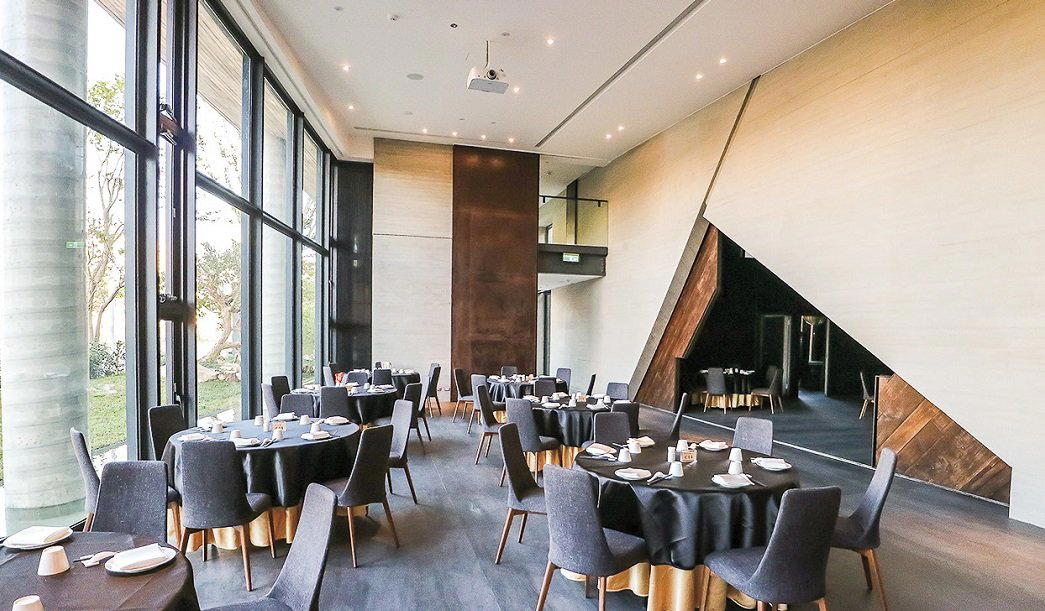
Hotels in Cercemaggiore
Browse all →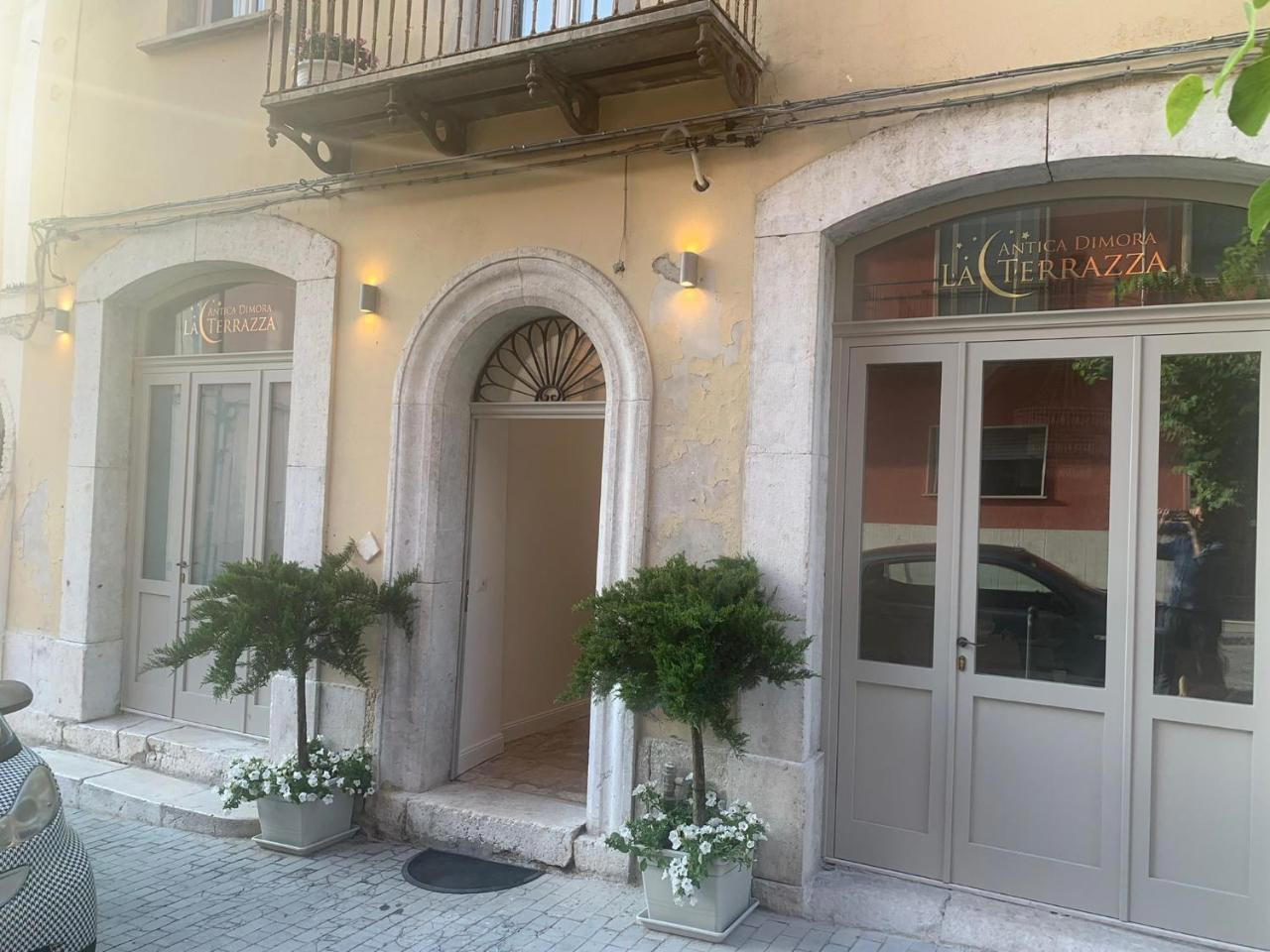
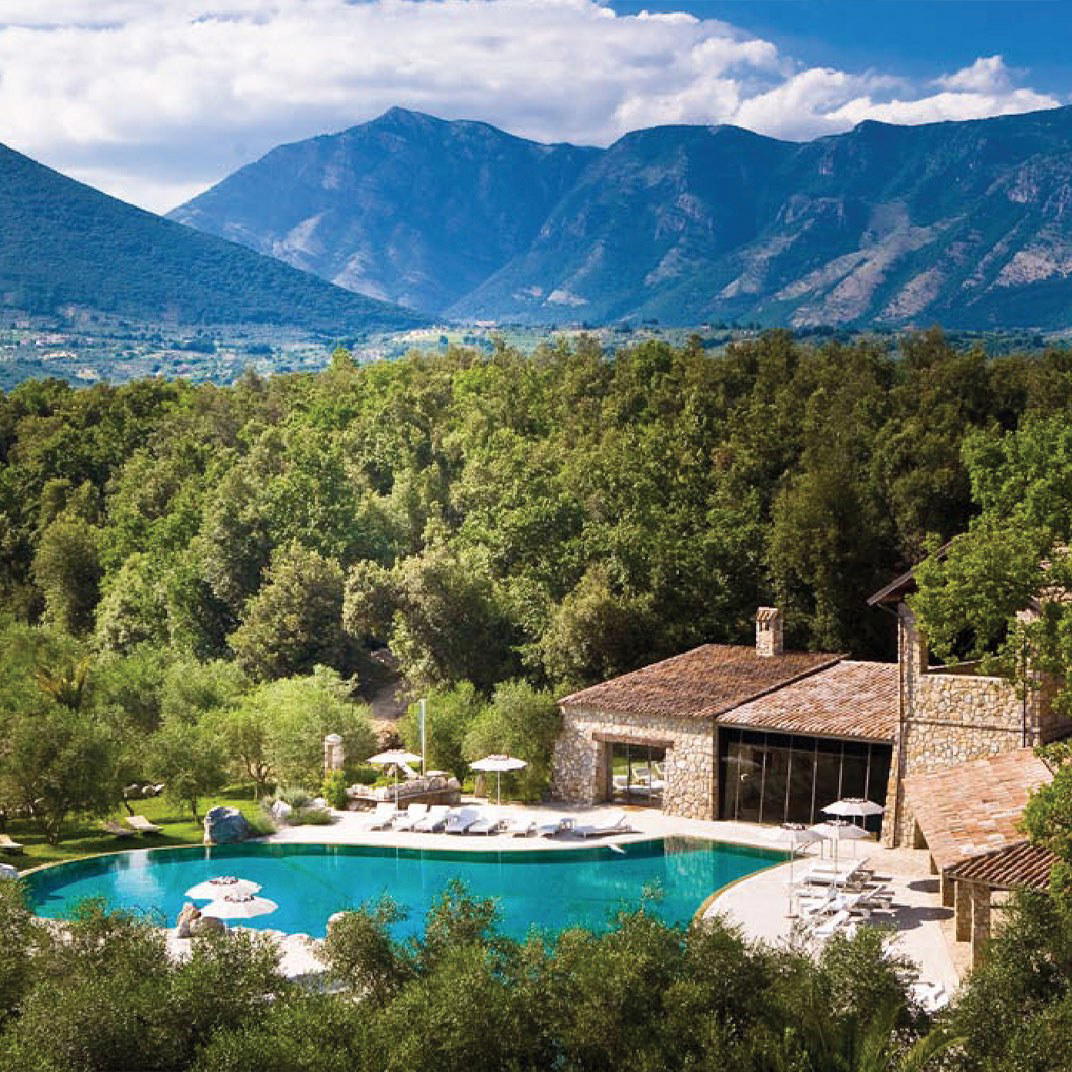

Details
- Elegant
- Intimate
- Sophisticated
- Modern
- Rustic
- Date Night
- Special Occasion
- Open Kitchen
- Extensive Wine List
- Local Sourcing
- Mountain
- Tasting Menu
- Vegetarian Friendly
Current opening hours
- Monday
- Closed
- Tuesday
- Closed
- Wednesday
- 12–2:30 PM, 7:30–11 PM
- Thursday
- 12–2:30 PM, 7:30–11 PM
- Friday
- 12:30–2:30 PM, 7:30–11 PM
- Saturday
- 12–2:30 PM, 7:30–11 PM
- Sunday
- 12:30–2:30 PM
Hours can change for holidays and private events. Hours as of .
Elegant and refined atmosphere in a renovated stone-walled space with small intimate rooms, exposed beams, and contemporary lighting.