Our verdict
Colobus Restaurant belongs to Nanyuki’s safari-club dining culture, where altitude, equatorial farms, and lodge hospitality shape the table as much as technique. Its setting at Fairmont Mount Kenya Safari Club puts it in the orbit of Mount Kenya itineraries rather than urban restaurant-hopping, making it a useful reference point for travellers comparing hotel dining, conservancy lodges, and regional Kenyan produce.

Pearl is the En Primeur Club membership app, where members save venues, book tables and use the concierge.
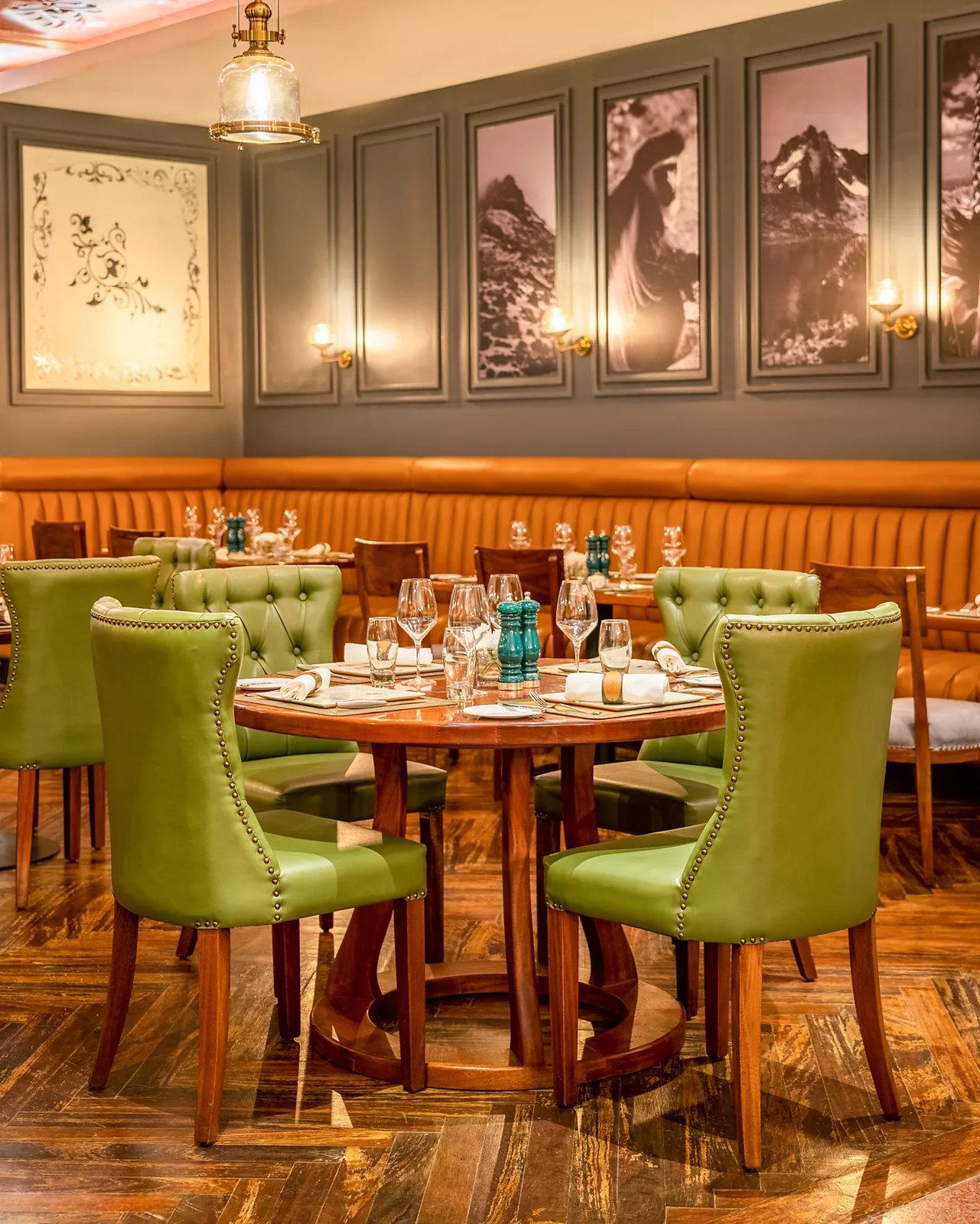
Approach Nanyuki from the highlands and the dining equation changes quickly: cooler air, open lawns, mountain views when weather allows, and a rhythm set less by city traffic than by safari departures and long lunches between game drives. Colobus Restaurant sits inside that pattern in Nanyuki, where the meal is part of a wider lodge day rather than a stand-alone urban performance. The useful question is not whether the room tries to imitate Nairobi or the coast; it is how well it fits the Nanyuki travel circuit, where produce, pace, and setting carry real weight.
Nanyuki’s food identity is tied to geography. The town functions as a gateway for highland, ranch-country, and private conservancy travel, so dining tends to follow the needs of hotel guests, safari clients, climbers, and weekend travellers from Nairobi. That creates a different competitive frame from restaurants built around chef-led tasting menus or late-night bar culture. In this context, Colobus Restaurant is better read as part of a resort dining system, with the kitchen expected to handle varied appetites, international guests, and Kenyan ingredients without making the format feel strained.
Mount Kenya dining is shaped by farms, altitude, and lodge rhythm
The ingredient story around Nanyuki is stronger than many travellers expect. The region’s altitude supports dairy, vegetables, herbs, and temperate crops, while the wider central Kenya supply chain gives hotel kitchens access to meat, greens, and fruit from relatively close range compared with coastal or desert safari circuits. That matters because lodge dining can become anonymous when everything is flown or trucked in from afar. Around Nanyuki, the smarter kitchens can build menus around freshness and seasonality without turning every plate into a lecture on sourcing.
Colobus Restaurant’s value is therefore tied to context: a meal here belongs to the highland-safari category, not the Nairobi garden-restaurant category or the theatrical coastal setting found in other parts of Kenya. Kenya’s dining map is unusually varied for travellers who move beyond one region. The country can mean a coastal dining room, a beach-facing table, a safari lodge meal, or a highland hotel restaurant in Nanyuki. The comparison is useful because it keeps expectations accurate: each format solves a different travel problem.
Within Nanyuki, the closest comparison is Tusks Restaurant and Terrace, another premium address that signals how much of the local dining market is attached to hotel infrastructure. That is not a weakness. In smaller safari towns, the serious restaurant experience often lives inside hotels because hotels can support consistent staffing, procurement, and service across breakfast, lunch, and dinner. Independent destination dining exists in Kenya, but Nanyuki’s centre of gravity remains tied to lodges, clubs, and conservancy travel.
The room works when the meal follows the mountain rather than the city
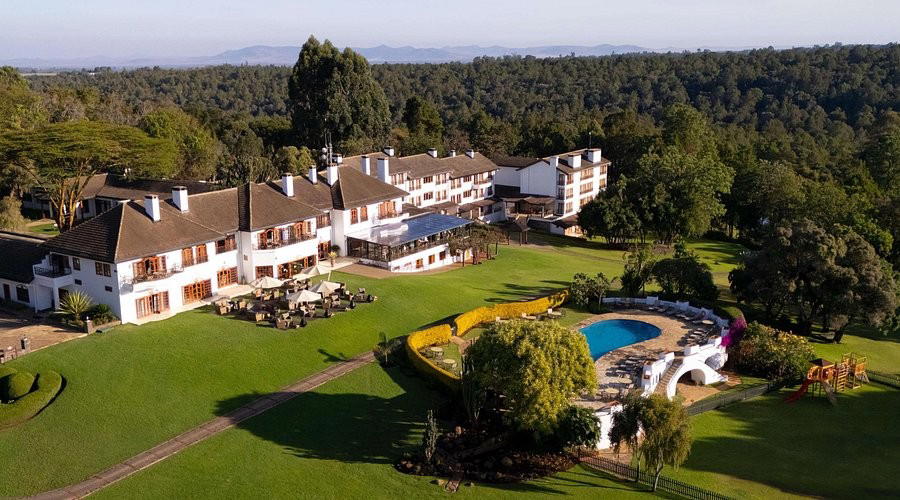
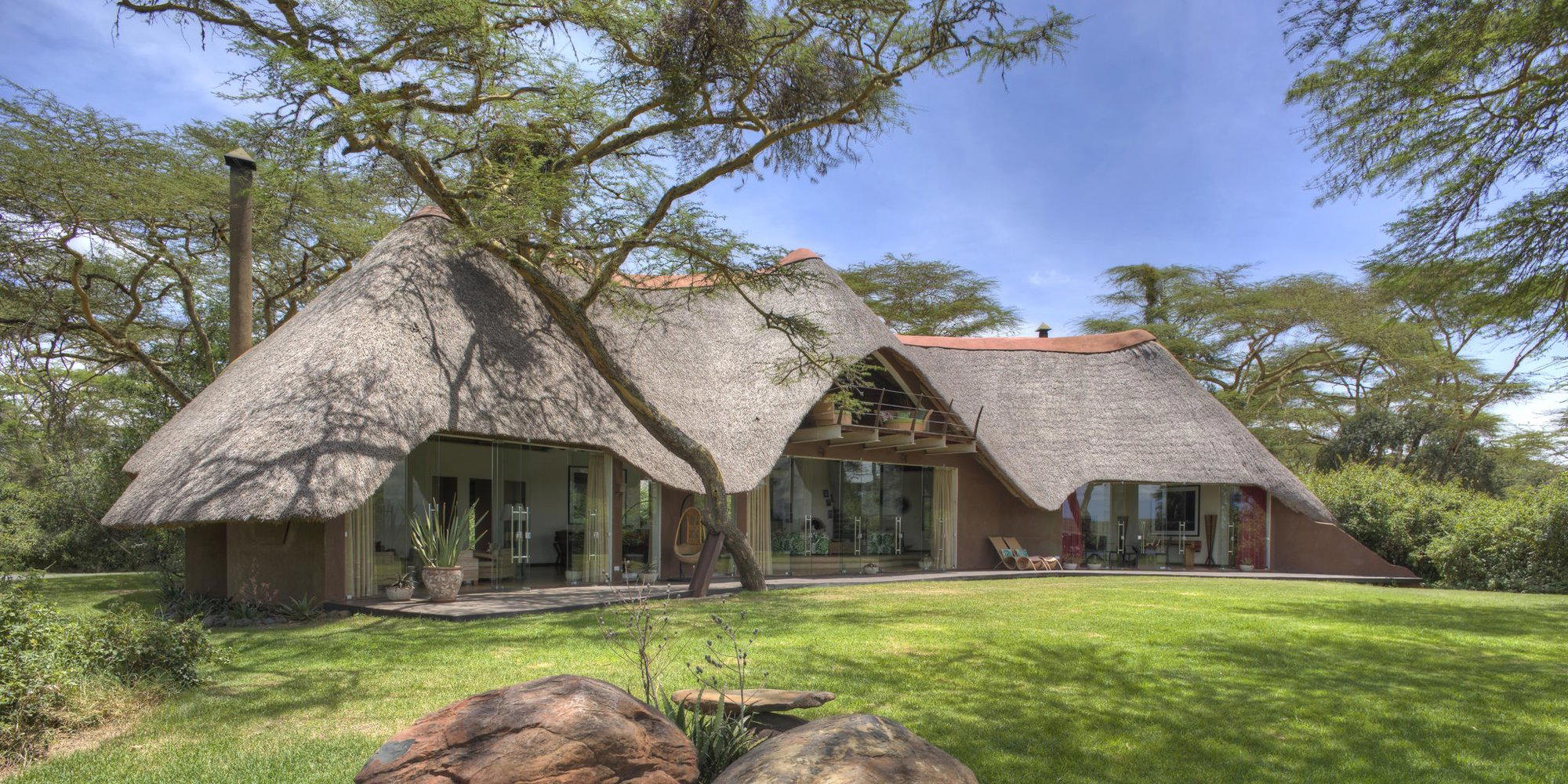
The atmosphere should be judged against the pace of Nanyuki travel. Guests may be coming off early starts, equator stops, wildlife drives, or long road transfers, so the restaurant’s role is to provide composure rather than spectacle. A highland hotel dining room can feel formal if handled poorly; it works better when service, menu breadth, and setting let the surrounding environment do some of the work. Colobus Restaurant benefits from that broader Nanyuki setting, where lawns, safari-hotel codes, and the highland landscape give the meal a sense of place before the first course is discussed.
The editorial caution is to avoid treating hotel dining as automatically lesser than independent restaurants. In Kenya, some of the more relevant travel meals happen where accommodation, landscape, and kitchen meet. Flamingo Restaurant points to one version of that idea, while other coastal venues answer a different brief: heat, sea air, and casual coastal timing. Nanyuki is cooler, slower, and more dependent on the day’s itinerary.
That makes Colobus Restaurant a sensible choice for travellers who want their dining to stay anchored to Nanyuki rather than imported restaurant fashion. Its available profile keeps the critical focus on format: hotel dining in a highland safari town, supported by established hospitality infrastructure and the ingredient advantages of central Kenya. For a wider scan of the town’s options, use Our full Nanyuki restaurants guide; travellers building a complete stay should also cross-check Our full Nanyuki hotels guide, Our full Nanyuki bars guide, Our full Nanyuki wineries guide, and Our full Nanyuki experiences guide.
Where it sits in a wider Kenya itinerary
Colobus Restaurant makes the clearest sense on itineraries that pair Nanyuki with other safari, lake-country, or coastal stops. Travellers moving between regions will notice how sharply Kenya’s dining formats change: highland lodge meals around Nanyuki, conservancy dining elsewhere, lake-country hotel restaurants, and coastal addresses farther south. International comparisons can be misleading; restaurants in other global cities operate by different rules entirely. Here, the measure is whether the restaurant supports the travel day, reflects its highland setting, and gives central Kenyan produce room to matter.
Frequently asked questions
Is Colobus Restaurant suitable for children?
Colobus Restaurant sits within the Nanyuki lodge-dining circuit, so it fits hotel dining rather than a formal tasting-room setup. Those details are not published. Check the venue's official channels for the latest details.
What is the atmosphere like at Colobus Restaurant?
The setting is tied to Nanyuki, which gives the room a lodge character rather than a city-restaurant tempo. It suits guests moving through Nanyuki itineraries and other safari stays.
Where is Colobus Restaurant located?
Nanyuki.
Is Colobus Restaurant reservation-only?
Those details are not published. That makes the venue team the practical point of confirmation before dining. Check the venue's official channels for the latest details.
What's the standout thing about Colobus Restaurant?
Its clearest draw is the Nanyuki setting. That gives it immediate relevance for travellers looking for lodge dining rather than a standalone city address.
A Quick Peer Check
Comparable venues by cuisine and price in the same metro.
| Venue | Cuisine | Price | Awards |
|---|---|---|---|
| Colobus RestaurantThis venue (the venue you are viewing) | Fine Dining with Kenyan & International Influences | Not listed | Not listed |
| Tusks Restaurant and Terrace | International All-Day Dining | Not listed | Not listed |
| Cascade | Modern French Bistro | $30–50 | Michelin Plate |
Details
- Elegant
- Scenic
- Classic
- Sophisticated
- Romantic
- Date Night
- Business Dinner
- Group Dining
- Family
- Special Occasion
- Casual Hangout
- Hotel Restaurant
- Garden
- Panoramic View
- Local Sourcing
- Mountain
- Garden
- A La Carte
- Vegetarian Friendly
Cozy yet elegant, with a refined luxury feel, mountain scenery, and a distinctive Hollywood photo wall.