Cilento

Wine Spectator Best of Award of Excellence
Our verdict
Cilento sits inside Cancún’s broader question of sourcing: how a resort city balances visitor demand with the ingredients of the Yucatán, the Caribbean coast, and mainland Mexico. Use it as a reference point for a more grounded Cancún meal, then compare the city’s casual taquerías, market cooking, and higher-spend Mexican rooms before deciding where it fits in the trip.

Pearl is the En Primeur Club membership app — saves, bookings, and concierge access live there. Same editors, same standards.
- Address
- Condominio Playa Mujeres Interior Hotel Atelier Playa Mujeres, 77400 Cancún, Q.R., Mexico
- Phone
- +52 998 500 4800
- Website
- atelierdehoteles.com.mx
- Directions
- Get directions
The menu
What to order
- Pastas
- Wood-fired pizzas
- Salads
- Lasagna
Approaching Cancún from the lagoon side or the Caribbean edge, the dining cues change quickly: hotel-zone polish, residential taquerías, market counters, and resort-adjacent rooms all compete for the same evening. Cilento belongs in that conversation not as a spectacle, but as a useful marker for how a Cancún restaurant listing can help frame a night out. In a city where seafood, citrus, chile, corn, tropical fruit, and regional condiments can either be treated as decoration or as the point, the diner’s task is to look for a meal with a clear sense of place.
Cancún’s restaurant scene is often misread as a resort appendage. That misses the local structure. The city feeds hotel guests, weekend travelers from elsewhere in Mexico, airport traffic, and residents who know the difference between a restaurant built for a single holiday dinner and one that fits into everyday eating. Cilento is better understood through that split: the relevant question is not whether it competes with destination tasting rooms, but whether it can be placed thoughtfully among the many international menus around the city.
Ingredient identity matters more in Cancún than menu length
In coastal Quintana Roo, sourcing is not an abstract virtue. Fish arrives into a market shaped by tourism volume, season, weather, and the pressure of all-inclusive demand. Produce moves through Yucatán and broader Mexican supply chains, while the city’s dining rooms decide how much regional character to keep on the plate. A shorter, ingredient-aware meal can say more about Cancún than a long menu that moves from pasta to sushi to steak without a point of view.
That is where Cilento earns attention within the city’s middle ground. The public record is limited, and there is no chef biography to turn into mythology. That absence shifts the reader’s attention back to the listing, the format, and the decision being made by the diner. In Cancún, a meal can lean toward hotel convenience, local habit, or Mexican regional expression. The more useful rooms are the ones that make those choices legible.
For a wider sense of the city, compare the category rather than chasing a single ranking. Some Cancún restaurants point to the city’s comfort-food lane, while others reflect the long-running appetite for steakhouse formats. Additional local dining rooms each sit in different parts of the map. Cilento is most useful when read against that range: not as a trophy booking, but as part of the city’s argument over what a Cancún meal should communicate.
The stronger Cancún meal usually has a regional spine
The Yucatán Peninsula has a deep culinary vocabulary: sour orange, achiote, habanero, recados, masa, slow-cooked meats, and coastal fish all carry local weight. Cancún, however, often softens that vocabulary for visitors. The stronger meals in the city do not need to be austere or traditionalist; they need a regional spine. That can mean a kitchen choosing Mexican ingredients before imported luxury markers, or giving local produce a central role rather than using it as garnish.
This is the frame in which Cilento makes sense for an EP Club reader. The restaurant should be assessed by how clearly it participates in Cancún’s dining conversation, not by whether it mimics the ceremony of Mexico City or the tasting-menu grammar of the Riviera Maya. For a higher-spend Mexican comparison outside the immediate city, María Dolores occupies a different bracket; within Cancún, Los Abrazos, Mercado 19, Cafecito Coffee Shop, and El Trompo represent the range from casual daily eating to market and taquería logic. Those comparisons matter because Cancún rewards diners who match mood to format instead of treating every dinner as a grand occasion.
The broader Mexican map also helps sharpen the point. Destination dining elsewhere in resort regions, coastal restaurants in other parts of Mexico, and itinerary-led formats all show how places build identity around context as much as the plate. Farther afield, metropolitan dining expectations do not always translate cleanly to the coast, which is why Cilento is better judged through Cancún’s own rhythm than through imported ceremony.
How to place it in a Cancún itinerary
Cilento works better as part of a considered Cancún sequence than as a stand-alone claim. Build the trip around contrasts: one regional Mexican meal, one seafood-focused sitting, one casual taquería or market stop, and one bar-led evening if cocktails matter. The city becomes more coherent when dinners are not all asked to do the same job.
Use Our full Cancún restaurants guide to place Cilento beside the city’s broader dining options. For the rest of the trip, Our full Cancún hotels guide, Our full Cancún bars guide, Our full Cancún wineries guide, and Our full Cancún experiences guide help separate dinner planning from the rest of the itinerary. For readers extending the comparison beyond Mexico, focused dining formats in other cities show how a clear point of view can define a meal without relying on scale.
The editorial case is simple: in Cancún, the smarter table is the one that reveals where the food comes from and why the city cooks the way it does. Cilento belongs on that shortlist when the evening calls for a restaurant read through the city’s context rather than resort theatre.
Frequently asked questions
Where do I go for Cilento?
Cilento is located in Cancún.
Can I walk in to Cilento?
The listing places Cilento in Cancún, but no phone, website, or hours are provided here. That makes walk-in planning harder to verify from the public record alone. Check the venue's official channels for the latest details.
What's the defining dish or idea at Cilento?
Cilento is listed in Cancún, yet no cuisine type or chef is attached to the public record. The safest read is that the city listing is clearer than any fixed culinary identity. Check the venue's official channels for the latest details.
Is Cilento good for vegetarians?
Those details are not published. In Cancún, that usually means checking the room before committing to a meal. Check the venue's official channels for the latest details.
Does Cilento work for a family meal?
Cilento’s Cancún location makes it possible to place on an itinerary, but those details are not published. That makes it more of a practical stop to assess in context than a clearly family-framed room. Check the venue's official channels for the latest details.
Is Cilento better for a quiet night or a lively one?
With limited public detail on recognition, chef name, or service format, Cilento reads as a lower-information listing rather than a high-profile scene restaurant. For that reason, its Cancún setting points more naturally to a meal to verify in advance than to a showy occasion.
Recognition history
Dated appearances from independent guides and award organizations, with the underlying list record or original source where available.
Wine Spectator Best of Award of Excellence
Wine Spectator
Continue exploring
More in Costa Mujeres
Restaurants in Costa Mujeres
Browse all →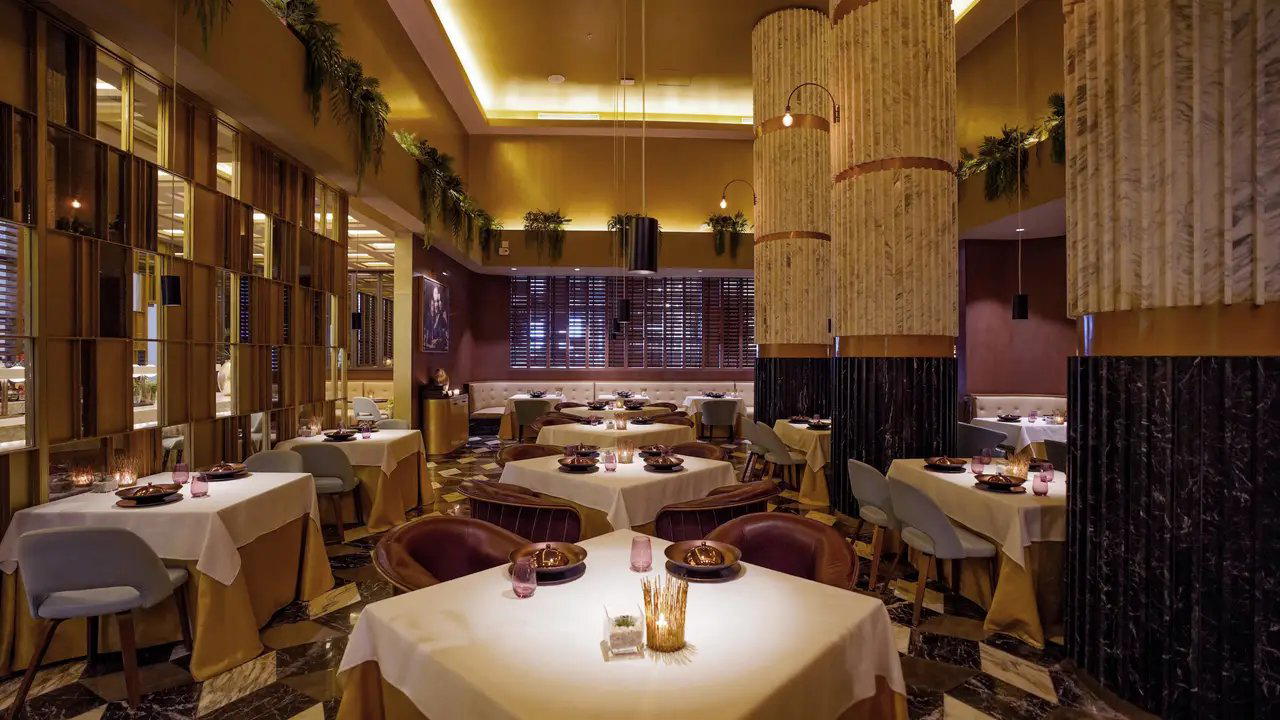
Bars in Costa Mujeres
Browse all →









Details
- Scenic
- Cozy
- Intimate
- Elegant
- Romantic
- Date Night
- Business Dinner
- Group Dining
- Celebration
- Special Occasion
- After Work
- Waterfront
- Terrace
- Panoramic View
- Hotel Restaurant
- Design Destination
- Extensive Wine List
- Waterfront
- A La Carte
- Vegetarian Friendly
- Vegan Options
- Gluten Free Options
- Pescatarian Friendly
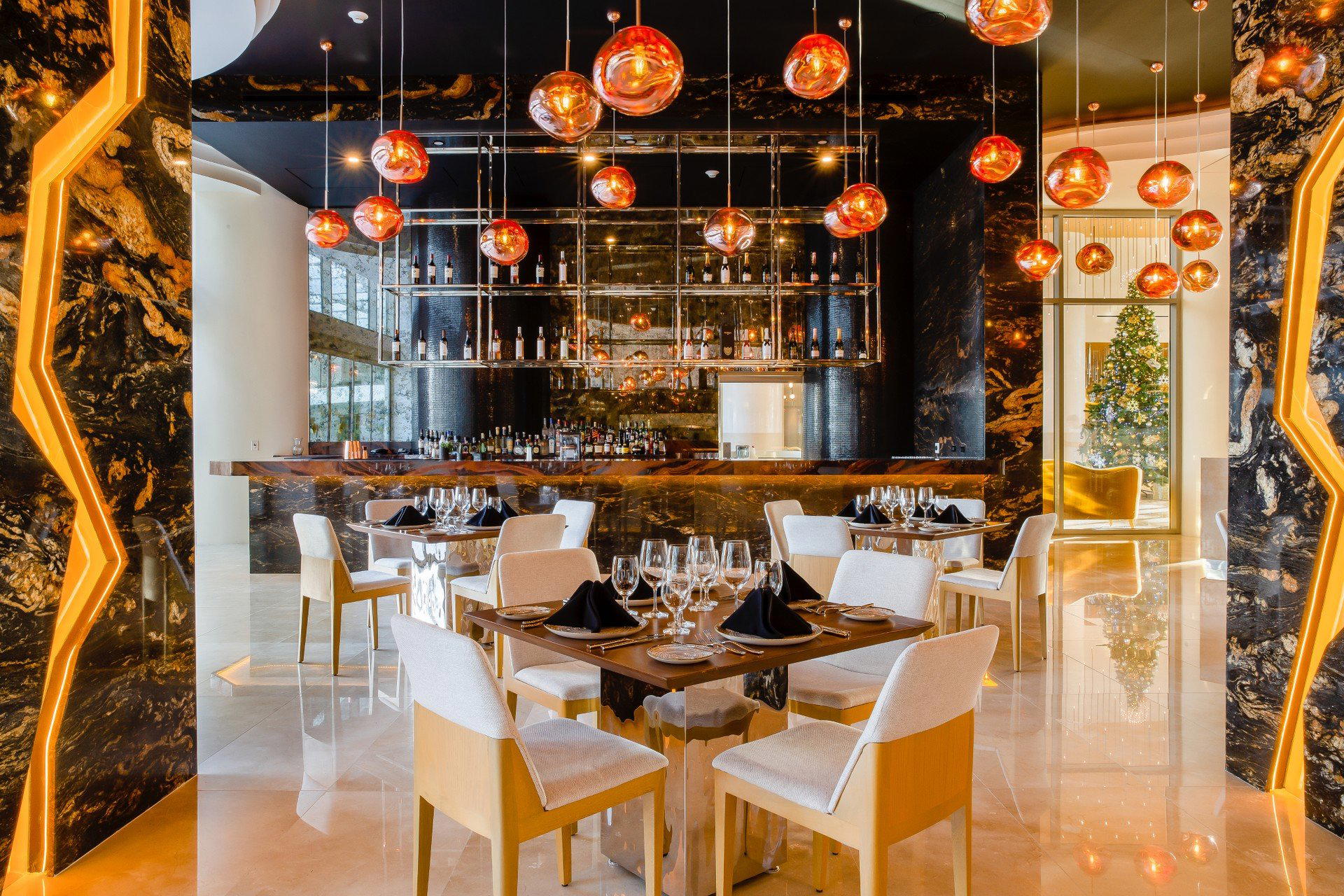
Upscale but relaxed Italian restaurant in an all‑inclusive resort, combining personalized service with cozy, intimate seating, soft lighting, and a refined yet casual atmosphere that opens onto a terrace with ocean views.