Our verdict
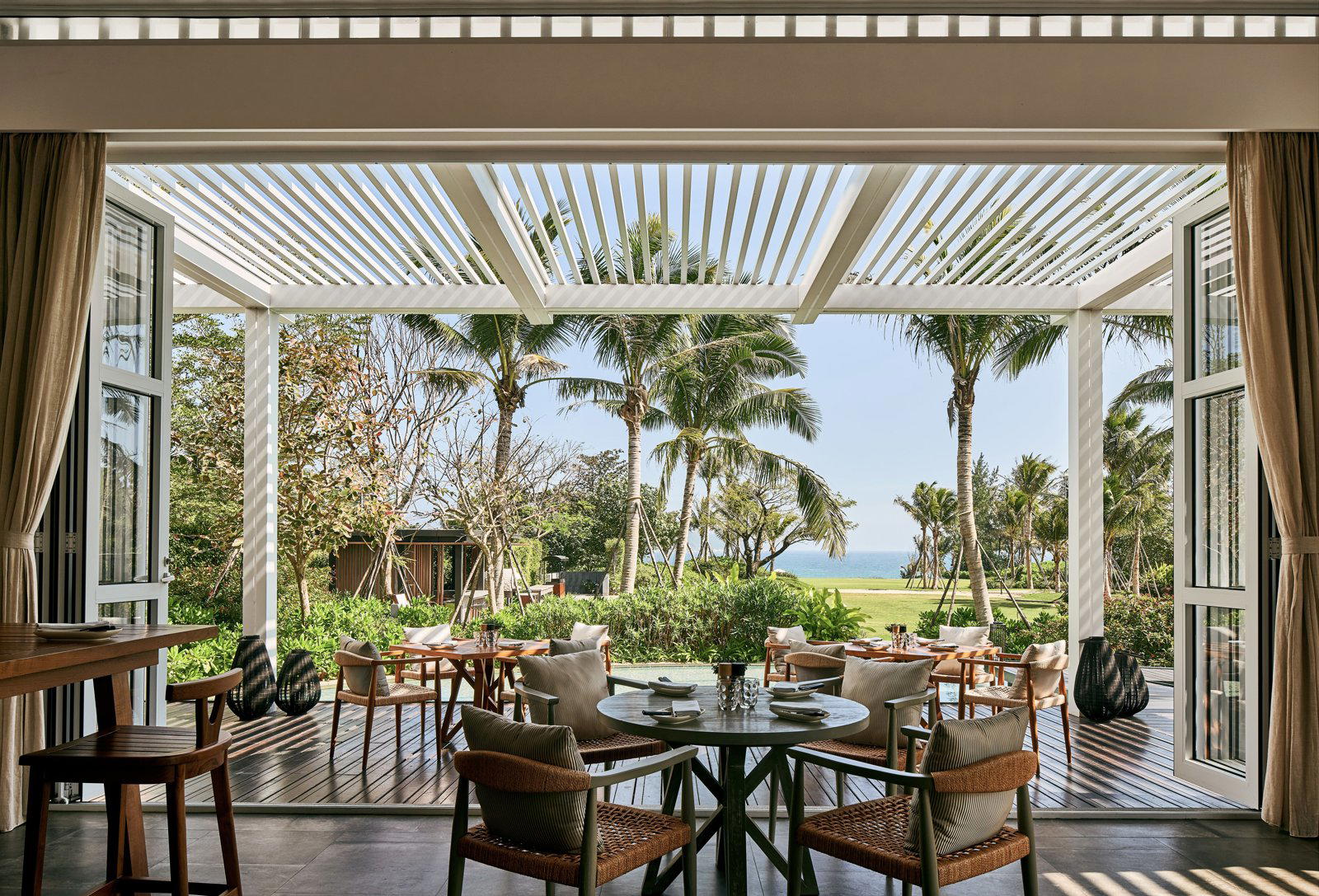
Chop House belongs to Sanya’s resort-dining category, where the strongest meals usually depend on coastal supply, open-air pacing, and kitchens that understand heat as well as luxury. Its poolside setting in Haitang District places it in the hotel-zone style of dining: relaxed, polished, and better read as part of a broader Sanya conversation about meat, seafood, and produce moving between island markets and resort kitchens.

Pearl is the En Primeur Club membership app, where members save venues, book tables and use the concierge.
The menu
What to order
- Lobster pappardelle
- Black truffle fries
- Seafood soup
- Angus sirloin steak
- Wagyu sirloin steak
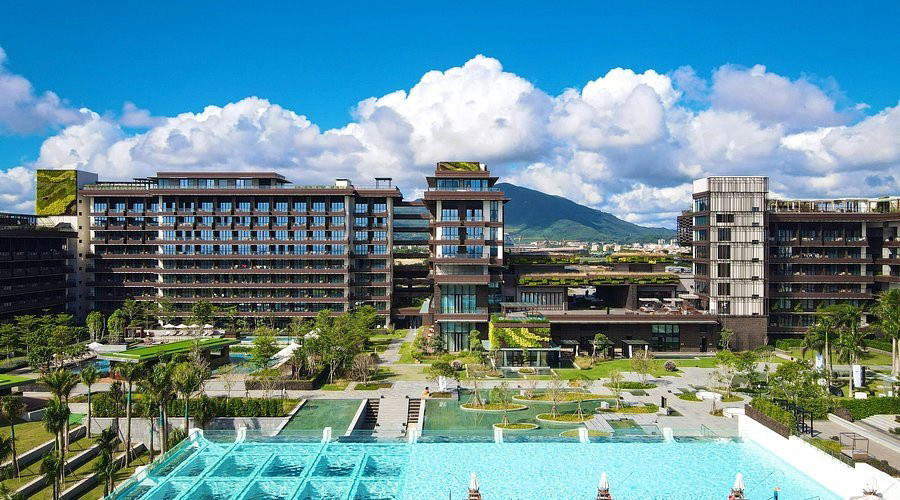
Approaching a poolside restaurant in Sanya means the meal starts before the menu: water, warm air, hotel lighting, and the slower tempo that defines much of the city’s resort dining. Chop House sits inside that environment, where the room is not competing with the city’s street-food energy but with the resort rhythm of long lunches, late dinners, and tables that move between swimwear casualness and evening polish.
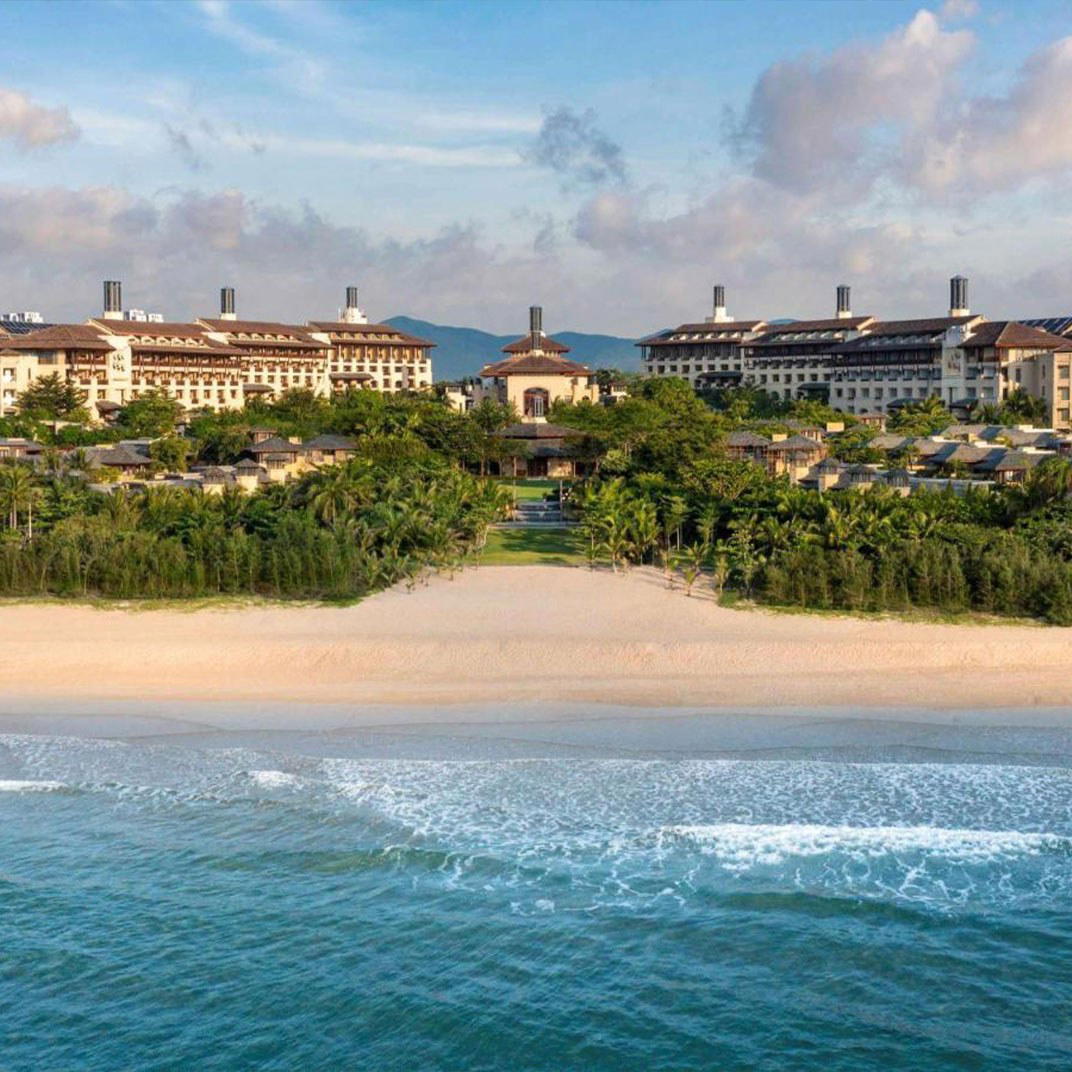
Sanya’s dining identity is often reduced to seafood, but that misses the more interesting point. The city’s resort kitchens operate at the intersection of island supply and international hotel expectations. Local waters shape the seafood conversation; Hainan’s tropical agriculture shapes fruit, herbs, and vegetables; resort dining habits shape the more structured end of the market. A restaurant using the Chop House name in this city has to answer a different question from a formal urban dining room: how does a richer, more composed format make sense in a humid coastal resort where many diners arrive expecting the sea to dominate the table?
Sanya dining is about sourcing, not only scenery
The strongest way to read Chop House is through Sanya’s ingredient economy. Hainan’s island position gives resort kitchens access to seafood, tropical produce, and a dining audience that expects freshness to be visible rather than hidden under technique. A poolside resort format adds another layer: a more structured dinner rhythm beside the lighter seafood and market-style formats that dominate many beach resorts.
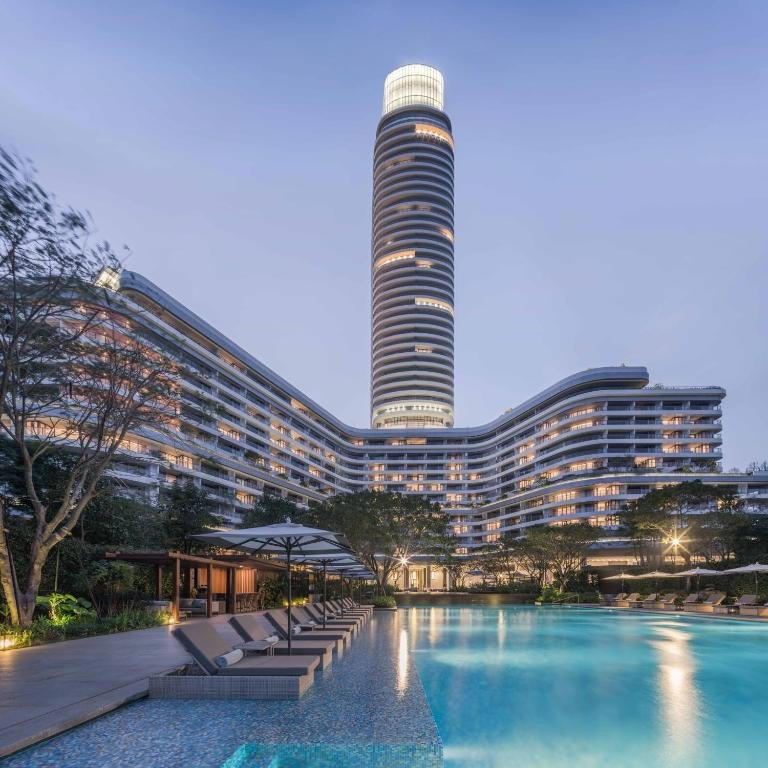
That contrast matters because Sanya’s resort dining is often tied to hotel infrastructure, kitchen procurement, and a slower holiday pace. Nearby resort restaurants such as Beach Barbacoa at EDITION 海滩烧烤餐厅, East Kitchen, and Market at EDITION show how the area can split into different resort-dining registers, from outdoor meals to all-day formats. Chop House belongs to the more composed poolside side of that map, a useful counterweight when a resort stay has already included several seafood meals.
The broader Sanya question is not whether a venue feels international enough. It is whether the kitchen can connect a resort format to place. In a coastal city, sourcing is the editorial test: seafood should feel logical, vegetables should not read as an afterthought, and richer dishes need enough restraint for tropical weather. Without published menu detail, the smarter expectation is category-based rather than dish-specific: approach it as a poolside resort meal shaped by Sanya’s climate, not as an urban format transplanted without adjustment.
A resort chop house works when the pace is slower
Poolside dining changes the grammar of a meal. It softens the formality implied by the Chop House name and makes the setting part of the decision. In Sanya, that can be an advantage. Heavy dining rooms and long tasting formats often feel out of step with the city’s resort logic; a more open, relaxed room better suits evenings when the appeal is warm air, composed cooking, and a table that does not demand ceremony.
Compared with other Sanya dining rooms, the point is not hierarchy but use case. Sanya visitors often need different registers across a stay: seafood-led meals, hotel breakfasts, casual poolside cooking, and one dinner with more structure. Chop House fits that last category without forcing the formality associated with metropolitan fine dining. For a wider scan of the city’s restaurant field, Our full Sanya restaurants guide gives the useful surrounding context.
There is also a practical geography to this style of eating. Sanya resort stays are often built around hotel circulation rather than spontaneous restaurant-hopping. That makes nearby dining more important than it would be in denser food cities. Travellers planning a broader stay should map meals against hotels and transport rather than treating Sanya like a compact urban dining grid; Our full Sanya hotels guide, Our full Sanya bars guide, Our full Sanya wineries guide, and Our full Sanya experiences guide are more useful when read together than separately.
How it reads inside China's wider dining conversation
China’s restaurant culture is too broad for a single resort format to summarize. The useful comparison is contrast. Regional kitchens in other Chinese cities often argue from locality, technique, and regional memory. Big-city luxury rooms operate in a different register: urban, ceremonial, and tied to business dining as much as leisure.
Sanya sits apart. Its restaurants are judged by how well they handle climate, resort rhythm, and ingredient freshness. Chop House should be understood through that lens: a poolside resort address in a coastal leisure city, not a trophy-room restaurant chasing urban grandeur. For travellers coming from overseas dining circuits, the comparison is less with compact specialist formats abroad and more with the practical question of what a resort dinner needs to do after a beach day. The answer is clarity: a setting that suits the weather, a format that gives the meal shape, and sourcing that respects the island rather than ignoring it.
Frequently asked questions
Would Chop House be comfortable with kids?
Yes. The poolside setting in Sanya makes Chop House a practical fit for families rather than a formal counter-style room. The resort dining environment also points to a space where children are easier to accommodate.
What should I expect atmosphere-wise at Chop House?
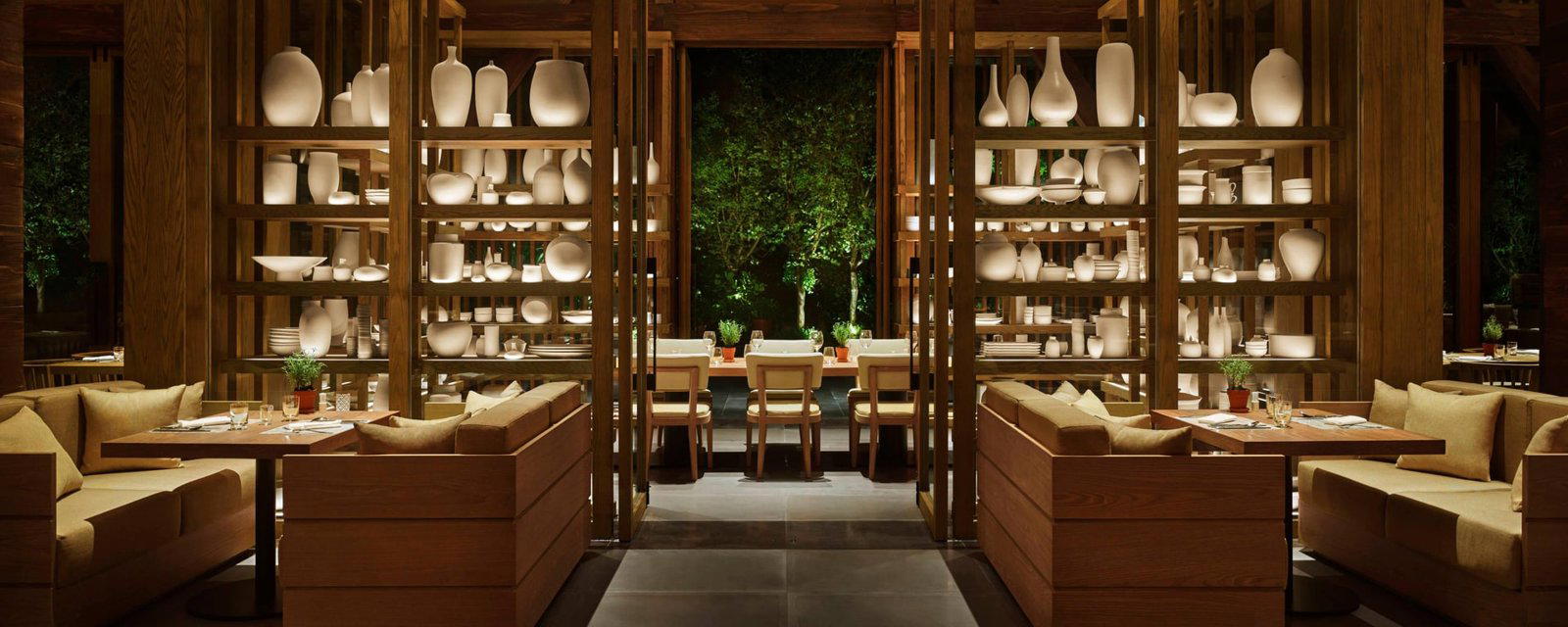
Expect a poolside resort setting in Sanya, not a tight city dining room. The location suggests a laid-back restaurant shaped by the hotel environment and the water-facing mood.
Where do I go for Chop House?
Chop House is located in Sanya.
How hard is it to get a table at Chop House?
The clearest cue is its poolside location in Sanya, which usually means meal periods matter more than a fixed counter-style rhythm. Without any listed booking details, the sensible read is to plan around lunch or dinner service in Sanya.
A Quick Peer Check
Comparable venues by cuisine and price in the same metro.
| Venue | Cuisine | Price |
|---|---|---|
| Chop HouseThis venue (the venue you are viewing) | Italian Grill & Western Steakhouse | $30–50 |
| East Kitchen | Modern Southeast Asian Asian Bistro | $30–50 |
| The Fishmonger | Seafood | Not listed |
| Beach Barbacoa at EDITION 海滩烧烤餐厅 | Indonesian-inspired beachfront seafood grill | Not listed |
| Market at EDITION | Chinese, Seafood and International All-Day Dining | Not listed |
| The Jade Egret 天鹭餐厅 | Modern European with Asian Flavors | Not listed |
Continue exploring
More in Sanya
Restaurants in Sanya
All restaurants in Sanya →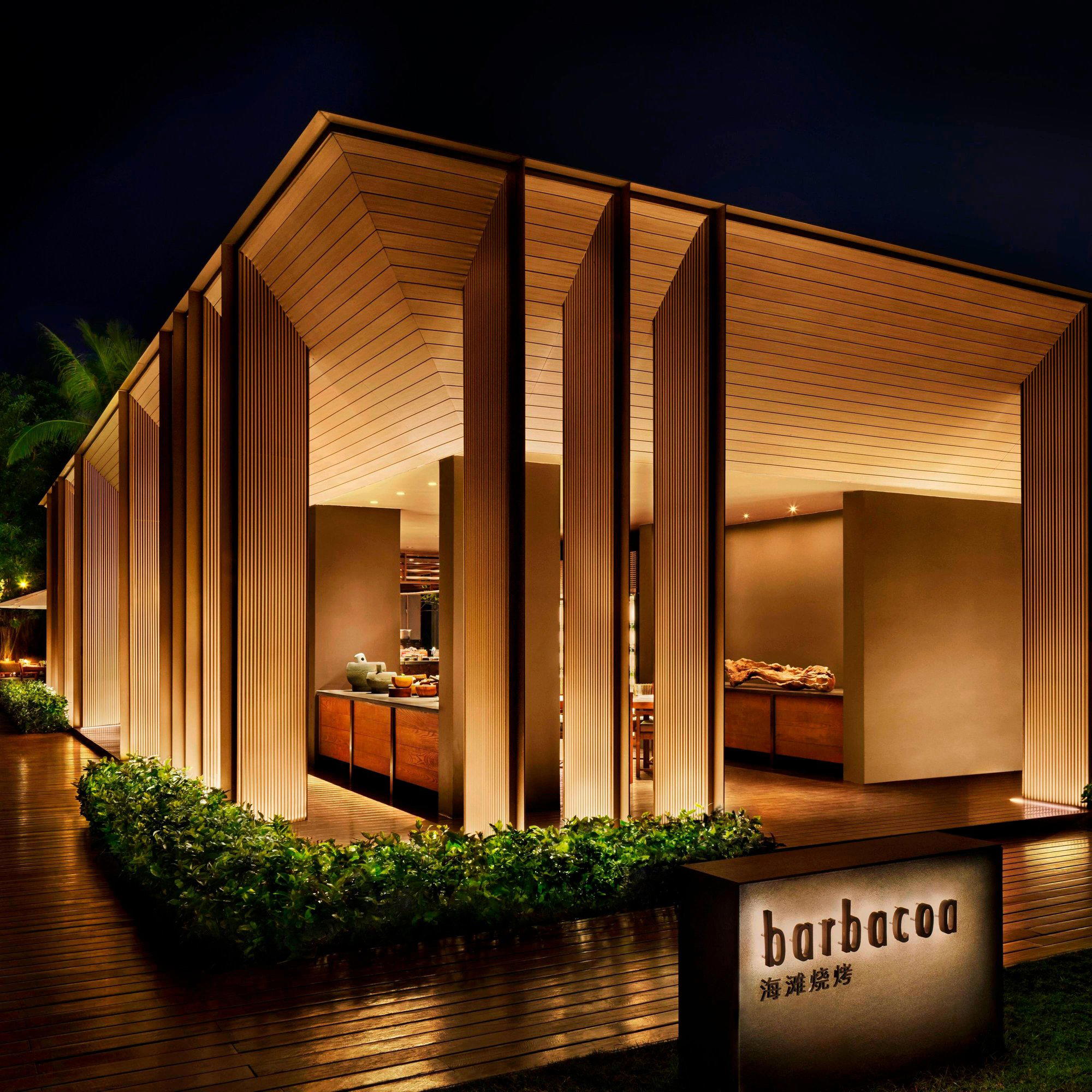
Bars in Sanya
All bars in Sanya →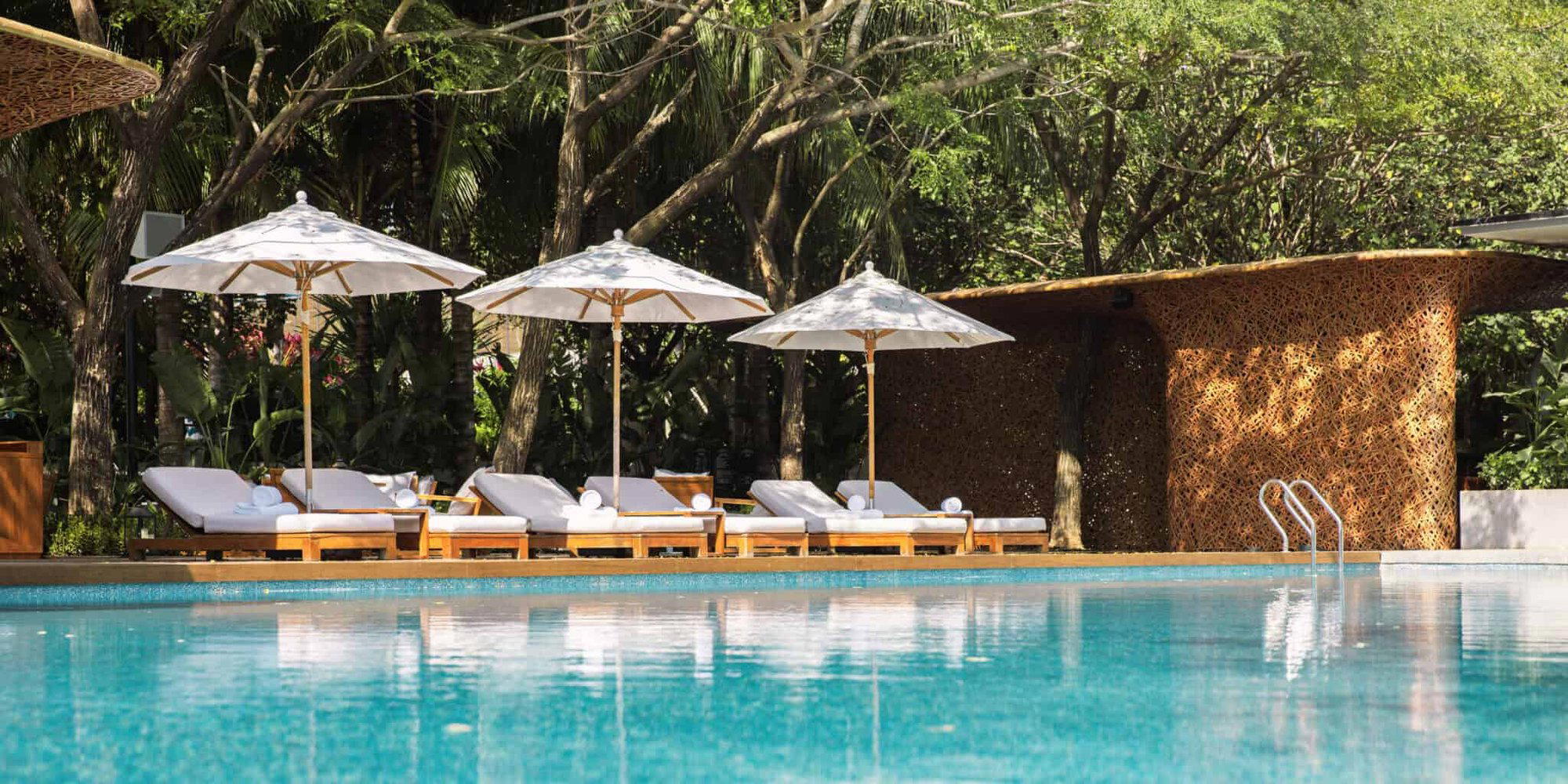
Details
- Romantic
- Scenic
- Cozy
- Modern
- Elegant
- Date Night
- Family
- Celebration
- Group Dining
- Casual Hangout
- Special Occasion
- Waterfront
- Terrace
- Hotel Restaurant
- Craft Cocktails
- Waterfront
- A La Carte
- Set Menu
- Wine
- Cocktails
- Vegetarian Friendly
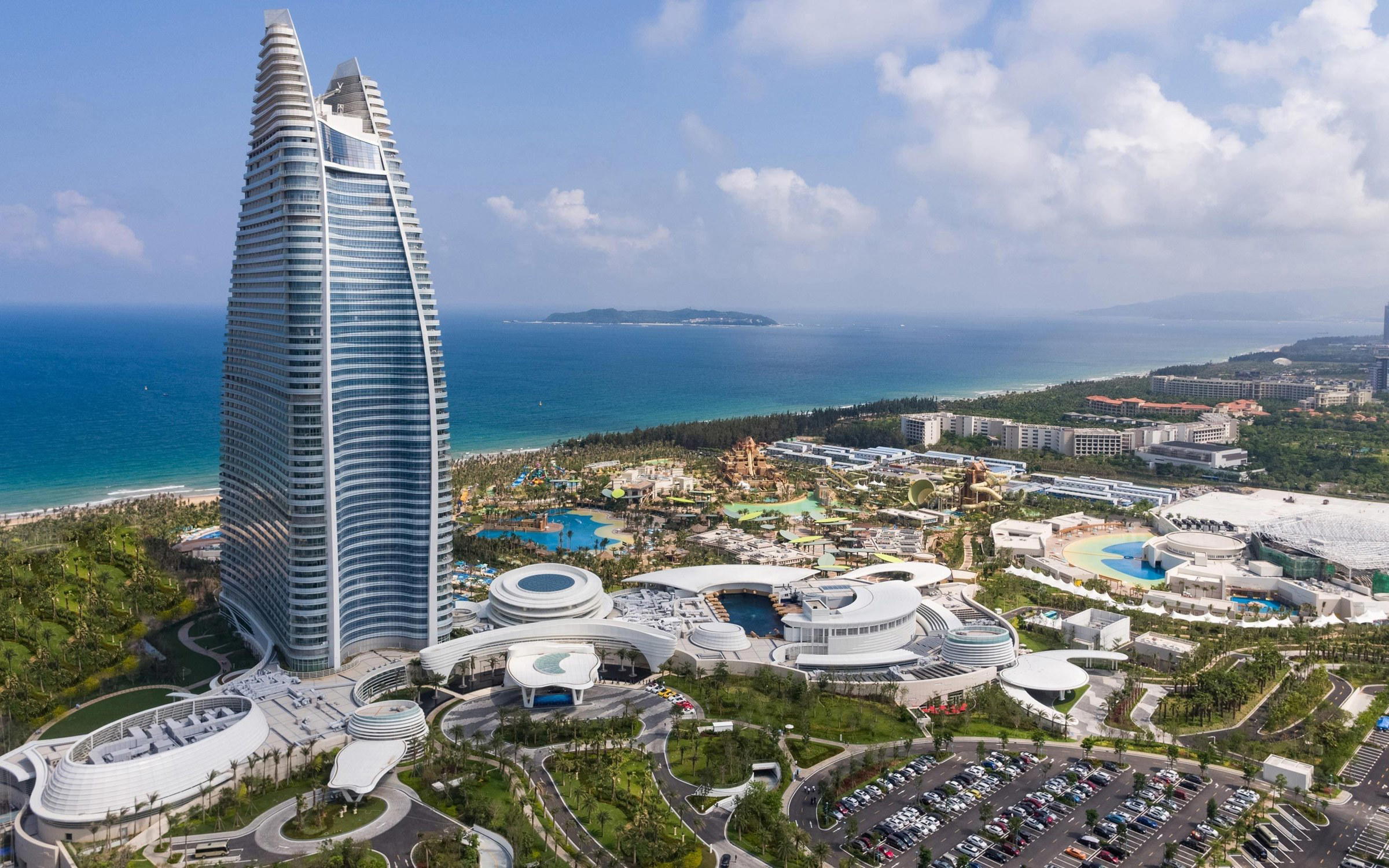
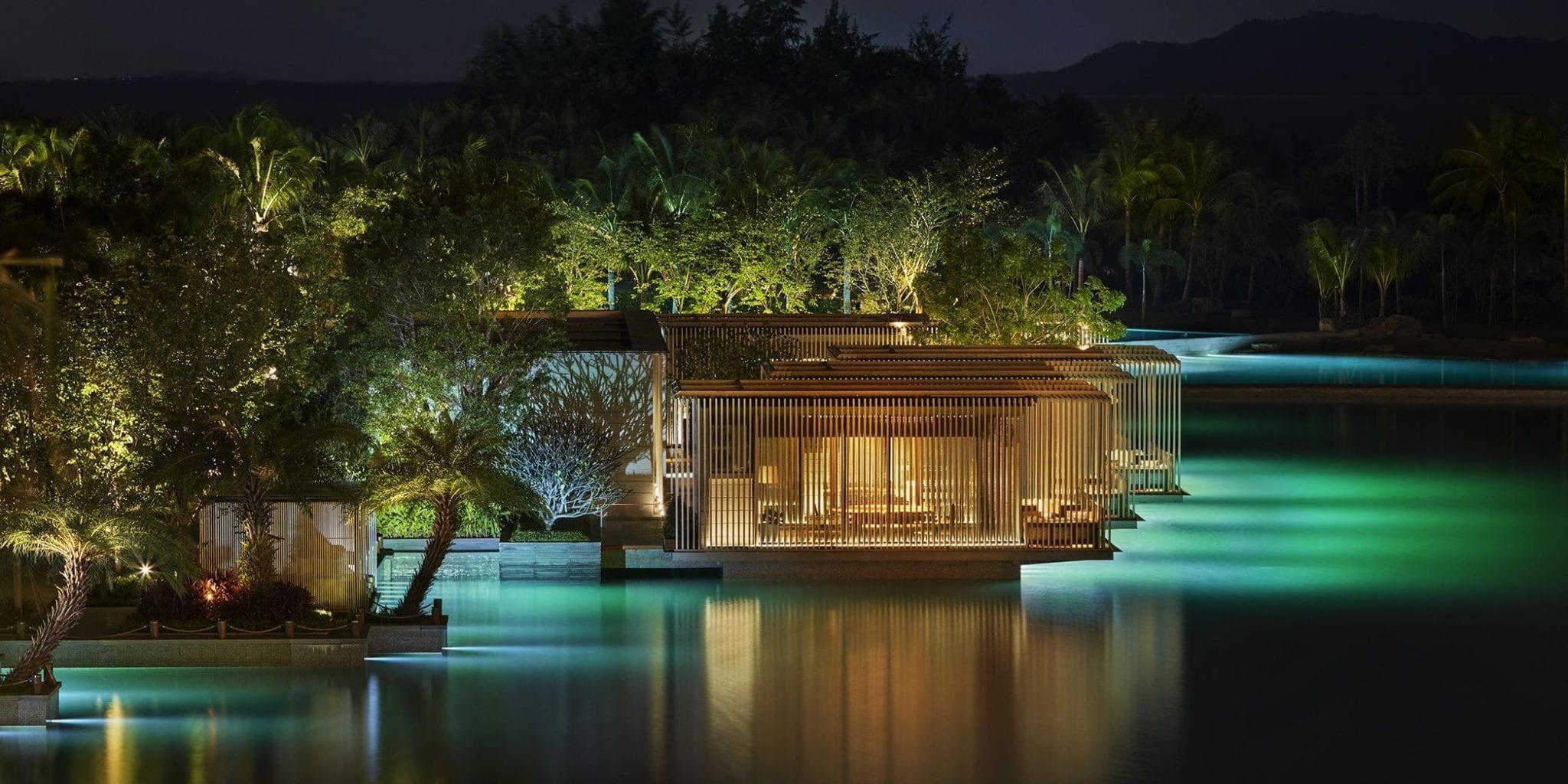
Relaxed, resort-style atmosphere with comfortable seating by the pool and ocean, softly lit in the evening and described by guests as quiet, romantic, and ideal for lingering over steak, seafood, and wine.