Chicago Cut

On the Chicago River at 300 N La Salle, Chicago Cut operates in the tradition of the serious American steakhouse: prime beef dry-aged in-house for 35 days, wraparound riverfront windows, and a service team that keeps the room moving from lunch through late evening.
Pearl is the En Primeur Club membership app — saves, bookings, and concierge access live there. Same editors, same standards.
- Address
- 300 N La Salle Dr, Chicago, IL 60654
- Phone
- (312) 329-1800
- Website
- chicagocutsteakhouse.com
- Directions
- Get directions
 Saves & bookings on Pearl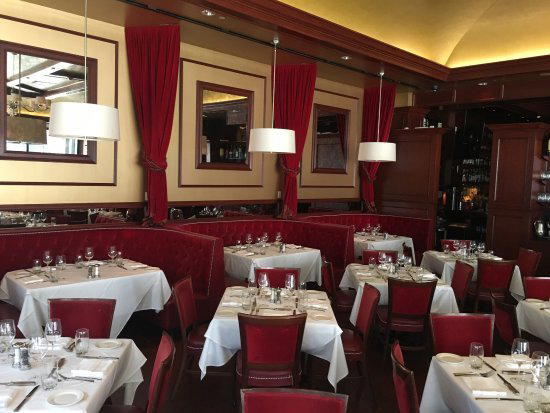
The American Steakhouse, Chicago-Style
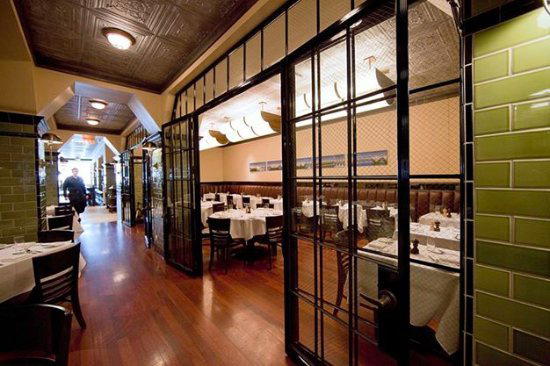
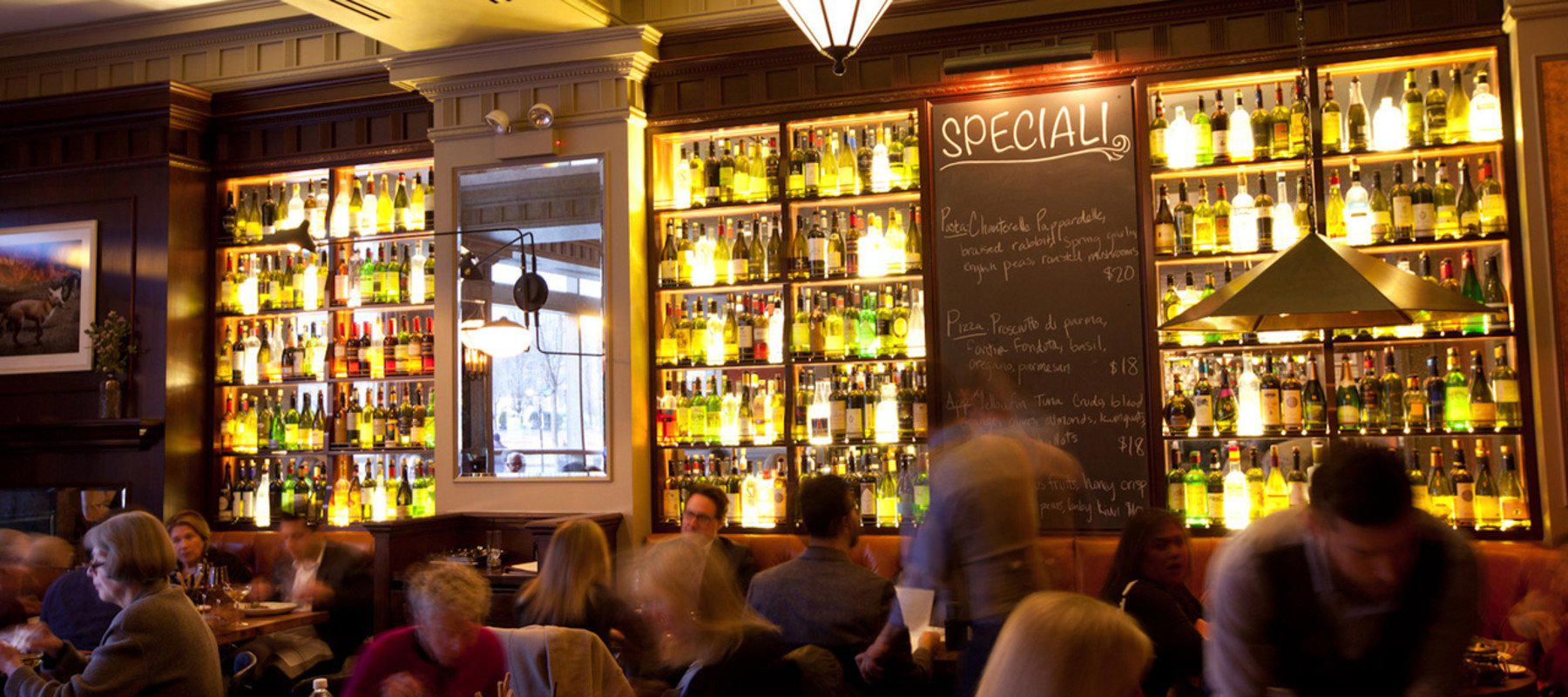
There is a particular grammar to the great American steakhouse that Chicago has always spoken fluently. The city's meatpacking history, its position as a rail hub, and its deep working relationship with the cattle industry made it one of the places where the steakhouse format was not imported but grown from the ground up. The wraparound windows along the Chicago River at 300 N La Salle frame that tradition in its contemporary form: a room that moves at pace, red leather furnishings worn with purpose rather than as decoration, warm wood trim absorbing the noise of a full house, and a service team that reads the room rather than performing for it. Chicago Cut sits inside this tradition and takes it seriously.
The steakhouse as a dining category occupies a specific position in Chicago's restaurant geography. At the upper end, places like Maple & Ash have pushed the format toward a looser, fire-forward register, while Gibsons Bar & Steakhouse anchors the old-school Chicago power-dining model. Bavette's Bar & Boeuf leans into the dim-lit French brasserie steakhouse hybrid. Chicago Cut occupies a different lane: riverfront, contemporary in its physical feel, but classical in its commitment to the beef itself.
Beef as the Central Argument
The dry-aging program at Chicago Cut is the operational fact that anchors its position in the Chicago steakhouse conversation. Prime beef is butchered and aged in-house for 35 days, a process that concentrates flavor through controlled moisture loss and enzymatic activity. Most volume-focused steakhouses outsource this step, receiving pre-aged cuts from a supplier. Doing it in-house gives a kitchen direct control over the progression and allows for consistency across the menu. The Porterhouse, a cut that tests any dry-aging program because it carries both a strip and a tenderloin separated by a T-bone, arrives pre-sliced and plated per guest, which is a service decision as much as a culinary one: it signals that the kitchen is thinking about how beef is actually eaten, not just how it photographs.
2024 Michelin Plate recognition, while below star level, is a citation that Michelin uses to acknowledge restaurants serving food of consistent quality. In a city where Bavette's, Prime & Provisions, and Bazaar Meat all operate within the same premium beef segment, that citation has competitive meaning. It places Chicago Cut within a recognized comparable set rather than outside it.
The Sides Are Not Optional
In the American steakhouse tradition, sides are not afterthoughts. They are the supporting structure that makes the beef course into a meal, and they often reveal more about a kitchen's technical competence than the steak itself. A dome of hashbrowns requires proper fat temperature and timing to achieve the right exterior and interior contrast. Creamed spinach with nutmeg is a preparation that goes back through the lineage of American chophouses to the nineteenth century, and doing it correctly means understanding the ratio of cream reduction to spinach volume and the moment nutmeg shifts from aromatic to dominant. Grilled asparagus with the right char-to-tenderness ratio on a busy service line is a question of grill management and timing discipline. These are the details that separate a kitchen executing its menu from one that has built it. The restaurant treats its side menu as part of the argument, not as a supplement to it.
For guests who approach the menu without a beef preference, the cedar-planked salmon with sriracha-honey glaze represents the kitchen's acknowledgment that steakhouse tables are rarely monolithic in their ordering. It is a practical inclusion rather than a statement of ambition, and it functions well in that role.
The River Setting and the Room
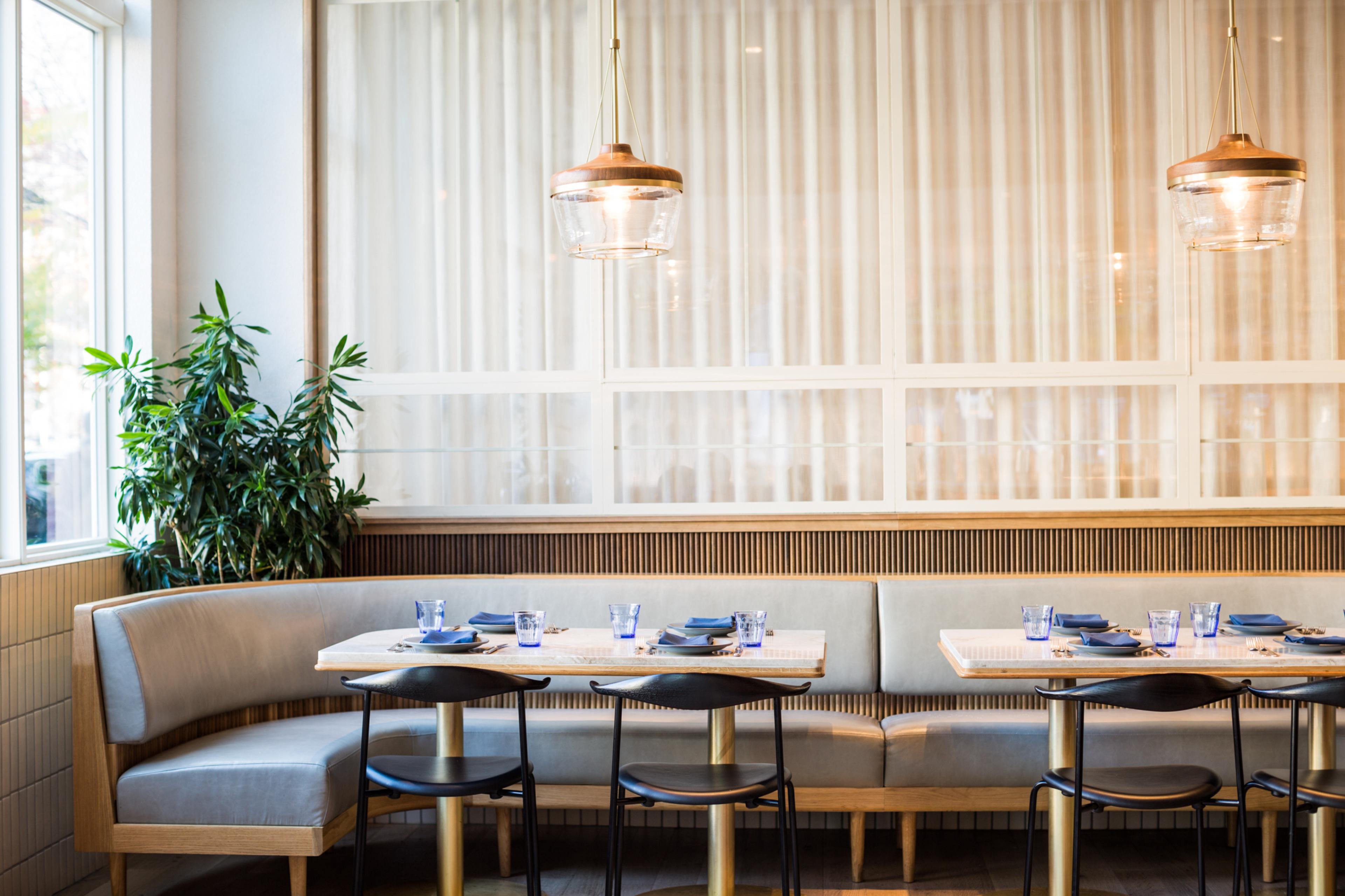
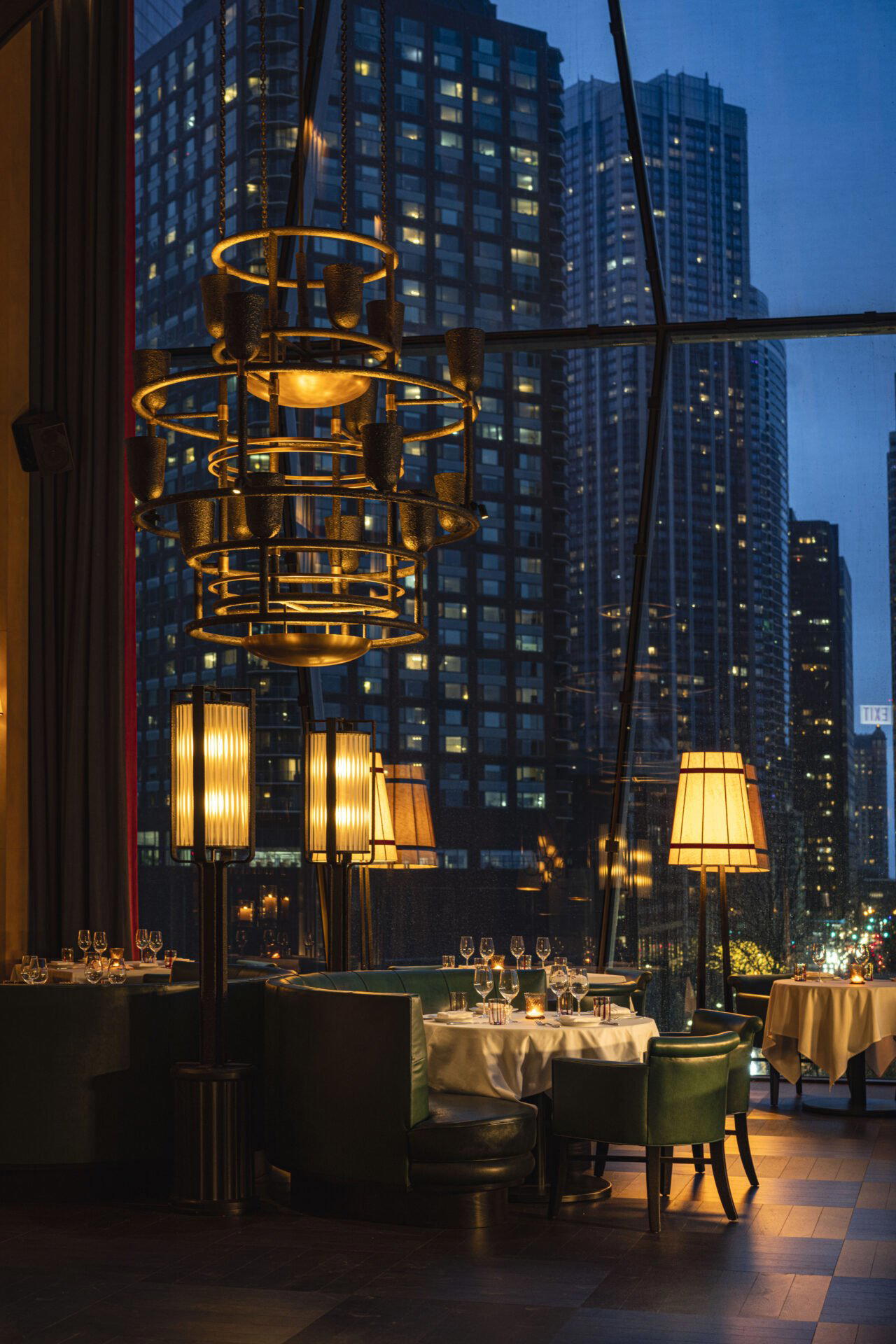
Location at the Chicago Riverfront is not incidental to how the room operates. The wraparound windows at 300 N La Salle put the city's infrastructure on display: the river, the bridges, the movement of the downtown core. Steakhouses have historically anchored themselves to locations that communicate a sense of place and permanence, from the old Chicago stockyards-adjacent restaurants to the current cluster of premium dining options along the river corridor. The physical environment at the restaurant, red leather and warm timber against the river view, is calibrated for both business dining and occasion meals, and the service team appears to understand the difference without needing to be instructed on it.
Chicago's restaurant scene also encompasses a significant Michelin-starred tier, including three-star institutions like Alinea and Smyth, where progressive American tasting menus define the upper ceiling of the city's fine dining ambition. The restaurant operates in a parallel register, one where the measure of success is not innovation but execution of a known form at a high and consistent level. Both registers are legitimate, and both have audiences. The steakhouse tradition, at its most serious, is as technically demanding as any tasting menu format; the variables are different, but the discipline required is comparable.
Planning Your Visit
The restaurant is located at 300 N La Salle Drive in the River North neighborhood, accessible from the main loop and within walking distance of several major hotels. The price range sits at the upper-middle tier of the Chicago dining market, consistent with in-house dry-aged prime beef programs and riverfront real estate. Reservations are advisable, particularly for dinner service and weekend lunches, given the restaurant's consistent volume across more than 3,100 reviews. The room runs from Monday through Saturday, with Sunday closed, making it functional for both the business midday and the longer dinner occasion.
For comparative reference outside Chicago, the steakhouse format at the premium end plays differently in other American cities. Capa in Orlando operates within a resort context that changes the room dynamic considerably, while A Cut in Taipei represents how the American steakhouse model translates into the Asian fine dining circuit. The Chicago version, with its river setting and deep local roots, remains one of the cleaner expressions of the format on its own terms. Other Michelin-recognized destinations in the American fine dining network, including Le Bernardin in New York City, The French Laundry in Napa, Lazy Bear in San Francisco, Single Thread Farm in Healdsburg, Providence in Los Angeles, and Emeril's in New Orleans, each operate within distinct regional traditions. The Chicago steakhouse tradition is its own chapter in that story, and the restaurant is one of the places where that chapter reads clearly.
What Regulars Order
What do regulars order at Chicago Cut?
The ordering pattern at the restaurant follows the logic of its dry-aging program. The Porterhouse, dry-aged in-house for 35 days and pre-sliced per guest, is the centerpiece order, delivering both strip and tenderloin from a single cut. Sides are treated as mandatory rather than optional: the dome of hashbrowns, creamed spinach with nutmeg, and grilled asparagus each have specific preparation details that reward ordering them. The 2024 Michelin Plate recognition and the consistent 4.4 rating across a high review volume suggest the kitchen executes this combination reliably across service. For non-beef orders, the cedar-planked salmon with sriracha-honey glaze is the main alternative, but the menu is built around beef and orders accordingly.
Awards and Standing
Comparable venues nearby, for context on price, style, and recognition.
| Venue | Cuisine | Price | Awards | Notes |
|---|---|---|---|---|
| Chicago CutThis venue — the venue you are viewing | Classic Chicago Steakhouse | $$$$ | Michelin Plate | Not listed |
| Asador Bastian | Basque-Inspired Steakhouse | $$$$ | Not listed | River North |
| Joe’s Seafood, Prime Steak & Stone Crab | Seafood, Prime Steak & Stone Crab | $$$$ | Not listed | River North |
| SuSu | MediterrAsian Steakhouse | $$$$ | Not listed | West Loop |
| Maple & Ash | Modern Steakhouse | $$$$ | Michelin Plate | Gold Coast |
| Bavette’s Bar & Boeuf | Classic Steakhouse with French Flair | $$$$ | Michelin Plate | River North |
Recognition history
Dated appearances from independent guides and award organizations, with the underlying list record or original source where available.
Michelin Plate
Michelin
Michelin Plate
Michelin



At a Glance
- Elegant
- Sophisticated
- Classic
- Date Night
- Business Dinner
- Celebration
- Special Occasion
- Waterfront
- Open Kitchen
- Private Dining
- Extensive Wine List
- Waterfront
- Skyline
Current opening hours
- Monday
- 11 AM–10 PM
- Tuesday
- 11 AM–10 PM
- Wednesday
- 11 AM–10 PM
- Thursday
- 11 AM–10 PM
- Friday
- 11 AM–11 PM
- Saturday
- 11 AM–11 PM
- Sunday
- Closed
Hours can change for holidays and private events. Last verified .
Elegant steakhouse atmosphere with crimson decor, mirrors, and lively buzz, enhanced by riverfront window views.