Che Figata
Our verdict
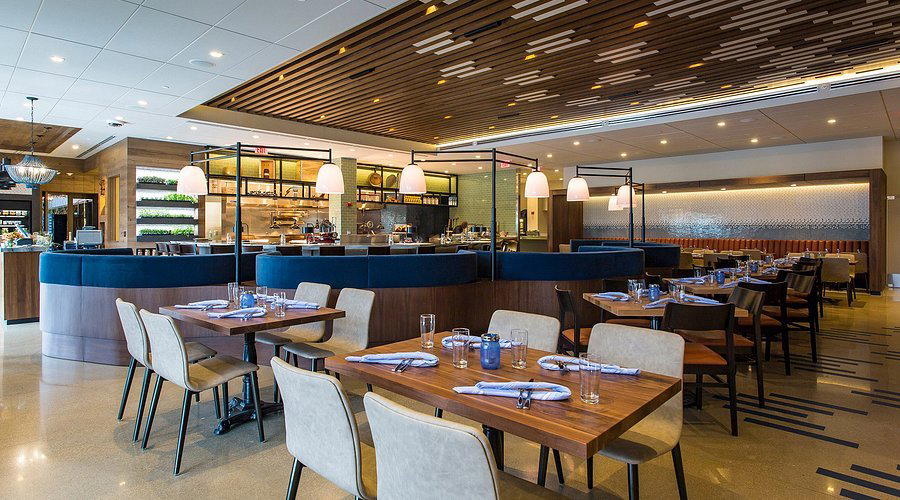
Che Figata sits in Naperville’s City Gate district, away from the dense downtown Chicago dining circuit, which gives it a different role in the region’s restaurant map. The useful read here is suburban Italian-American dining shaped by all-day service hours, office-park convenience, and the growing expectation that ingredient sourcing and kitchen clarity matter outside the city core.

Pearl is the En Primeur Club membership app — saves, bookings, and concierge access live there. Same editors, same standards.
The menu
What to order
- House-made pastas
- Wood-fired meats
- Wood-fired pizzas
- Mediterranean seafood
Approaching a restaurant in Chicago is a different proposition from walking into a dense downtown dining room. The cues can be practical as much as theatrical: access, nearby offices, visitor traffic, and a dining audience that may be mixing weekday meals, business lunches, and evening plans around the same destination. Che Figata belongs to that Chicago category, where the room has to work across several kinds of visit rather than perform as a single dinner-only stop.
That format matters for how to read the experience. In central Chicago, dining often splits into tightly planned special-occasion meals, neighborhood institutions, and polished downtown rooms built around wine and expense-account pacing. Elsewhere in the city, the stronger test is consistency across a broader audience. The question becomes less about slogans and more about structure: can the restaurant feel coherent for different kinds of diners without blurring the identity of the table?
Chicago dining has moved past the default
Chicago cooking has long carried parallel identities. One is tradition-minded dining, built around abundance, familiar formats, and repeat comfort. The other is more restrained dining, where the argument comes from pacing, texture, and a clear sense of purpose rather than excess. Che Figata is most useful to consider within that broader conversation, without leaning on chef mythology or award shorthand.
The wider Chicago market has become more serious because diners no longer treat a single neighborhood as the only marker of ambition. Commercial clusters across the city now support restaurants that need to serve business travelers, families, and locals who know the difference between generic comfort and a room with a defined point of view. That does not make every dining room ambitious; it makes the competitive set sharper. Nearby names such as Arista Coffee & Cafe and CityGate Grille point to the same practical ecosystem, where convenience and repeat use matter as much as occasion dining.
Consistency is also where restaurants expose shortcuts quickly. Bread service, oils, salad greens, cheese quality, and prepared proteins all register before a diner reaches the main course. A restaurant serving more than one kind of occasion has less room to treat execution as theatre. The useful question is not whether the menu reads with a familiar label, but whether the room, service, and kitchen can support a coherent point of view throughout the visit.
Chicago access changes the usual dining calculus
Chicago restaurant coverage often over-indexes on neighborhoods with dense public transit, late-night bar traffic, and a concentration of critics. Che Figata sits in a different kind of pattern. It is best read through planned arrivals and a clientele that may be arriving from offices, hotels, or homes rather than a night out downtown. That shifts the editorial lens from glamour to utility: the dining room has to be credible for a weekday meeting and relaxed enough for a non-special-occasion dinner.
This is where Che Figata’s role becomes part of the story, not just a logistical footnote. It reads as a restaurant designed for practical repeat use rather than a single narrow occasion. That also places pressure on the operation to make service, pacing, and kitchen systems do more work than they would in a purely destination-driven format.
For travelers mapping the wider region, this is not a substitute for the dense restaurant crawl of central Chicago; it is a different kind of stop. The better comparison is with reliable full-service restaurants, hotel-adjacent dining rooms, and polished neighborhood rooms that trade on consistency. Mesón Sabika, Naf Naf, and Tasty Chef sit in the broader conversation for different reasons, but together they show how dining around Chicago is not one category. It includes heritage restaurants, fast-casual formats, and full-service rooms competing for different occasions.
How to place it within a wider Chicago itinerary
Che Figata makes the most sense when the day already points toward Chicago plans that reward practical access: meetings, hotel stays, family plans, or a route that does not justify doubling back across town for dinner. The value proposition is not scarcity or trophy positioning; it is a full-service meal in a part of the market where access shapes the decision as much as culinary intent.
Readers building a city-wide dining plan should treat this as one tile in a larger mosaic rather than a proxy for Chicago’s restaurant scene. For downtown and neighborhood context, start with Our full Chicago restaurants guide, then compare the city’s broader hospitality map through Our full Chicago hotels guide, Our full Chicago bars guide, Our full Chicago wineries guide, and Our full Chicago experiences guide. Within the local restaurant index, use other Chicago dining rooms as context rather than treating any single stop as representative of the whole city.
For a cross-city read on how practical casual and mid-market restaurants translate beyond a single neighborhood, compare the way format drives expectation at other dining rooms in major coastal, island, and international markets. The common thread is not cuisine; it is the way a restaurant’s setting, service window, and operational discipline define the experience before any single dish does.
Frequently asked questions
Is Che Figata okay with children?
Yes, Che Figata’s Chicago setting and practical service style can make it a workable choice for families. Check the restaurant’s current schedule before planning around a specific meal period.
What's the vibe at Che Figata?
Che Figata reads as a practical Chicago restaurant rather than a late-night destination room. The feel is oriented toward everyday use, repeat visits, and a more relaxed pace than a high-gloss downtown dining room.
What are Che Figata's hours?
Che Figata’s hours can vary, so confirm the current schedule directly with the restaurant before visiting.
Where is Che Figata located?
Che Figata is located in Chicago.
What's the standout thing about Che Figata?
The standout detail is its usefulness within a Chicago itinerary: it fits best when practical access, repeat use, and a full-service meal matter more than trophy positioning.
Side-by-Side Snapshot
Side-by-side context: comparable cuisine and price.
| Venue | Cuisine | Price |
|---|---|---|
| Che FigataThis venue — the venue you are viewing | Italy-to-table modern Italian | $50–100 |
| Arista Coffee & Cafe | Not listed | $10–20 |
| CityGate Grille | USDA Prime Steakhouse with Mediterranean Influences | $50–100 |
Continue exploring
More in Chicago
Restaurants in Chicago
All restaurants in Chicago →
Bars in Chicago
All bars in Chicago →
Hotels in Chicago
All hotels in Chicago →
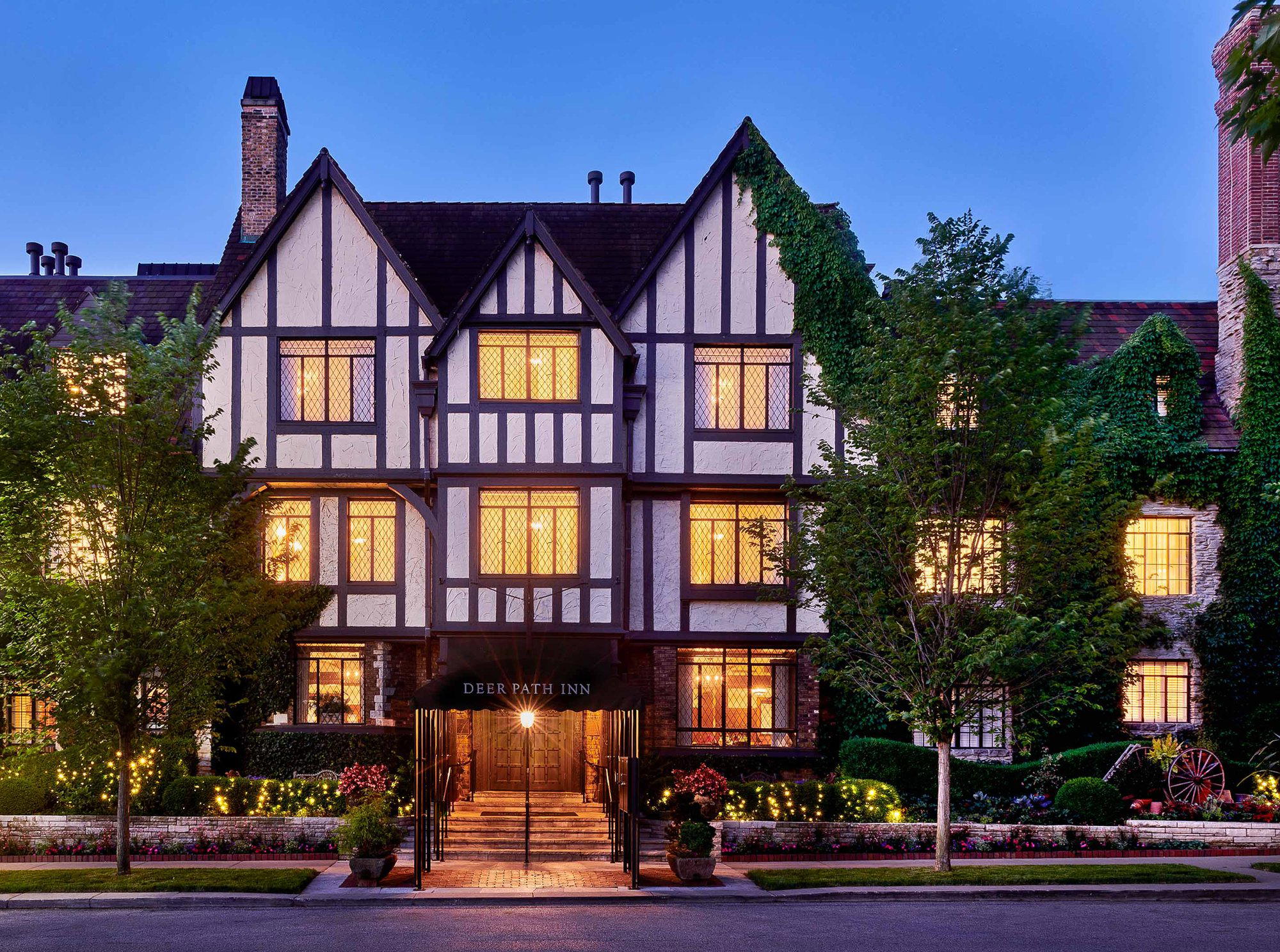
Che Figata
The wine
- Wine program
- Curated wine list
- Extensive wine list
- Craft cocktails
- Beer program
Details
- Modern
- Elegant
- Trendy
- Cozy
- Date Night
- Business Dinner
- Group Dining
- Celebration
- Special Occasion
- After Work
- Open Kitchen
- Private Dining
- Hotel Restaurant
- Terrace
- Craft Cocktails
- Extensive Wine List
- Beer Program
- Local Sourcing
- A La Carte
- Prix Fixe
- Wine
- Cocktails
- Beer
- Vegetarian Friendly
- Gluten Free Options
Current opening hours
- Monday
- 7–10 AM
- Tuesday
- 7 AM–2 PM, 5–9 PM
- Wednesday
- 7 AM–2 PM, 5–9 PM
- Thursday
- 7 AM–2 PM, 5–9 PM
- Friday
- 7 AM–2 PM, 5–9 PM
- Saturday
- 7 AM–2 PM, 5–9 PM
- Sunday
- 7 AM–2 PM
Hours can change for holidays and private events. Last verified .
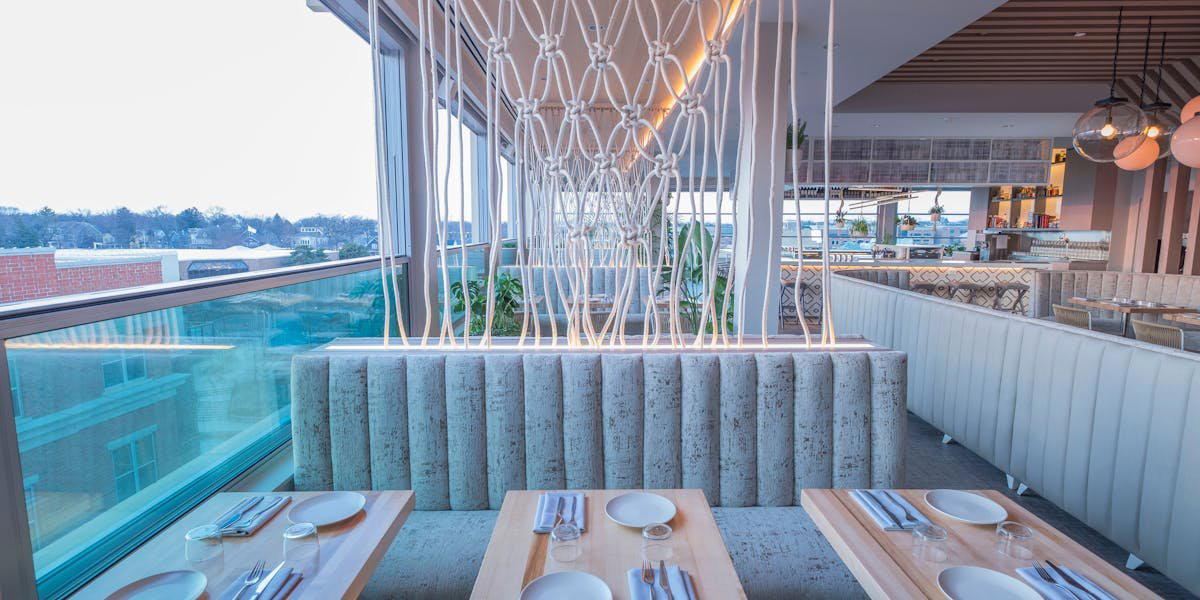
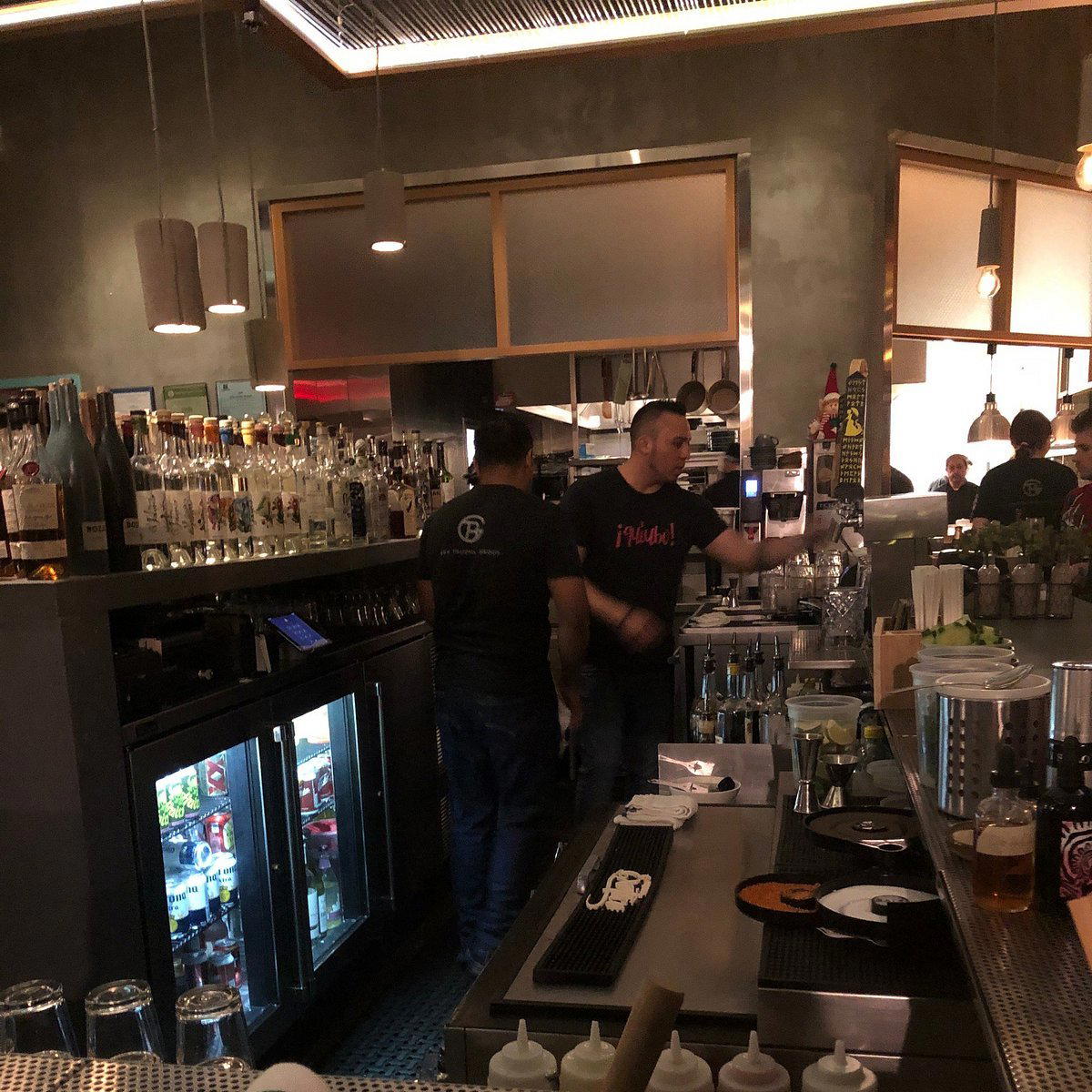
Warm, modern and stylish atmosphere with an open kitchen and horseshoe bar, creating a lively, upscale yet comfortable setting often described as a low-profile address with top‑notch service.