
Guía Repsol 1 Sol
Our verdict
Casa Irene belongs to the mountain-dining grammar of Arties, where Pyrenean produce, winter appetite and village scale matter more than urban theatre. Its 1 Sol recognition in the Guía Repsol Soles 2026 places it in a serious Spanish dining tier without turning the experience into a formal tasting-menu statement.

Pearl is the En Primeur Club membership app — saves, bookings, and concierge access live there. Same editors, same standards.
- Address
- Carrer Major, 22, 25599 Arties, Lleida, Spain
- Website
- hotelcasairene.com
- Directions
- Get directions
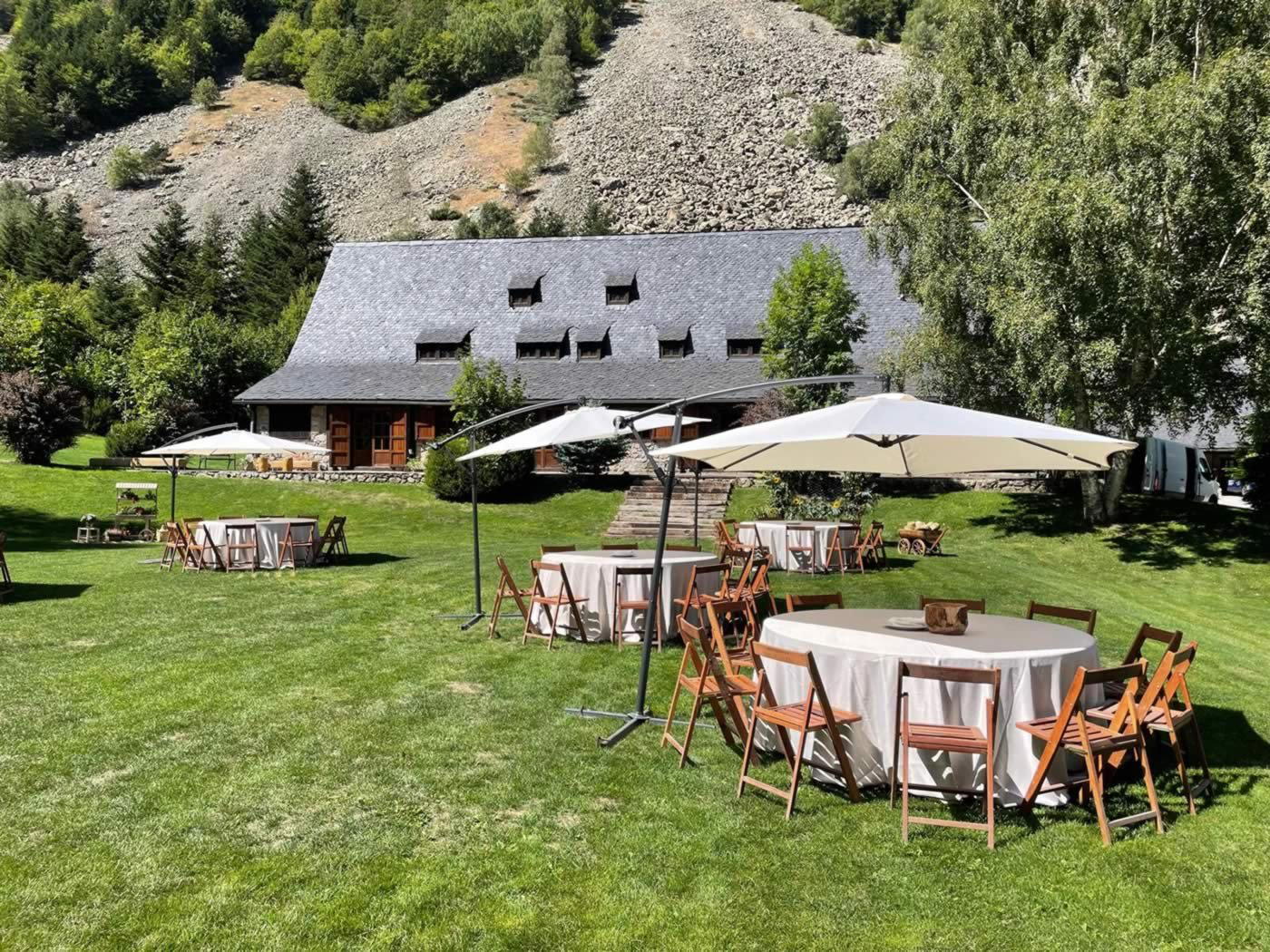
The menu
What to order
- Gers goose cannelloni
- Cherry gazpacho
- Fideuá
- Hake
- Roast lamb
- Fine apple pie
Arties is the kind of village where the approach matters: stone façades, tight streets, clear air and a dining culture shaped by the scale of the place rather than metropolitan fashion. Casa Irene sits inside that context, not apart from it. Its place in Arties puts it in the village fabric, where restaurants have to answer a practical question before anything decorative: what does this setting feel like when the table is expected to carry weight?
The answer here is rarely about delicacy for its own sake. Dining in Arties is best understood through season, appetite and the expectations of people who come to the village for more than a quick stop. Casa Irene’s relevance comes from how it belongs to that setting.
Local setting gives the table its weight
Ingredient-led dining in a village works differently from ingredient-led dining on the coast or in a capital. The point is not endless variety; it is concentration. The pantry and the room are read through place, and stronger kitchens learn to make that constraint feel deliberate. In Arties, that means the meal is judged by how well it translates the surrounding setting into structure: warmth, depth, comfort and the kind of table confidence that can survive scrutiny.
Casa Irene fits a regional pattern that serious travellers should understand before comparing it with restaurants in Madrid, Barcelona or San Sebastián. The performance here is not necessarily the open-kitchen choreography of a city counter or the long arc of an avant-garde dégustation. It is closer to an argument for continuity: a restaurant refined enough to earn national attention, but still legible as part of Arties rather than imported from a trend cycle. Arties adds another register. Its setting rewards travellers who pay attention to scale, pace and terrain without needing the restaurant to imitate a larger city. A restaurant in Arties cannot make the same promises as a restaurant on the coast, in a capital or in a large inland city, and it should not try.
How Casa Irene compares in the Arties orbit
Within the local and nearby dining orbit, the useful comparison is not a single rival but a spectrum. El Niu, Roc´n´Cris, Era Coquèla, Eth Bistro Gastro Espai and Es Arraïtzes give travellers other ways to read the area, from everyday village dining to more deliberate restaurant choices. Casa Irene’s 1 Sol recognition places it in a different decision category: less about simply finding a warm table, more about choosing a restaurant where the local setting has been scrutinised by a national guide.
That does not make the experience formal by default. In village settings, seriousness often arrives without urban ceremony. The room, the pace and the cooking can remain grounded while the execution carries the distinction. This is where Casa Irene is useful for a traveller building an Arties itinerary: it gives the village a restaurant with external validation, but the larger reason to go is the chance to understand how dining in Arties reads when it is handled with ambition rather than nostalgia alone.
For wider Spanish context, compare the role rather than the cuisine. Capital-city restaurants belong to one conversation, coastal dining rooms carry another frame, and village settings change the rhythm of a meal in their own way. Casa Irene belongs in that map as an Arties address whose recognition gives travellers a clear reason to look beyond the usual urban and coastal routes.
Where it fits in an Arties stay
Arties is compact enough that dining choices tend to anchor the evening rather than fill a spare slot. Casa Irene is better read as the serious meal of a village stay, especially for travellers who want the restaurant to explain something about the place. The planning logic is simple: make it the night when the setting is the focus, then use the rest of the itinerary for lower-pressure meals, bars, hotels, wineries or outdoor experiences.
For broader planning, EP Club’s local guides are the cleaner way to map the village around the table: Our full Arties restaurants guide, Our full Arties hotels guide, Our full Arties bars guide, Our full Arties wineries guide and Our full Arties experiences guide. For readers comparing how restaurant formats change from one place to another, other dining scenes sit in completely different conversations, useful mainly as a reminder that format and place are inseparable.
The editorial case for Casa Irene is therefore narrow and strong: choose it when the aim is not novelty, but a more considered reading of dining in Arties. The 2026 Guía Repsol Sol gives the restaurant a clear trust signal; the village setting gives the meal its reason for being.
Frequently asked questions
Is Casa Irene a family-friendly restaurant?
Casa Irene is in Arties, so it works as a village restaurant rather than a formal urban dining room. The Guía Repsol 1 Sol points to a more serious dining standard than a casual café.
How would you describe the vibe at Casa Irene?
Expect an Arties setting with a dining-room feel shaped by the village rather than by scene-making theatrics. Its place in Arties and the 1 Sol from Guía Repsol suggest a focused, restaurant-led atmosphere.
What part of town is Casa Irene in?
Arties.
How hard is it to get a table at Casa Irene?
The most concrete signal is the Guía Repsol 2026 1 Sol, which places Casa Irene in a bracket that can reward advance planning. Its location in Arties also means it should be treated as a destination meal rather than an afterthought.
What's the standout thing about Casa Irene?
The standout is the Guía Repsol 2026 1 Sol, a formal recognition that gives the restaurant credibility beyond its Arties address. For a village dining room, that is the clearest marker to watch.
Fast Comparison
Comparable venues by cuisine and price in the same metro.
| Venue | Cuisine | Price | Awards |
|---|---|---|---|
| Casa IreneThis venue — the venue you are viewing | Refined Pyrenees & Spanish mountain cuisine | $50–100 | Guía Repsol 1 Sol |
| Es Arraïtzes | Peruvian | Not listed | Not listed |
| El Niu | Traditional Cuisine | Not listed | Not listed |
| Roc´n´Cris | Fusion | Not listed | Not listed |
| Era Coquèla | Contemporary | Not listed | Not listed |
| Eth Bistro Gastro Espai | Contemporary | Not listed | Not listed |
Recognition history
Dated appearances from independent guides and award organizations, with the underlying list record or original source where available.
Guía Repsol 1 Sol
Guía Repsol
Details
- Cozy
- Classic
- Elegant
- Romantic
- Rustic
- Date Night
- Family
- Celebration
- Special Occasion
- Group Dining
- Private Event
- Hotel Restaurant
- Private Dining
- Garden
- Historic Building
- Extensive Wine List
- Local Sourcing
- Mountain
- Garden
- A La Carte
- Set Menu
- Wine
- Vegetarian Friendly
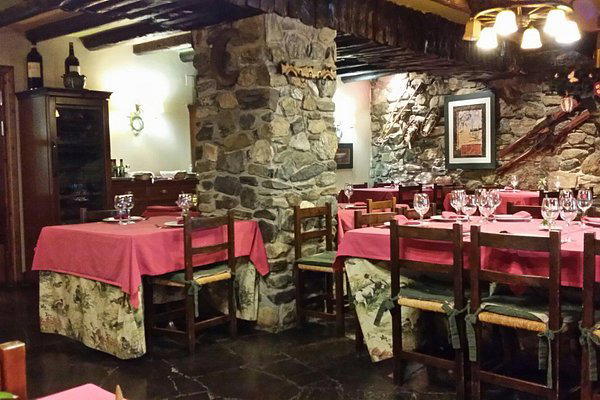
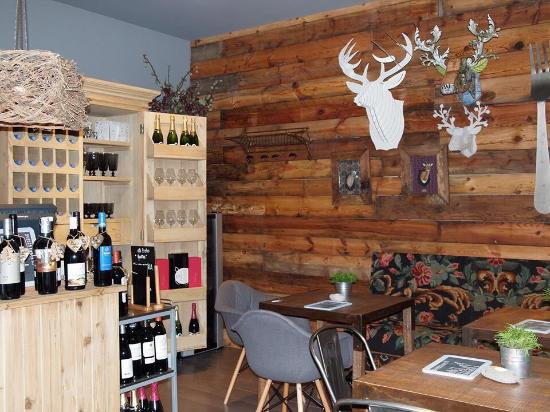
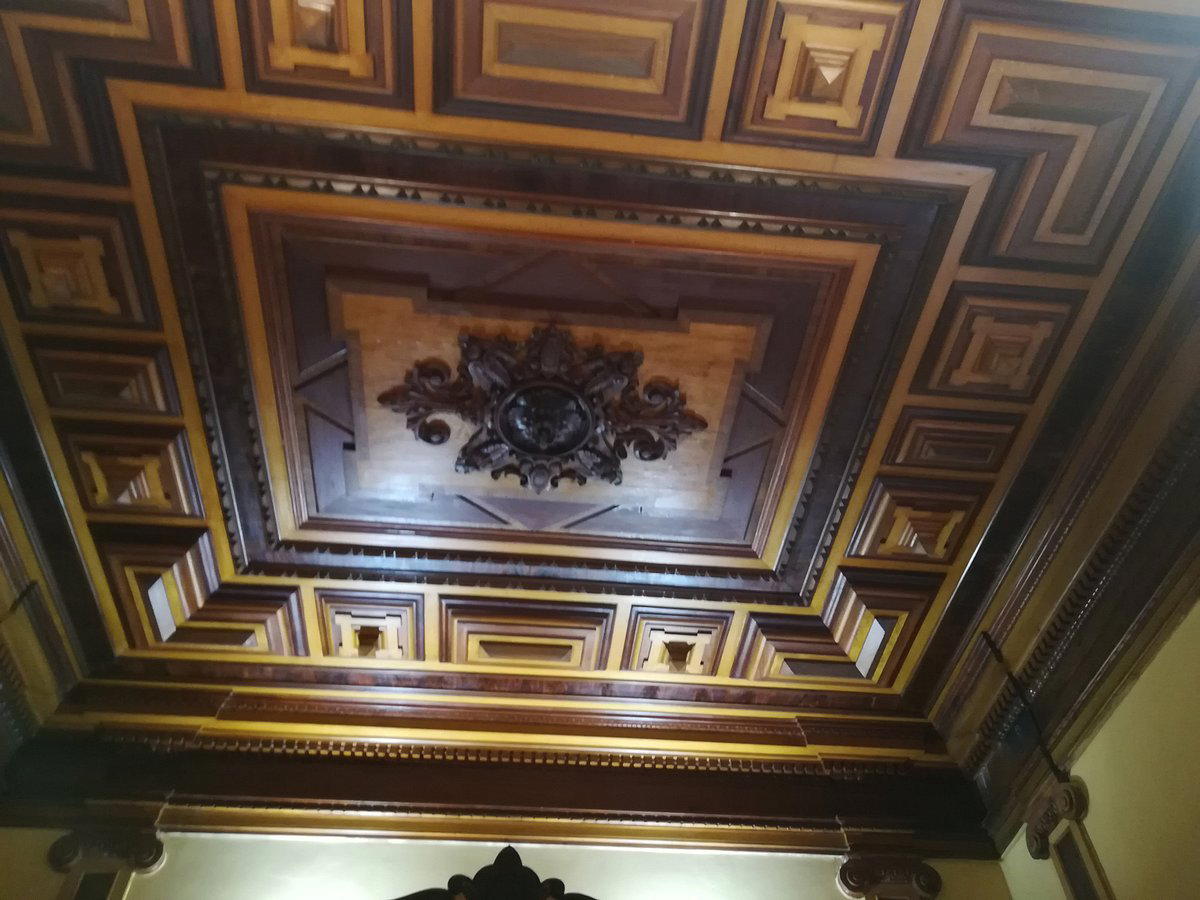
A warmly decorated mountain-style dining room with classic, cozy touches, creating an intimate yet relaxed atmosphere that blends rustic charm with understated elegance, well-suited to leisurely dinners and special occasions.