Carmen
Our verdict
Carmen sits in Courchevel, where dining is shaped by altitude, ski-season pacing, and the tension between Savoyard comfort and international luxury expectations. Treat it as part of the resort’s broader table culture rather than a stand-alone pilgrimage: the value lies in how it fits a village built around cold-weather appetite, high-spend guests, and ingredients that read differently after a day on the mountain.

Pearl is the En Primeur Club membership app, where members save venues, book tables and use the concierge.
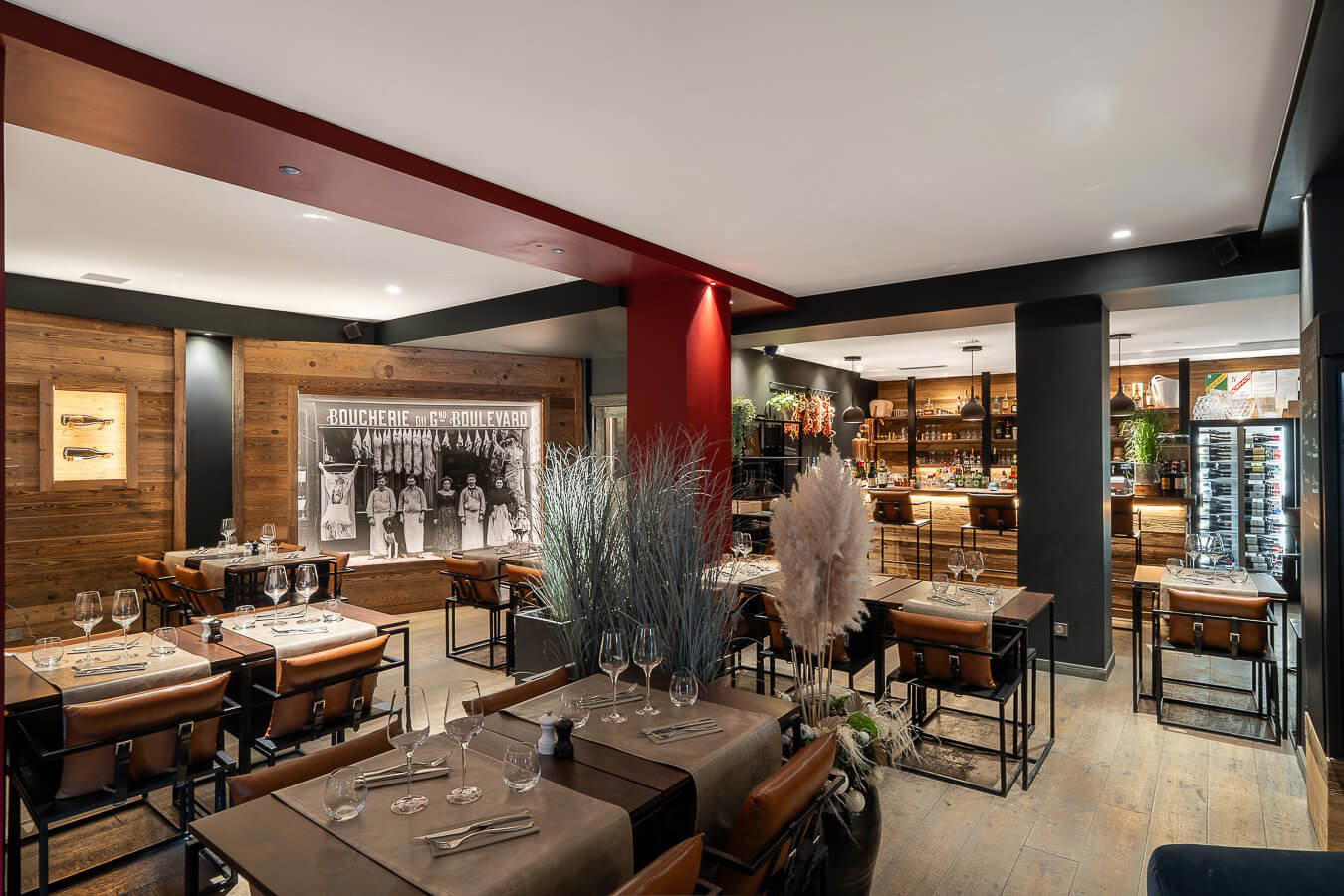
Approaching a restaurant in Courchevel is never neutral. Boots, wool, polished stone, and the quick drop in temperature between street and doorway all shape the appetite before a menu appears. In this resort, dining is tied to altitude as much as address: long lunches stretch after morning runs, dinners start with the fatigue of cold air, and the room has to carry guests who may be moving between private stays, hotel formality, and late-night plans in the same evening.
Carmen belongs to that Courchevel rhythm. The smarter way to read it is not through a forced list of accolades or a chef biography, but through the resort’s ingredient logic. Mountain dining rewards fat, heat, dairy, preserved produce, and careful seasoning because the setting asks for food with weight. That does not mean every table must follow one local template, but even international formats in Courchevel are judged against the same question: does the cooking make sense after snow, altitude, and a day spent outside?
Courchevel dining is built around appetite, sourcing, and altitude
The resort’s restaurant scene divides into several clear lanes. There is the Alpine comfort tradition, where cheese, potatoes, charcuterie, and slow warmth carry the meal. There is the luxury-hotel dining tier, where technique and service cadence matter as much as what comes from the kitchen. There is also the imported party-restaurant format, which treats dinner as a prelude to music and late service. Carmen sits within this competitive mix, and that makes context more useful than hype.
Ingredient sourcing matters here because Courchevel is not an agricultural town pretending otherwise. It is a high-altitude resort supplied through mountain logistics, regional producers, and the expectations of an international winter clientele. The strongest tables in the area tend to understand that constraint rather than disguise it. Alpine cheeses, cured meats, freshwater fish, winter vegetables, game when seasonally appropriate, and pastry work with butter and cream all have a different authority in the mountains than they do in a coastal or capital-city dining room.
For comparison inside the resort, other Courchevel dining rooms represent the more explicitly contemporary mountain-dining conversation, while polished hotel restaurants speak to the formal service lane. Some addresses lean closer to the social, high-energy side of the resort, while others show how non-Alpine formats adapt to ski-resort demand. Those comparisons are useful because Courchevel is a small market with several dining personalities operating at once.
The measure is not ceremony, but whether the room fits the resort
Courchevel rewards restaurants that understand tempo. Lunch can be practical, celebratory, or both; dinner often has to absorb a group with mixed energy levels, some still in slope mode and others dressed for a longer night. A restaurant here succeeds when the room does not fight the day’s itinerary. Too much ceremony can feel strained; too little structure can feel careless in a resort where guests expect precision.
Carmen’s position in that ecosystem is helped by its Courchevel setting. The village is compact, but the dining decision is rarely only about geography. Guests are usually choosing between hotel dining rooms, chalet chefs, piste-adjacent lunches, and restaurants that act as social anchors after dark. Nearby comparison points such as L'Apogée Club, Le Coin Savoyard, SALTO, La Table des Airelles, and Table de Partage show how many versions of a Courchevel meal can exist within the same winter week, from Alpine familiarity to high-gloss resort dining.
That makes Carmen better read as part of a broader Courchevel edit than as an isolated destination. Visitors building a stay should cross-reference the resort by category: Our full Courchevel restaurants guide for tables, Our full Courchevel hotels guide for where the dining scene is anchored, Our full Courchevel bars guide for the after-dinner circuit, Our full Courchevel wineries guide for wine-led planning, and Our full Courchevel experiences guide for the non-restaurant hours that shape appetite.
How to place Carmen in a French dining itinerary
French resort dining sits apart from city dining. Capital-city meals can stretch around technique and lineage; mountain resorts have to answer weather, gear, group size, and the fact that many guests are eating on holiday rather than on a critic’s schedule. That difference matters when comparing Carmen with dining elsewhere in France, whether in major cities, coastal towns, historic villages, or other Alpine destinations. The question changes by place: in Courchevel, the meal must work with the mountain first.
International comparisons can be useful only if they sharpen that point. Urban dining elsewhere belongs to entirely different eating patterns, where speed, specialization, and neighborhood repetition can matter more than ski-season pacing. Courchevel compresses its demand into a shorter winter calendar and a higher-spend leisure context, which is why atmosphere, sourcing, and timing carry so much weight.
The editorial verdict is simple: Carmen makes sense for travelers who want a Courchevel table judged through the resort’s own rules rather than through city-restaurant expectations. The draw is the fit between place and appetite: a mountain address in a village where the meal has to answer cold weather, social rhythm, and the premium expectations attached to Courchevel dining.
Frequently asked questions
Is Carmen okay with children?
Courchevel restaurants often serve mixed-age groups, and Carmen’s Courchevel setting places it in a resort where families are common. For child-friendly planning, the venue’s Courchevel location is the clearest reference point.
What is the atmosphere like at Carmen?
Expect a Courchevel dining room shaped by the resort’s pace, with lunch and dinner likely to fit ski-day traffic and evening groups. Carmen is best understood as part of the wider Courchevel restaurant scene rather than as a secluded destination.
What part of town is Carmen in?
Courchevel.
What's the best way to book Carmen?
The practical approach is to use Carmen’s official booking route if you have it from local listings. The restaurant is in Courchevel. Check the venue's official channels for the latest details.
What is Carmen known for?
Carmen is identified by its Courchevel location, which places it within one of France’s most concentrated resort dining scenes. That Courchevel setting is the main concrete marker available for the venue.
How It Stacks Up
Comparable venues by cuisine and price in the same metro.
| Venue | Cuisine | Price | Awards |
|---|---|---|---|
| CarmenThis venue (the venue you are viewing) | Modern Spanish & Mediterranean Tapas | $100–150 | Not listed |
| L'Apogée Club | Refined Alpine Lounge | Not listed | Not listed |
| Le Coin Savoyard | Traditional Savoyard French | Not listed | Not listed |
| SALTO | French-Italian Bistro | Not listed | Michelin Plate |
| La Table des Airelles | Luxury French and International Alpine Dining | $200–300 | Not listed |
Continue exploring
More in Courchevel
Restaurants in Courchevel
All restaurants in Courchevel →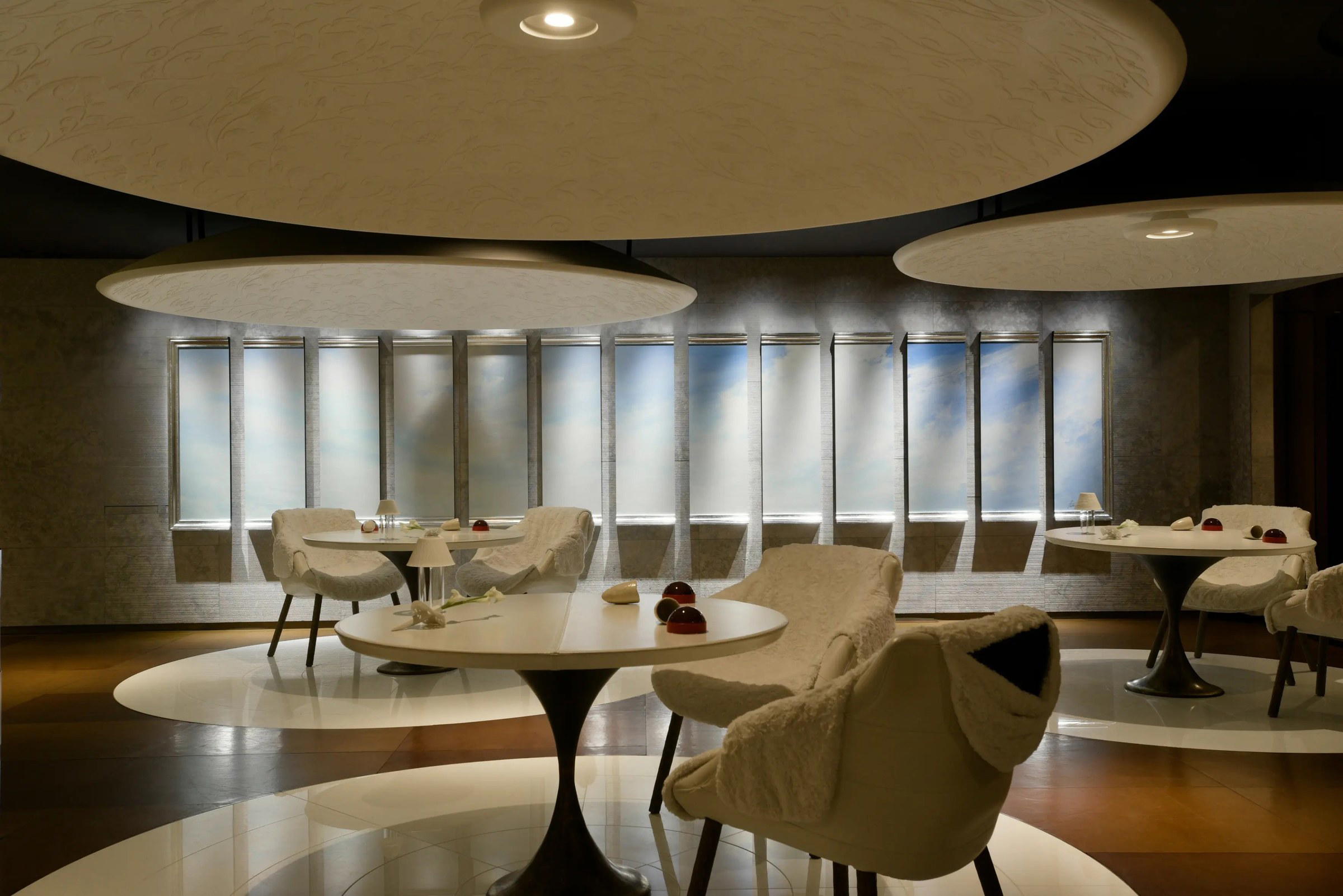
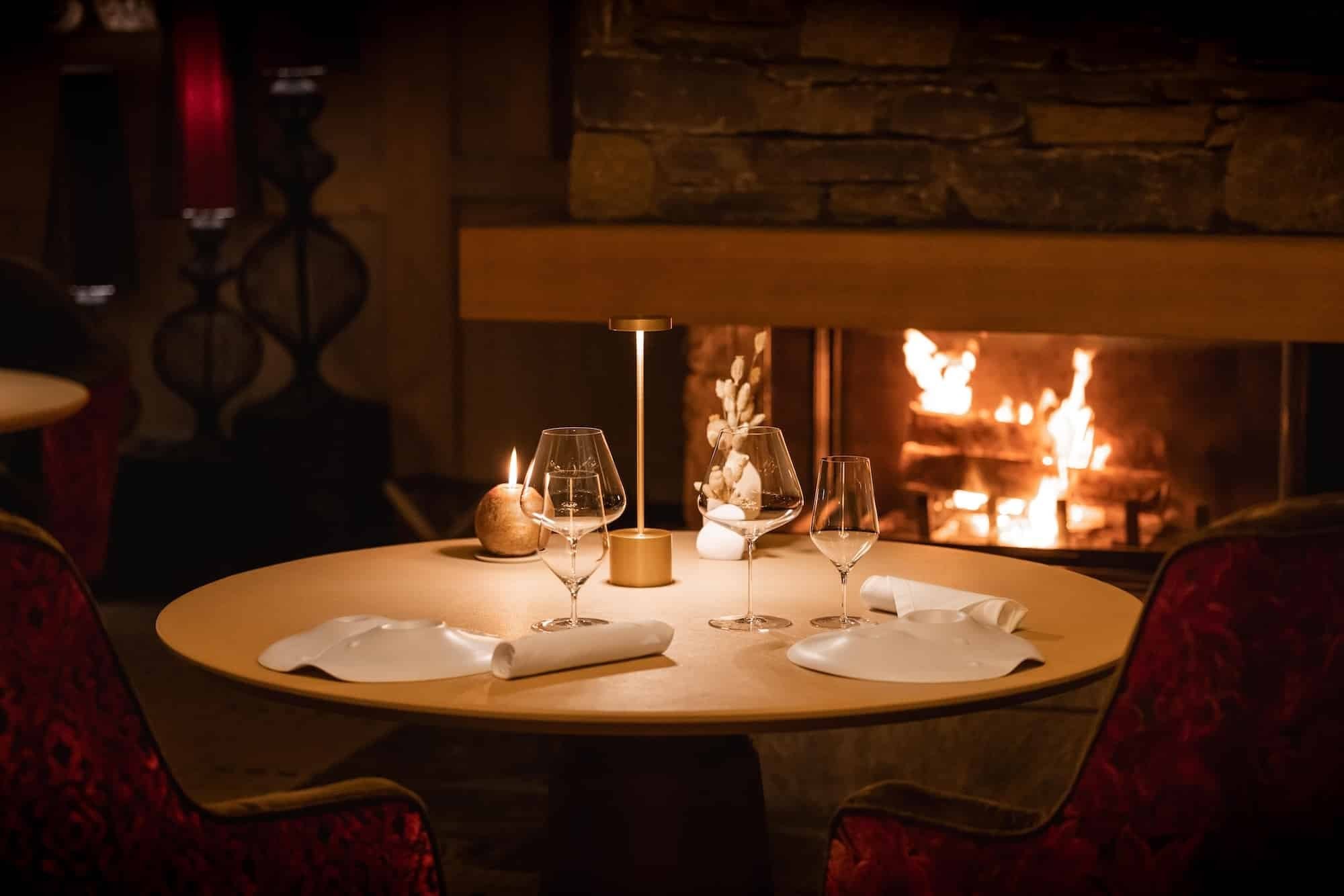
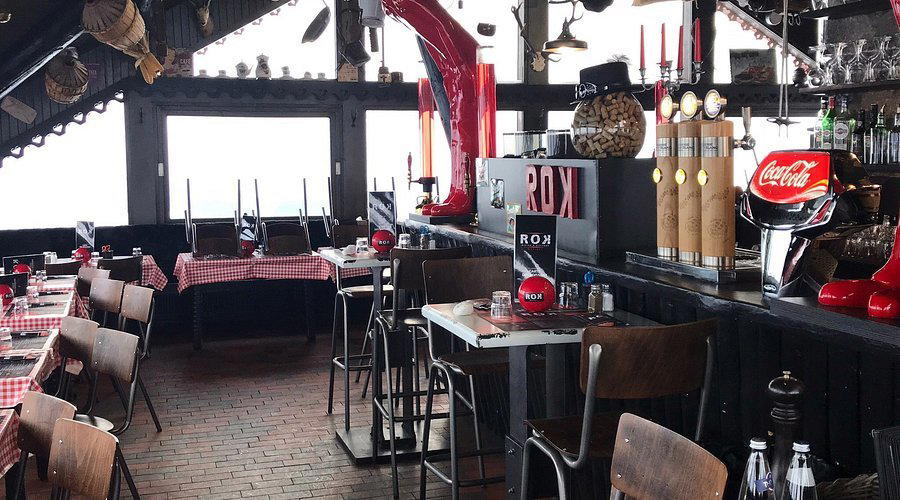
Bars in Courchevel
All bars in Courchevel →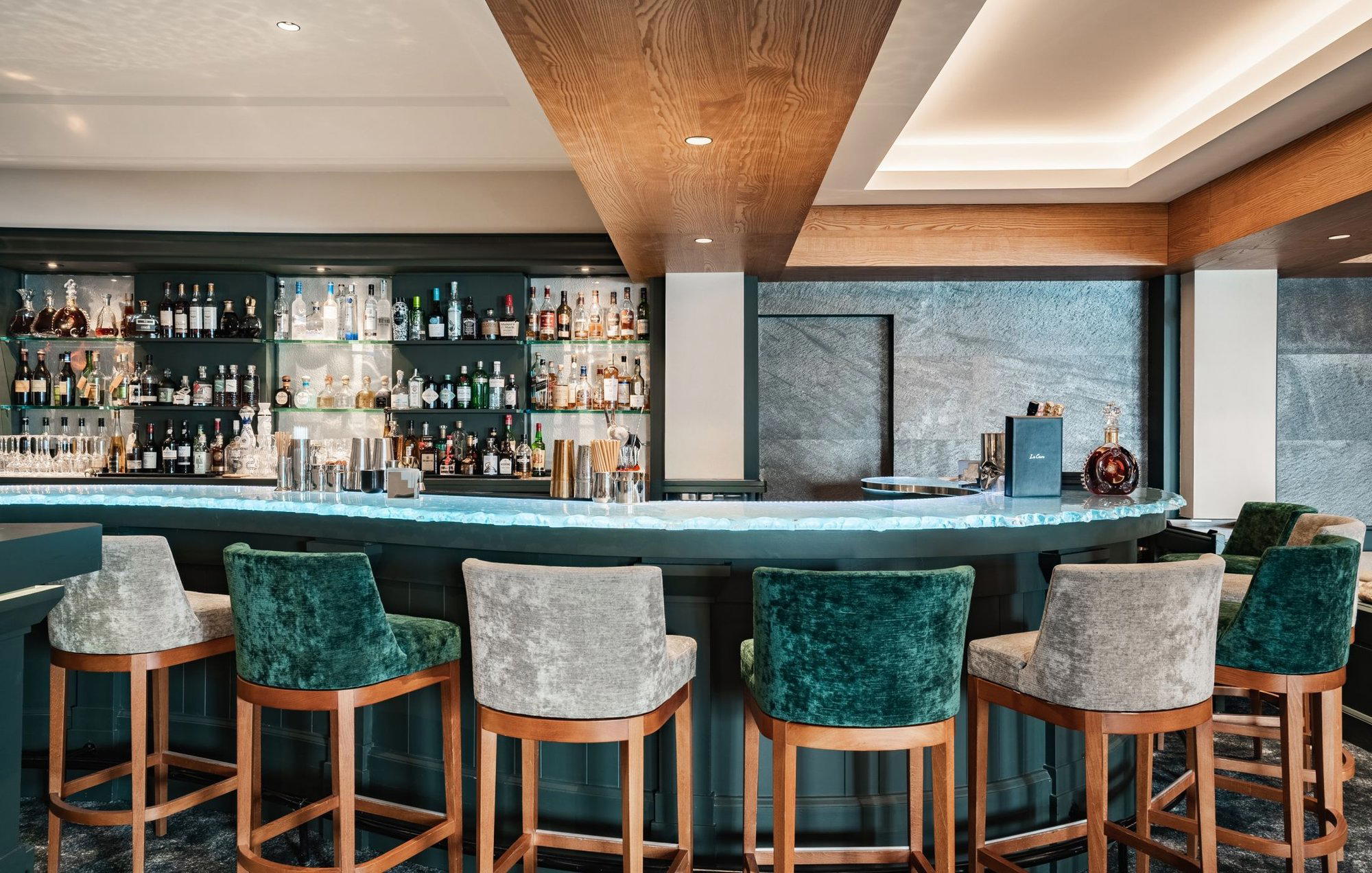
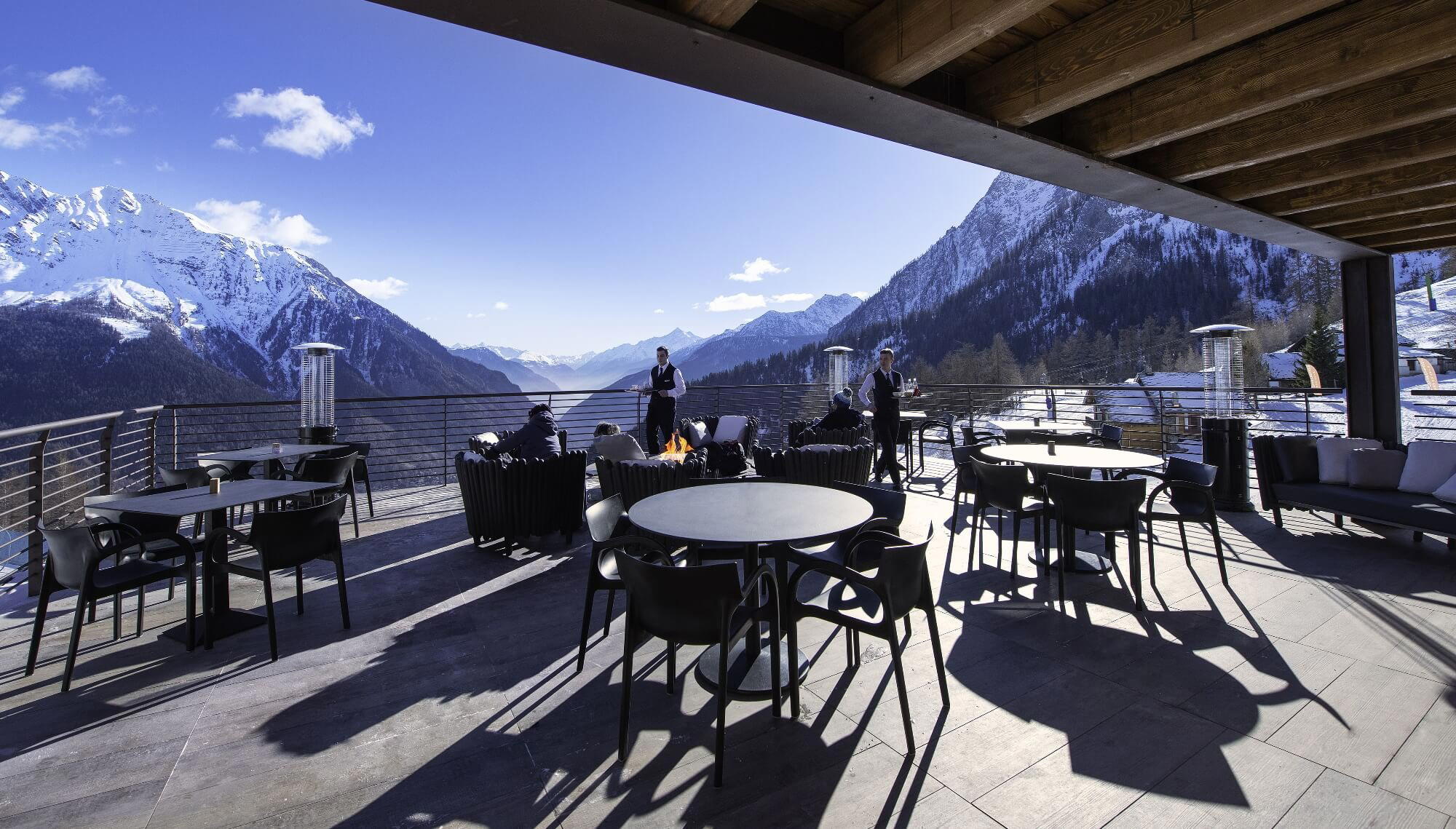
Details
- Lively
- Elegant
- Trendy
- Sophisticated
- Date Night
- Group Dining
- Celebration
- Special Occasion
- After Work
- Terrace
- Panoramic View
- Hotel Restaurant
- Craft Cocktails
- Extensive Wine List
- Mountain
- Small Plates
- A La Carte
- Wine
- Cocktails
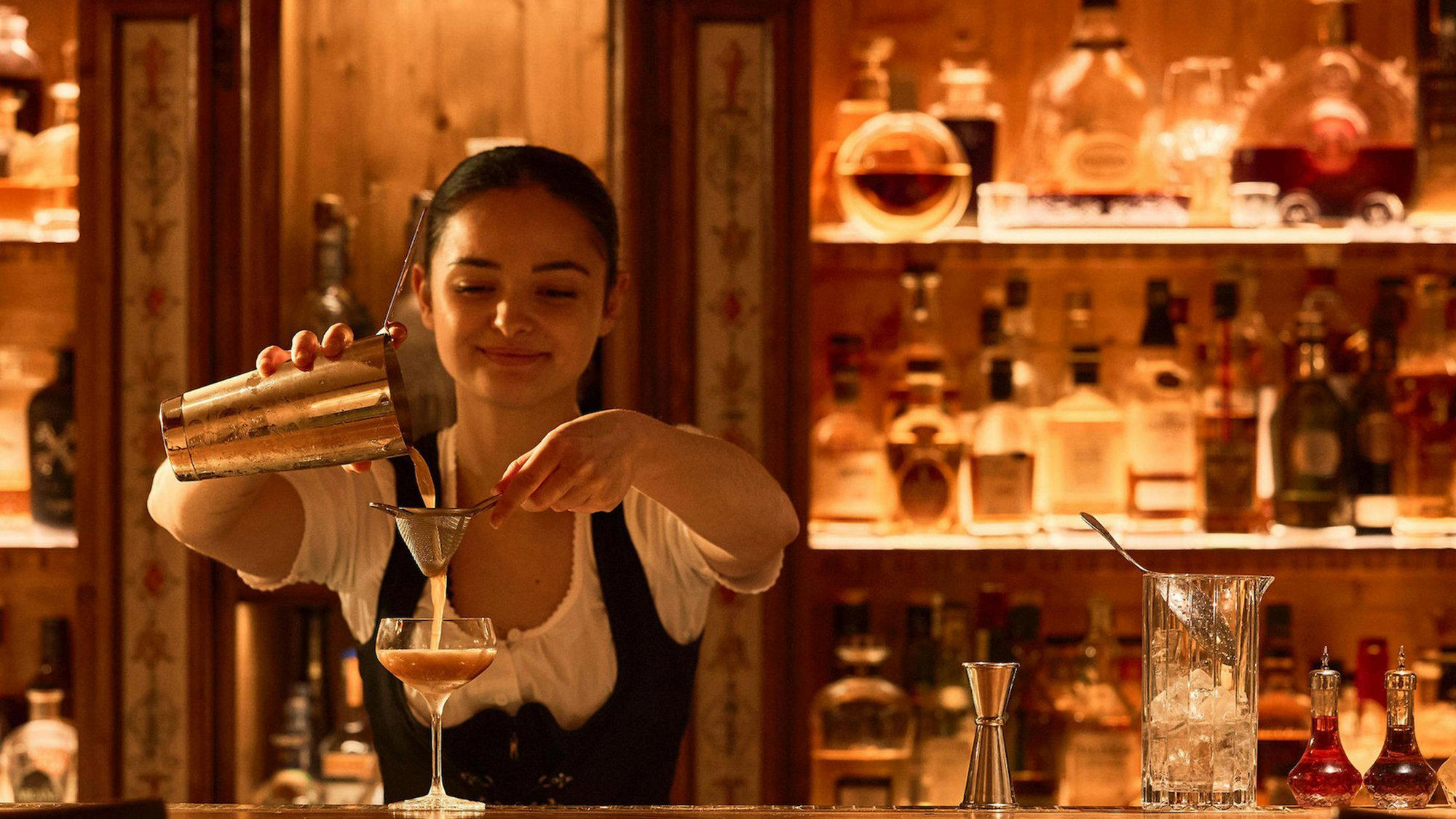
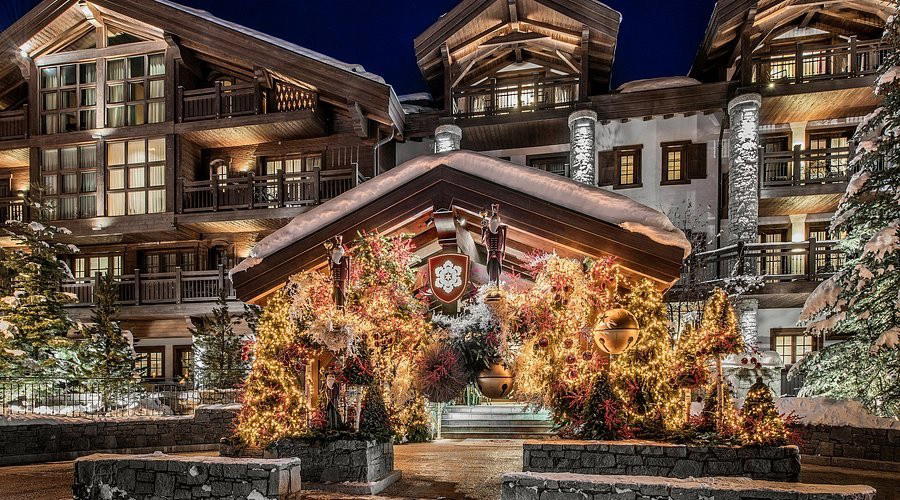
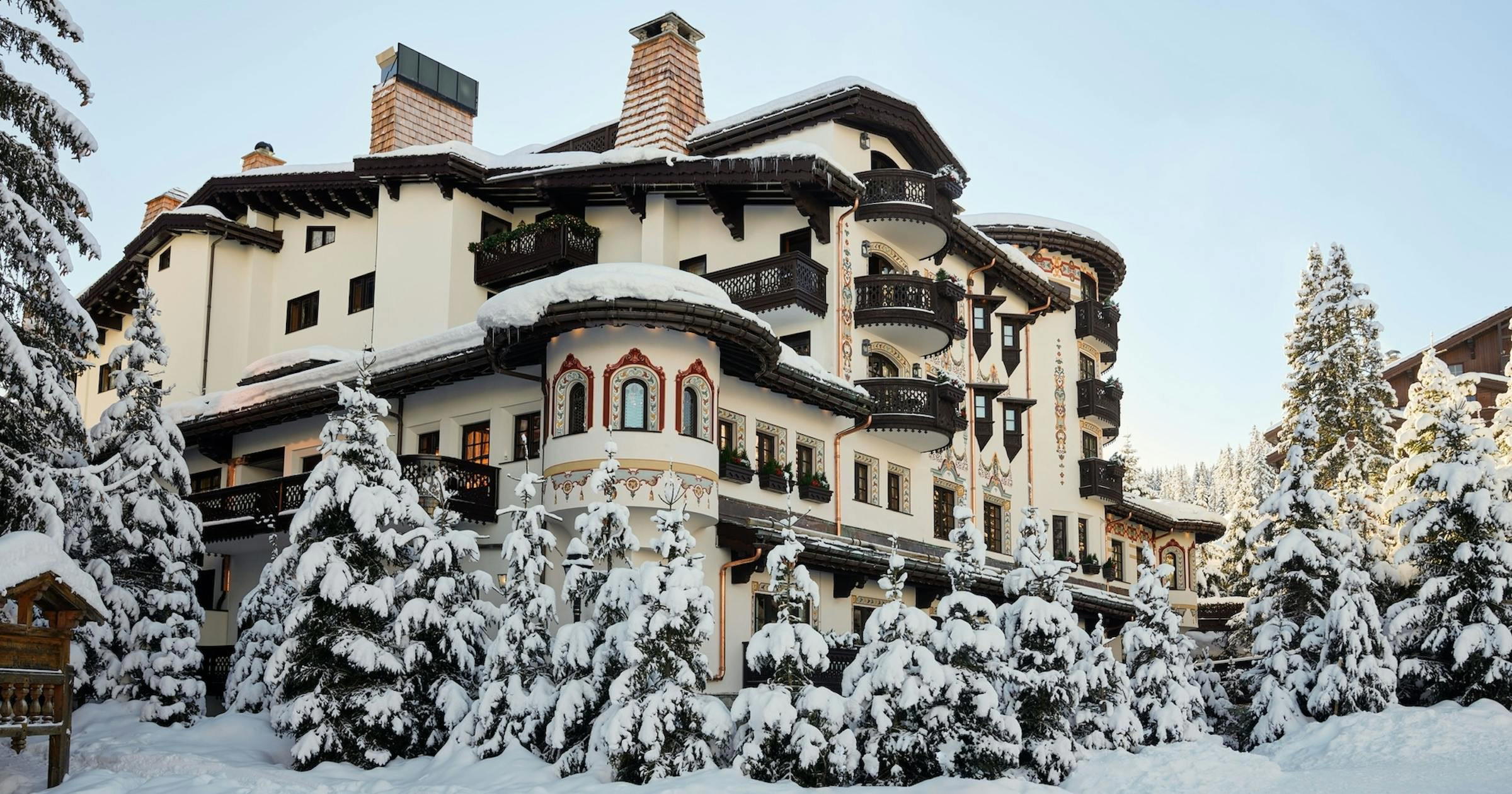
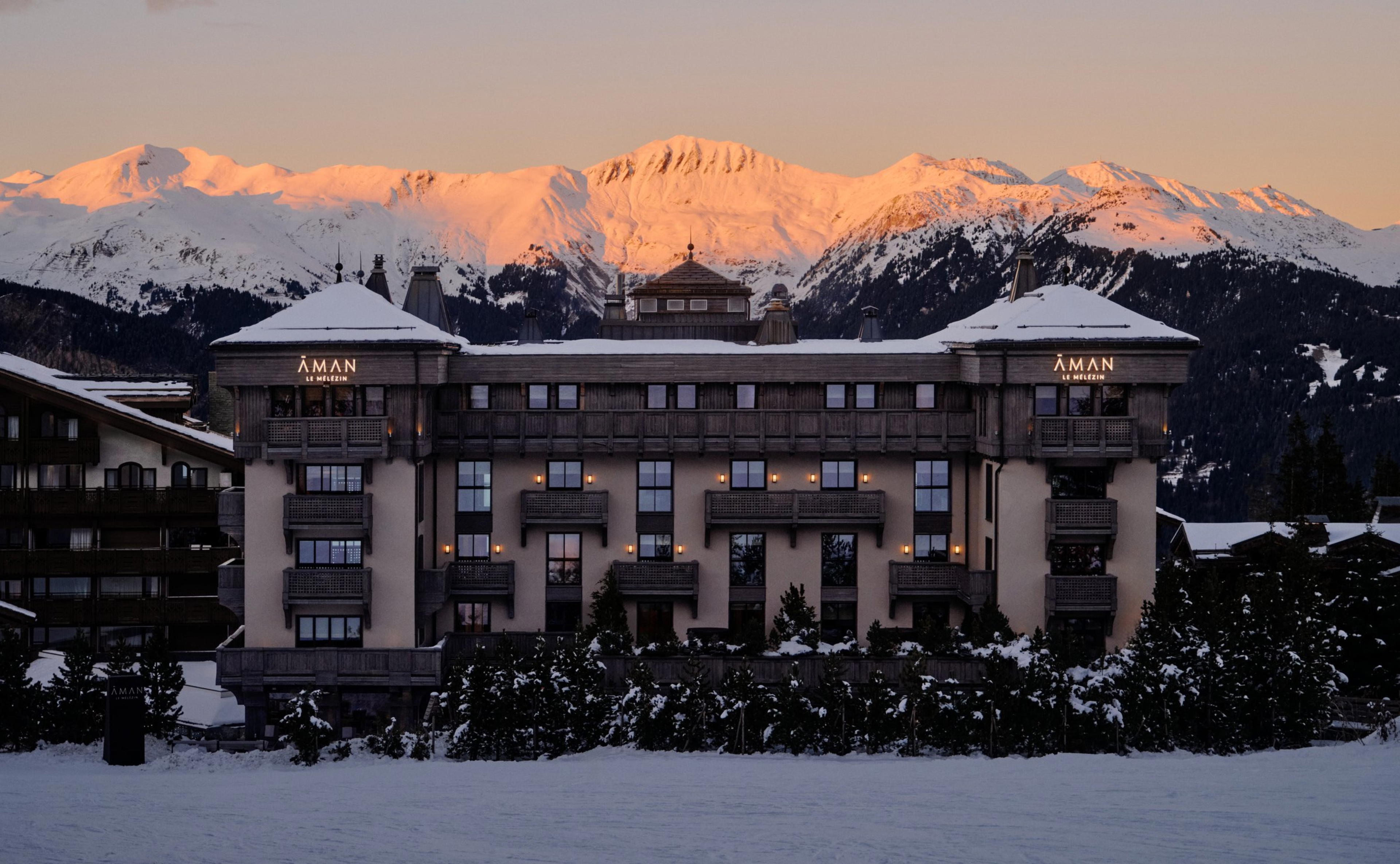
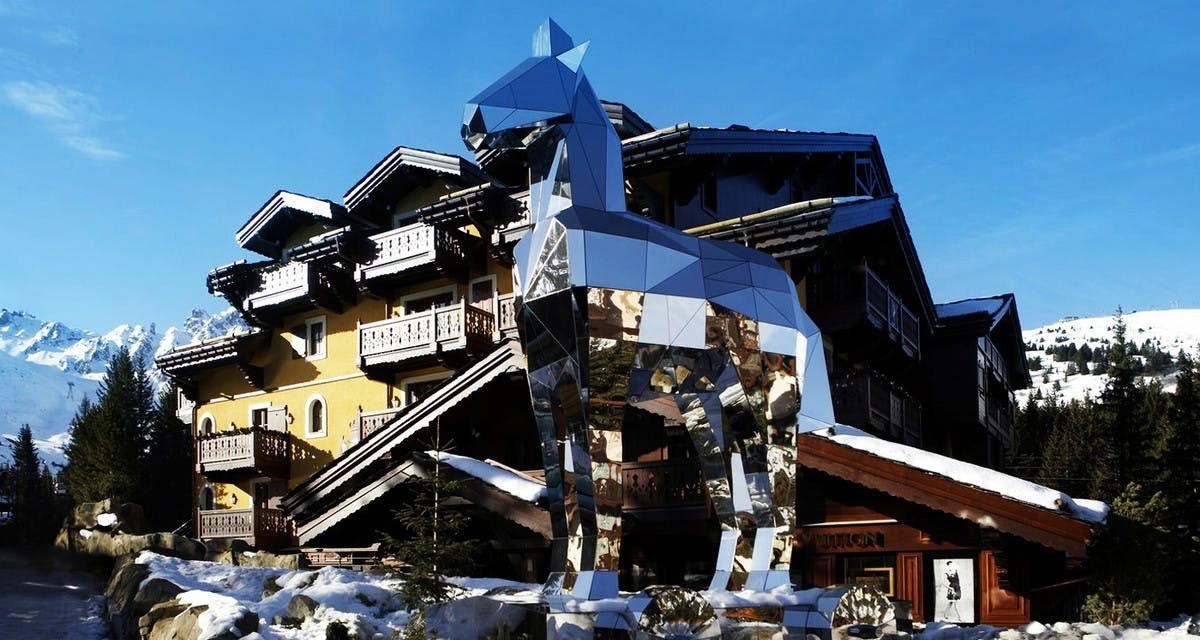
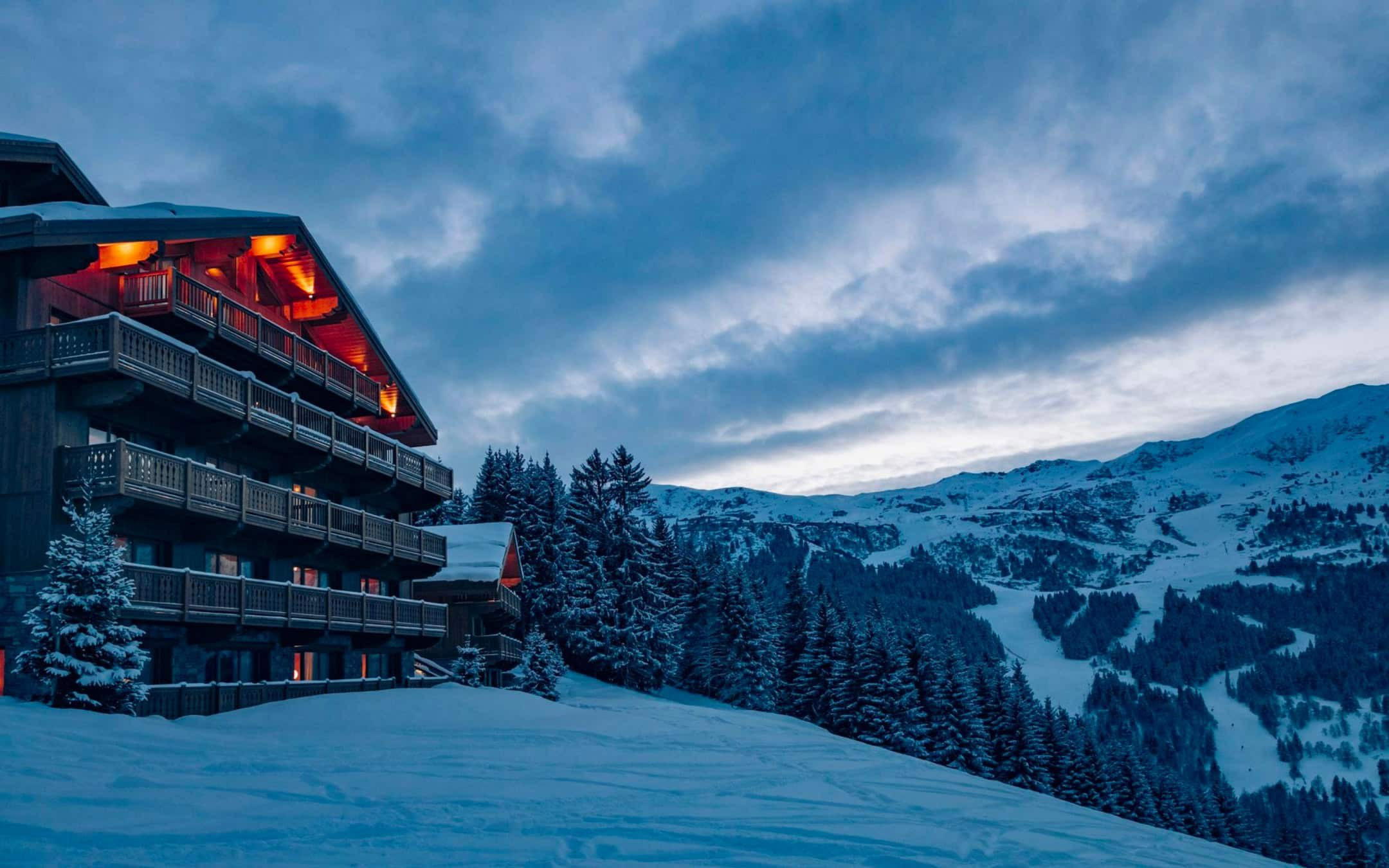
A stylish, contemporary alpine space with warm lighting and an energetic, social atmosphere, blending Mediterranean vibrancy with five-star hotel polish.