
A Michelin Plate holder for two consecutive years (2024 and 2025), Brion sits in the 9th arrondissement's quieter dining corridor on Rue Lamartine, offering modern cuisine at the €€€ price tier.
Pearl is the En Primeur Club membership app — saves, bookings, and concierge access live there. Same editors, same standards.
- Address
- 17 Rue Lamartine, 75009 Paris, France
- Phone
- +33 1 40 18 10 93
- Website
- brion-restaurant.fr
- Directions
- Get directions
 Saves & bookings on Pearl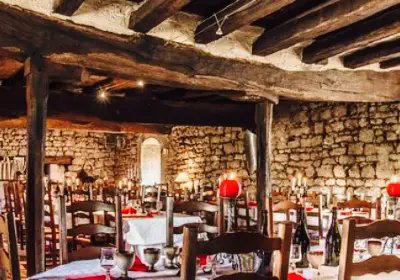
The 9th Arrondissement's Argument for the Middle Tier
Rue Lamartine runs quietly through the 9th arrondissement, a street that rarely figures in the headline restaurant conversations that tend to cluster around the Palais-Royal, the Left Bank, or the grand hotel dining rooms of the 8th. That relative obscurity is precisely the point. The 9th has developed a dining identity built less on spectacle and more on kitchens with something to prove, where the competitive pressure comes not from neighbouring starred institutions but from a informed local clientele that returns regularly and notices when a restaurant coasts. Brion, at number 17, operates in exactly that context.
Brion is a Modern French Bistro at 17 Rue Lamartine in Paris's 9th arrondissement, with Michelin Plate recognition in 2024 and 2025, and a price tier of €€€.
The broader Paris scene divides sharply by price tier. At the summit, three-star houses like Paul Bocuse - L'Auberge du Pont de Collonges, Mirazur, and the Paris-based €€€€ flagships, 114, Faubourg, Alléno Paris au Pavillon Ledoyen, Kei, L'Ambroisie, Le Cinq, and Pierre Gagnaire, set a ceiling that demands commitment in both time and money, with tasting menus that routinely push past the €300-per-person mark before wine. Below that tier, the city's Michelin Plate cohort occupies a genuinely interesting position: recognition without the infrastructure costs that come with starred ambition, and cooking that often delivers more per euro than the bracket above.
What Two Years of Michelin Plate Recognition Actually Signals
The Michelin Plate designation, awarded to Brion in both 2024 and 2025, is not the star, but it is not nothing either. In Michelin's own framing, the Plate identifies restaurants where inspectors believe the kitchen is producing good food, a threshold that filters out the merely adequate. Holding that recognition across two consecutive annual guides suggests consistency rather than a single strong inspection cycle, which matters more at the €€€ price tier than a one-off performance might.
For context, Paris generates hundreds of new restaurant openings annually, and the proportion that earn any Michelin annotation within their first few years remains small. The 9th arrondissement has produced a cluster of similarly positioned modern cuisine operations in recent years, with Accents Table Bourse and Anona representing the neighbourhood's appetite for technique-led cooking at accessible price points. Brion sits inside that pattern rather than outside it.
8 across 239 reviews adds a different kind of data. The sample size is modest but not dismissible, and a 4.7 average at that count tends to reflect genuine repeat satisfaction rather than an opening-week surge. Taken alongside the Michelin signal, it builds a picture of a kitchen that is meeting its brief on a regular basis.
Modern Cuisine at €€€: The Value Proposition Examined
The editorial angle worth holding onto here is what the €€€ tier actually delivers in the context of serious Paris dining. Compared to the three-star €€€€ houses, the gap is not simply one of price. Those rooms carry the weight of history, service teams of twenty or more, wine lists that function as asset portfolios, and room designs that cost as much as some hotels. What you surrender at the €€€ level is ceremony. What you sometimes gain is proximity to the cooking itself, less mediation between kitchen and plate, and a bill that does not require a two-week decision cycle.
Modern cuisine as a category in Paris has shifted meaningfully over the past decade. The template that dominated in the 2000s, where French classical technique met global ingredients in a formal dining room, has given way to something more plural. Kitchens now read as confidently eclectic: fermentation, live-fire elements, Japanese-influenced restraint in plating, and a recalibration of portion logic toward depth over volume. Where that sits in Brion's specific kitchen approach is not something the available record makes explicit, but the Michelin annotation and the cuisine type classification point toward a restaurant operating within that contemporary idiom rather than against it.
For comparison, Amâlia and Auberge de Montfleury represent adjacent reference points in the Paris modern dining ecosystem, each positioning at similar price points with different culinary emphases. The category is crowded, which makes Brion's sustained Michelin recognition across two years a more meaningful differentiator than it might appear in a thinner market.
For those building a broader picture of serious French regional cooking beyond the capital, Flocons de Sel in Megève, Troisgros - Le Bois sans Feuilles in Ouches, Auberge de l'Ill in Illhaeusern, and Bras in Laguiole mark the calibration points at the starred end of the spectrum. At the global modern cuisine level, Frantzén in Stockholm and FZN by Björn Frantzén in Dubai illustrate how the format travels across markets. Brion does not compete in those leagues by price or ambition, but understanding where those reference points sit clarifies why a consistently recognised €€€ room in the 9th deserves attention on its own terms.
The 9th as a Dining Neighbourhood
The 9th arrondissement lacks the Left Bank mythology of Saint-Germain or the tourist concentration of the Marais, which works in its favour for restaurant economics. Rents are lower than in the 8th, the foot traffic is more mixed, and the audience skews toward residents and deliberate visitors rather than passers-by. Kitchens in this part of the city tend to invest in the plate rather than the shopfront, because the clientele arriving at Rue Lamartine has made a choice to be there. That dynamic consistently produces better cooking-per-euro ratios than the high-visibility corridors of the 1st and 8th.
That physical context reinforces rather than contradicts what the restaurant appears to be doing: cooking for people who are paying attention.
Know Before You Go
- Address: 17 Rue Lamartine, 75009 Paris, France
- Cuisine: Modern Cuisine
- Price range: €€€
- Awards: Michelin Plate 2024; Michelin Plate 2025
- Guest rating: 4.7 / 5 (109 Google reviews)
- Booking: Advance reservation recommended.
A Tight Comparison
Comparable venues nearby, for context on price, style, and recognition.
| Venue | Cuisine | Price | Notes |
|---|---|---|---|
| BrionThis venue — the venue you are viewing | Modern Cuisine | $$$ | Not listed |
| Sancerre Rive Gauche | Not listed | $$$ | Gros-Caillou (7th arrondissement), Classic French Bistro |
| Bonnotte | Not listed | $$$ | Boulogne-Billancourt, Seasonal French Bistronomy |
| La Table de Marc Turpin – Hostellerie Saint-Germain | Not listed | $$$ | Saint-Germain-lès-Arlay, Jura, Modern French Terroir |
| Bistrot Instinct | Not listed | $$$ | Marais, Modern French Bistro with Japanese Influences |
| Néva Cuisine | Not listed | $$$ | Quartier de l'Europe, Modern French Bistro |
Recognition history
Dated appearances from independent guides and award organizations, with the underlying list record or original source where available.
Michelin Plate
Michelin
Michelin Plate
Michelin
Michelin Plate
Michelin





At a Glance
- Cozy
- Elegant
- Modern
- Intimate
- Date Night
- Business Dinner
- Casual Hangout
- Open Kitchen
- Natural Wine
- Local Sourcing
Current opening hours
- Monday
- 12–2 PM, 7–10 PM
- Tuesday
- 12–2 PM, 7–10 PM
- Wednesday
- 12–2 PM, 7–10 PM
- Thursday
- 12–2 PM, 7–10 PM
- Friday
- 12–2 PM, 7–10 PM
- Saturday
- 7–10 PM
- Sunday
- Closed
Hours can change for holidays and private events. Last verified .
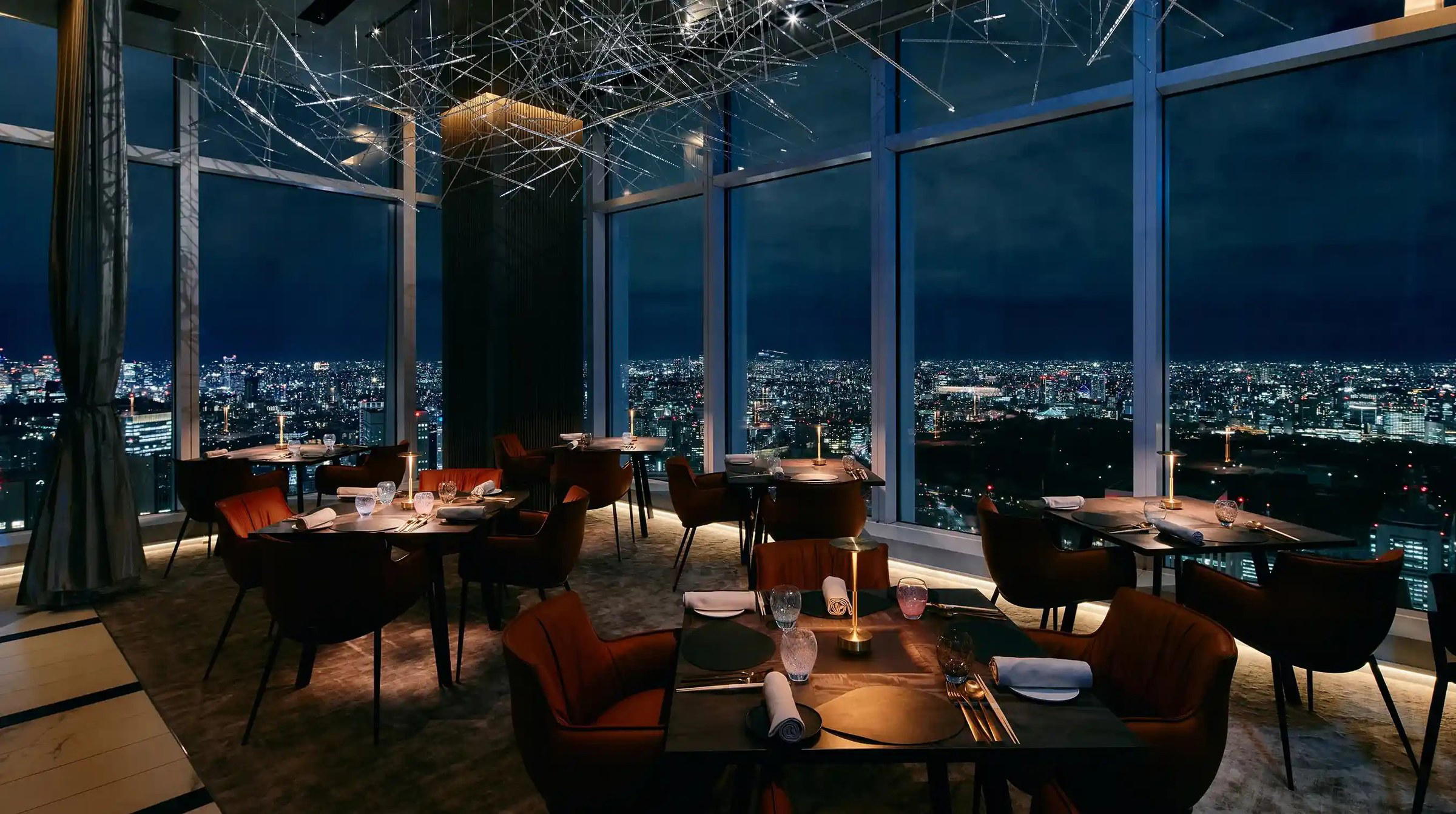
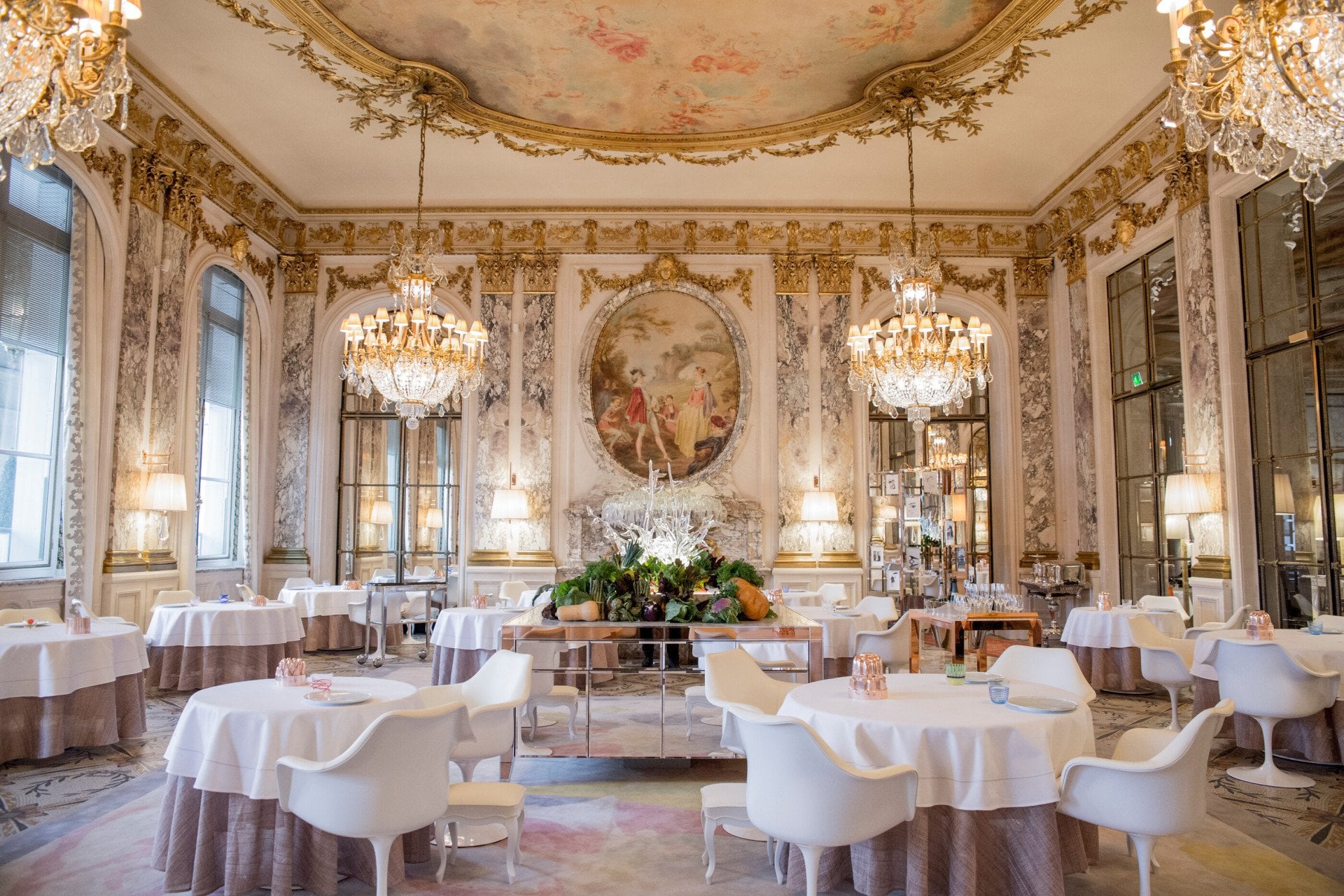
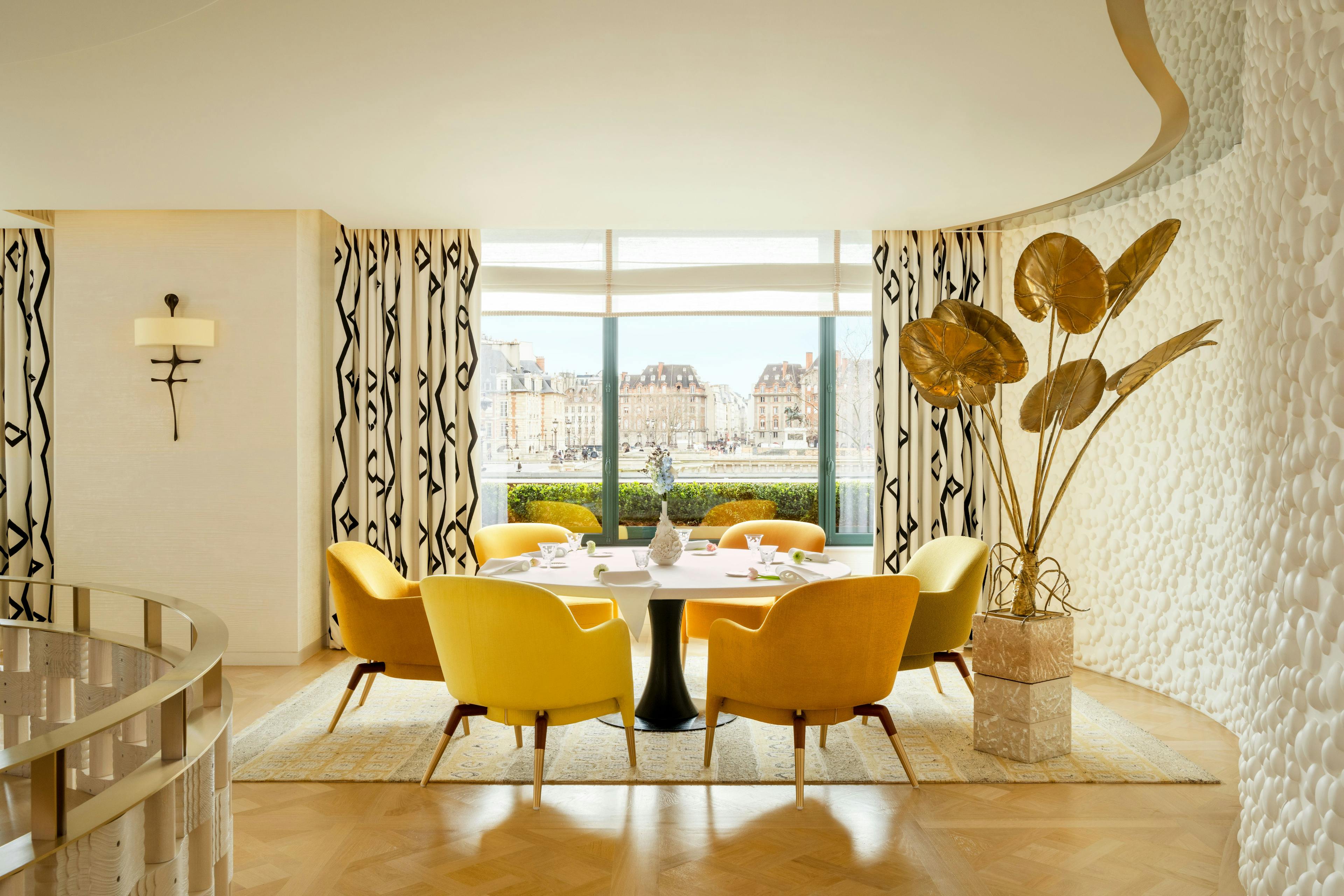
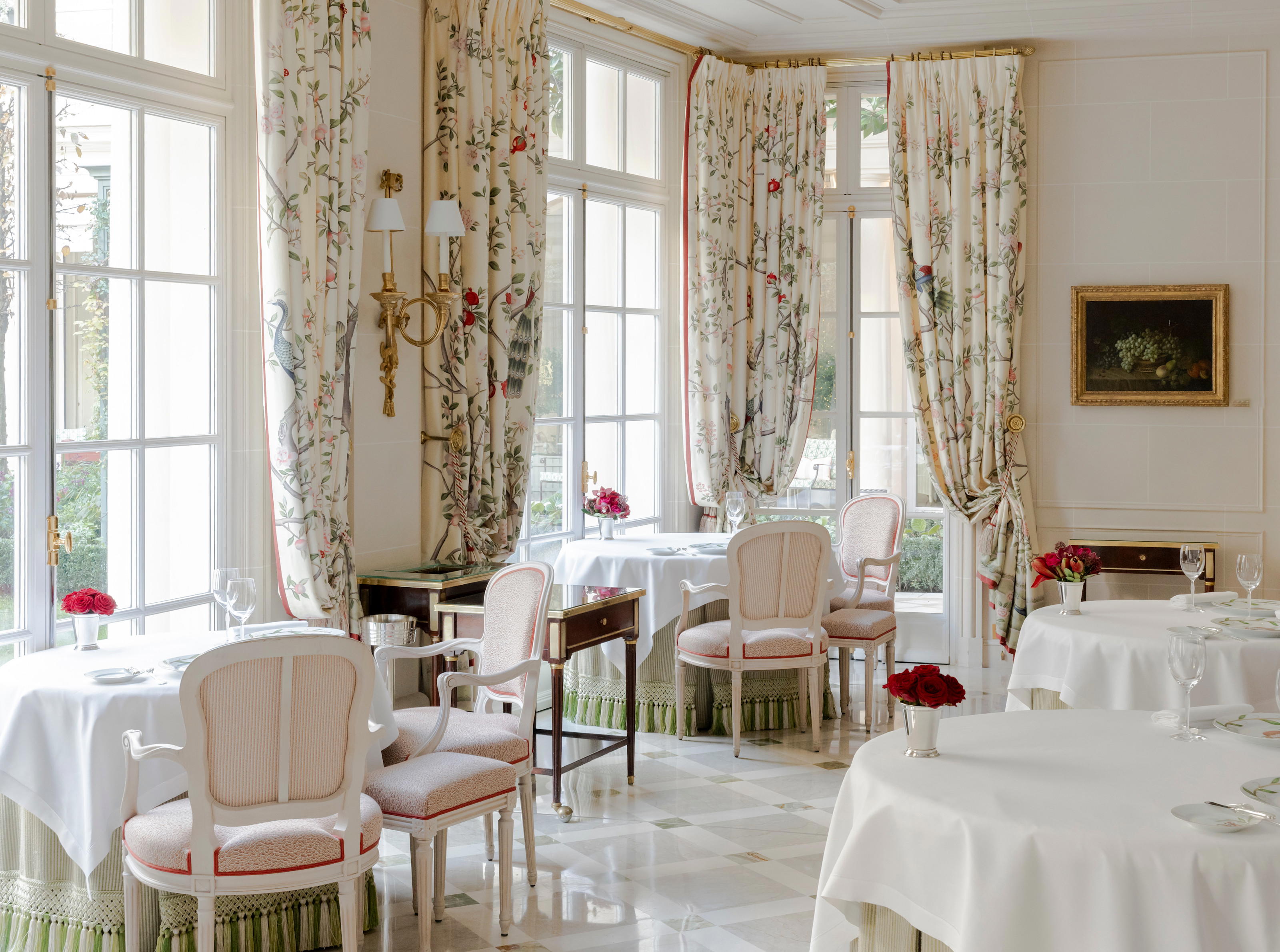
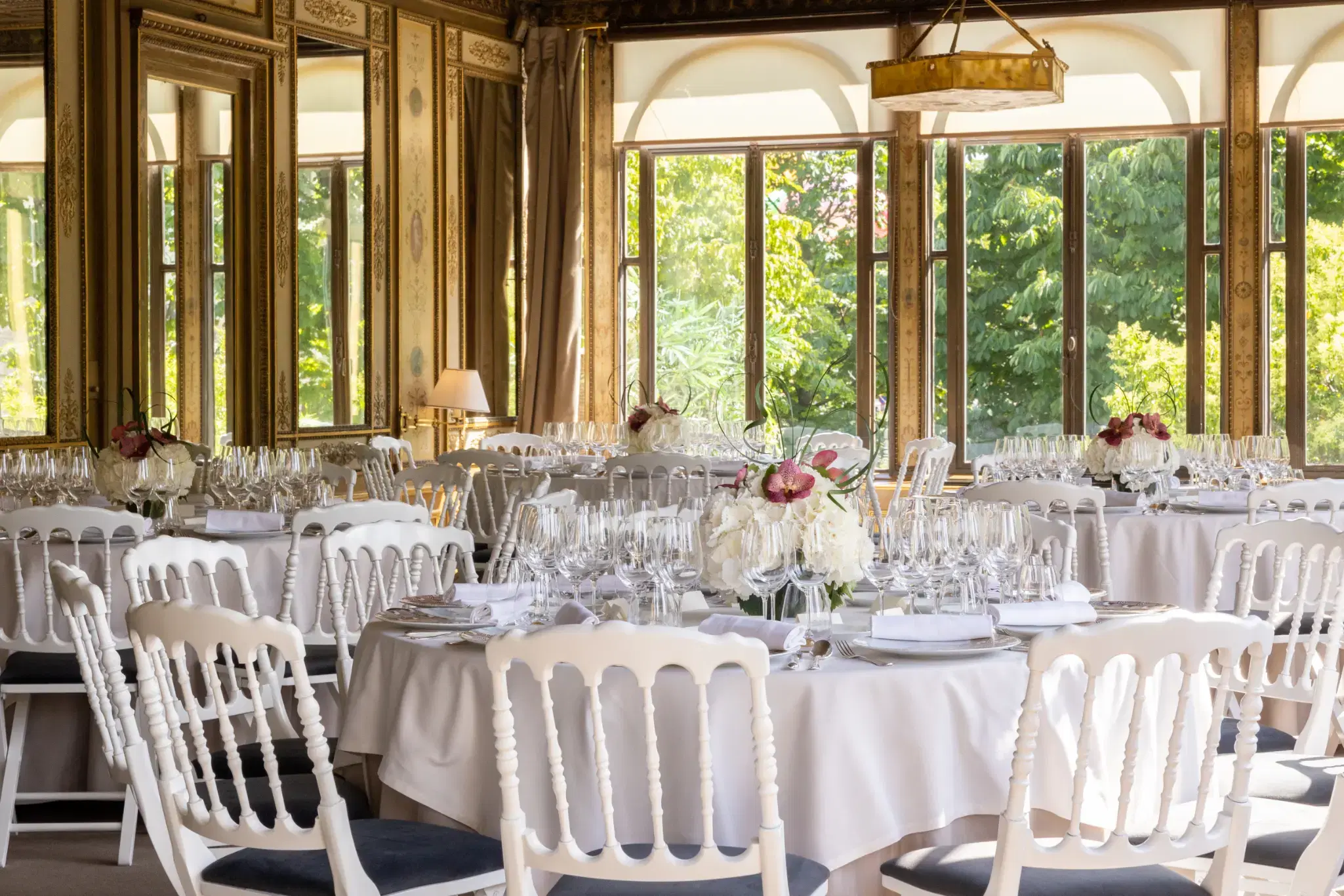
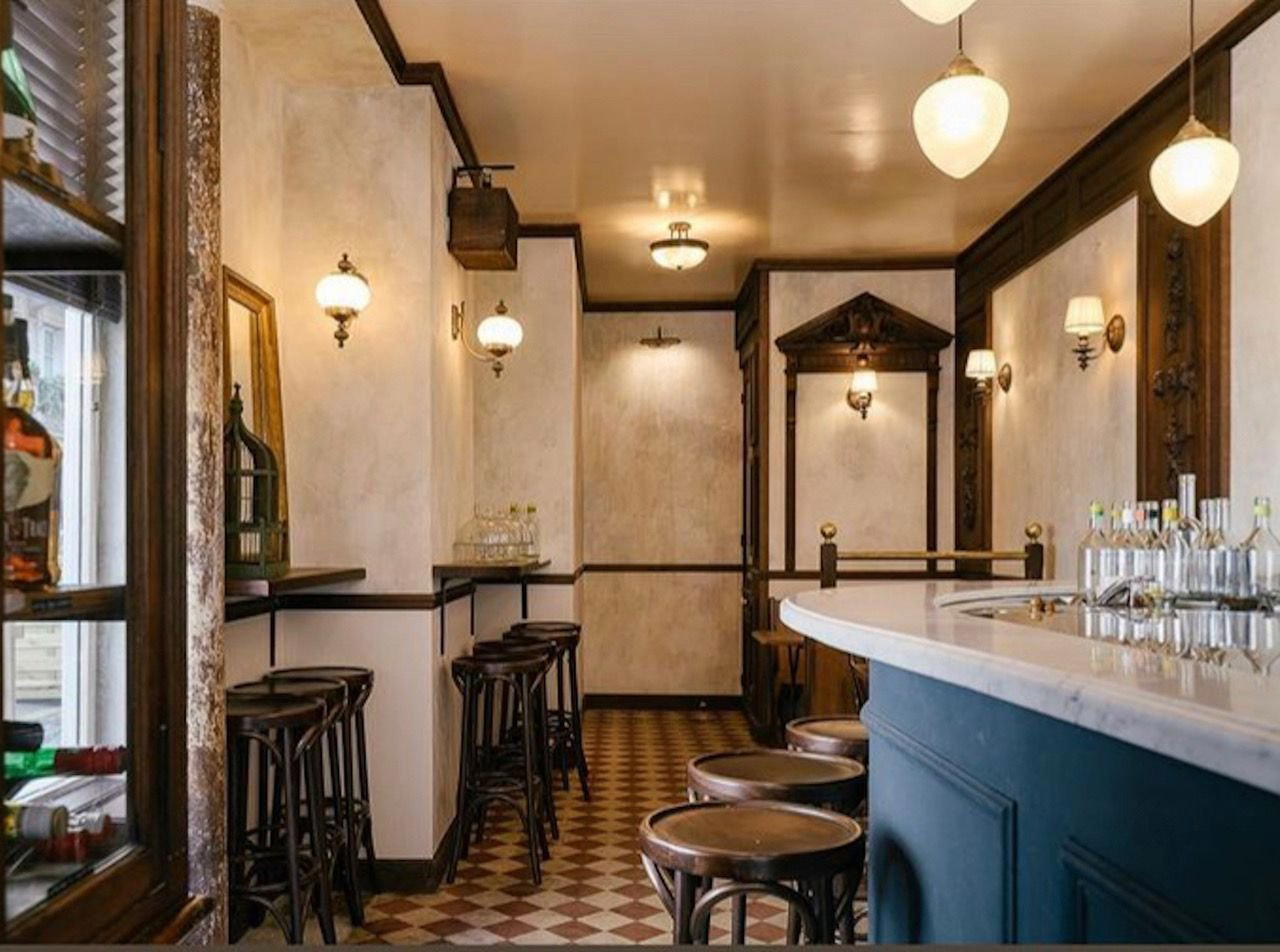
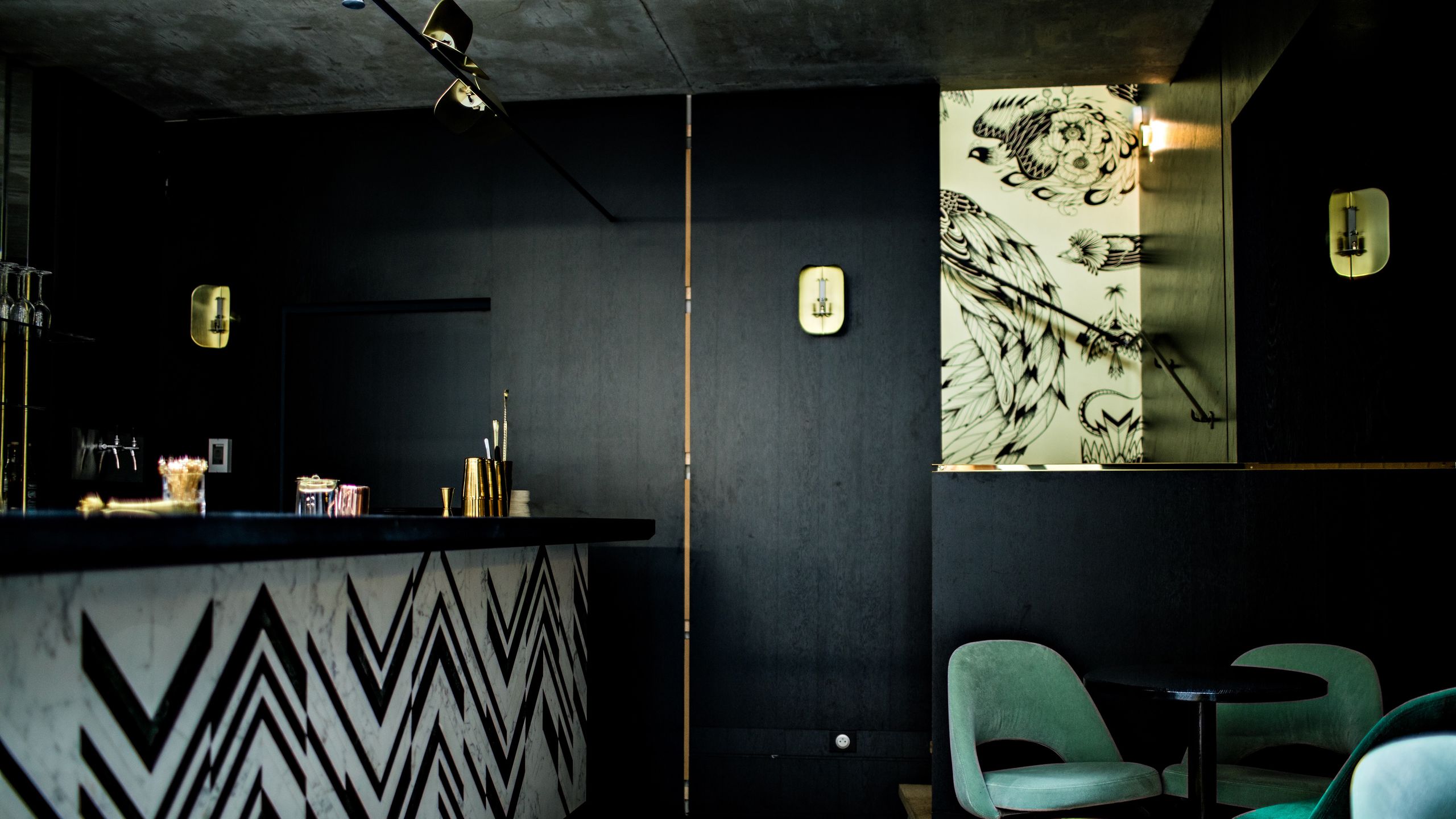
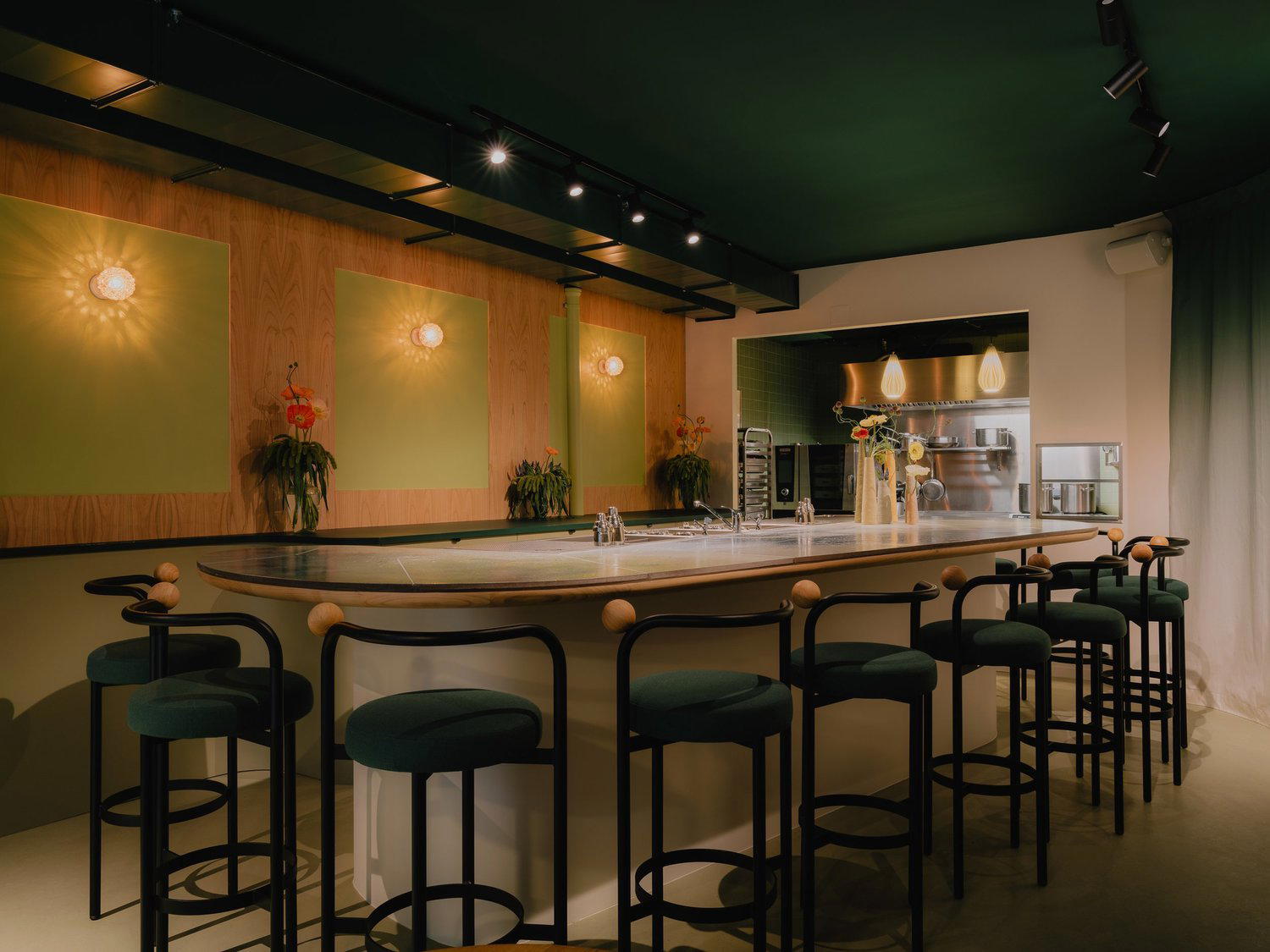
Light and bright with waxed cement floors, soothing cream and algae-green tones, cozy unpretentious decor, open kitchen, and warm lighting.