Bo & Muc Brasserie

Relais Chateaux Award
Our verdict
Bo & Muc Brasserie brings a Highlands brasserie lens to The Torridon, where provenance matters more than ceremony. The useful comparison in Achnasheen is with formal destination dining nearby: this is the more relaxed counterpoint, shaped by estate-hotel context, regional sourcing, and the practical realities of eating well in Wester Ross.

Pearl is the En Primeur Club membership app — saves, bookings, and concierge access live there. Same editors, same standards.
- Address
- The Torridon Annat By, Achnasheen IV22 2EY, United Kingdom
- Phone
- +44 1445 791242
- Hours
- Daily 11 AM–10 PM
- Website
- thetorridon.com
- Directions
- Get directions
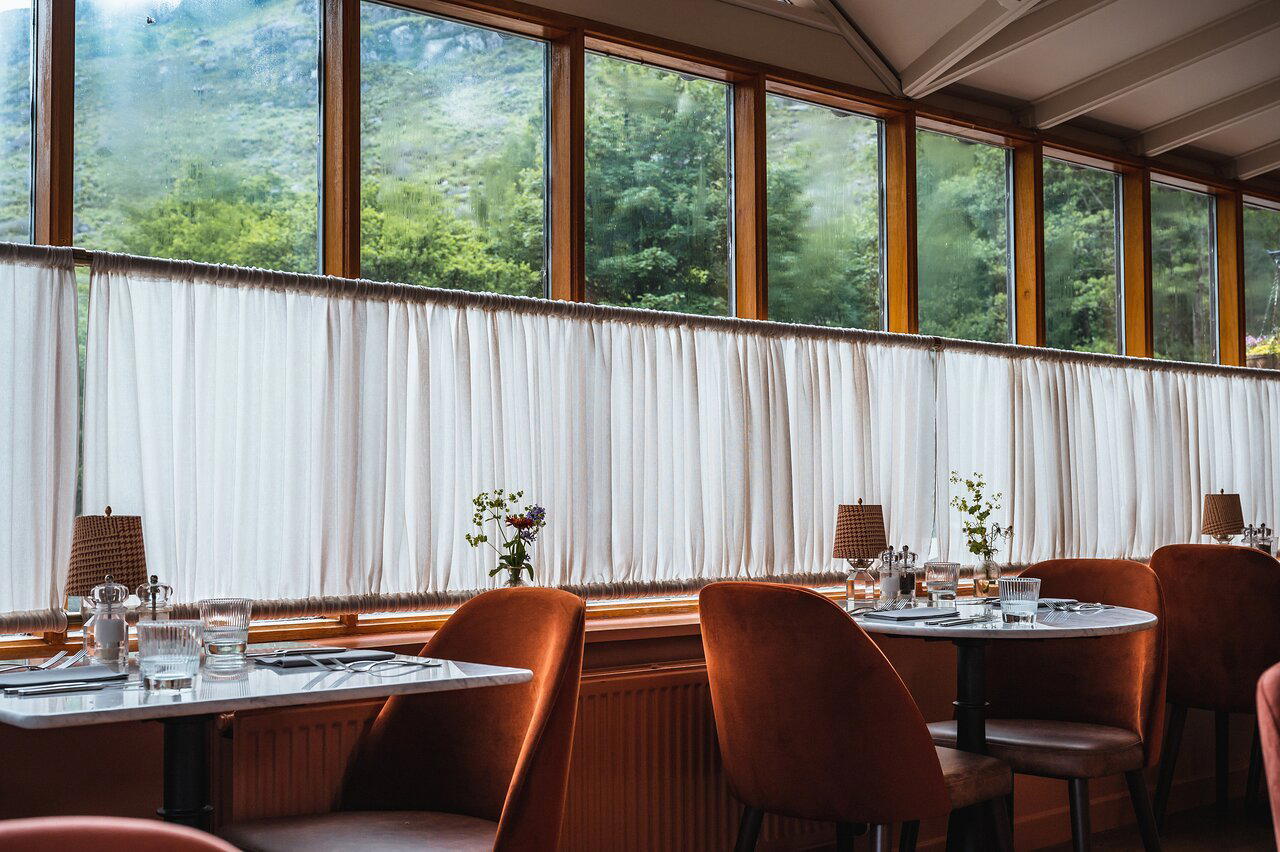
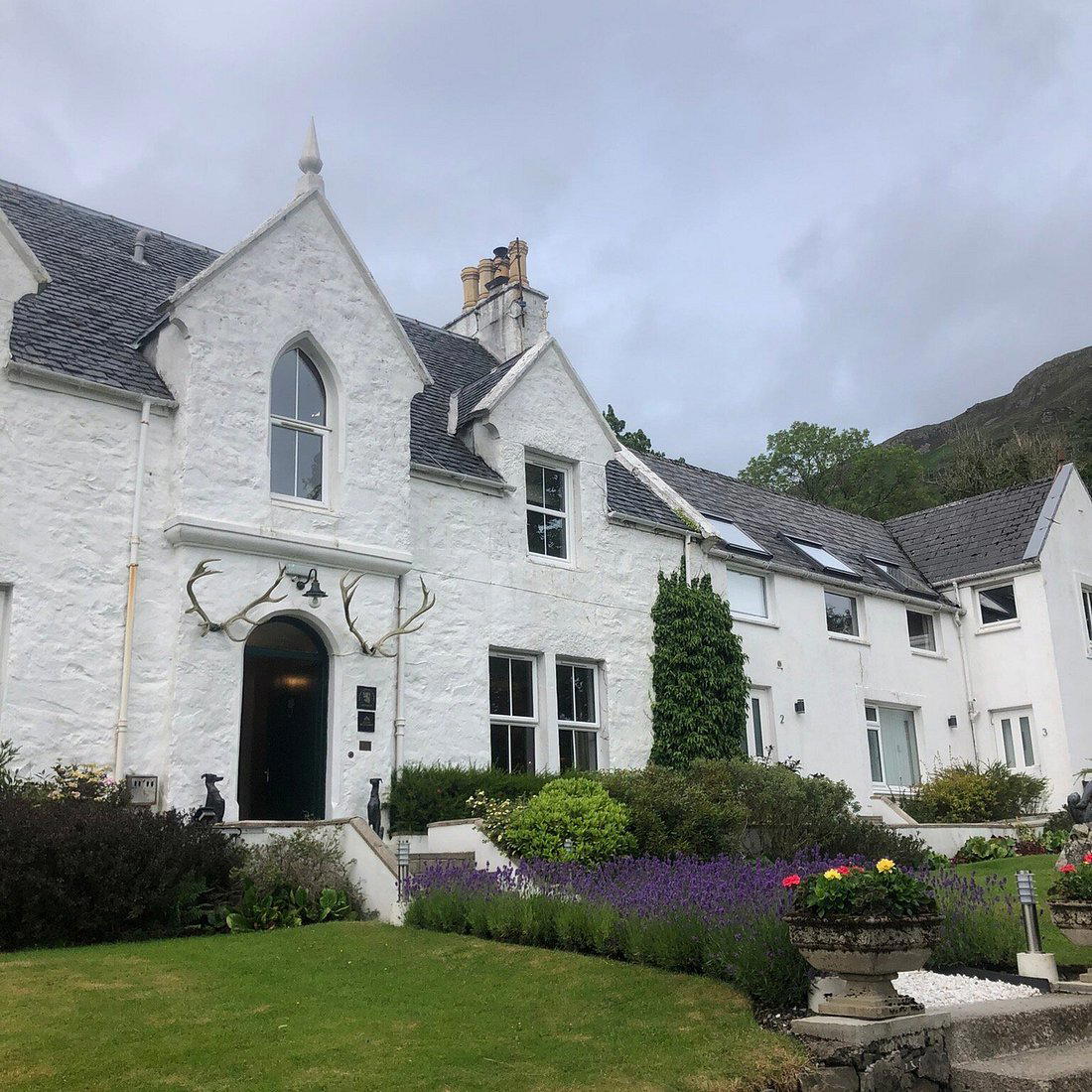
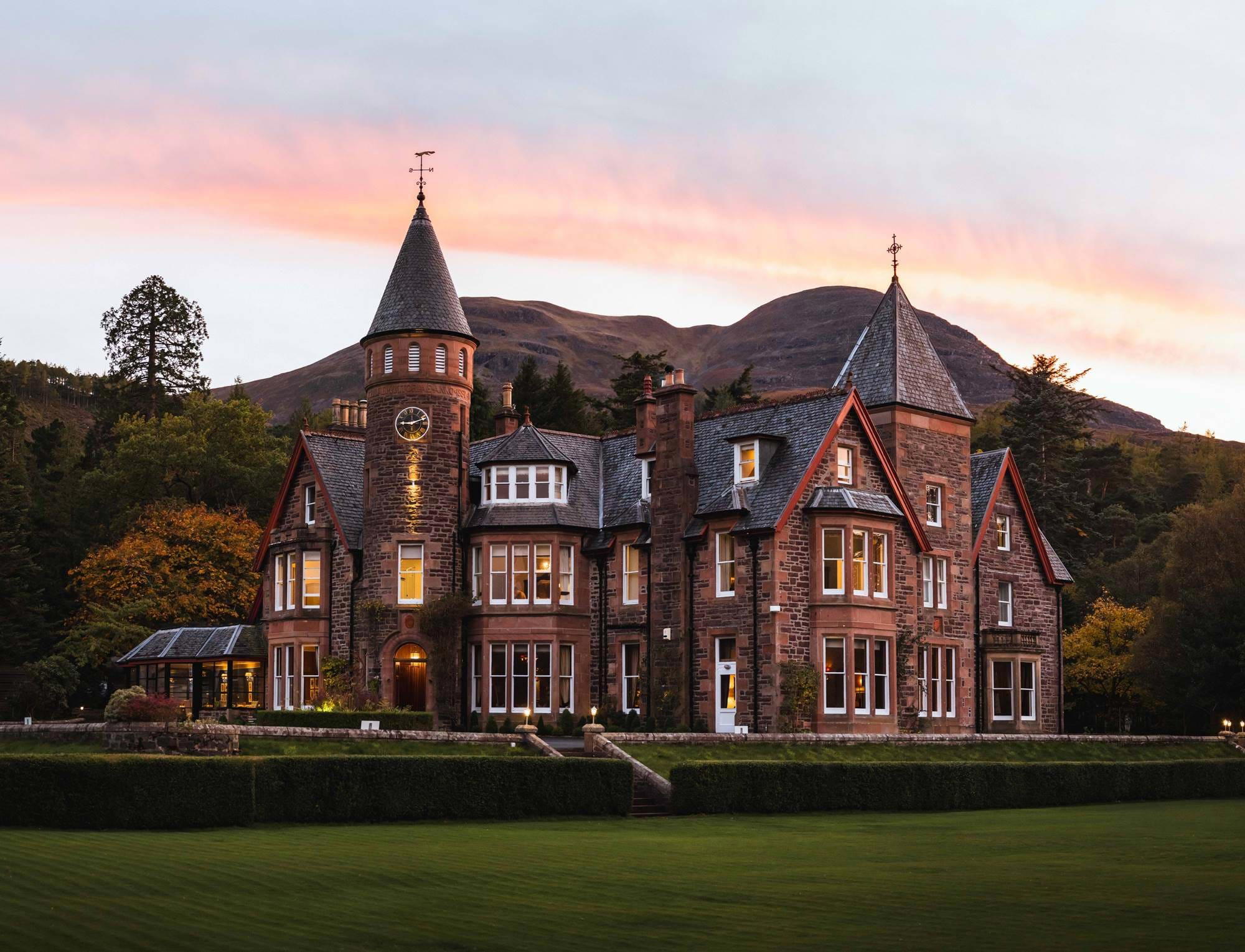
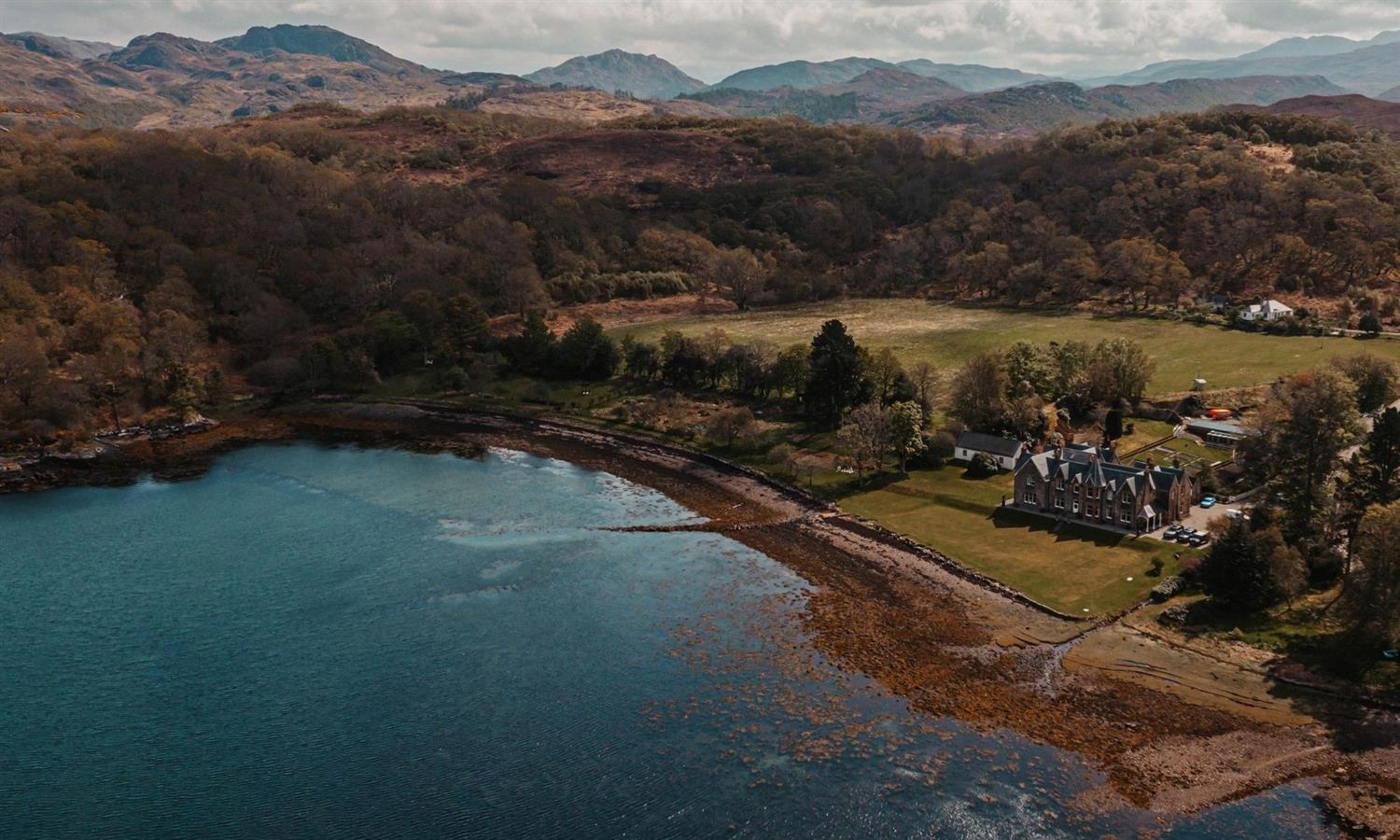
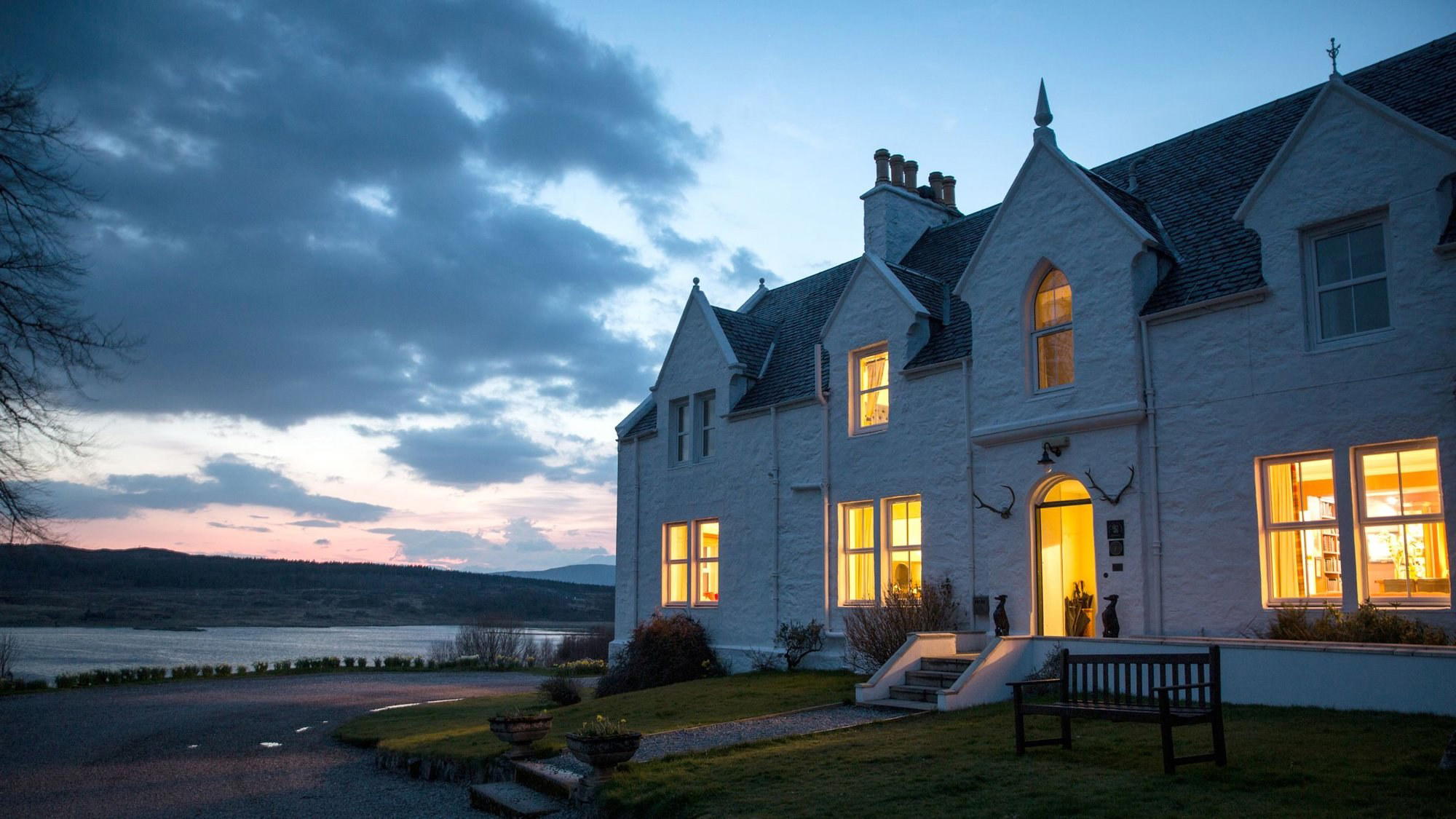
The approach to dining in Achnasheen is shaped before a menu appears: setting, weather, travel plans, and the long distances between restaurants. In that context, a brasserie carries a different responsibility from its city equivalent. It has to work for visitors and local dining plans without pretending the Highlands are a theatre set. Bo & Muc Brasserie sits inside that expectation in Achnasheen, with the stronger reading of the room not as luxury theatre but as regional usefulness: a place where setting and hospitality do much of the heavy lifting.
Achnasheen is not a dense restaurant town, so the local dining map works by contrast rather than volume. One useful nearby reference is 1887, also in Achnasheen, which gives diners another point of comparison when planning a meal. A brasserie in the same local orbit has a separate role: less about making every dinner feel like a fixed occasion, more about making a Highland meal feel legible in a room that can handle everyday appetite as well as travel-planned dining. For a wider read on the area, see Our full Achnasheen restaurants guide, Our full Achnasheen hotels guide, Our full Achnasheen bars guide, Our full Achnasheen wineries guide, and Our full Achnasheen experiences guide.
Highland brasserie character gives the restaurant its point
The defining editorial frame here is the brasserie identity, because the Highlands reward restaurants that know when to stay close to place rather than overcomplicate the experience. In Achnasheen, the advantage is not novelty for its own sake; it is the ability to make a meal feel rooted in its setting, its pace, and the expectations of people who have travelled to reach it. A brasserie format can suit that better than a highly scripted dining room, because it allows hospitality and atmosphere to remain visible without turning every choice into a thesis.
The name itself points toward a grounded register, and that is enough of a clue to the mood without over-reading the concept. It does not need to be treated as a narrow promise, but it signals the right instinct for this part of Scotland. The better Highland brasserie experience works when it gives the meal enough structure, seasoning, and warmth without burying it under metropolitan gestures. The comparison is not with big-city counter dining or urban small plates, but with restaurants that understand the difference between comfort and softness.
That matters because destination dining in remote Scotland often has to serve more than one kind of evening. One meal may be planned as the centre of the day; another may need to meet appetite, weather, and travel rhythm more directly. Bo & Muc Brasserie belongs to that practical brasserie category, which is not a lesser category. It is often the harder one to get right, because the experience has to feel generous without becoming vague, and a regional point of view has to read as practice rather than slogan.
Where it sits in the Achnasheen dining map
The Relais & Châteaux association is the key trust signal. That context places Bo & Muc Brasserie within an international hospitality frame built around independent places to stay and eat, and it raises expectations even when a venue is operating in a casual register. It also changes the competitive set. This is not just an Achnasheen stop being judged only against nearby options; it is part of a destination-dining conversation where guests may be comparing a meal here with hotel-led dining elsewhere in the UK.
Within Achnasheen, the useful internal comparison is with 1887. That restaurant gives diners another local reference point, while the brasserie format gives Bo & Muc a broad and approachable brief. That split is increasingly common in serious hospitality settings: one option may suit a more planned occasion, while a brasserie can express the region with less ceremony. The result is a practical two-speed model, especially valuable in places where outside alternatives may involve meaningful driving time.
For travellers building a UK food itinerary around hotel restaurants, the broader context includes very different formats across rural and urban dining. Some rooms lean composed and occasion-led; others prize informality, repeat use, and the rhythm of a place where visitors may be staying nearby. Casual precision looks different again in large cities, where density, supply chains, staffing, and guest turnover change the shape of a meal. Those comparisons show why the Highlands need to be judged on their own terms: distance, seasonality, and guest rhythm are different here.
Who should choose the brasserie over the formal room
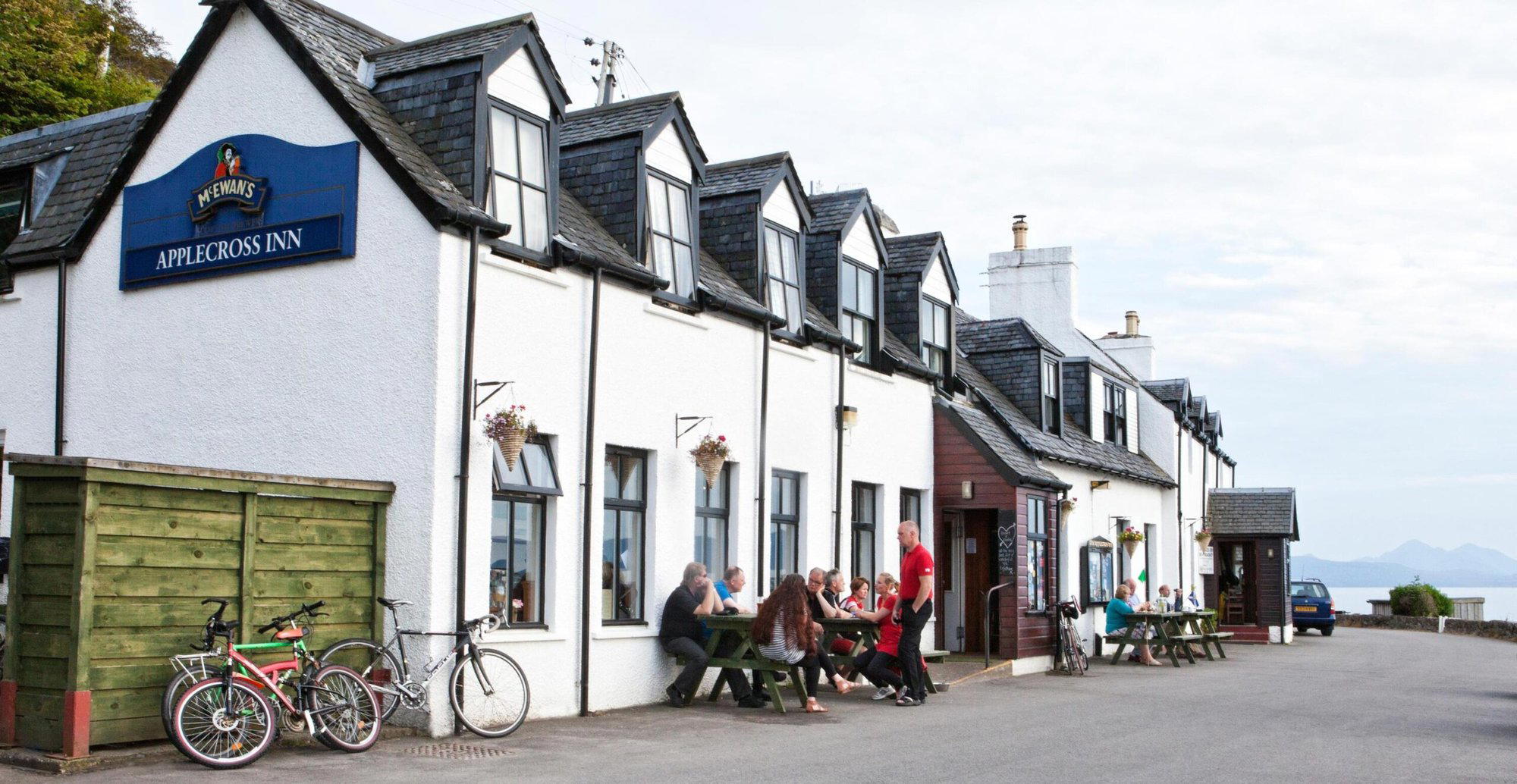
The brasserie makes sense for diners who want the Achnasheen setting without committing the evening to an overly structured meal. It is also a natural fit for groups whose day has been shaped by roads, weather, and outdoor plans. The value lies in informality with credible backing: a serious hospitality context, a Highland brasserie identity, and a format that can take appetite seriously.
That does not make it a default choice for every occasion. Diners looking for a different kind of local meal should compare it directly with 1887 before deciding. Those planning a broader trip can also benchmark it against other allowed local references such as Bo & Muc Brasserie itself, Lean To Coffee, Letterewe, Loch-View Restaurant, and The Shores Plockton, while treating unnamed dining in Achnasheen as part of the wider practical picture. The point is not to force every meal into the same category, but to understand which format fits the evening.
The editorial case for Bo & Muc Brasserie is clear: it gives Achnasheen a less formal but still serious way to eat within the area’s hospitality landscape. In a region where setting, weather, and distance all matter, that role is not secondary. It is the dining format many travellers may use more than once, and the one that tells the clearer story about how a Highland brasserie feeds people between occasion meals.
Frequently asked questions
Is Bo & Muc Brasserie child-friendly?
Bo & Muc Brasserie is a brasserie in Achnasheen. For child-specific arrangements, check the venue’s official booking channels.
What is the atmosphere like at Bo & Muc Brasserie?
The atmosphere is that of a Highland brasserie in Achnasheen. The Relais & Châteaux association signals a level of polish, while the brasserie format keeps the tone approachable.
What's the address for Bo & Muc Brasserie?
Achnasheen.
Should I book Bo & Muc Brasserie in advance?
Yes, advance booking is sensible, especially because Bo & Muc Brasserie is a destination brasserie in Achnasheen with Relais & Châteaux recognition. Use the venue’s official booking channels for current availability.
What's the defining dish or idea at Bo & Muc Brasserie?
The defining idea is the brasserie format itself: dining in Achnasheen, with the Relais & Châteaux association as the clearest credential. No specific signature dish is stated in the public record, so the focus is on the restaurant’s setting and format. Check the venue's official channels for the latest details.
Snapshot
Comparable venues by cuisine and price in the same metro.
| Venue | Cuisine | Price | Awards | Notes |
|---|---|---|---|---|
| Bo & Muc BrasserieThis venue — the venue you are viewing | Scottish Brasserie | Not listed | Relais Chateaux Award | Not listed |
| 1887 | Modern British Fine Dining | $100–150 | 1 Michelin Star · Relais Chateaux Award | Modern Cuisine |
Recognition history
Dated appearances from independent guides and award organizations, with the underlying list record or original source where available.
Relais Chateaux Award
Relais Chateaux
Continue exploring
More in Achnasheen
Restaurants in Achnasheen
Browse all →
Bars in Achnasheen
Browse all →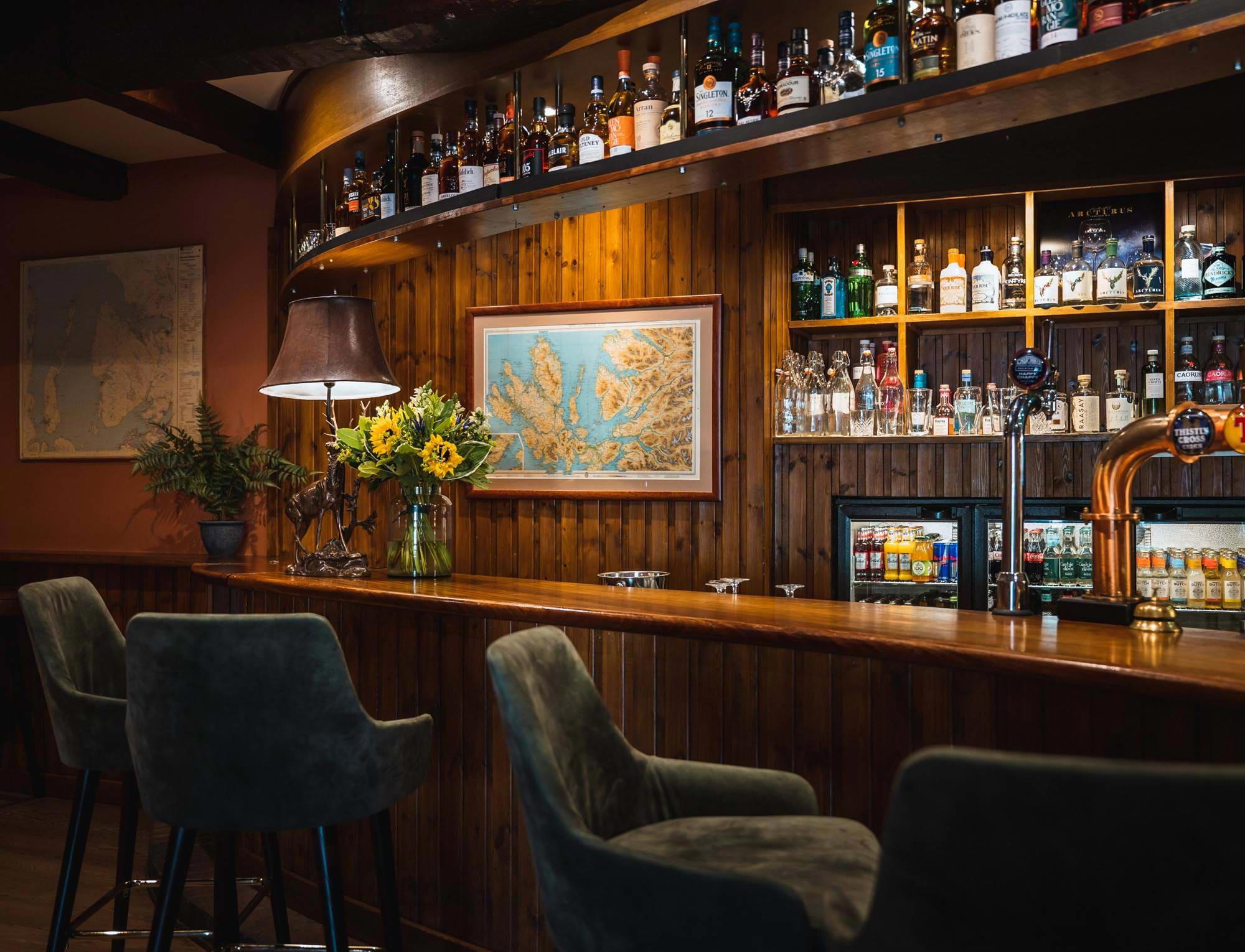
Details
- Scenic
- Cozy
- Rustic
- Classic
- Casual Hangout
- Group Dining
- Family
- Hotel Restaurant
- Beer Program
- Farm To Table
- Local Sourcing
- Mountain
- Garden
- A La Carte
- Set Menu
- Whisky
- Beer
- Vegetarian Friendly
Current opening hours
- Monday
- 11 AM–10 PM
- Tuesday
- 11 AM–10 PM
- Wednesday
- 11 AM–10 PM
- Thursday
- 11 AM–10 PM
- Friday
- 11 AM–10 PM
- Saturday
- 11 AM–10 PM
- Sunday
- 11 AM–10 PM
Hours can change for holidays and private events. Last verified .
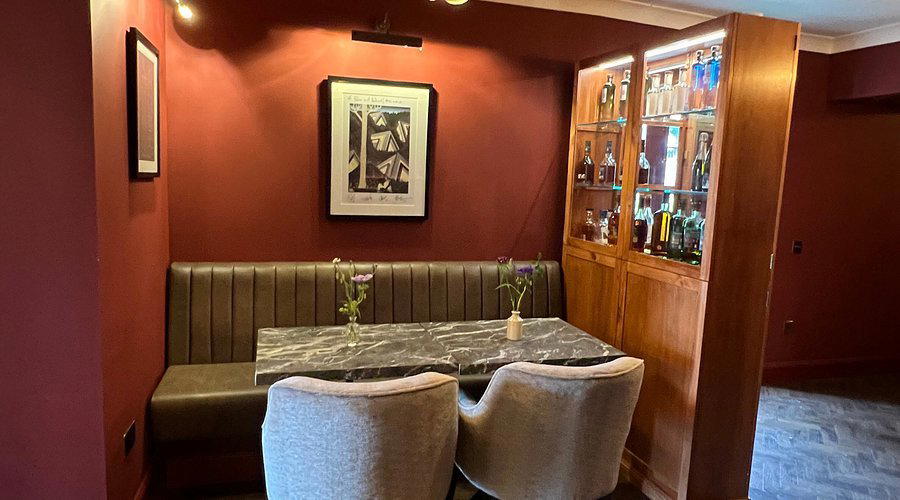
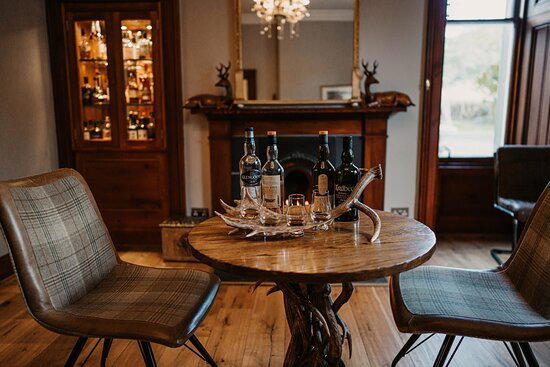
Relaxed, casual brasserie atmosphere with a heartier, more informal feel than the hotel’s fine-dining restaurant, set within a scenic Highland resort.