Our verdict
Blum sits in Buccament, where dining is shaped less by imported luxury cues than by the island’s daily rhythms: fish landings, fruit harvests, roadside cooking, and beach-adjacent social life. With no public awards or chef-led narrative to lean on, the useful lens is local context: how a small Saint Vincent address fits into a wider Grenadine food culture built around freshness, informality, and proximity.

Pearl is the En Primeur Club membership app — saves, bookings, and concierge access live there. Same editors, same standards.
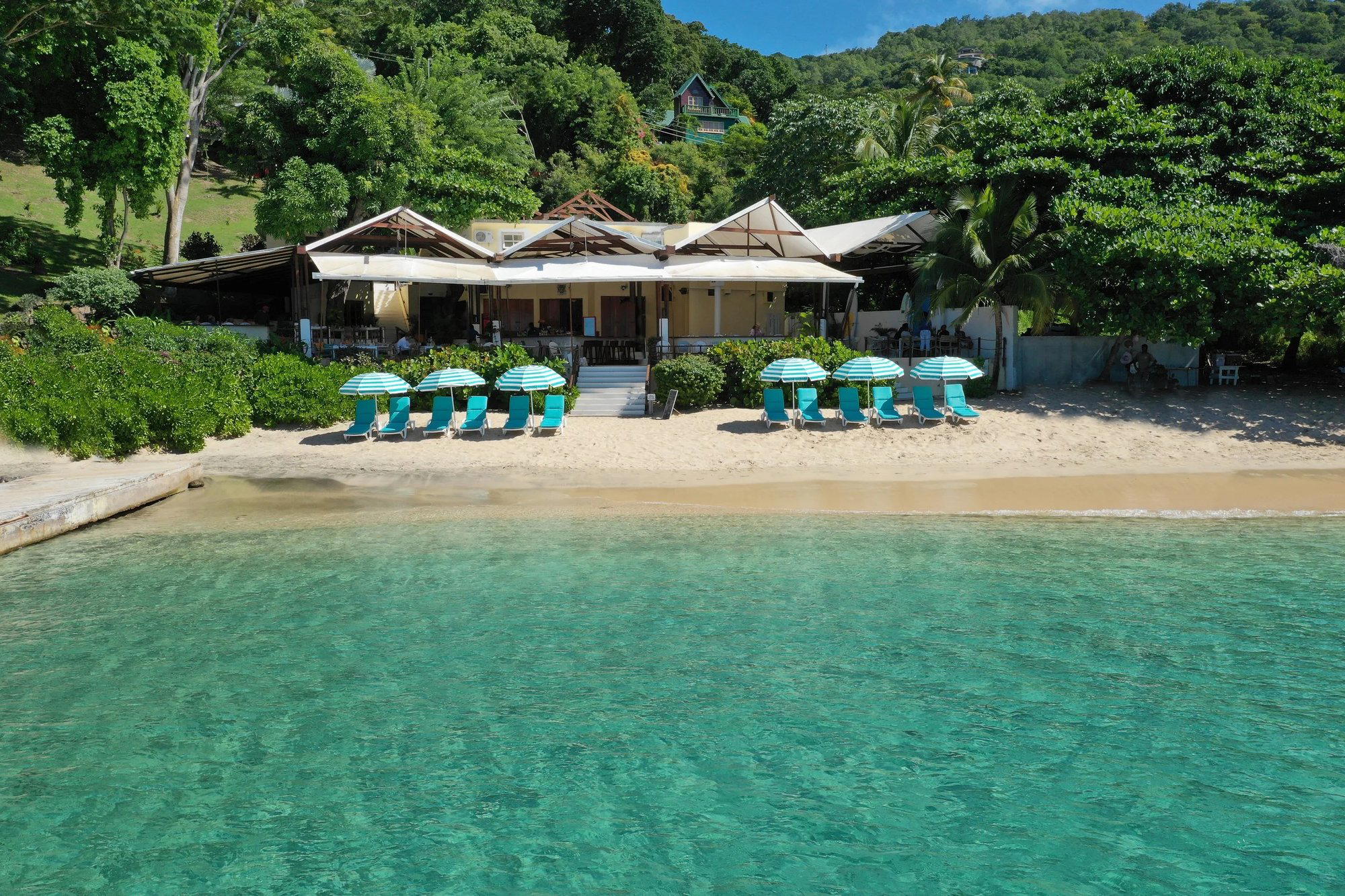
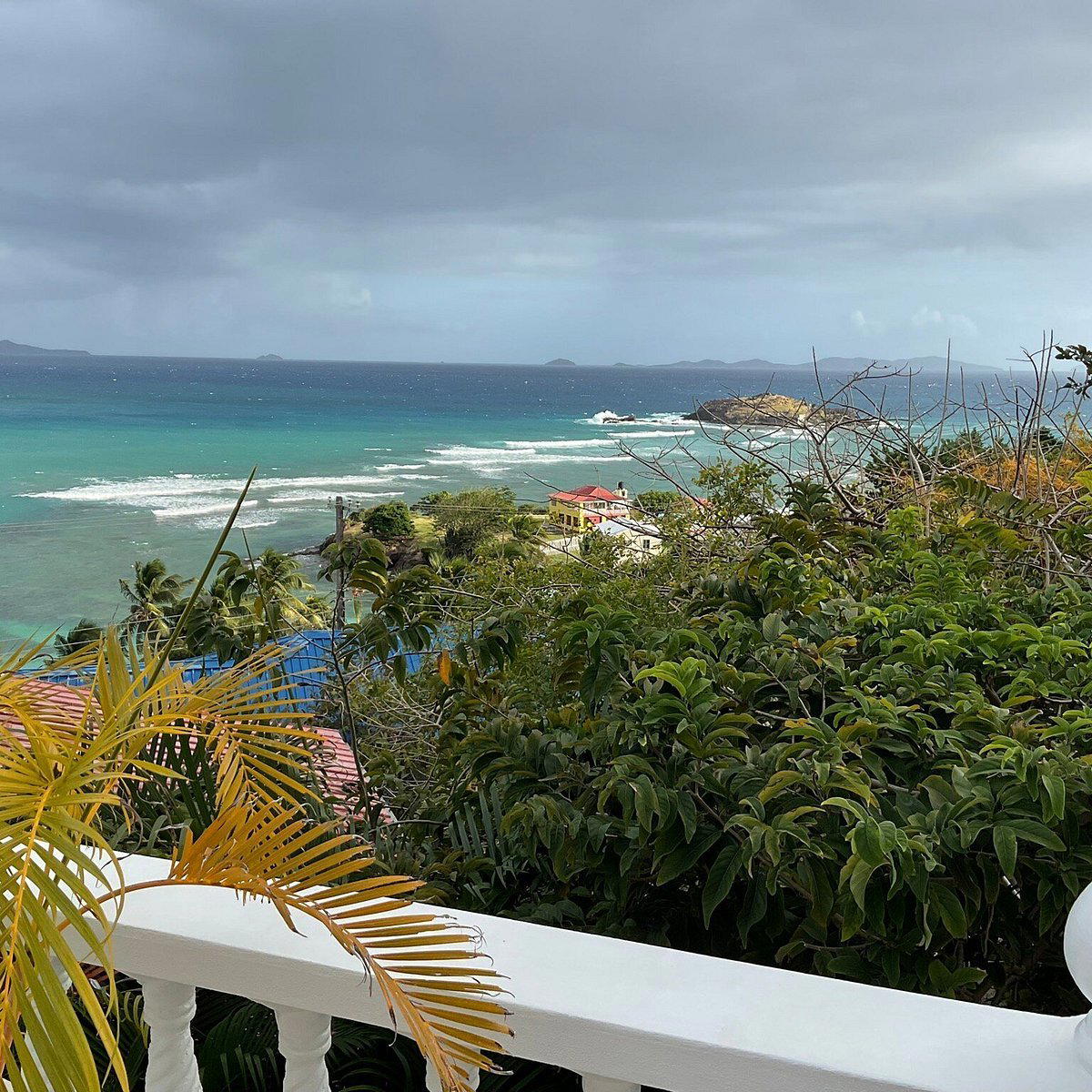
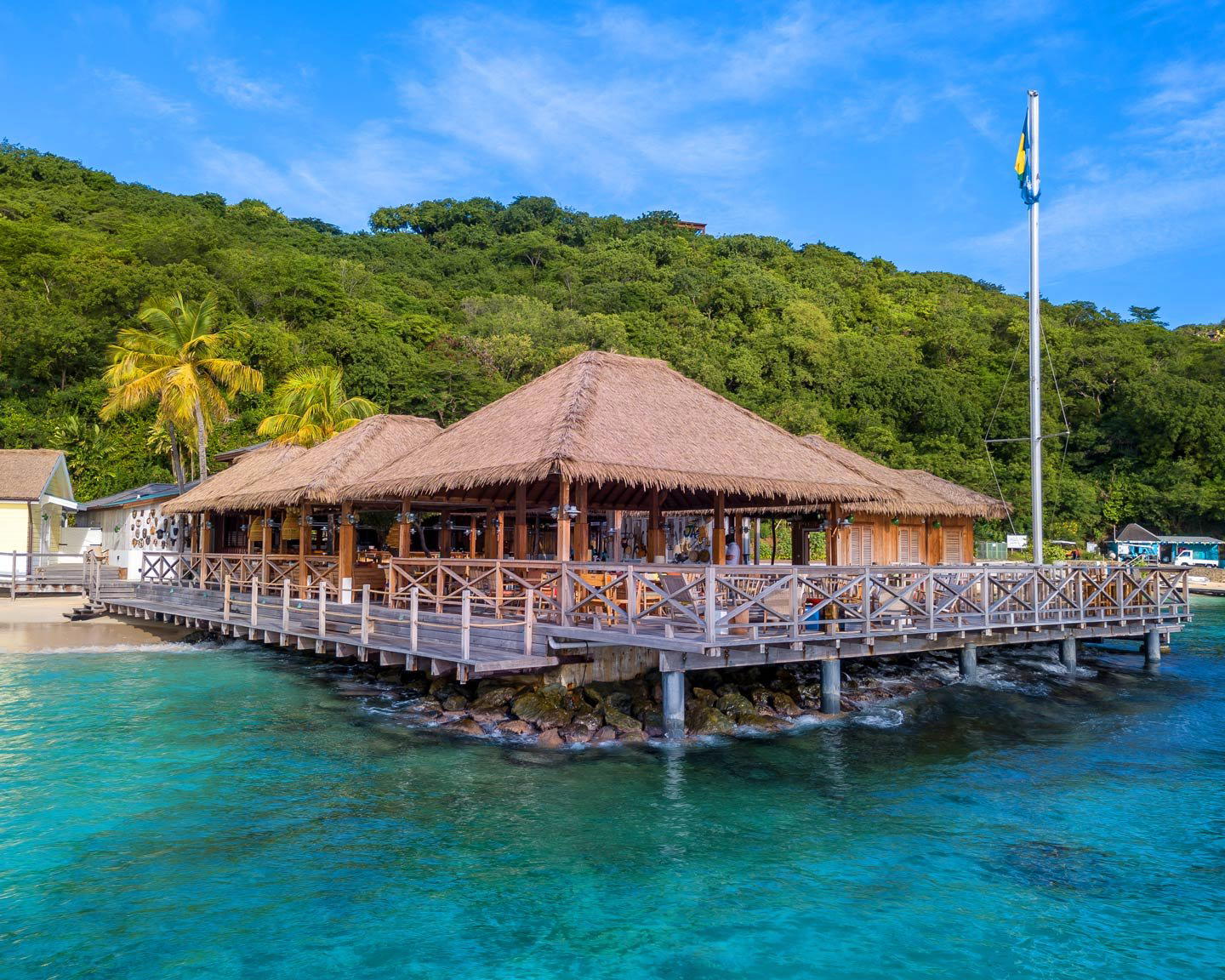
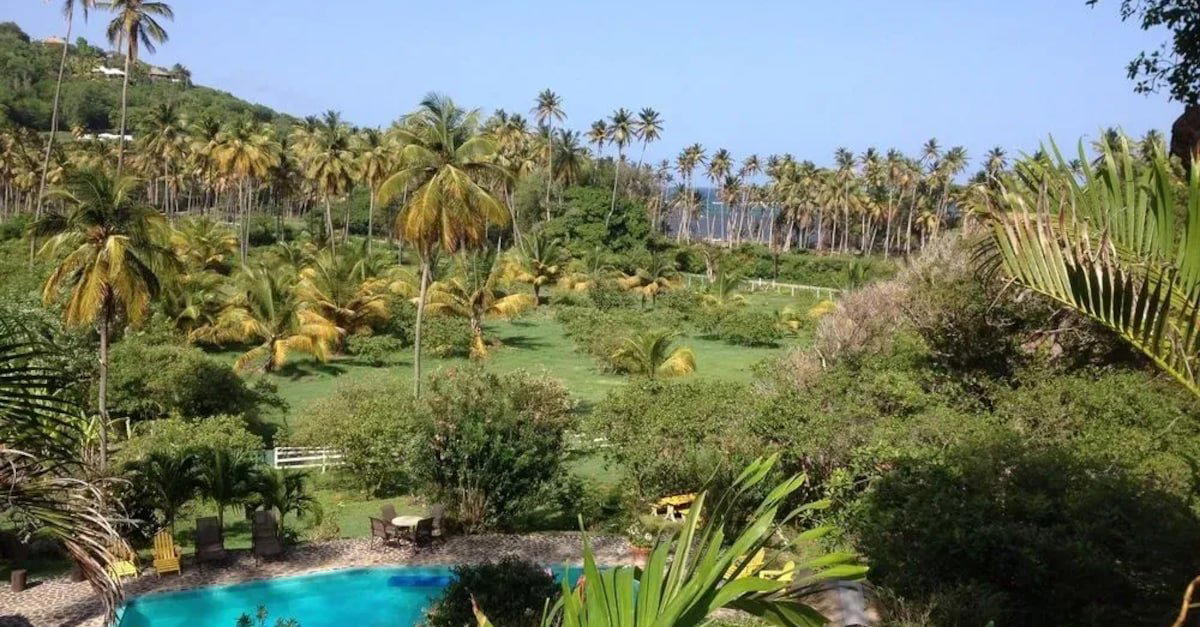
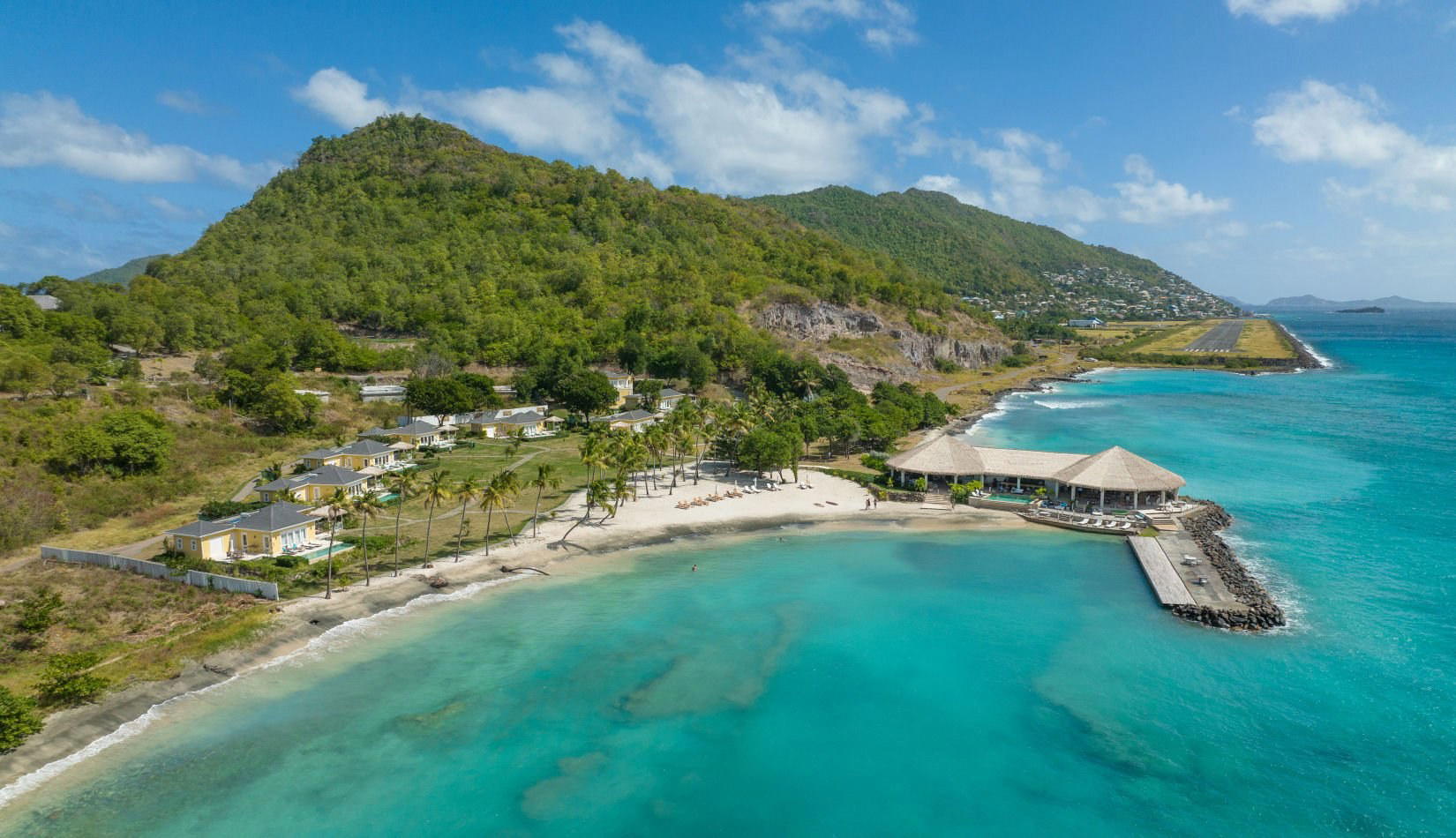
Approaching Buccament, the dining mood is set before any menu appears: steep green hills, warm coastal air, and a road where the island’s food culture feels close to its source. In Saint Vincent and the Grenadines, the strongest tables often speak through supply rather than ceremony. Local produce, seafood, herbs, and market fruit carry more weight than elaborate dining-room theatre. Blum belongs to that context: a Buccament address in a part of the island where the appeal is not a formal restaurant circuit, but the immediacy of place.
Buccament dining is about proximity, not performance
Buccament does not operate like a resort dining capital with a dense grid of tasting menus and trophy rooms. Its appeal is more practical and more revealing: the coast is close, produce moves through small local channels, and meals tend to read as part of the day rather than a separate production. That matters for travelers who care where food comes from. In the Grenadines, freshness is not a slogan when the sea, hillside farms, and village shops shape what is plausible on the plate.
Blum is better understood inside that small-island equation than as a standalone destination restaurant. That does not weaken the case for a stop in Buccament; it changes the question. The smart read is not whether this is competing with metropolitan fine dining, but whether it gives a clearer sense of how casual dining around Buccament works outside more controlled resort spaces.
For a wider view of the area, Our full Buccament restaurants guide is the useful starting point. Nearby names such as Butch's Island Chop House, Crema, Gatsu Gatsu, Isola Pizzeria, and Parisol Beach Club help map the small local field, where formats are less standardized than in larger Caribbean resort hubs. Other Buccament dining rooms add further points of comparison for travelers building meals around the west-coast rhythm rather than a single headline reservation.
Ingredient sourcing carries the editorial weight
The most persuasive argument for eating in this part of Saint Vincent is the island pantry itself. Local staples, root vegetables, tropical fruit, and seafood give everyday cooking much of its structure along the coast. A venue in Buccament does not need a long manifesto for sourcing to matter. Geography already does part of the work, because distance, season, and daily availability shape what small kitchens can reasonably serve.
That is also where expectation management matters. Without a published tasting format, price range, or chef-led program, Blum should be approached as part of the area’s casual dining fabric rather than as a formal special-occasion room. The editorial interest lies in how it fits the Buccament pattern: food tied to island supply, a setting that does not require metropolitan ritual, and a useful counterweight to more controlled dining elsewhere in the Grenadines.
Travelers moving beyond Buccament can read the country through its dining contrasts. Some island restaurants sit in a more resort-driven orbit, while other dining rooms show how the experience changes between beach, harbor, inland, and urban settings. For contrast outside the Caribbean, more tightly defined casual formats underline how far a narrow concept can sit from Buccament’s looser, supply-led model.
How to plan the meal around Buccament, not around ceremony
The practical move is to treat Blum as one part of a west-coast day, not as a rigid reservation anchor. Buccament rewards slower pacing: beach time, a drive through the area, and a meal chosen for locality rather than status. Travelers staying nearby should also think beyond restaurants alone. Our full Buccament hotels guide, Our full Buccament bars guide, Our full Buccament wineries guide, and Our full Buccament experiences guide help place the meal within the broader area.
The verdict is measured but useful: Blum makes sense for travelers who want Buccament on its own terms. The draw is not published luxury cues, rigid ceremony, or a named culinary personality. It is the chance to read a small Buccament dining address through the ingredients and rhythms around it, which is often the more honest way to eat in this part of the Caribbean.
Frequently asked questions
Is Blum okay with children?
Blum sits in Buccament. With no child policy attached to the public record, families should treat it as a practical local stop and confirm plans in advance. Check the venue's official channels for the latest details.
Is Blum formal or casual?
Blum reads as casual rather than formal. The Buccament location points to an everyday local setting, not a dress-code restaurant.
What's the address for Blum?
Buccament.
Should I book Blum in advance?
No booking details are listed for Blum, so planning ahead is sensible, especially if the meal is part of a day around Buccament. The public record gives the location as Buccament, but not a reservation policy.
What's Blum best at?
Blum’s main appeal is its Buccament location. It works as a practical local stop rather than a formal destination built around a named chef.
Comparable Spots, Quickly
Comparable venues by cuisine and price in the same metro.
| Venue | Cuisine |
|---|---|
| BlumThis venue — the venue you are viewing | Coffee shop & patisserie |
| Butch's Island Chop House | Upscale resort steakhouse |
| Crema | Coffee and ice cream café |
| Gatsu Gatsu | Japanese sushi and izakaya-style handrolls |
| Isola Pizzeria | Italian Pizzeria |
Continue exploring
More in Buccament
Restaurants in Buccament
All restaurants in Buccament →
Bars in Buccament
Browse all →
Details
- Cozy
- Modern
- Lively
- Casual Hangout
- After Work
- Solo
- Hotel Restaurant
- Standalone
- A La Carte
- Counter Dining
- Coffee
- Tea
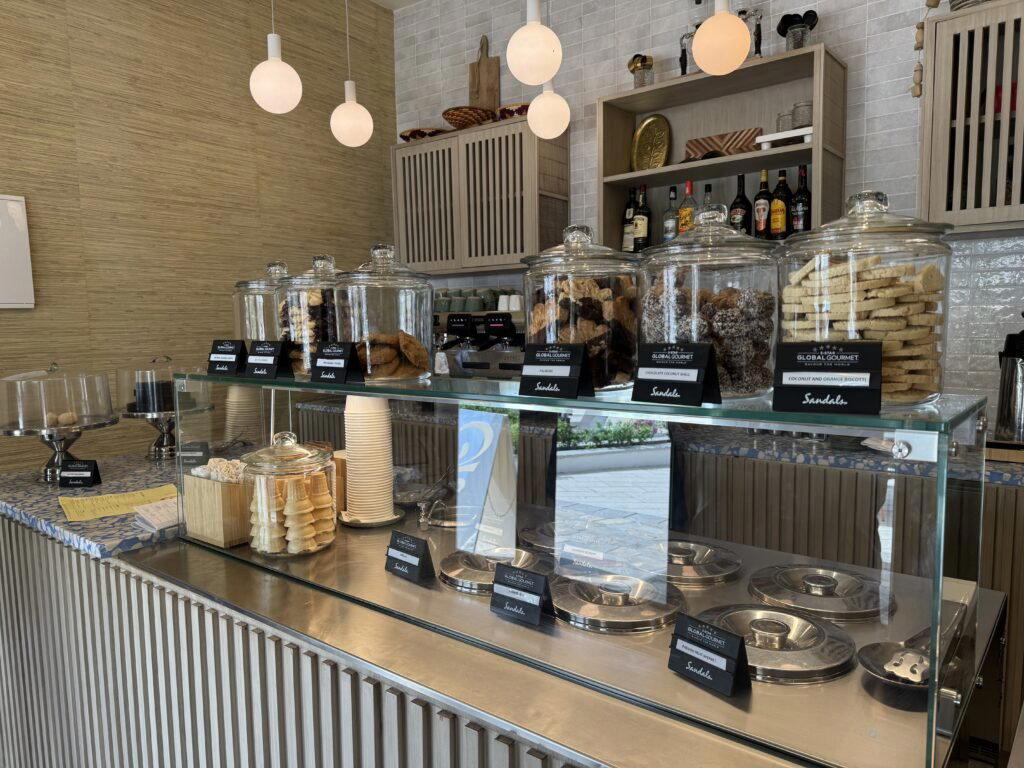
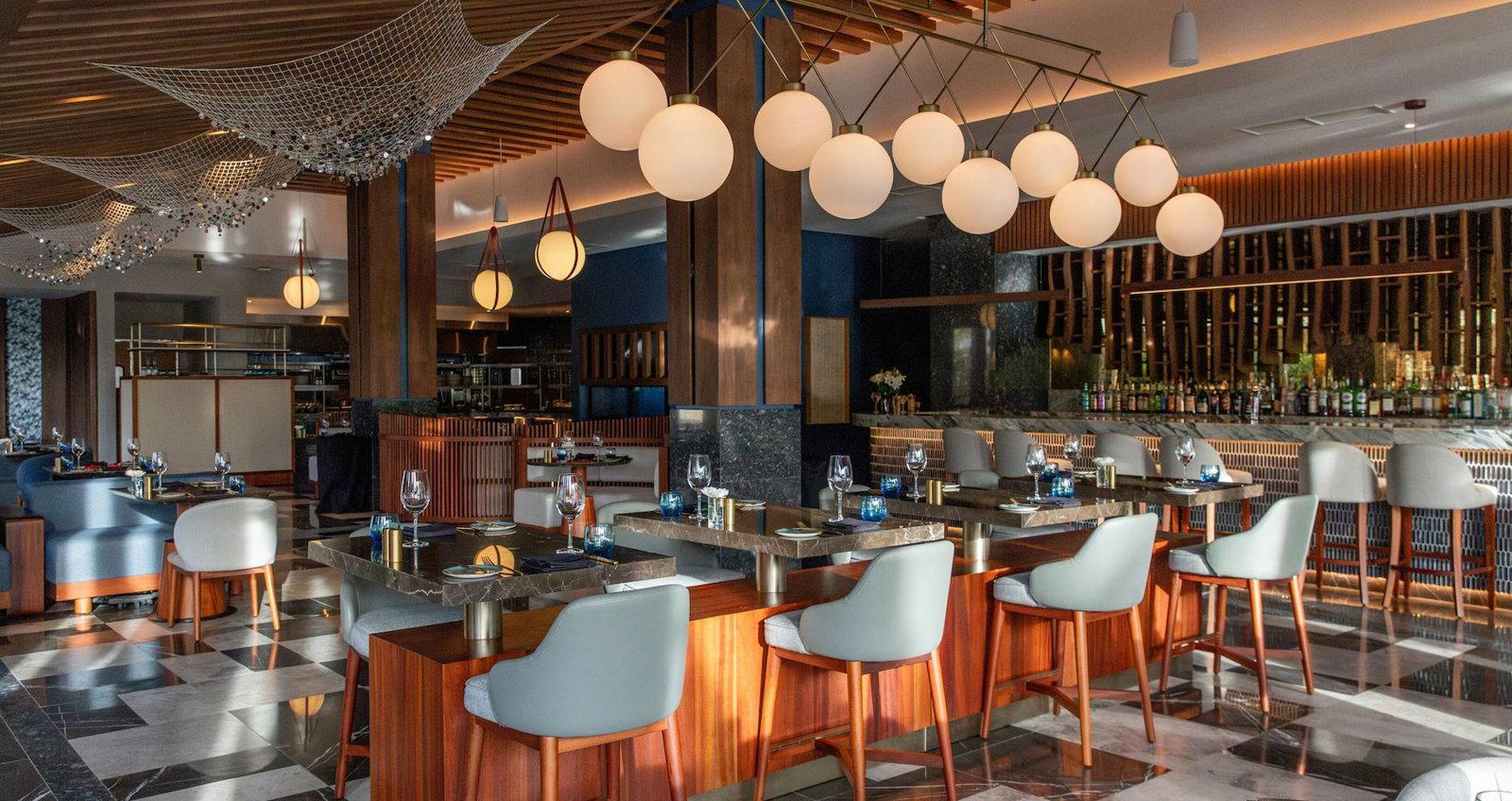
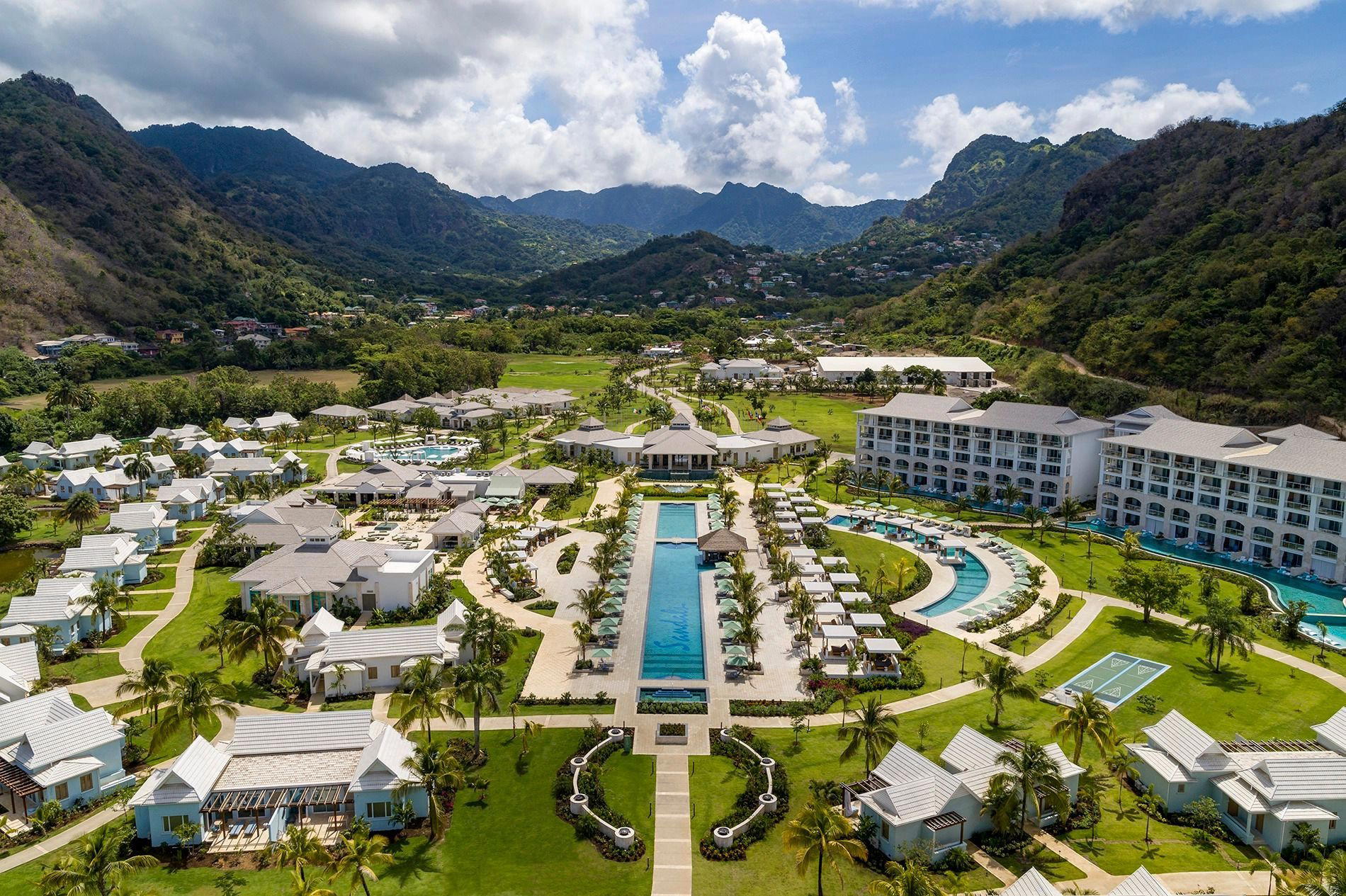
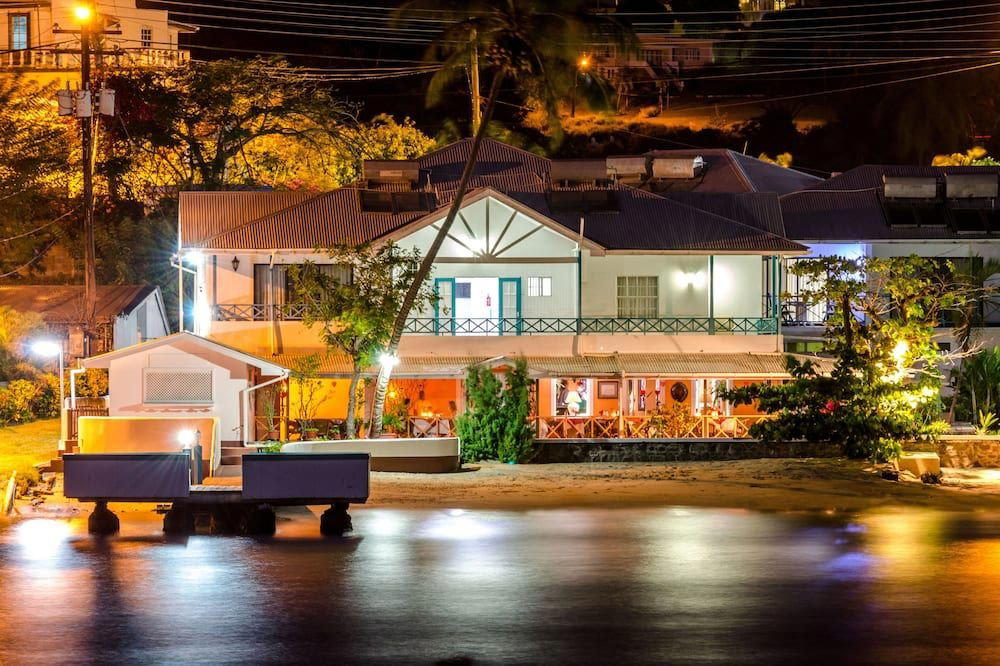
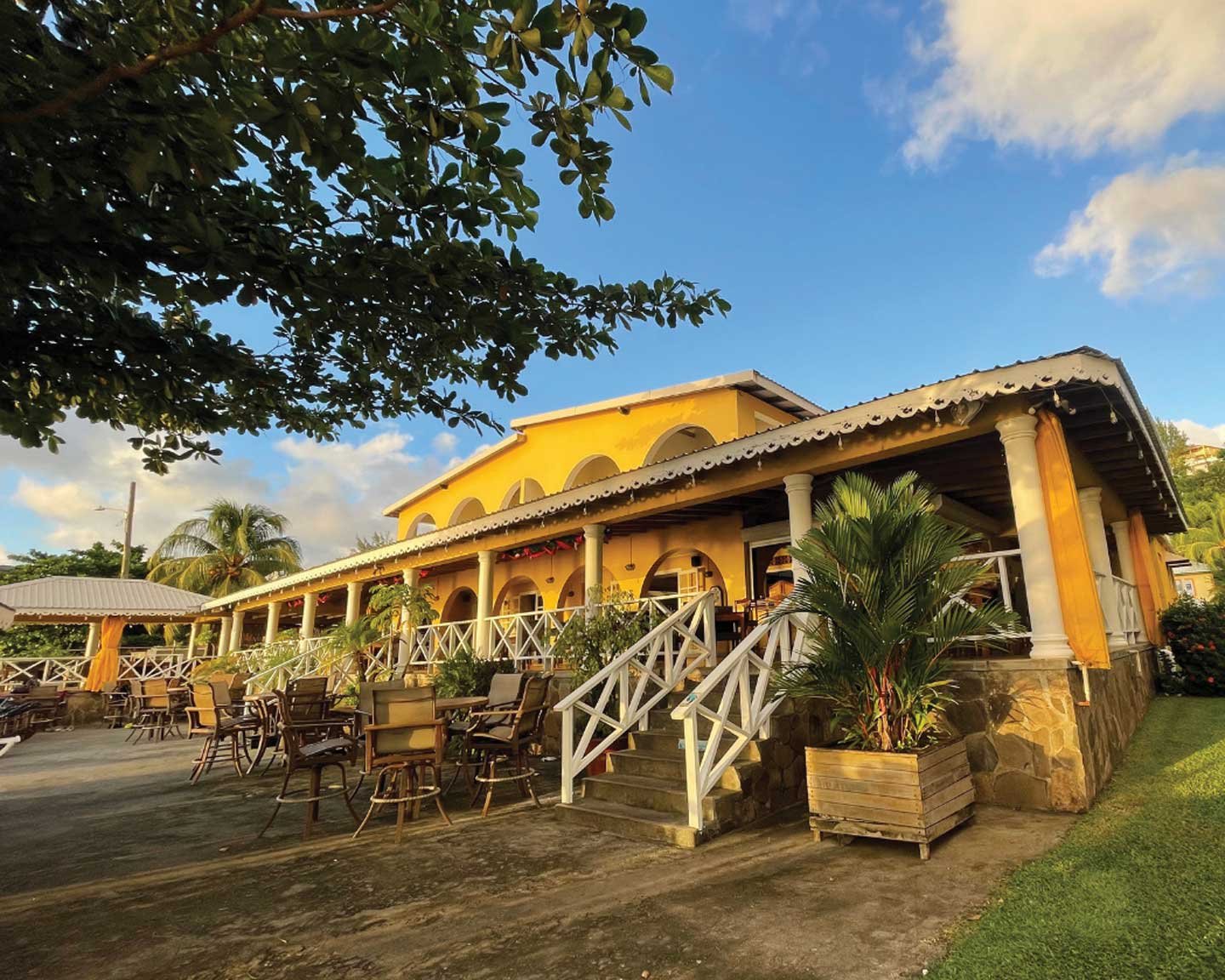
Guests describe Blum as a cozy, cafe-style coffee shop with a relaxed atmosphere suited to grabbing a drink or pastry between resort activities, blending the polished feel of a new Sandals property with an informal hangout vibe.