Our verdict
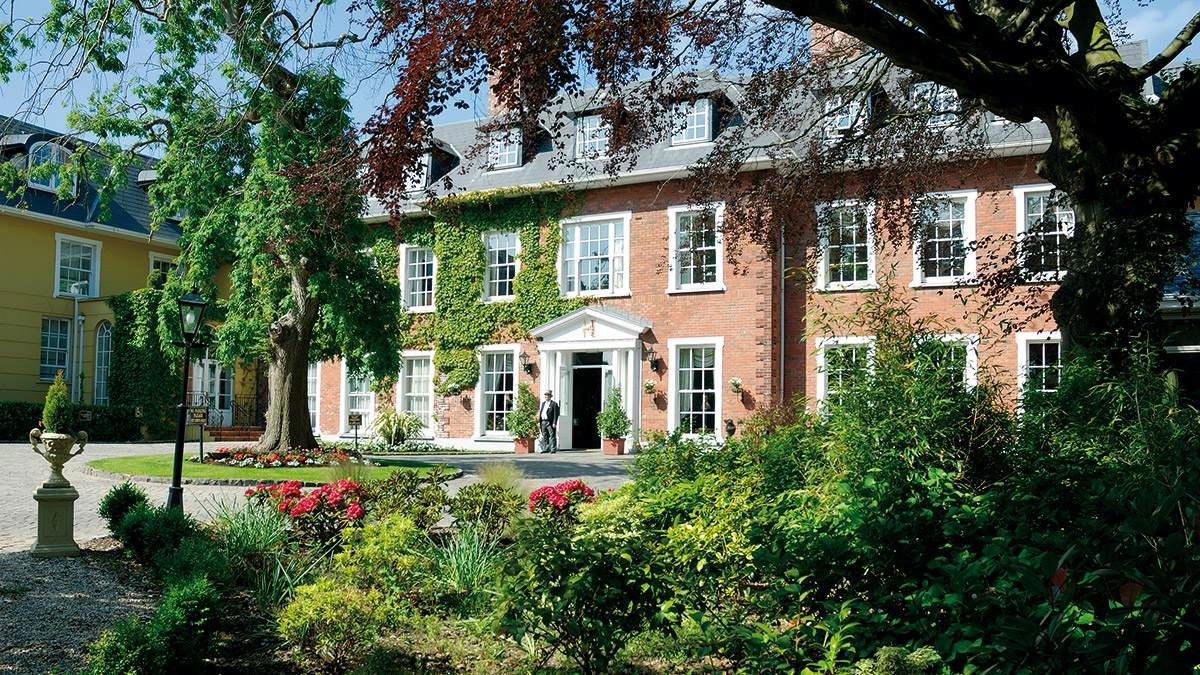
Bloom places Cork dining in a hotel-courtyard register rather than the pub, café, or market-counter rhythm that defines much of the city. Its appeal is tied less to spectacle than to setting: a sheltered room at Hayfield Manor where the question is how Cork’s produce-led habits translate into a more composed hotel dining format.

Pearl is the En Primeur Club membership app — saves, bookings, and concierge access live there. Same editors, same standards.
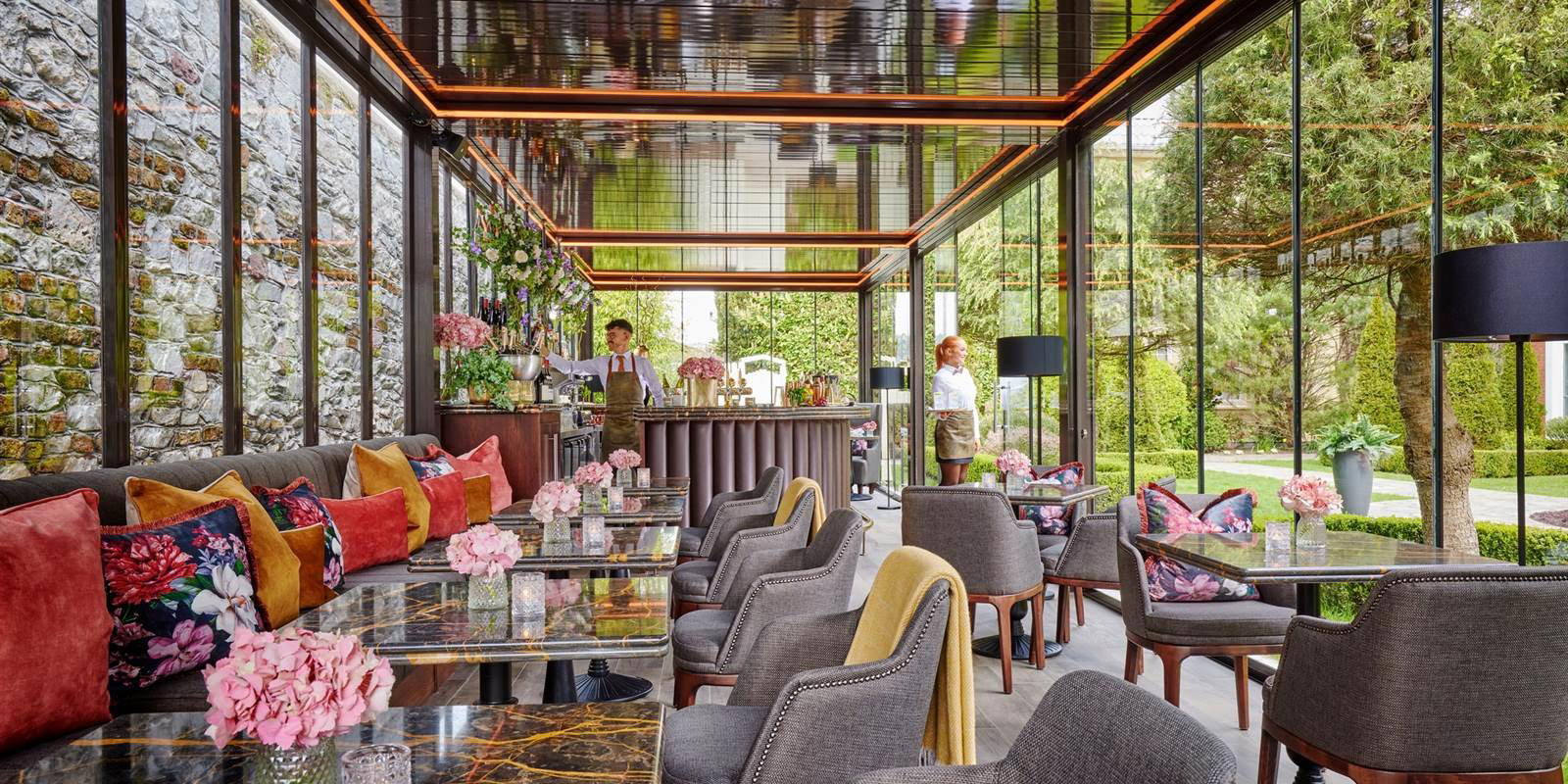
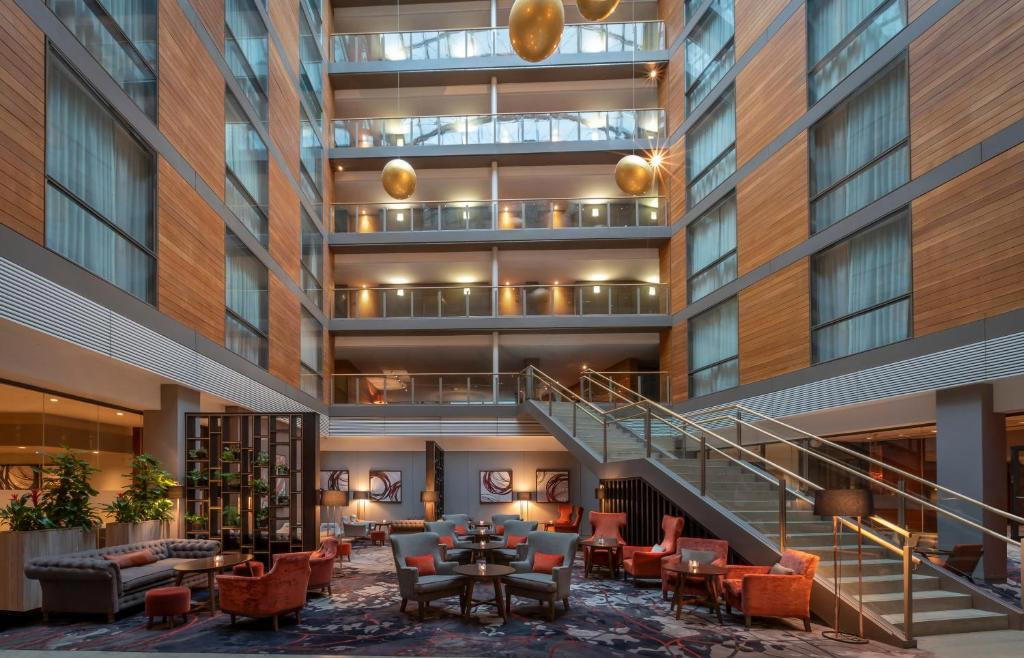
The approach to Bloom is quieter than the centre-city restaurant circuit. Cork’s dining identity is often heard before it is seen: pub doors opening on side streets, small kitchens turning local produce into compact menus, and dining rooms that work best when they keep close to the city’s appetite. A courtyard-style setting shifts that rhythm indoors and slows it down. The point is not urban theatre; it is the way a composed room can frame a Cork meal with more ceremony than the city’s casual addresses usually allow.
A Cork room shaped by produce rather than performance
Cork has a deep habit of valuing seasonality and clear execution. The city’s restaurants often make most sense when they keep their ideas direct and their rooms confident rather than overworked. Bloom belongs to that broader pattern, though without the immediacy, neighbourhood looseness or city-centre bustle found in other Cork dining rooms. In a more settled context, restraint matters because the room asks for polish, but Cork punishes dining rooms that drift too far from what the occasion actually needs.
That tension is useful. Composed restaurants in Ireland can split between two modes: destination dining built around a public personality, or a room designed to serve visitors and local diners without demanding too much ceremony. Bloom reads closer to the second mode from the information in circulation: no public chef-led mythology, no specific award detail supplied here, no published price structure shaping expectations before arrival. This is not a page to evaluate against star-chasing tasting-menu rooms; it belongs in the more practical category of Cork dining, where setting, produce discipline and service tempo carry more weight than culinary theatre.
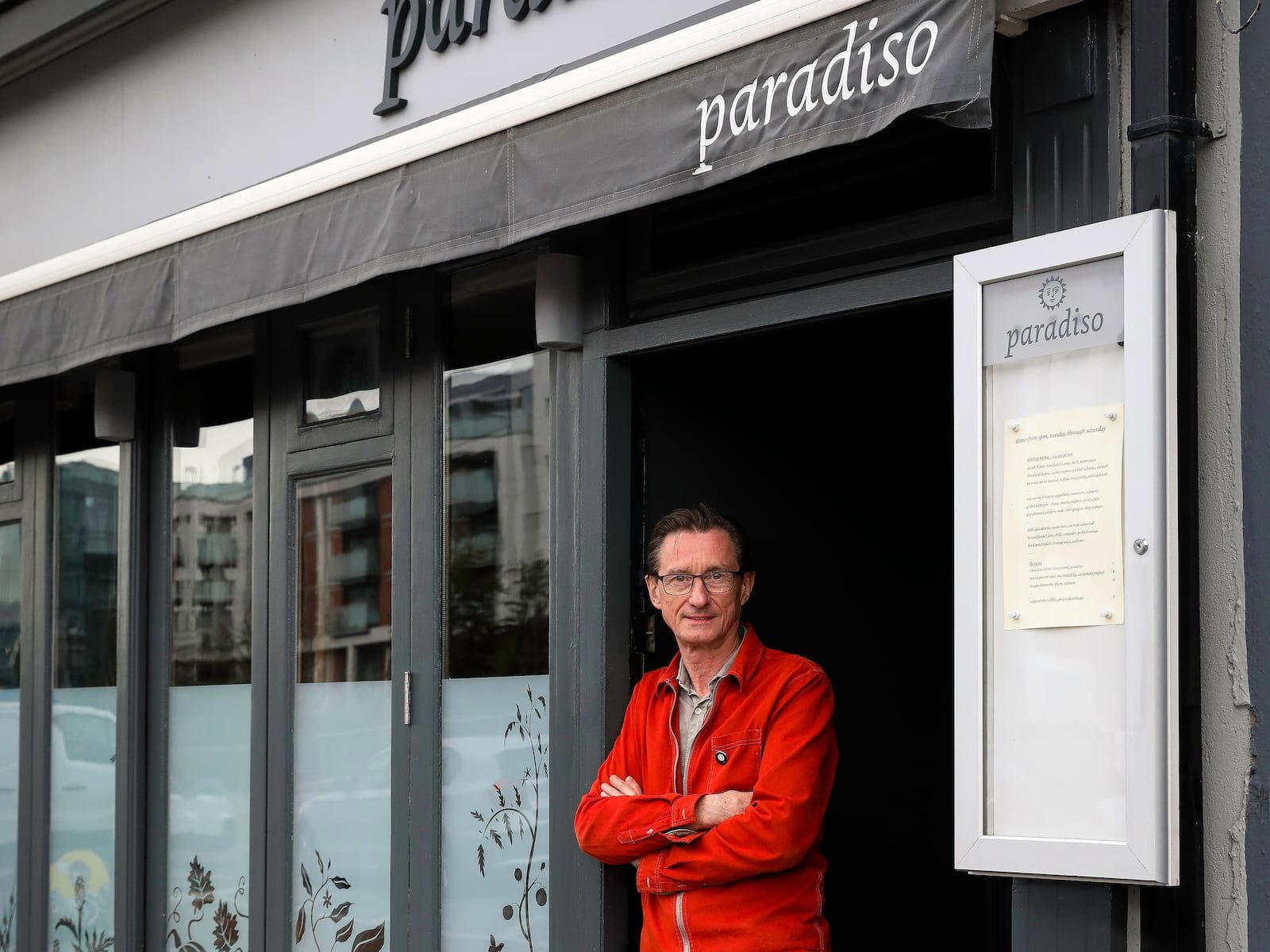
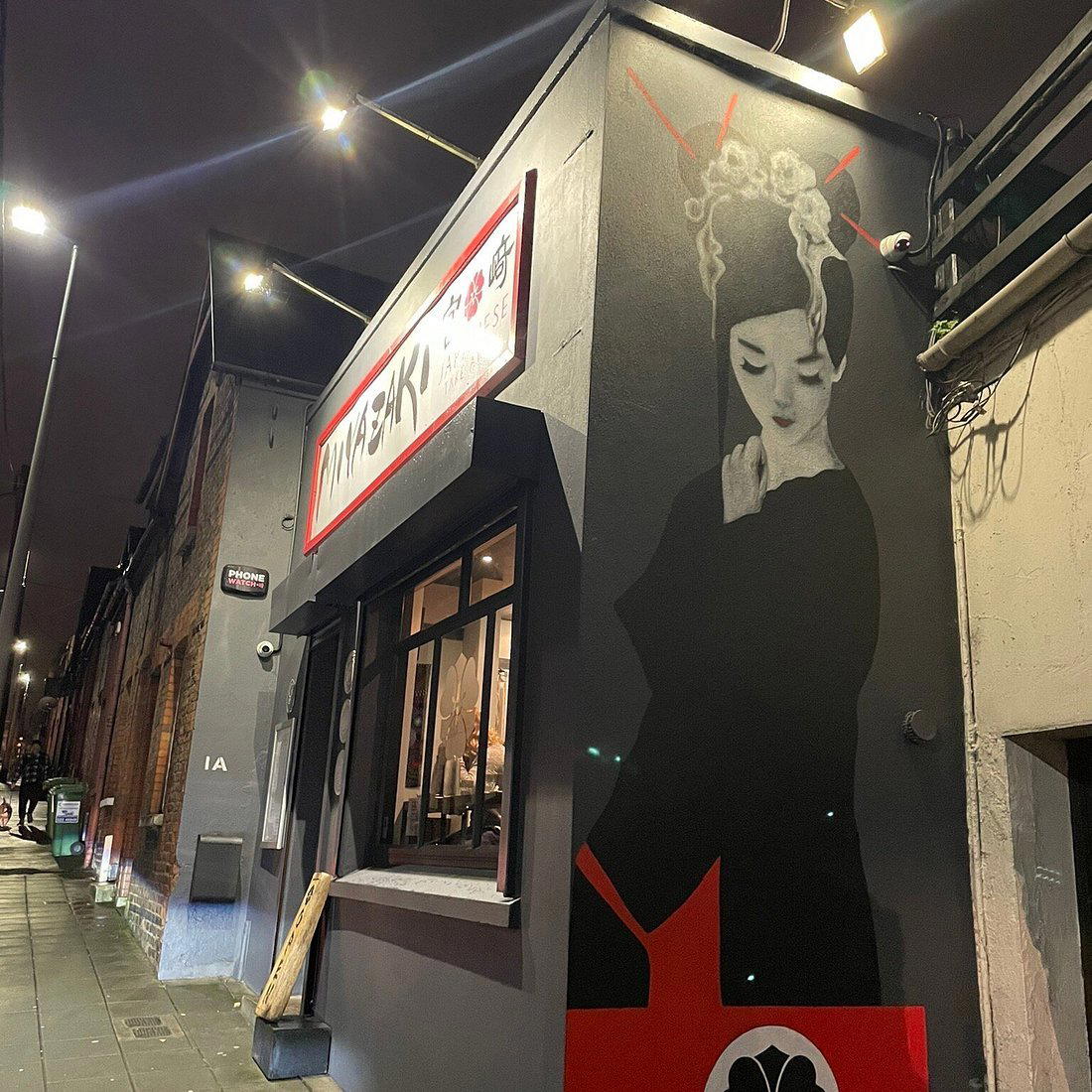
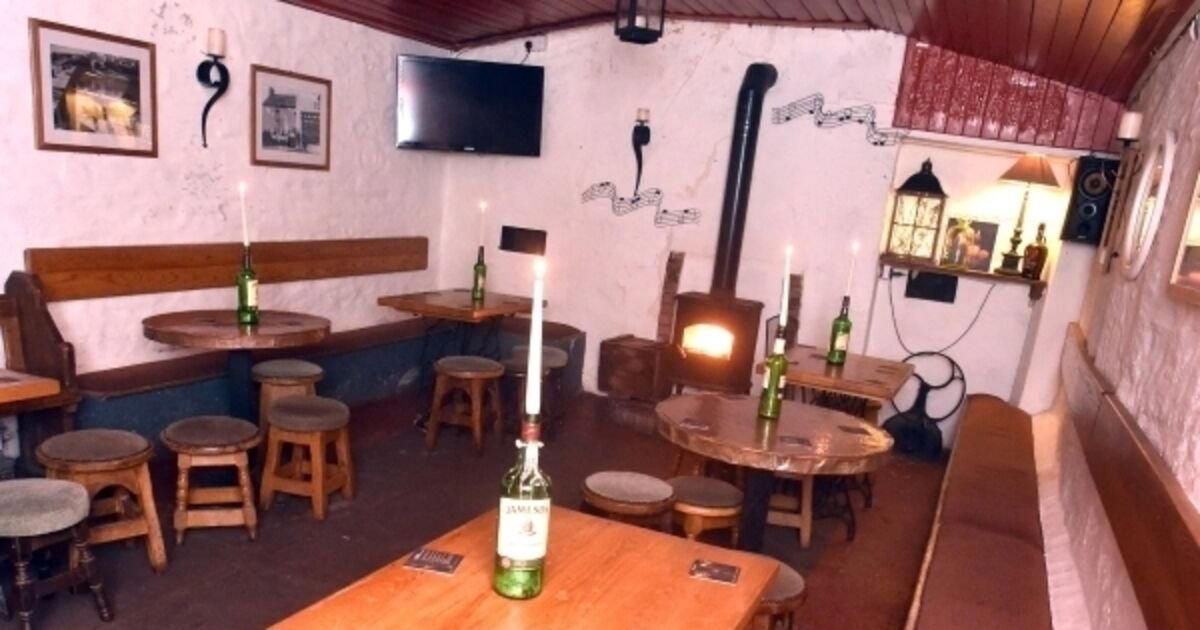
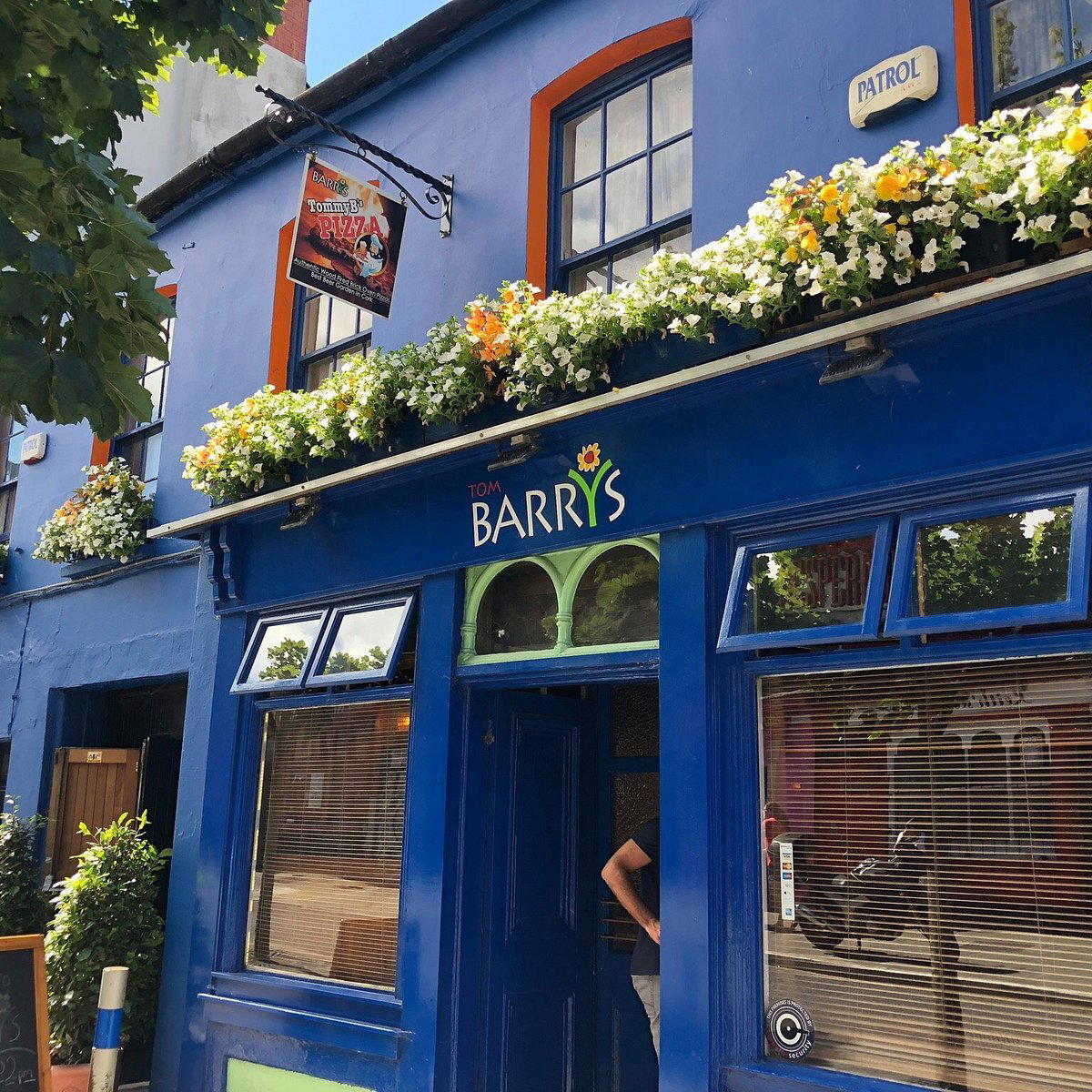
The local comparison is instructive. Paradiso represents one strand of Cork’s restaurant seriousness; Miyazaki channels another appetite for compact, precise cooking; Tom Barry's anchors a different tradition, where food and drink sit inside pub culture rather than formal dining. Bloom occupies another lane: a courtyard-style Cork address where the meal can land in a calmer register. For travellers mapping a broader eating itinerary, that makes it a counterpoint rather than a substitute.
Where it fits in a Cork itinerary
The strongest use case is sequencing. Cork rewards variety over a single trophy booking: casual lunches, late meals, composed dining, serious cooking and bars with proper local character all sit within a compact city. Bloom makes sense when a meal needs a softer landing, especially as part of a Cork stay rather than a dash between busier central addresses. Readers comparing Cork options should treat it as part of a wider set, with Our full Cork restaurants guide doing the heavy lifting for restaurant range, Our full Cork hotels guide for sleep strategy, Our full Cork bars guide for the city’s drinking culture, Our full Cork wineries guide for wine-led planning, and Our full Cork experiences guide for time outside the dining room.
That wider lens also helps avoid overreading the venue. Without a listed cuisine type, public award details, seat count, price range or named chef in the supplied information, the useful editorial move is to judge the category rather than invent a narrative. Cork’s more compelling meals often come from restraint: a clear sense of occasion, unfussy pacing, and rooms that understand their audience. A courtyard-style restaurant has to deliver that with enough polish to justify leaving the city’s looser dining circuit. Bloom’s Cork context gives it a clear frame; the reader’s task is to decide whether that context suits the occasion.
How to compare it beyond Cork
Across Ireland, composed dining rooms often operate as a parallel network to independent city restaurants. They are useful for travellers who want measured service, easier pacing and a room that can absorb mixed groups. Cork has its own version of that pattern, but the broader comparison helps: other Irish dining rooms point to different ways of connecting place, atmosphere and format without needing the same level of bustle or definition as a small independent restaurant.
The international links are less about similarity than contrast. Tightly defined formats elsewhere can drive a dining decision before a guest reads the menu. Bloom works from the opposite direction: setting first, category second, menu detail later. In Cork, that can be enough when the occasion calls for a composed meal rather than a chase across town for novelty.
The editorial verdict is restrained. Choose Bloom when the appeal is a calmer Cork dining room tied to a more settled setting, not when the goal is an award-led tasting menu or a chef-centred destination. The city has sharper-edged, more clearly defined restaurant identities elsewhere, but this address serves a different purpose: it gives Cork dining a more settled frame.
Frequently asked questions
Can I bring kids to Bloom?
Bloom is in Cork, and the available description points to a composed dining room rather than a formal counter. That setting generally suits mixed-age groups better than a tasting-menu room.
What's the vibe at Bloom?
The Cork setting suggests a courtyard-style room with a quieter tempo than a standalone city-centre bistro. Expect a space shaped more by calm pacing than by chef theatre.
What part of town is Bloom in?
Bloom is located in Cork.
Do they take walk-ins at Bloom?
No walk-in policy is listed for Bloom in Cork. For a composed courtyard-style room, the safer approach is to plan ahead, especially around peak dining times.
What is Bloom known for?
Bloom is known as a courtyard-style dining room in Cork. No chef name, fixed cuisine type or specific award detail is supplied here. The main draw is the calmer Cork setting.
What if I have allergies at Bloom?
With no cuisine type or menu listed, the practical move is to flag allergies directly to Bloom in Cork before dining. More composed dining rooms can often discuss special requests in advance.
Fast Comparison
Comparable venues by cuisine and price in the same metro.
| Venue | Cuisine | Price | Awards |
|---|---|---|---|
| BloomThis venue — the venue you are viewing | Champagne bar & relaxed dining | Not listed | Not listed |
| Orchids Restaurant | Contemporary Irish Fine Dining | $50–100 | Not listed |
| Perrotts Garden Bistro | Mediterranean and International Bistro | $50–100 | Not listed |
| Paradiso | Modern Fine-Dining Vegetarian | $50–100 | The Sunday Times Ireland’s 100 Best Restaurants · We're Smart World 3 Radishes |
| Tom Barry's | Irish Gastropub with Wood-Fired Pizza | $20–30 | Not listed |
| Miyazaki | Authentic Japanese | $20–30 | The Sunday Times Ireland’s 100 Best Restaurants |
Bloom
Featured Guides
Continue exploring
More in Cork
Restaurants in Cork
All restaurants in Cork →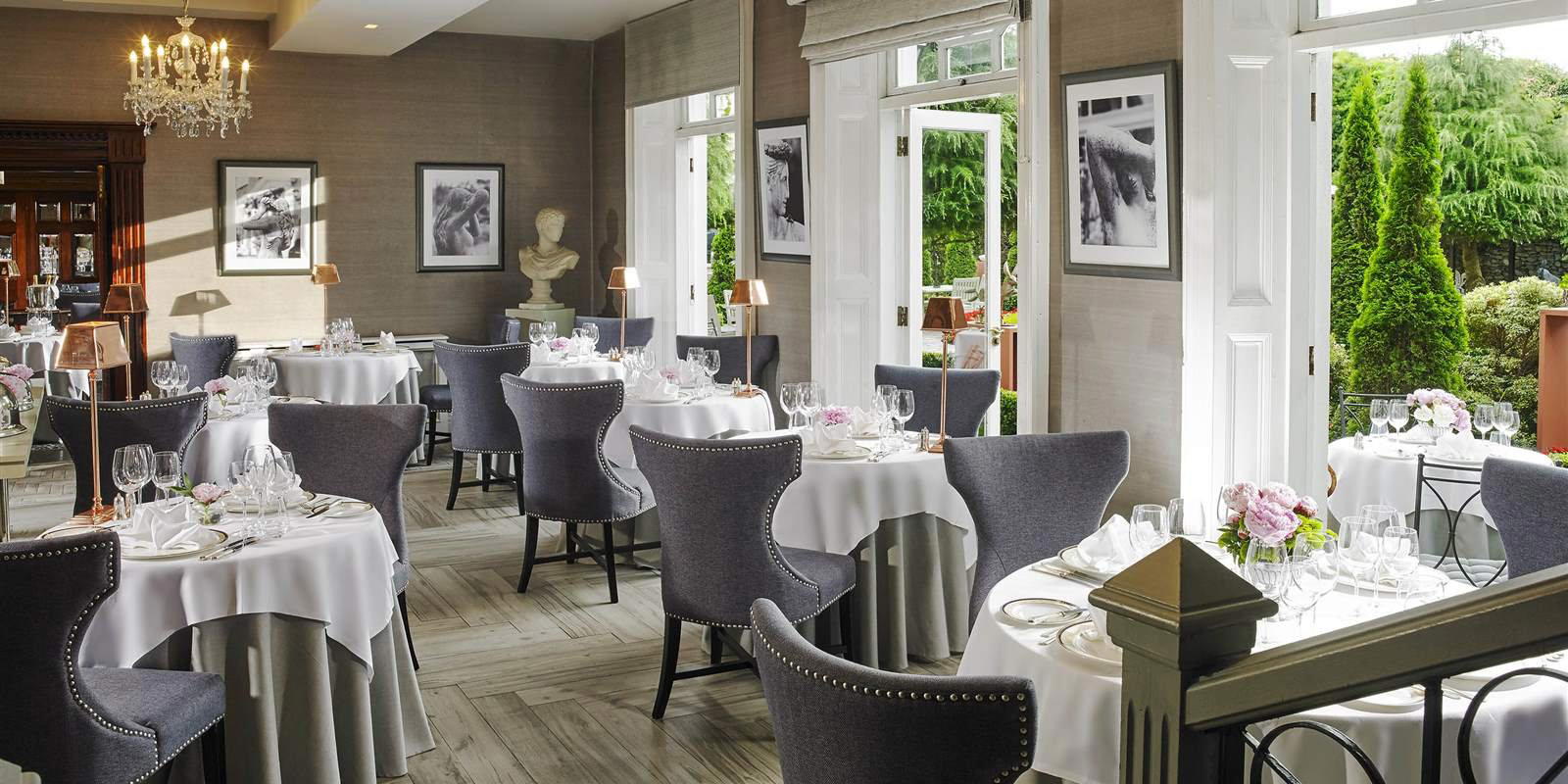
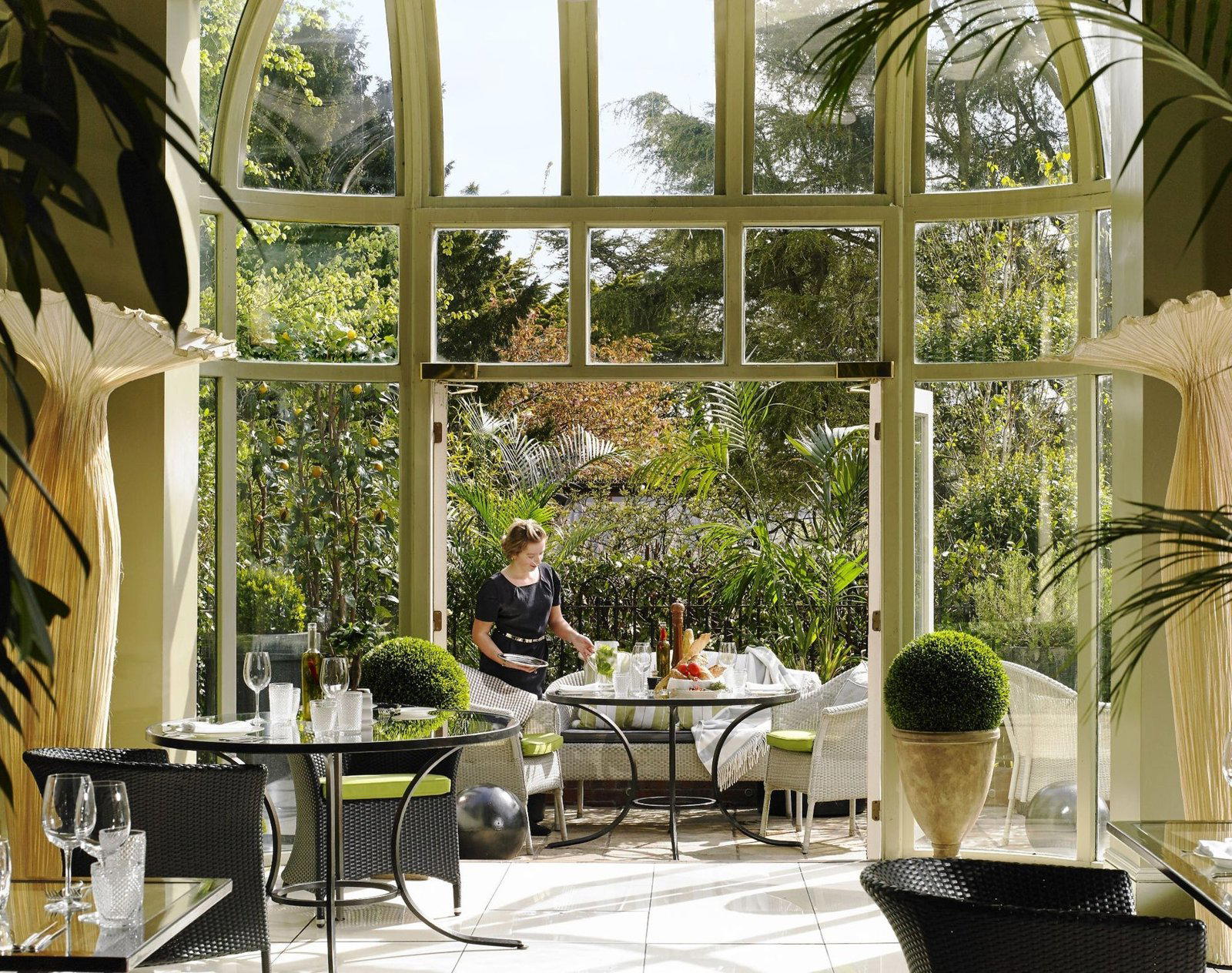
Bars in Cork
All bars in Cork →

Bloom
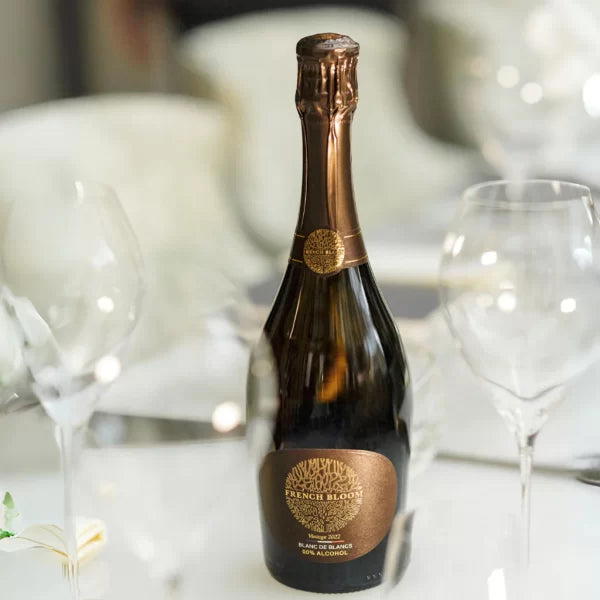
The wine
- Wine program
- Deep wine list
- Extensive wine list
- Craft cocktails
Details
- Elegant
- Intimate
- Scenic
- Modern
- Sophisticated
- Brunch
- Date Night
- Celebration
- Special Occasion
- After Work
- Private Event
- Garden
- Courtyard
- Private Dining
- Hotel Restaurant
- Design Destination
- Extensive Wine List
- Craft Cocktails
- Garden
- A La Carte
- Small Plates
- Champagne
- Cocktails
- Wine
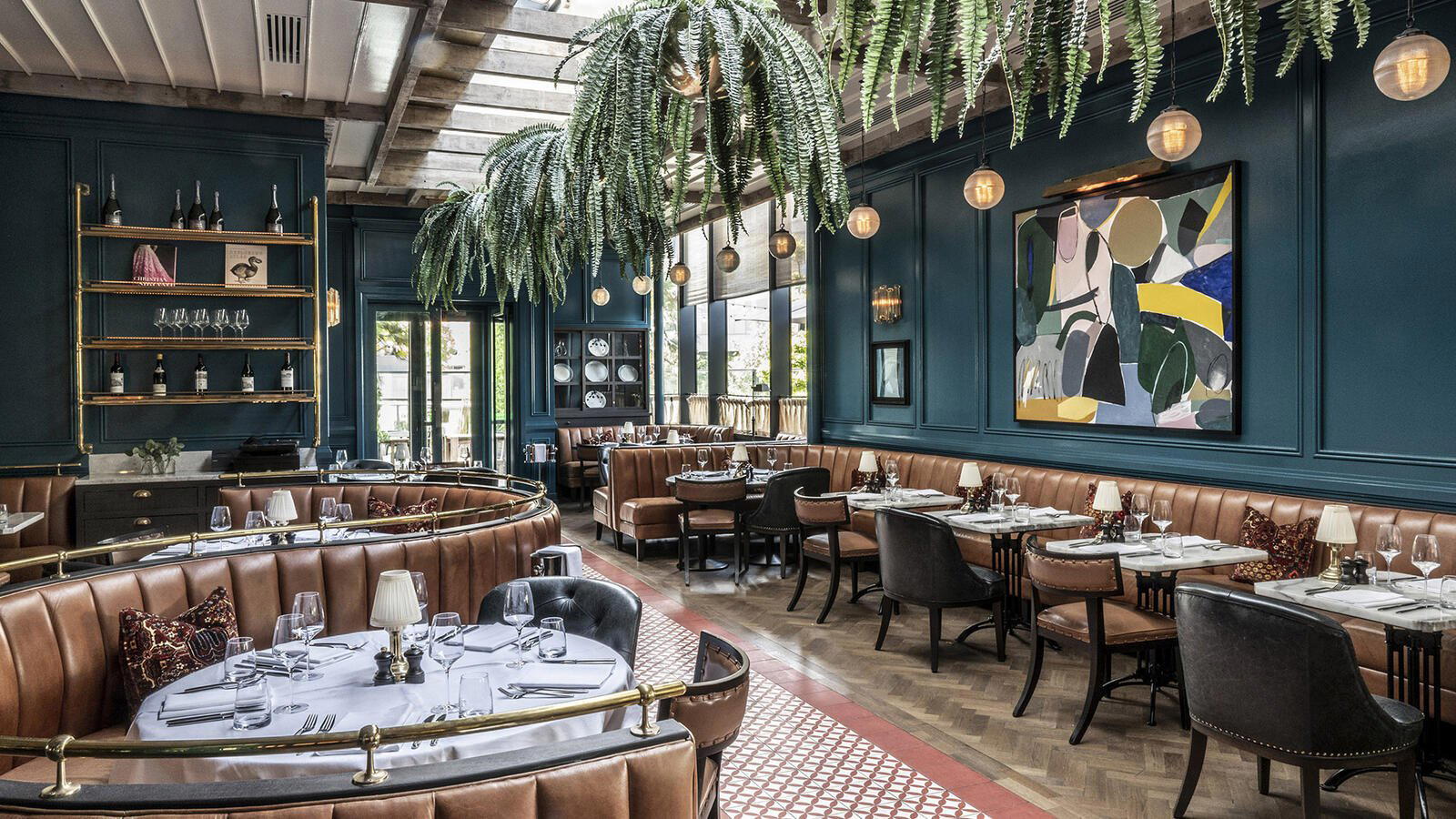
Bright and airy by day with abundant natural light from its glass structure, transforming into a warm, intimate, Champagne-led setting by night overlooking manicured gardens.