Ba.sin
Our verdict
Ba.sin sits in Jiuzhaigou, where restaurant culture is shaped less by metropolitan tasting-menu theatre than by mountain logistics, Sichuan supply lines, and the foodways of Aba prefecture. Treat it as part of a small local dining circuit rather than a trophy-table address: the point is how a meal here fits a valley trip built around altitude, weather, and regional produce.

Pearl is the En Primeur Club membership app, where members save venues, book tables and use the concierge.
The menu
What to order
- Yak yogurt breakfast items
Approaching a restaurant in Jiuzhaigou is not the same act as arriving for dinner in a major city. The valley sets the tempo before the table does: mountain air, tour traffic, hotel transfers, and the practical rhythm of a destination where meals are often planned around park days rather than late-night appetite. Ba.sin belongs to that context. Its interest is best understood through its position inside a high-altitude resort town where sourcing, seasonality, and regional supply can matter more than metropolitan performance.
Jiuzhaigou’s dining scene sits at a junction of visitor demand and mountain geography. The broader region carries its own local food traditions, while restaurants here operate under different pressures from urban dining rooms: produce moves through mountain roads, weather affects travel, and visitor demand rises and falls with national holidays and park seasons. A table in this city should be read through that lens.
Mountain sourcing matters more than restaurant theatre
Ingredient sourcing is the useful frame for Ba.sin because Jiuzhaigou rewards restaurants that understand proximity. In a valley destination, the more persuasive cooking tends to come from what can be bought, transported, and served with discipline, not from imported luxury signals. That means local produce, preserved flavors, warming preparations, and a kitchen’s ability to build depth from what is close at hand can tell a sharper story than a long menu written for every visitor at once.
The reader decision is clearest when Ba.sin is assessed in its own valley context rather than forced into a national ranking exercise. It is better considered against nearby options that serve travelers moving between hotels, scenic-area schedules, and village roads. In that local frame, Ba.sin enters the same Jiuzhaigou conversation as Cai Lin Xuan, Cai Lin Xuan, and M'eat: not as identical restaurants, but as reference points for how the valley splits between hotel dining, independent rooms, and traveler-facing local tables.
Jiuzhaigou dining is a timing decision as much as a taste decision
Meals in Jiuzhaigou often work around the day’s route. Park visits start early, road movement can slow around peak travel windows, and appetite shifts after altitude, walking, and cold weather. That makes heavy late dinners less automatic than they are in a city built for evening dining. The stronger move is to think of Ba.sin as part of the day’s logistics: suitable when the plan calls for a grounded local meal rather than a formal destination dinner.
Season also changes expectations. Autumn brings the valley’s heaviest visitor attention, while winter and shoulder periods alter both traffic and the way diners eat. In cold weather, warming mountain cooking makes practical sense: generous, comforting dishes do useful work. In warmer months, lighter plates can matter more. Without a published menu to anchor specific recommendations, the sound approach is to order by category rather than by reputation: ask what is local, what is seasonal, and what the kitchen is preparing in quantity that day.
For readers building a wider China itinerary, Jiuzhaigou should not be judged by the same criteria as large-city dining capitals. Compare the valley’s practical, scenery-led meal planning with more urban restaurant circuits in Chengdu, Shanghai, Fuzhou, Hangzhou, Xiamen, Beijing, and other large cities. Those places sit in different dining ecosystems, where density, specialist sourcing, and reservation culture behave differently.
Where Ba.sin fits in a valley itinerary
The editorial case for Ba.sin is modest but clear: it gives Jiuzhaigou another local dining reference in a destination where many travelers default to hotel restaurants or generic tour meals. The smarter expectation is not formal luxury; it is a meal that can connect the visitor to the region’s climate, supply chain, and mountain-town appetite without making the restaurant the whole point of the evening.
Use the broader EP Club city pages to place the table in context: Our full Jiuzhaigou restaurants guide, Our full Jiuzhaigou hotels guide, Our full Jiuzhaigou bars guide, Our full Jiuzhaigou wineries guide, and Our full Jiuzhaigou experiences guide. For a broader contrast in casual specialist formats, small-format dining in other cities shows how a restaurant reads differently when the audience, setting, and sourcing network change.
Frequently asked questions
Would Ba.sin be comfortable with kids?
Ba.sin’s location in Jiuzhaigou makes it a practical stop for families staying in the city. The setup suits a straightforward meal rather than a drawn-out dining event.
What's the overall feel of Ba.sin?
The feel is tied to its Jiuzhaigou setting, where dining tends to work around park itineraries and road time. Expect a local, destination-first restaurant rather than a scene-driven address.
Where is Ba.sin in Jiuzhaigou?
Jiuzhaigou.
What's the best way to book Ba.sin?
The most practical approach is to arrange it locally during a Jiuzhaigou stay and confirm access in person. Check the venue's official channels for the latest details.
Comparison Snapshot
Comparable venues by cuisine and price in the same metro.
| Venue | Cuisine | Price | Awards |
|---|---|---|---|
| Ba.sinThis venue (the venue you are viewing) | International & local hotel buffet | Not listed | Not listed |
| M'eat | Modern Smokehouse Bar & Grill | Not listed | Not listed |
| Cai Lin Xuan | Fine-Dining Sichuan & Jiuzhaigou Chinese | Not listed | World's Best Wine Lists Awards WBWL 2-Star |
| The Square | Modern European Fine Dining | $50–100 | Michelin Plate · World's 50 Best #34 |
Continue exploring
More in Jiuzhaigou
Restaurants in Jiuzhaigou
All restaurants in Jiuzhaigou →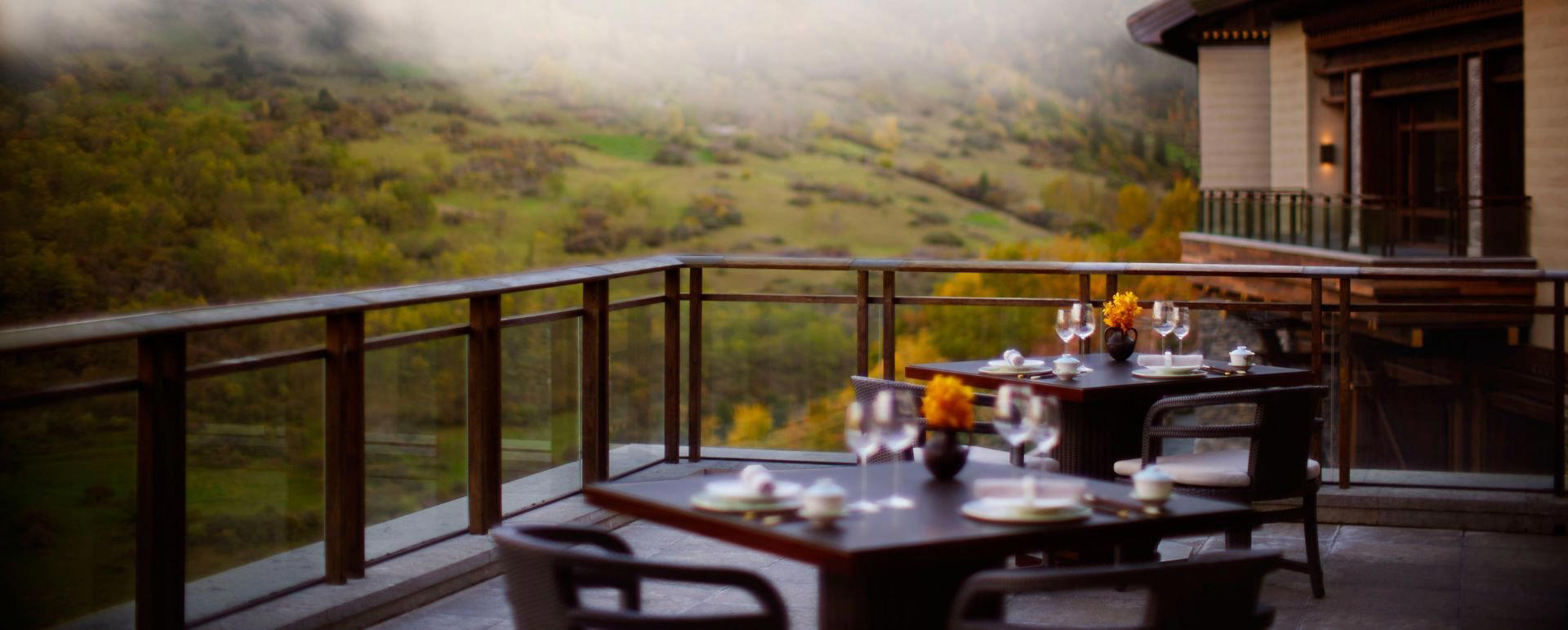
Details
- Scenic
- Family
- Group Dining
- Casual Hangout
- Hotel Restaurant
- Standalone
- Panoramic View
- Local Sourcing
- Mountain
- Street Scene
- Buffet
- A La Carte
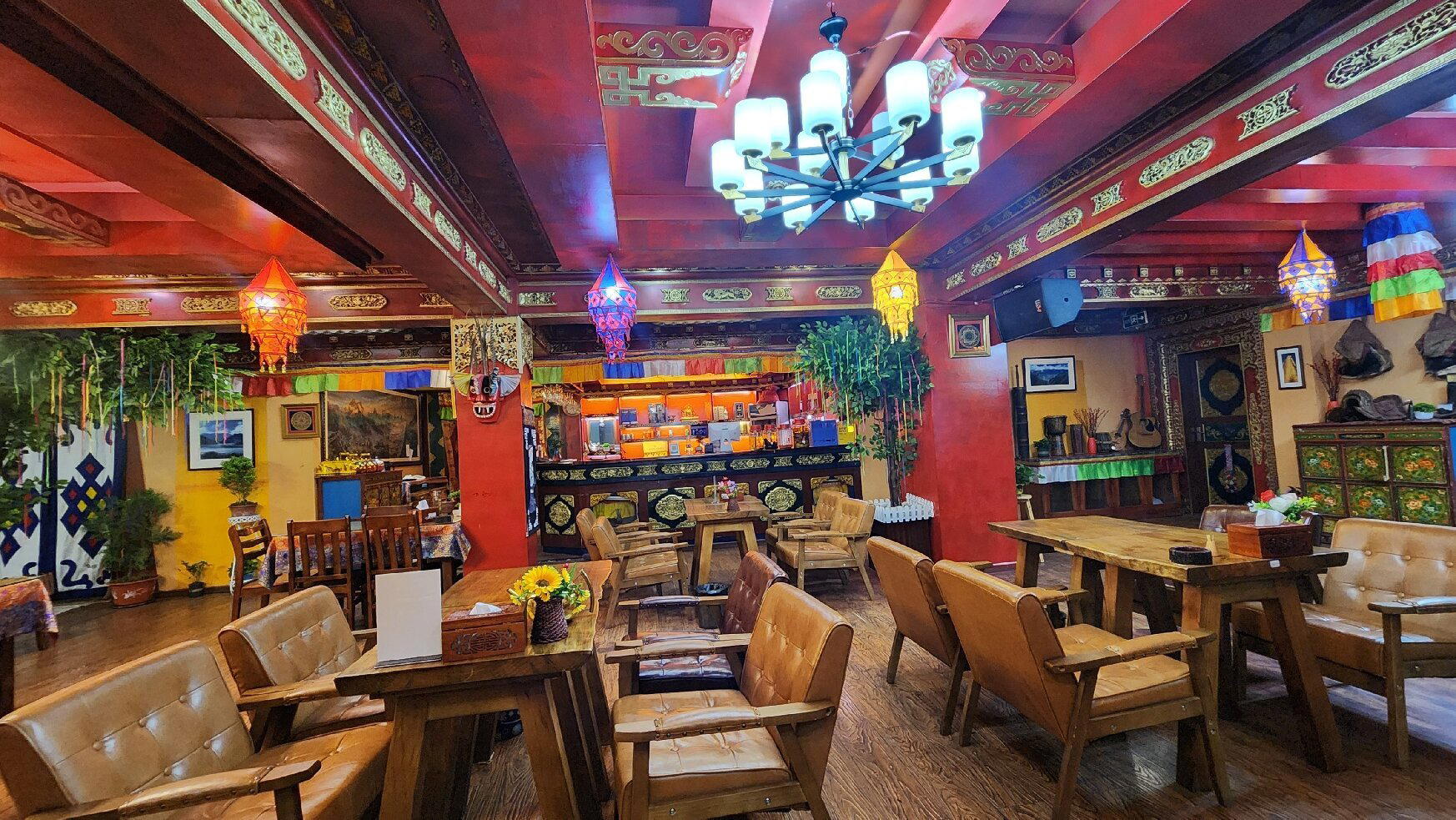
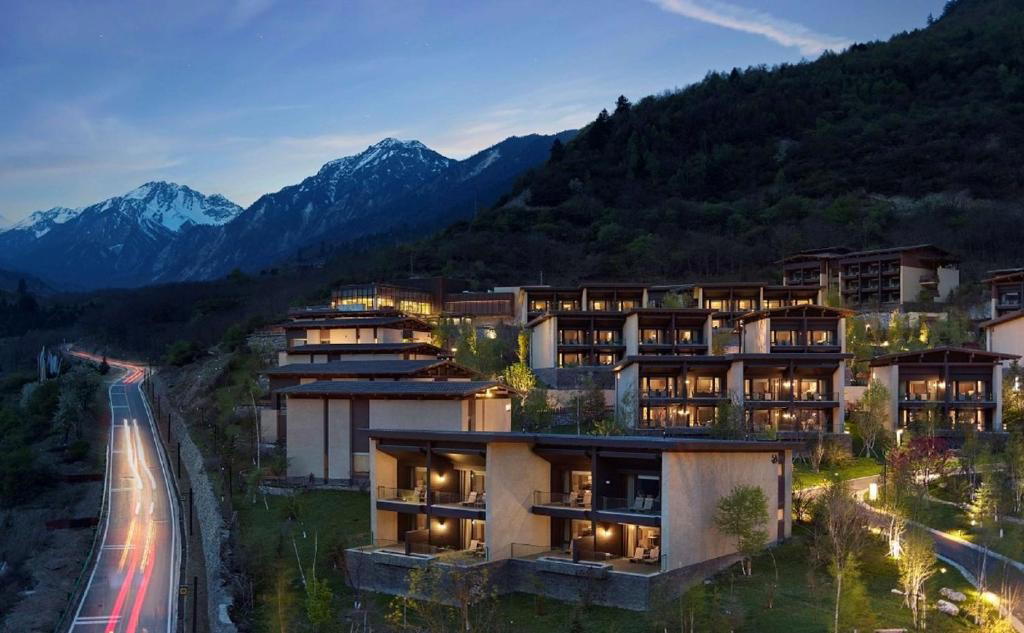
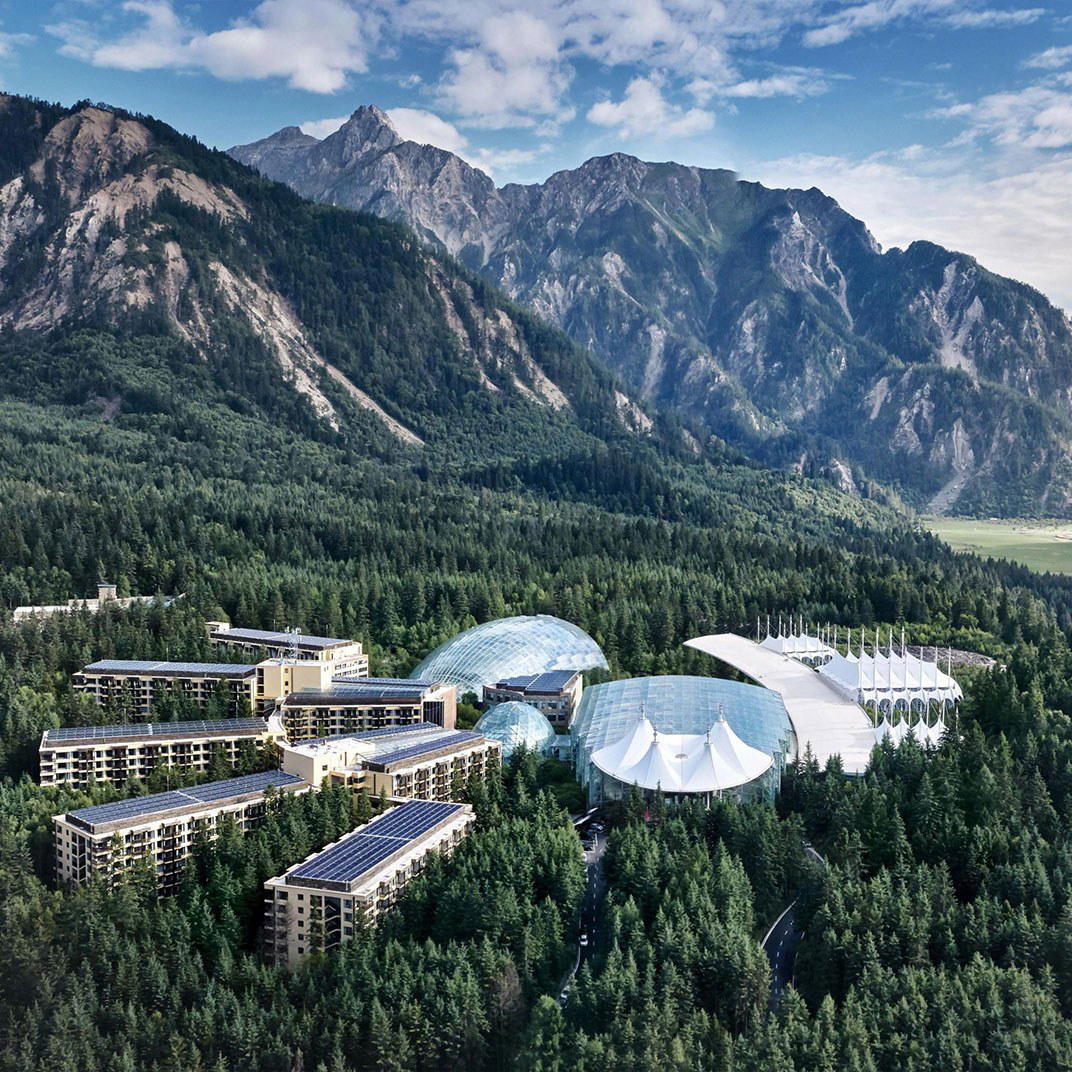
Modern hotel buffet restaurant with an open show kitchen and relaxed, quiet atmosphere where guests watch chefs cook while overlooking Luneng Town and the nearby mountains.