
Michelin Plate
Our verdict
Set inside a former Franciscan monastery in Wrocław's northern district, Arche Klasztor serves Polish recipes rooted in monastic tradition. The kitchen modernises dishes like potato pancakes with sour cream, drawing on formulae said to originate from the Franciscan Sisters who still inhabit one wing of the red-brick complex.

Pearl is the En Primeur Club membership app, where members save venues, book tables and use the concierge.
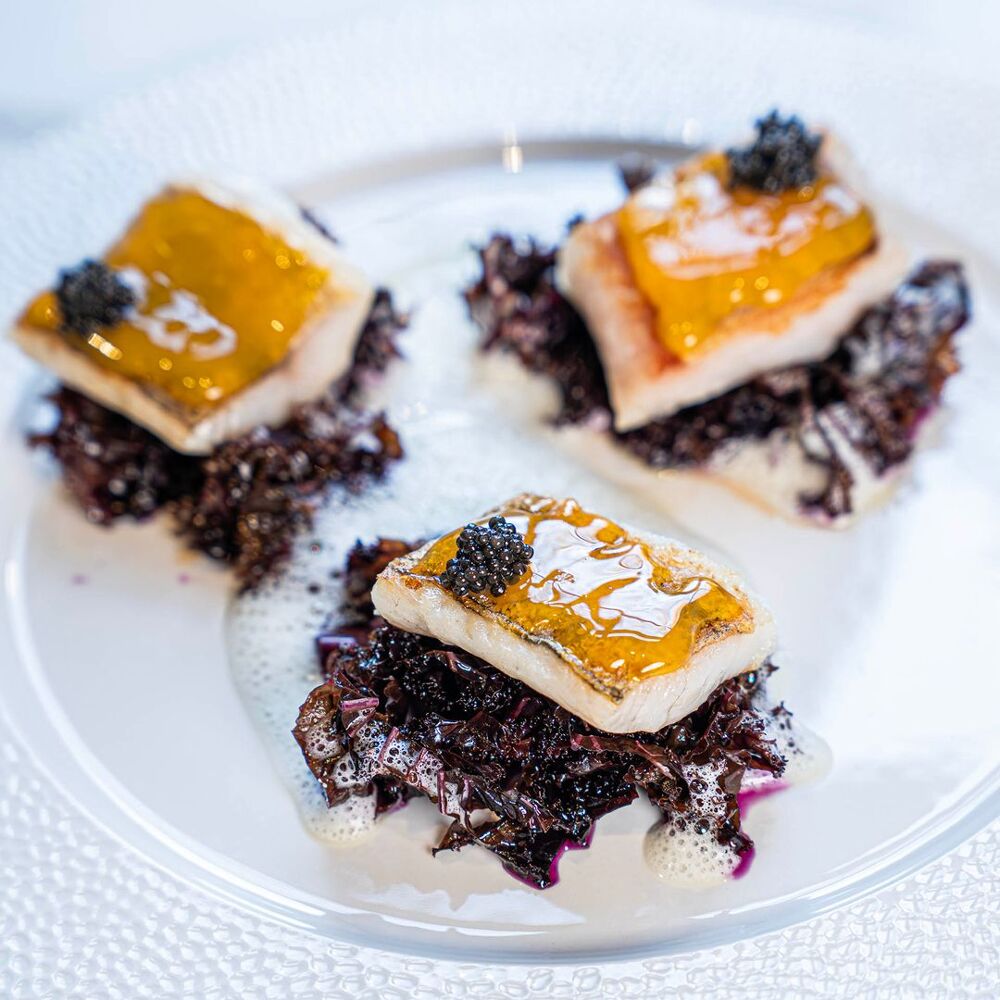
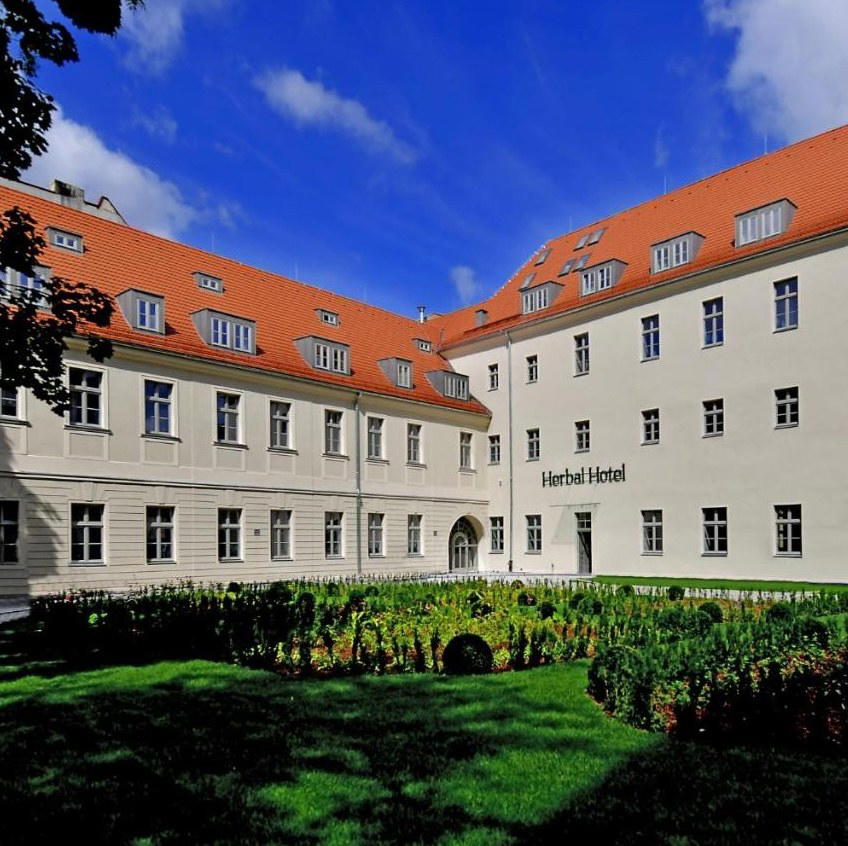
The approach to Arche Klasztor follows a quiet residential street in Wrocław's northern quarter, where the red-brick façade of a sprawling monastery complex rises behind iron gates. The building has served as a hospital, a school, and, for centuries, a Franciscan convent; today one wing remains an active cloister, while the rest operates as a hotel and restaurant. The dining room occupies a vaulted space that retains lancet windows and exposed brickwork, and the menu makes its connection to the site explicit: several dishes draw on recipes passed down by the sisters themselves.
Polish cooking evolved in parallel with monastic life, particularly among orders tasked with feeding pilgrims and the rural poor. Franciscan kitchens favoured root vegetables, grains, and preserved dairy, ingredients that is stored through harsh winters and prepared in quantity. Arche Klasztor translates that repertoire into contemporary service, keeping the ingredient base largely local and seasonal while adjusting technique and presentation. Potato pancakes arrive with sour cream, a staple of Polish convent tables since the eighteenth century; other items on the menu follow similar patterns, reinterpreting traditional Polish combinations rather than importing influences from outside the region.
A Menu Built Around Monastic Formulae
The kitchen sources from suppliers within Lower Silesia, prioritising heritage varieties and small-scale producers where possible. Root vegetables, parsnips, celeriac, beetroot, appear frequently, often prepared simply to preserve texture and flavour. Dairy comes from regional co-operatives, and many of the recipes are said to trace back to hand-copied notebooks kept by the sisters over generations. The format is à la carte, with no formal tasting menu, and portion sizes reflect a workday rhythm rather than multi-course pacing.
Compared to contemporary Polish restaurants in Wrocław's Old Town, Mercado Nuevo, for example, or the more experimental formats at ODRé, Arche Klasztor operates at a lower price point and with a more conservative approach to technique. The appeal lies in the direct connection between site and subject: the recipes aren't just inspired by monastic tradition; they're cooked inside the walls where that tradition continues. For visitors interested in ingredient provenance and cultural continuity, that relationship matters more than novelty or formal complexity.
Wrocław's dining identity has expanded considerably over the past decade, with a younger cohort of chefs working in smaller, wine-driven formats. Pijalni and Stacja Breslau represent that shift, drawing on international technique and natural-wine lists that skew toward orange and low-intervention producers. Arche Klasztor occupies a different niche: the ingredients are deliberately Polish, the cooking methods traditional, and the wine selection modest. The context, dining in a working monastery with recipes developed by the order, provides the editorial distinction, not the technique itself.
The restaurant sits within the Arche Klasztor Hotel on ul. Jana Kasprowicza, roughly three kilometres north of Wrocław's Market Square. The area is residential, with limited foot traffic and no concentration of dining or nightlife. Visitors typically arrive by taxi or tram (line 10 stops within a five-minute walk). Reservations are not published online; contact is by phone or via the hotel reception. Walk-ins are possible, particularly on weekday lunches, but booking ahead is advisable on weekends when the hotel fills for events.
The vaulted dining room seats approximately fifty, and service runs in a direct manner without formal ceremony. The atmosphere leans quiet and contemplative, shaped by the architecture and the presence of the monastery next door. Families visit for Sunday lunch, and the pricing, lower than most city-centre restaurants of comparable ambition, makes it accessible for local diners. The kitchen operates year-round, though hours shift slightly in summer and around religious holidays observed by the sisters.
For broader context on where Arche Klasztor fits within Wrocław's dining landscape, see our full Wrocław restaurants guide. Visitors exploring the city will also find useful information in our full Wrocław hotels guide, our full Wrocław bars guide, our full Wrocław wineries guide, and our full Wrocław experiences guide.
Arche Klasztor offers a direct encounter with Polish monastic cooking, served in the rooms where that tradition remains active. The menu is conservative by design, the setting historically layered, and the sourcing deliberate. Visitors seeking a narrative connection between place, ingredient, and recipe will find it here without needing to translate contemporary technique or international influence. The building alone justifies the visit; the food makes it a meal rather than a tour stop.
Frequently asked questions
Can I bring kids to Arche Klasztor?
The restaurant occupies part of a monastery complex still inhabited by Franciscan Sisters, so the atmosphere skews quiet and contemplative. Families do visit, the hotel setting and the broader historical interest tend to accommodate children, but the kitchen's focus on heritage Polish recipes and the property's devotional past means noise and restlessness may draw more attention here than in a typical casual venue.
How would you describe the vibe at Arche Klasztor?
Reverent and historical. The dining room sits within a red-brick former monastery that has served as hospital, school and convent over the centuries; one wing remains home to the Franciscan Sisters. The kitchen modernises traditional Polish recipes, some based on the nuns' original formulae, and the setting carries the weight of that monastic lineage, brick vaults, prayer-house quiet, and the sense that faith still occupies the property.
Is Arche Klasztor award-winning?
Arche Klasztor has received recognition including: Few restaurants can claim a location quite like Arche Klasztor, which sits within a large red-brick property that has had past lives as a monastery, hospital and school – in fact, one wing is still used as a monastery inhabited by the Franc….
Where is Arche Klasztor located?
Arche Klasztor is located at Arche Klasztor Hotel, ul. Jana Kasprowicza 64/66, Wrocław, Lower Silesian, 51-137, POL, Wroc Aw.
At-a-Glance Comparison
Comparable venues by cuisine and price in the same metro.
| Venue | Cuisine | Price | Awards |
|---|---|---|---|
| Arche KlasztorThis venue (the venue you are viewing) | Seasonal Polish-influenced European fine dining | $30–50 | Michelin Plate |
| Craft | Modern seasonal Polish | $30–50 | Not listed |
| Lwia Brama² | Modern Polish | Not listed | Michelin Plate |
| Przystań & Marina | Mediterranean Brasserie with Polish Accents | $30–50 | Michelin Plate |
| OK Wine Bar | Seafood with Mediterranean influences | $50–100 | Michelin Plate |
Recognition history
Dated appearances from independent guides and award organizations, with the underlying list record or original source where available.
Michelin Plate
Michelin
Continue exploring
More in Wrocław
Restaurants in Wrocław
All restaurants in Wrocław →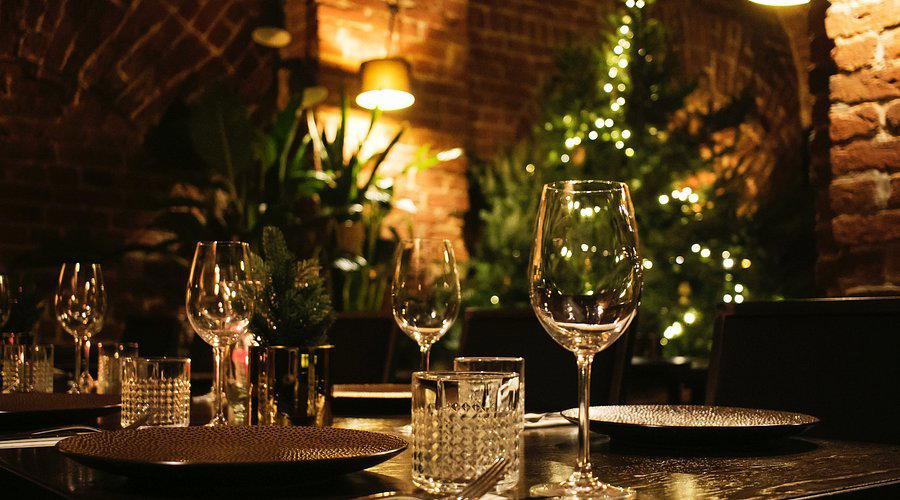
Hotels in Wrocław
All hotels in Wrocław →
Wineries in Wrocław
Browse all →
Details
- Elegant
- Classic
- Scenic
- Cozy
- Romantic
- Sophisticated
- Date Night
- Business Dinner
- Group Dining
- Family
- Celebration
- Special Occasion
- Garden
- Courtyard
- Historic Building
- Design Destination
- Hotel Restaurant
- Beer Program
- Farm To Table
- Local Sourcing
- Garden
- A La Carte
- Buffet
- Wine
- Beer
- Cocktails
- Vegetarian Friendly
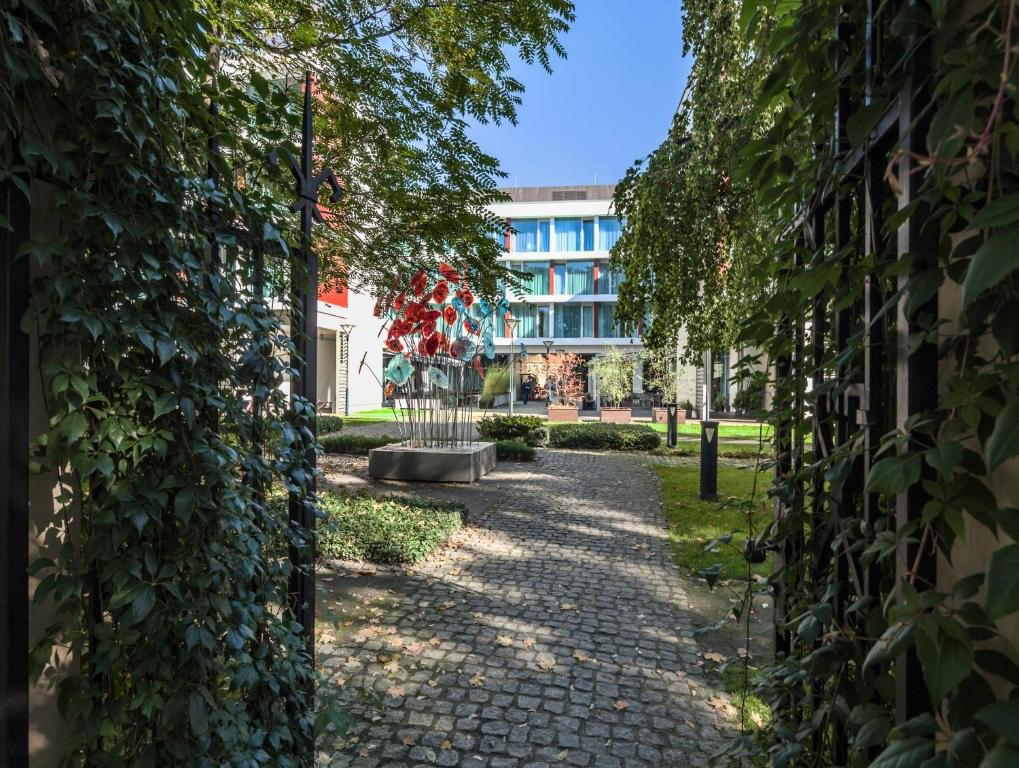
Elegant and quietly atmospheric, combining historic brick vaults and monastery architecture with modern design touches; calm, intimate lighting and a tranquil courtyard outlook create a refined yet cozy setting.