Our verdict
Al Waha belongs to the Corniche side of Tripoli dining, where the city’s Mediterranean position matters as much as the room. Read it through produce, seafood culture, and the social rhythm of Libyan meals rather than awards or chef mythology; the useful question is how it fits into a capital where sourcing and setting carry the experience.

Pearl is the En Primeur Club membership app, where members save venues, book tables and use the concierge.
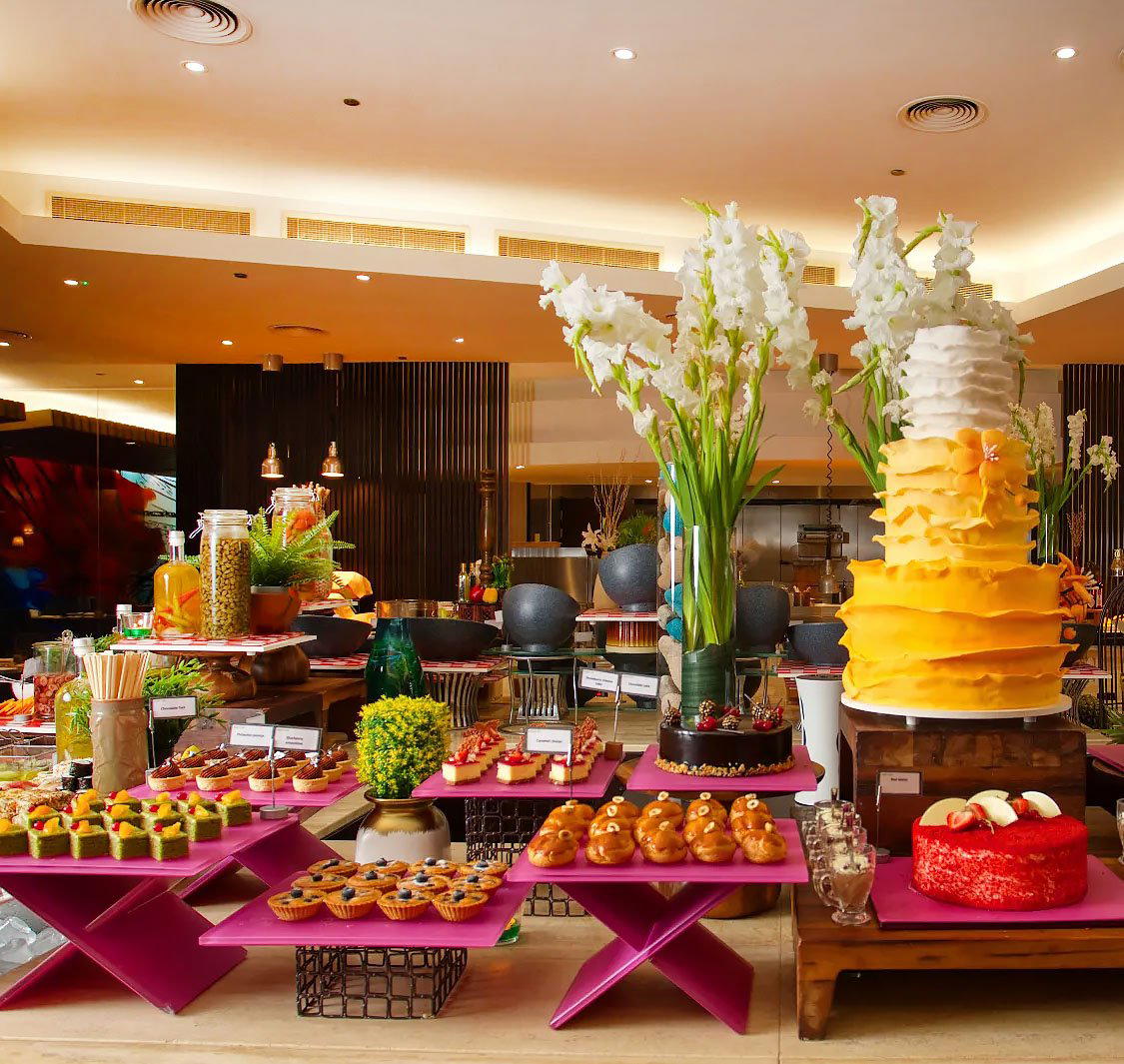
Approaching dining in Tripoli, the mood changes before a menu enters the conversation. The city opens toward the Mediterranean, and restaurants here carry expectations shaped by proximity to the sea, market supply, and the longer social tempo of Libyan tables. Al Waha sits inside that context, not as a trophy address reduced to a ranking, but as a place to understand how Tripoli’s restaurant culture depends on setting, hospitality, and the rhythm of meals shared in the capital.
The city frames the meal before the kitchen does
Tripoli’s restaurant scene is not organized like a European capital with a dense hierarchy of tasting menus, critic scores, and formal reservation systems. Its stronger signal is local geography. The coast shapes what diners expect: meals suited to warm weather, shared plates built for groups rather than solitary courses, and a style of hospitality that values generosity over performance. Al Waha’s place in Tripoli puts it in that wider conversation, and that matters more than a decorative label for cuisine.
Ingredient sourcing is the useful lens here. In a Mediterranean port city, the credibility of a table often begins with what can plausibly move through nearby markets and coastal supply chains. That does not require theatrical provenance language. It shows up in a dining culture that values freshness, abundance, and dishes suited to passing around the table. For visitors, that means reading the room differently from a chef-led fine-dining address: the measure is less about novelty and more about whether the meal feels aligned with Tripoli’s habits.
Local comparison helps. Al Mina and Baracuda Seafood Restaurant point more directly toward one part of the city’s dining conversation, while Filini and Oya cafe sit in different registers of Tripoli dining and café culture. Al Waha belongs in the same map as a Tripoli restaurant rather than a destination tasting counter. That distinction matters for expectations: go for a city meal shaped by place, not for a ranking-led reservation.
Tripoli dining rewards readers who think in categories, not rankings
Recognition should be treated carefully in this category. Much of Tripoli’s restaurant life operates outside the global awards machinery that defines dining in Paris, Tokyo, or Copenhagen, and the public record for Al Waha should not be inflated with unsupported trophies or rankings. That changes how a critic should assess it. Instead of asking where it sits on a formal league table, the sharper question is how it works within the capital’s daily restaurant grammar: coastal access, group dining, hospitality rhythms, and the practical confidence of kitchens that do not need to explain every ingredient in menu prose.
For ingredient-led travelers, Libya is a reminder that Mediterranean cooking is not only a northern-shore story. The same sea that feeds many regional tables also shapes Tripoli, though the city’s restaurant culture expresses it through local habits of generosity and shared eating. Al Waha is useful because its Tripoli setting puts that conversation close to the surface. The city is not a neutral backdrop; it is part of the sourcing logic, the pacing, and the expectation that a meal can be both casual in structure and serious in social weight.
Travelers building a wider itinerary should treat Al Waha as one node in a broader Tripoli map rather than a standalone trophy reservation. The city’s dining range is easier to understand alongside the full Tripoli restaurants guide, with parallel planning through the full Tripoli hotels guide, the full Tripoli bars guide, the full Tripoli wineries guide, and the full Tripoli experiences guide. Nearby and regional cross-checks can also include other dining rooms in the capital and unnamed stops beyond it, which help separate capital-city dining from other forms of Libyan hospitality.
How to place Al Waha in a broader travel palate
Tripoli asks for a different palate from cities where reservations, chef biographies, and tasting-menu length dominate the conversation. The reward is in understanding how a meal relates to the city around it. At Al Waha, that means paying attention to the Tripoli setting, the implied market logic of a coastal capital, and the communal style that defines much of the region’s restaurant culture. This is a context-led choice, not a chef-profile choice.
That distinction becomes clearer when set against other restaurant formats outside Libya. Some dining rooms are built around highly codified specialty traditions; others show how international formats travel across cities. Al Waha is better read the other way around: not as a format exported elsewhere, but as a Tripoli table whose logic starts with the city, the coast, and the market patterns behind the meal.
Frequently asked questions
Is Al Waha okay with children?
Al Waha’s Tripoli setting points to a public dining room rather than a private venue. Families can use that city context as a practical cue when deciding whether it suits children.
What is the atmosphere like at Al Waha?
Al Waha is in Tripoli, and the atmosphere is best understood as part of the capital’s wider dining culture rather than as a formal tasting-room format. It can make sense as a meal stop while moving through the city.
Where is Al Waha located?
Tripoli.
Should I book Al Waha in advance?
No booking details are listed with the public record. Given the Tripoli location, advance planning is sensible for anyone building a fixed dining schedule into a day in the city. Check the venue's official channels for the latest details.
What's Al Waha best at?
Al Waha’s clearest asset is its Tripoli context. For readers mapping food stops in the capital, that city setting is the main reason to put it on the list.
Do they accommodate allergies at Al Waha?
Those details are not published. The safest approach is to confirm requirements in person before ordering in Tripoli. Check the venue's official channels for the latest details.
Side-by-Side Snapshot
Comparable venues by cuisine and price in the same metro.
| Venue | Cuisine | Price | Awards | Notes |
|---|---|---|---|---|
| Al Waha | Authentic Lebanese | $30–50 | Not listed | Not listed |
| Filini | Classic Italian restaurant in a waterfront Tripoli hotel | $30–50 | Not listed | Not listed |
| Al Mina | Middle Eastern | Not listed | Not listed | Not listed |
| Oya cafe | Cafe / Bakery Cafe | Not listed | Not listed | Not listed |
| Cavalluccio Marino | Modern Sicilian Seafood | $100–150 | Michelin Plate | Modern Cuisine |
Continue exploring
More in Tripoli
Restaurants in Tripoli
All restaurants in Tripoli →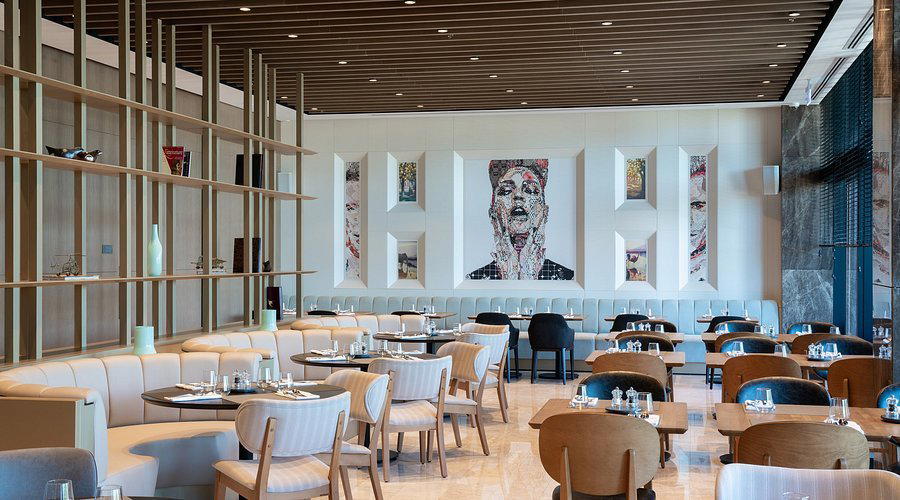
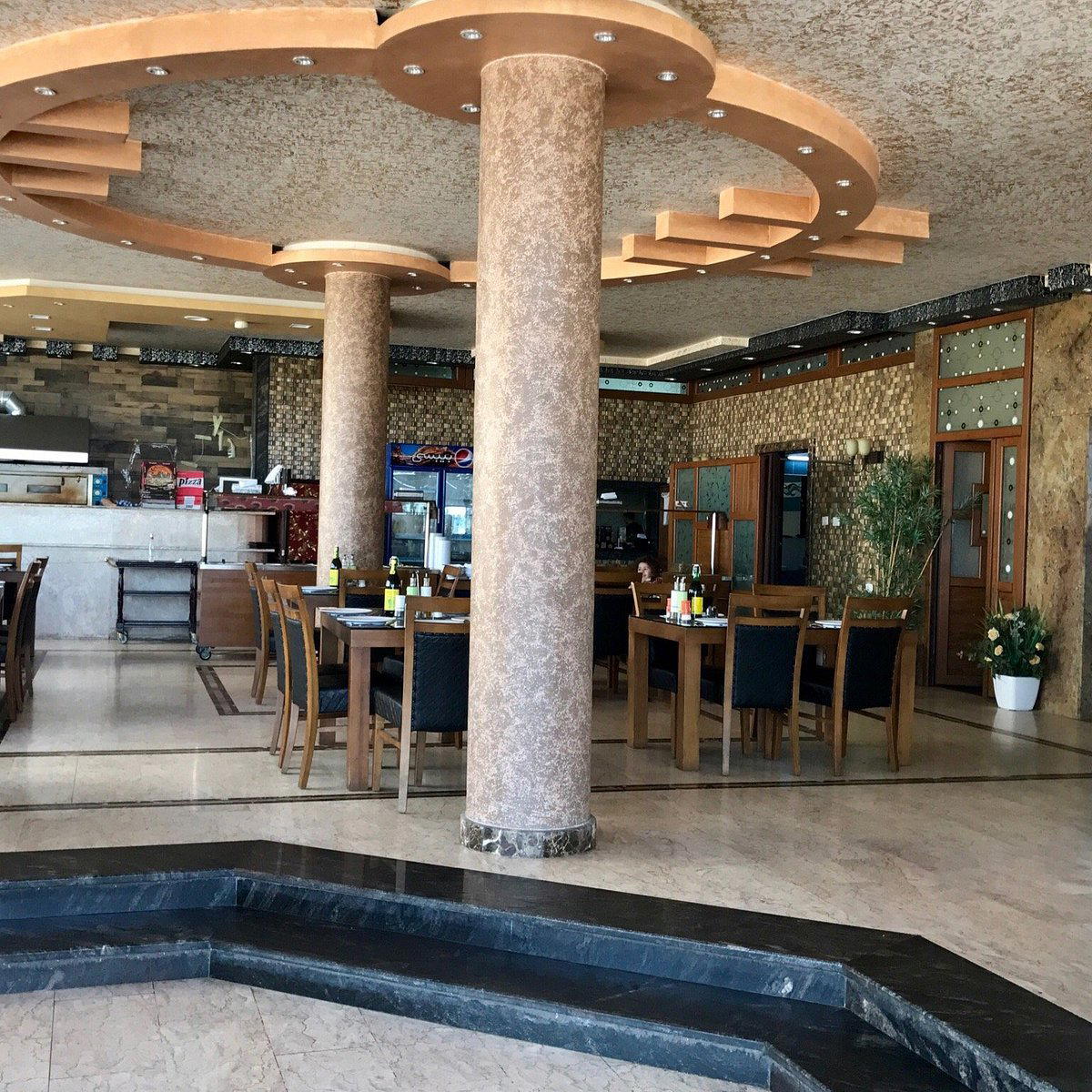
Hotels in Tripoli
All hotels in Tripoli →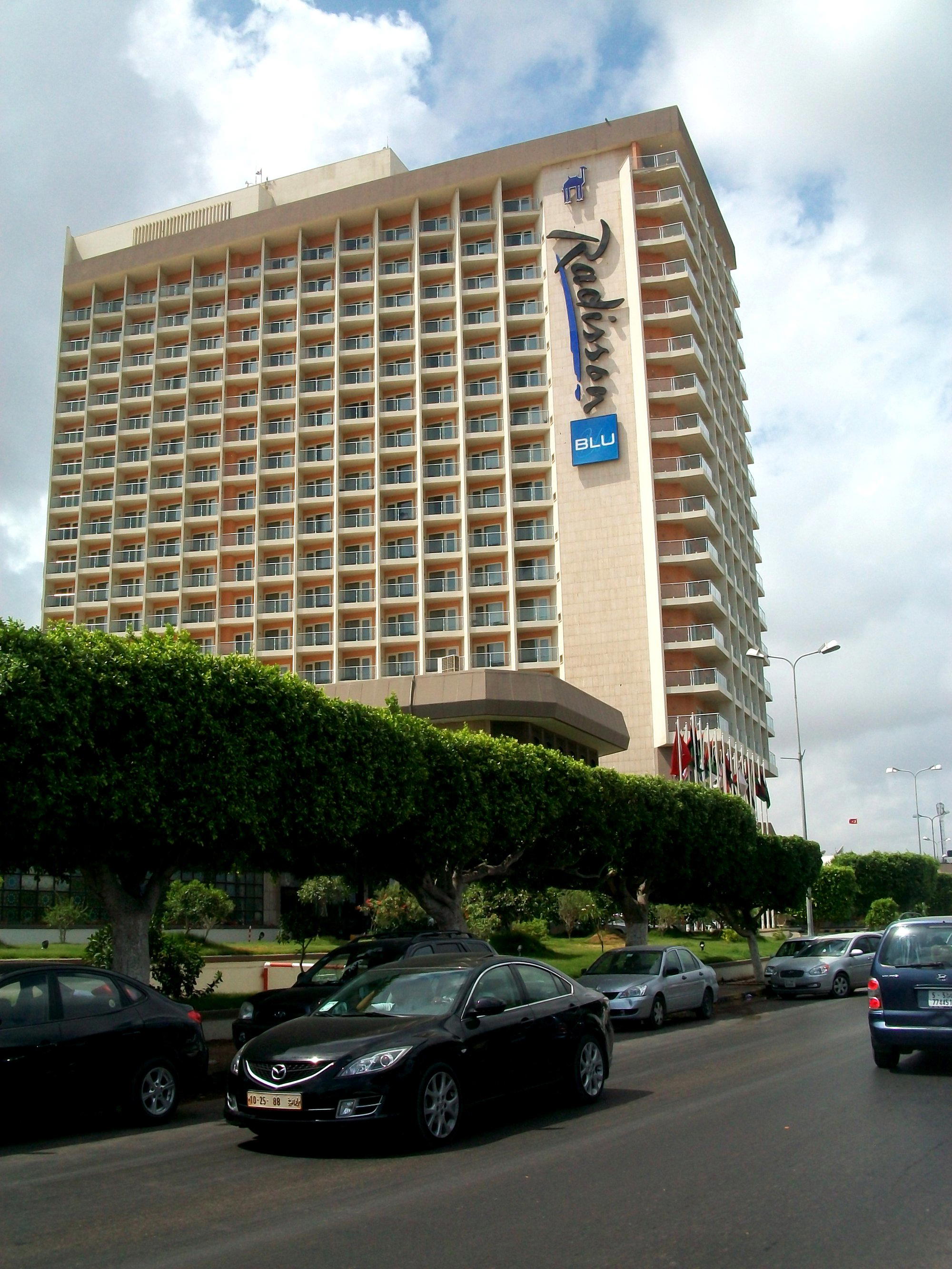
Details
- Modern
- Elegant
- Sophisticated
- Business Dinner
- Group Dining
- Celebration
- Special Occasion
- Hotel Restaurant
- A La Carte
Upscale hotel-dining atmosphere with a polished, relaxed feel and scenic panoramic views.