Our verdict
Al Mina belongs to Tripoli’s coastal dining conversation, where the city’s relationship with the sea matters more than formal culinary labels. With no public awards, chef credit, or listed price tier, it is better read through location and context: a Corniche address in a capital where seafood, cafés, hotel dining, and family restaurants form the practical map of eating out.

Pearl is the En Primeur Club membership app, where members save venues, book tables and use the concierge.
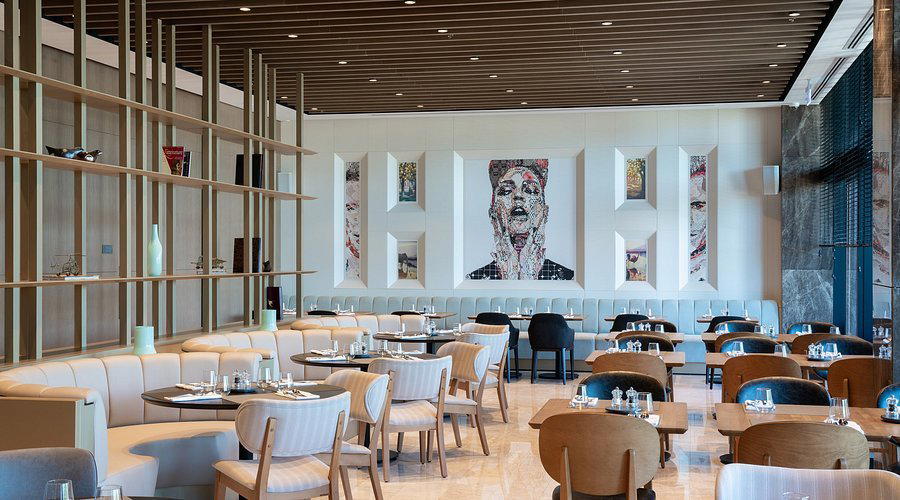
Approaching Tripoli, the city changes register. Traffic, sea air, and the long edge of the coast pull dining away from enclosed formality and toward the practical rhythms of a port capital. Al Mina sits inside that context: not as a trophy-table proposition, but as part of the city’s eating culture, where a sense of place comes before a menu claim.
Tripoli’s restaurant scene is not built around the same public architecture of ratings, chef biographies, and tasting-menu theatre that defines many European capitals. The useful question is different: how does a place fit into the daily logic of the city, and what does its position say about what diners are likely seeking? In Tripoli, the answer usually starts with the city itself, proximity, and a style of hospitality that reads more local than performative.
Tripoli sets the terms before the menu does
Ingredient identity in coastal North Africa is often less about a scripted farm-to-table narrative than about access and habit. A Tripoli setting changes expectations: local demand can shape what feels natural at the table, even when a restaurant does not publish a detailed cuisine label or chef-led manifesto. That distinction matters. In Tripoli, the better read is not whether a venue announces a grand philosophy, but whether its setting puts it in conversation with the city’s wider dining habits.
Al Mina’s name and Tripoli position place it in that local frame, but the editorial caution is simple: without a published cuisine category, named chef, or listed signature dishes, diners should avoid assuming a fixed format. The stronger expectation is broader: a Tripoli restaurant shaped by local demand, group dining, and the North African habit of treating a meal as social architecture rather than plated spectacle.
That makes comparison useful. Baracuda Seafood Restaurant signals a clearer focus in the name, while Al Waha, Filini, and Oya cafe point to the range of Tripoli dining formats, from local restaurant culture to café and international-leaning rooms. Al Mina belongs in that same decision set for travelers building a practical food itinerary rather than chasing award circuitry.
Tripoli dining rewards context over credentials
Limited public detail for Al Mina is not a minor footnote; it changes how to judge the experience. In cities with dense guide coverage, public accolades can function as shorthand for kitchen ambition, service choreography, and cellar depth. Tripoli requires a different critical lens. Location, crowd, meal occasion, and category alignment do more work than medals or star systems.
That does not make the scene less serious. It makes it more dependent on local pattern recognition. A restaurant in Tripoli competes for families, business meals, visitors, and diners who value ease over ceremony. The likely strength of this tier is not theatrical tasting formats; it is the ability to serve a mixed table without turning dinner into an event that needs weeks of planning.
For readers mapping the city, the broader guides help separate dining from the rest of the trip: Our full Tripoli restaurants guide gives the restaurant frame, while Our full Tripoli hotels guide, Our full Tripoli bars guide, Our full Tripoli wineries guide, and Our full Tripoli experiences guide set the wider travel context. Other dining in Tripoli and elsewhere in Libya shows how unevenly public restaurant information can surface, which makes on-the-ground category judgment more useful than glossy claims.
Where Al Mina fits in a practical food itinerary
Al Mina is most useful for travelers who want a Tripoli meal anchored to place rather than a chef-branded destination. The Tripoli setting makes sense for a relaxed lunch or dinner, especially when the group includes diners with different appetites. With no listed price range, tasting format, seat count, or dress code, it should be treated as a flexible local restaurant choice rather than a precision-booked special-occasion counter.
The setting is the reason to pay attention. In a port city, the relationship between restaurants and local routine is not decorative; it shapes what diners ask for, how groups order, and why local rooms retain their pull even without dense international coverage. That is the value proposition here: not formal acclaim, but a meal positioned inside Tripoli’s routine.
For contrast beyond Libya, the global restaurant map shows how differently ingredient identity can be framed: some venues build around a drinking culture, others narrow their focus to a single staple, and others center a named format or telegraph a clearer cuisine identity from the outset. Al Mina asks for a more local reading: place first, menu second, credentials third.
Frequently asked questions
Would Al Mina be comfortable with kids?
Yes, it should suit a family meal in Tripoli. The setting reads as a practical stop rather than a formal chef’s counter.
What should I expect atmosphere-wise at Al Mina?
Expect a Tripoli setting where the city context does much of the work. Al Mina is better understood as a place shaped by local dining patterns than by a named chef or highly scripted format.
What's Al Mina's location?
Tripoli.
Is Al Mina reservation-only?
The venue’s listing centers on Tripoli, so timing and local practice matter more than a fixed format. That makes it sensible to plan it as a flexible restaurant stop.
What's the defining dish or idea at Al Mina?
The defining idea is location: Al Mina is in Tripoli, so the meal is anchored to the city setting. No chef name or cuisine type is listed, which keeps the focus on place.
Can Al Mina handle vegetarian requests?
Vegetarian planning is best treated as a standard restaurant request in Tripoli. With no cuisine type listed, the safest assumption is a general dining room rather than a specialist vegetarian format.
Comparison Snapshot
Comparable venues by cuisine and price in the same metro.
| Venue | Cuisine | Price | Awards | Notes |
|---|---|---|---|---|
| Al MinaThis venue (the venue you are viewing) | Middle Eastern | Not listed | Not listed | Not listed |
| Oya cafe | Cafe / Bakery Cafe | Not listed | Not listed | Not listed |
| Al Waha | Authentic Lebanese | $30–50 | Not listed | Not listed |
| Filini | Classic Italian restaurant in a waterfront Tripoli hotel | $30–50 | Not listed | Not listed |
| Cavalluccio Marino | Modern Sicilian Seafood | $100–150 | Michelin Plate | Modern Cuisine |
Continue exploring
More in Tripoli
Restaurants in Tripoli
All restaurants in Tripoli →
Hotels in Tripoli
All hotels in Tripoli →
Details
- Scenic
- Modern
- Lively
- Group Dining
- Casual Hangout
- Standalone
- Street Scene
- A La Carte
Nighttime urban-coastal atmosphere with dark skies, colorful long-exposure lights, and a calm street-scene feel.