
Guía Repsol 1 Sol
Our verdict
Aie gives El Sauzal another serious address in Tenerife’s north-coast dining conversation, backed by a 1 Sol distinction in the Guía Repsol Soles 2026. The draw is less about spectacle than sourcing: island produce, Atlantic context, and a format that makes more sense when read beside the area’s farm-led and contemporary restaurants.

Pearl is the En Primeur Club membership app, where members save venues, book tables and use the concierge.
The menu
What to order
- Tuna tartare
- Octopus
- Ceviche with sweet potato
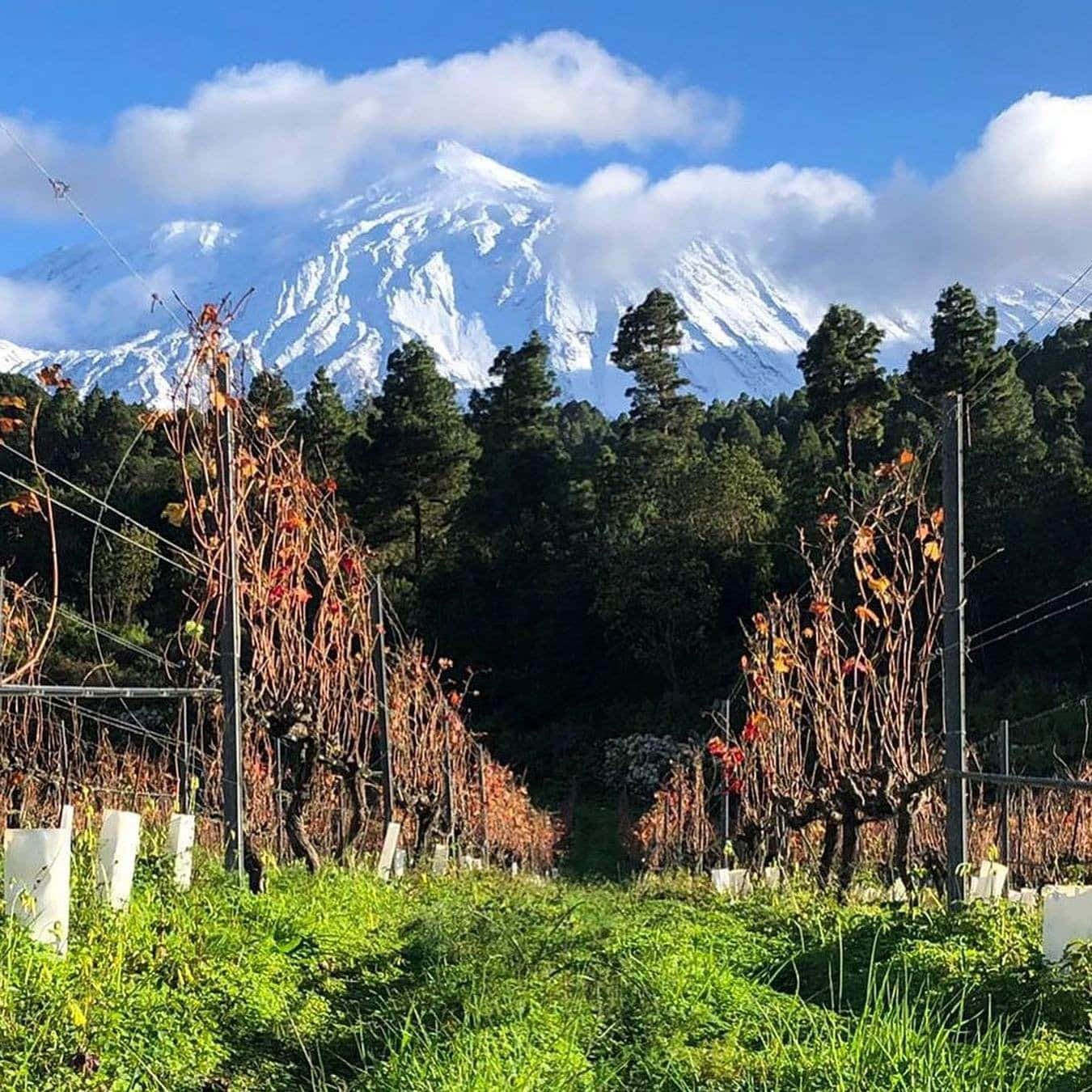
Approaching El Sauzal, Tenerife changes register. The island’s north is greener, steeper, and more agricultural than the resort-heavy south, with vineyards, market gardens, and Atlantic weather shaping the table before a menu is even read. In that setting, Aie belongs to a dining scene where place matters: the north of the island gives restaurants a strong local frame, and diners arrive expecting a meal that feels connected to El Sauzal rather than interchangeable with a generic resort address.
That matters because Tenerife’s restaurant conversation has become more precise. The old binary of guachinche rusticity versus hotel dining no longer explains the island. El Sauzal now has room for small-scale restaurants, casual local addresses, and more composed contemporary cooking. For a useful local contrast, Nila sits within the same town’s dining conversation, while other El Sauzal dining rooms point to more informal registers that also fit the coast. Aie occupies a more recognition-driven lane, with its 1 Sol in the Guía Repsol Soles 2026 placing it inside Spain’s national conversation rather than only the island’s local circuit.
North Tenerife cooking with sourcing as the main argument
Canarian food rewards kitchens that understand proximity. The islands have the Atlantic at the door, a long memory of local staples and volcanic-soil wine, plus Spanish, Latin American, and African currents running through everyday cooking. The stronger contemporary restaurants do not need to imitate mainland tasting-menu grammar to make a point; they need discipline around product, heat, and restraint.
Aie is interesting for that reason. Rather than leaning on a single biographical hook, the restaurant is best read through category and context: a Repsol-recognised dining room in El Sauzal, positioned in a town where serious eating is tied closely to the island’s farms and the north coast’s food culture. The award is not decoration. In Spain, a Sol signals inspectors have found consistency, identity, and a level of craft that travels beyond neighbourhood loyalty. For Tenerife, that kind of recognition helps separate restaurants using local produce as garnish from those building a meal around it.
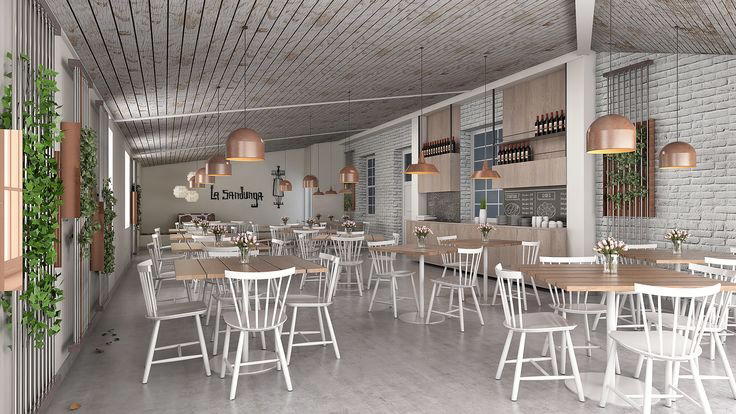
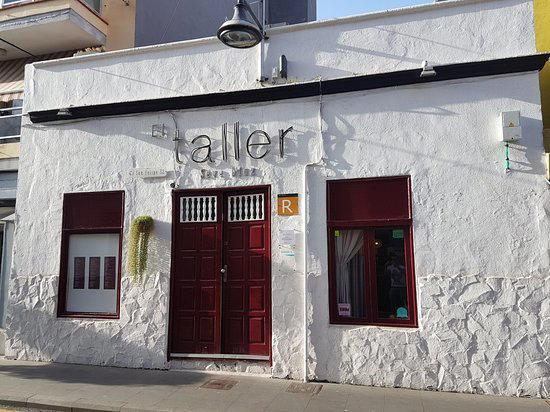
The comparison set on the island clarifies the lane. La Bola de Jorge Bosch, Silbo Gomero, El Taller Seve Díaz, and La Sandunga each frame Tenerife dining from a different angle. Against those reference points, Aie looks less like a catch-all restaurant and more like a north-island address for diners who want Canarian context treated with polish rather than nostalgia.
Why El Sauzal is becoming a sharper dining base
El Sauzal is not a resort dining strip, and that is part of the appeal. The town gives restaurants access to the north’s agricultural belt without the pressure to perform as a capital-city dining room. Meals here tend to make more sense when planned as part of a slower Tenerife itinerary: vineyards, viewpoints, coastal roads, and a lunch or dinner that reflects the landscape rather than interrupts it.
That context also makes Aie a useful anchor for readers mapping the area. The broader EP Club files on El Sauzal restaurants, El Sauzal hotels, El Sauzal bars, El Sauzal wineries, and El Sauzal experiences show how compact the destination can be when food, wine, and north-coast travel are planned together. For diners building a Spain-wide itinerary, it also helps to compare Tenerife’s sourcing-led cooking with different regional registers, from mainland city dining to coastal and inland restaurants shaped by their own local products.
The national spread is instructive. Across Spain, restaurants can read through port-city traditions, urban island cooking, mountain settings, or seasonal Mediterranean produce. Aie’s point of difference is Tenerife itself: Atlantic, volcanic, humid, agricultural, and more complex than the beach-resort shorthand suggests.
How to read the meal before committing the evening
The decision here is not about chasing a celebrity-chef story or a grand-room occasion. It is about choosing a restaurant whose recognition and location suggest a serious treatment of local product. That makes it better suited to diners who care where ingredients come from than to those looking for a generic luxury script. The room should be approached as part of the island’s ingredient culture, not as an isolated trophy booking.
Planning should be practical. Aie is best treated as a recognition-led dining room in El Sauzal rather than an all-day drop-in. That rhythm fits Tenerife’s north, where a daytime meal can be paired with wine-country driving and a dinner can work for travellers staying between the coast and the island’s inland towns. Families and vegetarians should confirm needs ahead when possible, because flexibility depends on the current menu and service format rather than assumptions made from older listings.
For readers extending the comparison beyond Spain, the contrast with other international dining formats is useful precisely because the categories differ. Some addresses are about drinking culture, casual formats, or city-specific scenes elsewhere. Aie is about Tenerife’s north-coast context passing through a Spanish recognition system. That is the reason to pay attention: not hype, not theatre, but a clearer signal that El Sauzal now belongs in the island’s serious dining map.
Frequently asked questions
Is Aie good for families?
Yes, for families that want a restaurant meal in El Sauzal rather than a late-night format. As with any recognition-led dining room, it is sensible to check current availability and timing before going.
What is the atmosphere like at Aie?
Aie reads as a scheduled dining room in El Sauzal rather than an all-day casual setup. Its Guía Repsol 1 Sol award gives it added credibility beyond a standard neighborhood restaurant.
When can I go to Aie?
Check Aie’s current opening times directly before planning a visit, as restaurant schedules can change and should not be assumed from older listings.
How do I find Aie?
Aie is located in El Sauzal.
What's the standout thing about Aie?
The clearest marker is the Guía Repsol Soles 2026 1 Sol award. That distinction places Aie in Spain’s national guide conversation while keeping it rooted in El Sauzal.
Can Aie handle vegetarian requests?
Ask directly, especially with advance notice. Aie’s restaurant format in El Sauzal and its Guía Repsol recognition make direct confirmation the safest way to plan.
At-a-Glance Comparison
Comparable venues by cuisine and price in the same metro.
| Venue | Cuisine | Price | Awards | Notes |
|---|---|---|---|---|
| AieThis venue (the venue you are viewing) | Modern Mediterranean-Spanish gastrobar | $30–50 | Guía Repsol 1 Sol | Not listed |
| Nila | Modern Mediterranean Sharing Plates | $30–50 | Michelin Plate | Farm to table |
| La Sandunga | Creative Canarian Fusion | Not listed | Michelin Plate · Guía Repsol 1 Sol | International |
| La Bola de Jorge Bosch | Contemporary Canary Island Cuisine | $20–30 | Michelin Bib Gourmand | Traditional Cuisine |
| Silbo Gomero | Modern Canarian | $30–50 | Michelin Bib Gourmand · Guía Repsol 1 Sol | Contemporary |
| El Taller Seve Díaz | Modern Canarian Fine Dining | $50–100 | 1 Michelin Star · Guía Repsol 1 Sol | Contemporary |
Recognition history
Dated appearances from independent guides and award organizations, with the underlying list record or original source where available.
Guía Repsol 1 Sol
Guía Repsol
Continue exploring
More in El Sauzal
Restaurants in El Sauzal
All restaurants in El Sauzal →
Bars in El Sauzal
Browse all →

Details
- Cozy
- Modern
- Lively
- Intimate
- Date Night
- Group Dining
- Casual Hangout
- Family
- Celebration
- Open Kitchen
- Standalone
- Extensive Wine List
- Local Sourcing
- A La Carte
- Small Plates
- Wine
- Vegetarian Friendly
Current opening hours
- Monday
- Closed
- Tuesday
- Closed
- Wednesday
- Closed
- Thursday
- 1–4:30 PM, 8–11 PM
- Friday
- 1–4:30 PM, 8–11 PM
- Saturday
- 1–4:30 PM, 8–11 PM
- Sunday
- 1–4:30 PM
Hours can change for holidays and private events. Hours as of .
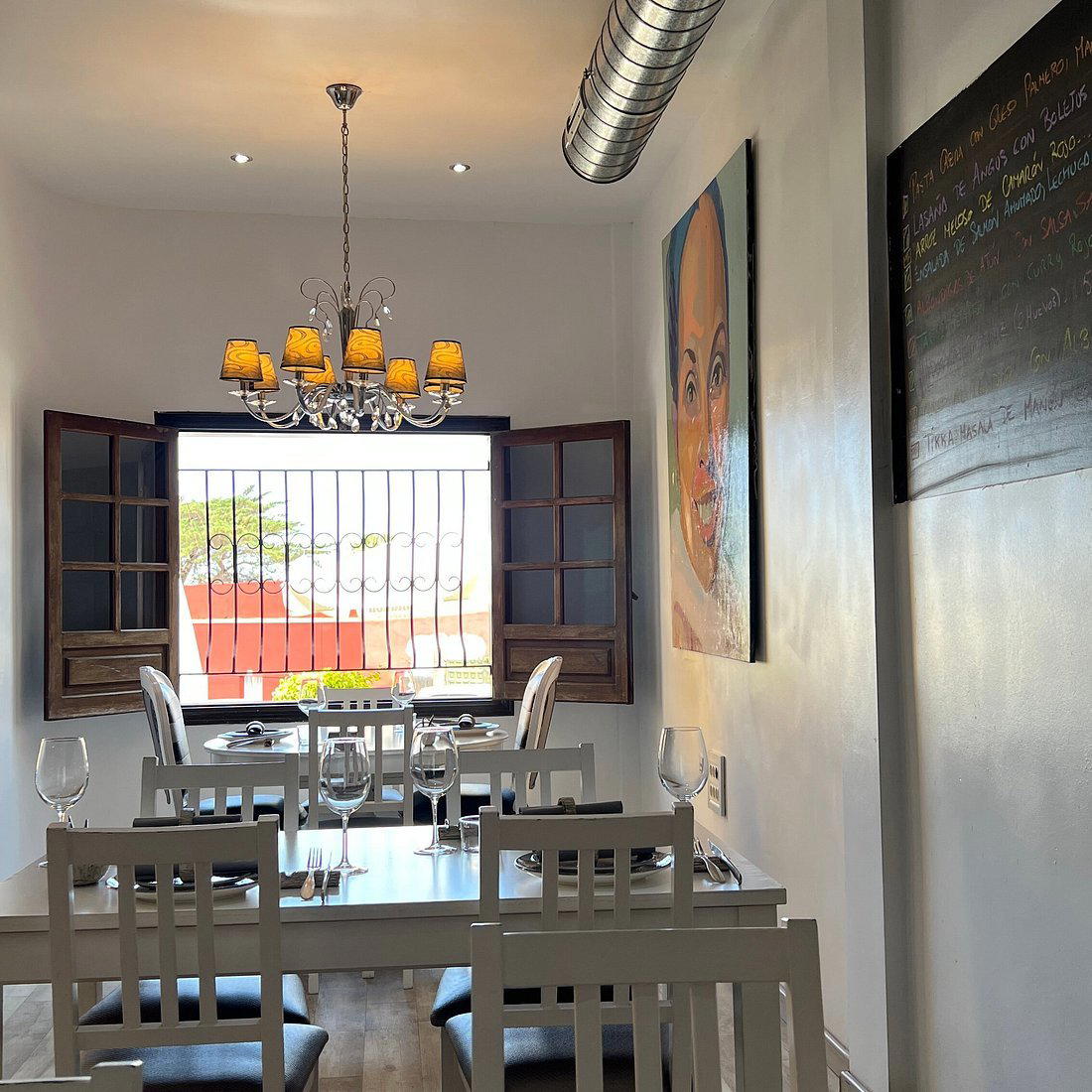
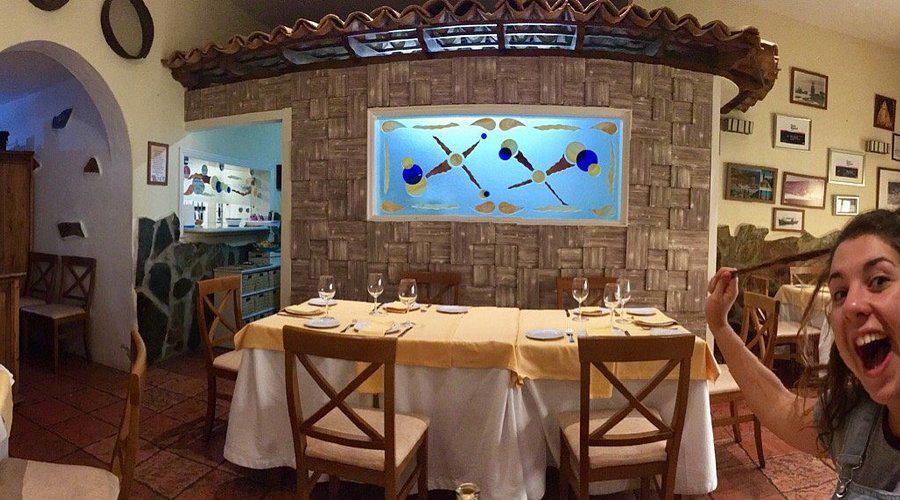
A small, modern gastrobar with an open kitchen feel, relaxed lighting, and a cozy yet lively atmosphere that suits both couples and small groups.