Hideaway Inn
Sugar Hill's small-inn tradition runs deep in the New Hampshire White Mountains, and Hideaway Inn fits that pattern: a property scaled for proximity to the landscape rather than resort-scale amenity. The surrounding region draws hikers, leaf-peepers, and skiers depending on the season, with Cannon Mountain and Franconia Notch State Park anchoring the outdoor calendar within a short drive.

Pearl is the En Primeur Club membership app, where members save venues, book tables and use the concierge.
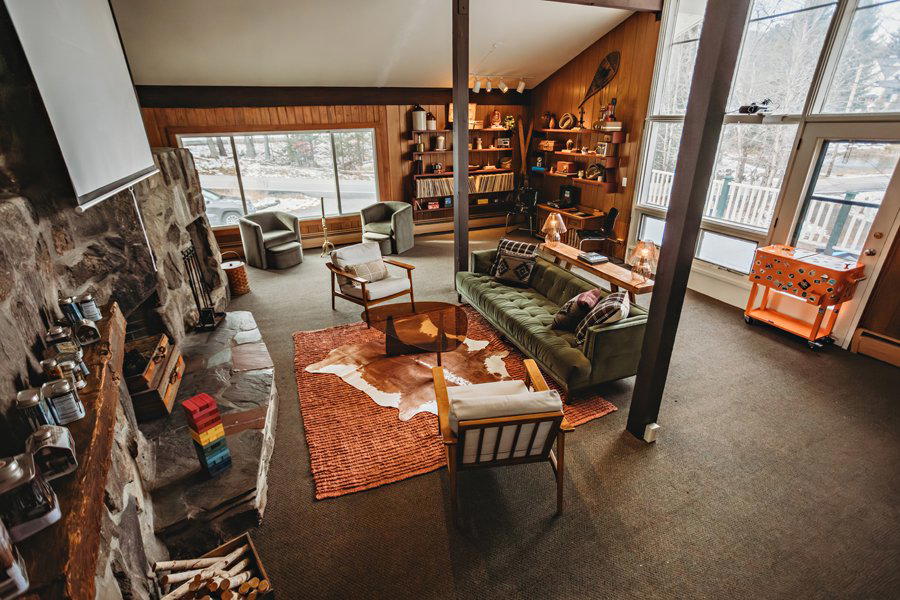
Where Sugar Hill's Landscape Does the Heavy Lifting
Small inns in the White Mountains occupy a specific niche in American travel: properties where the surrounding terrain, the ridgelines, the open meadows, the particular quality of light at elevation, does more atmospheric work than any interior designer could. Sugar Hill sits on a hilltop plateau above Franconia, with westward views across the Easton Valley that have drawn visitors since the late nineteenth century, when the town established itself as one of New Hampshire's premier summer retreats. Hideaway Inn operates within that tradition, positioned as a property where the relationship between the built space and the landscape around it defines the stay more than any single interior feature.
That orientation toward place over amenity is a consistent pattern among the stronger small inns of northern New England. Properties like Troutbeck in Amenia and Blackberry Farm in Walland have built reputations on similar logic: the land comes first, and the accommodations frame it rather than compete with it. At the other end of the spectrum sit properties like Amangiri in Canyon Point, where architecture and landscape are fused into a single statement at significant investment. Sugar Hill's scale is more modest, but the underlying premise, that where you are matters more than what surrounds you inside, belongs to the same family of thinking.
The Architecture of Retreat: Small-Inn Design in the White Mountains
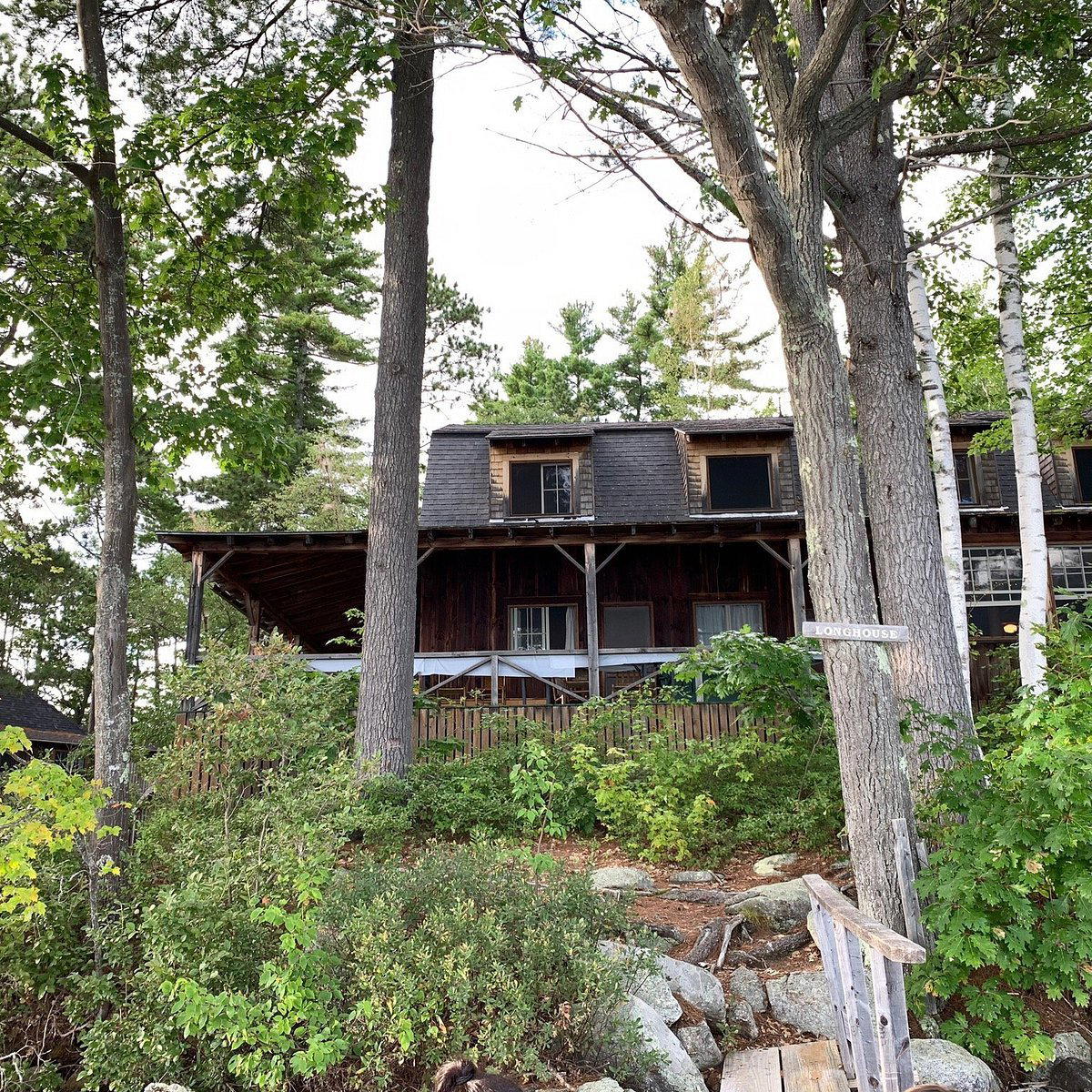
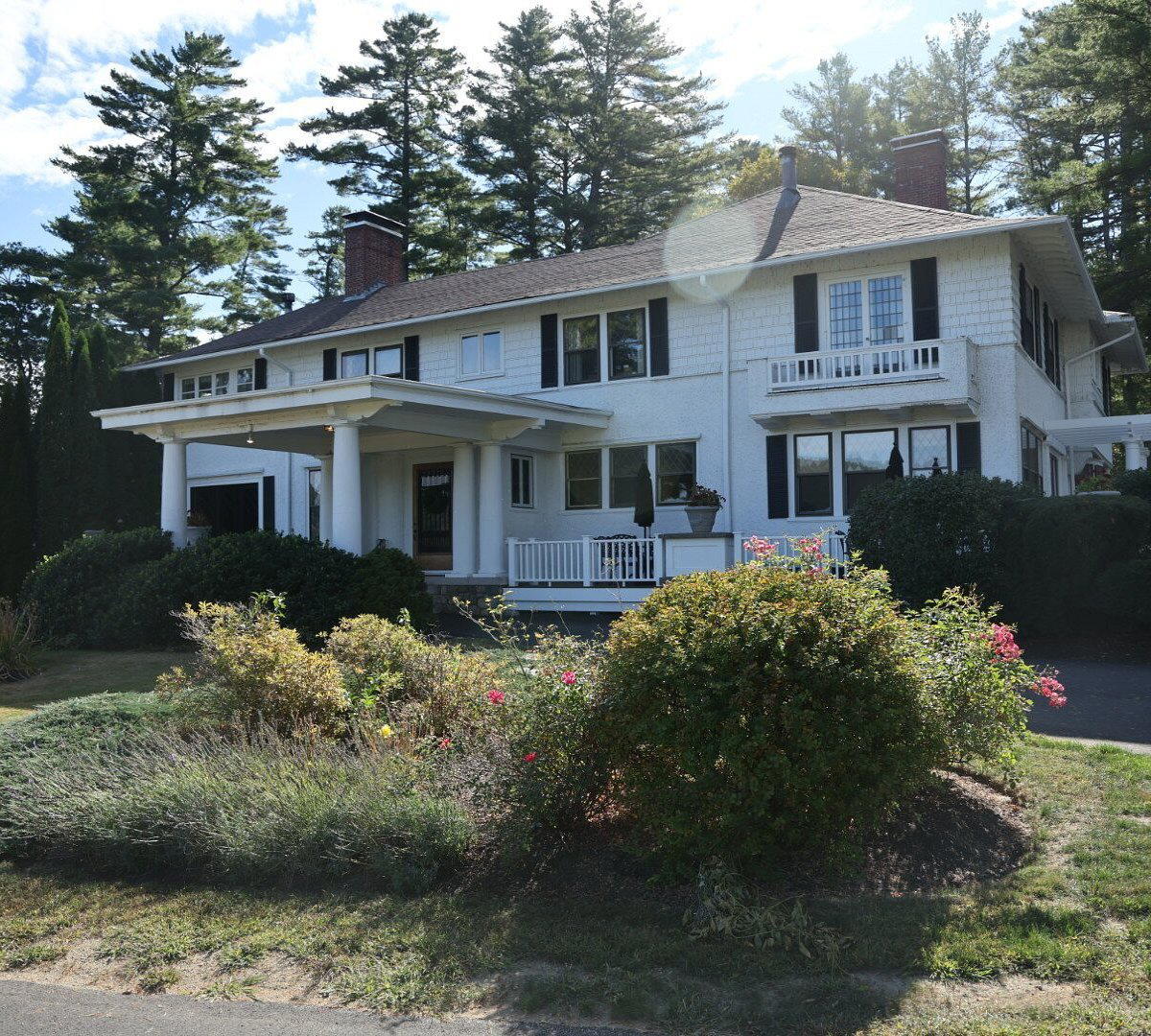
The architectural character of historic White Mountains inns follows a recognizable grammar: wide porches oriented toward the view, pitched rooflines suited to heavy snow loads, interiors that balance warmth with openness. These were not buildings designed to impress on arrival so much as to settle into over several days. Sugar Hill's surviving properties, the ones that have persisted through cycles of resort fashion and neglect, tend to share these bones.
The design conversation in this category of American inn has shifted considerably in recent decades. Where earlier renovations often layered Victorian-era ornament over colonial or Federal structures, the more recent wave of small-inn restoration has moved toward restraint: exposing original timber, simplifying color palettes, letting the age of a building speak rather than covering it. Properties like Sage Lodge in Pray and Ambiente in Sedona represent a further evolution of that idea, where the physical relationship between structure and site is treated as the primary design decision. At the Hideaway Inn's scale, those ambitions translate into something quieter: the right window placement, a porch that catches the evening light, rooms that feel finished rather than staged.
For travelers moving between urban hotel experiences and rural inn stays, the contrast is worth naming. The Fifth Avenue Hotel in New York City or Aman New York offer architectural drama at the opposite end of the lodging spectrum, maximalist spaces designed to register immediately. Sugar Hill's inns ask for a different kind of attention: slower, quieter, oriented outward toward the hills rather than inward toward the room itself.
Sugar Hill in Seasonal Context
The town's calendar divides cleanly into four distinct phases, each drawing a different traveler. Summer brings hikers targeting the Franconia Ridge Loop, one of the most trafficked above-treeline hikes in the Northeast, with Cannon Mountain and the Kinsman Ridge accessible from the valley below. Autumn is the period of highest demand across the entire White Mountains region: leaf color in the northern hardwood forests typically peaks in late September to early October at elevation, and Sugar Hill's open hilltop position makes it a particularly good vantage point for the color progression moving down the hillsides. Winter occupies a smaller slice of the visitor calendar but draws a dedicated contingent, with Cannon Mountain's ski area operating within close range. Spring, as in most of northern New England, is the shoulder season, mud season in local parlance, when properties tend to run quieter and rates reflect the softer demand.
That seasonal rhythm shapes how a stay at a property like Hideaway Inn functions in practice. Unlike destination resorts that build programming around their own infrastructure, the spa, the restaurant, the pool, small White Mountains inns operate more as base camps, with the surrounding public lands doing the work that resort facilities would otherwise handle. Post Ranch Inn in Big Sur and Amangani in Jackson Hole represent a more resource-intensive version of landscape-oriented lodging; Sugar Hill's proposition is smaller in scale and correspondingly more accessible in approach.
Planning a Stay: What to Know Before You Book
Sugar Hill is a small town with limited commercial infrastructure, arriving with expectations calibrated to a resort or a well-serviced village will produce friction. The nearest concentration of restaurants, shops, and services is Franconia, a few minutes down the hill, with Littleton offering a broader range about fifteen miles north. Travelers driving from Boston can expect roughly two and a half hours under normal conditions; from New York, the drive runs closer to five hours depending on the I-93 corridor and the Franconia Notch Parkway. There is no meaningful public transit option for this part of New Hampshire, making a car effectively necessary.
For travelers accustomed to booking through platforms that aggregate small inns, or to the more structured reservation systems of larger properties like Four Seasons at The Surf Club in Surfside or Raffles Boston, contacting the property directly is typically the most reliable route for small White Mountains inns, where room inventory is limited and availability changes quickly around peak foliage weekends. Foliage season in particular warrants booking several months ahead; late September and the first week of October tend to fill well in advance across the entire Franconia area. See our full Sugar Hill restaurants and hotels guide for broader planning context across the region.
Where Hideaway Inn Sits in the American Inn Tradition
The category of American small inn has fragmented significantly over the past two decades. At one pole sit properties with substantial programmatic investment, farm-to-table dining programs, spa infrastructure, curated activities, that effectively function as self-contained destinations. SingleThread Farm Inn in Healdsburg, Bernardus Lodge in Carmel Valley, and Canyon Ranch Tucson represent that investment-heavy tier. At the other pole are properties that strip the format back to its essentials: a good room, a proper breakfast, proximity to landscape, and a host who knows the surrounding area. Sugar Hill's inn tradition, including the Hideaway, belongs more naturally to that second category, properties where the guest's own agenda, shaped by the surrounding public lands, provides the programming.
That distinction matters when choosing between them. Travelers who want the infrastructure to stay on property will find the smaller White Mountains inns undersupplied. Those who want a well-positioned base for hiking, driving the Kancamagus Highway, or simply slowing down in a landscape that rewards attention will find the format fits their purpose with minimal friction.
A Quick Peer Check
Comparable venues nearby, for context on price, style, and recognition.
| Venue | Cuisine | Price | Awards | Notes |
|---|---|---|---|---|
| Hideaway InnThis venue (the venue you are viewing) | cozy mountain retreat with shared social spaces | Not listed | Not listed | Not listed |
| The Digby | Blends historic architecture with modern luxury | Not listed | Not listed | Historic District |
| Quercus | Regenerative working ranch with secluded luxury cabins | $1,000–1,500 | 1 Michelin Key · TIME 2026 TIME World's Greatest Places | Gay |
| The Lodge on Little St. Simons Island | Historic cottages set in wilderness with modern comforts | $500–750 | La Liste Top Hotels | Little St. Simons Island |
| Municipal Grand | midcentury modern architectural icon restored as boutique hotel | $200–300 | Michelin Guide New Hotels New Hotel · Michelin Selected | historic district |
| The Tess, Autograph Collection | Modern-Southern residential reimagined with intentional curation and local Atlanta influences | Not listed | Michelin Selected | Buckhead |
Continue exploring
More in Sugar Hill
Details
- Cozy
- Rustic
- Scenic
- Quiet
- Classic
- Weekend Escape
- Family Vacation
- Group Retreat
- Panoramic View
- Terrace
- Pool
- Mountain
Cozy, rustic, scenic mountain-retreat atmosphere with shared social spaces, fireplace areas, and a landscape-forward feel that emphasizes long views and relaxed pacing.