Beau-Rivage Hotel

Relais Chateaux Award
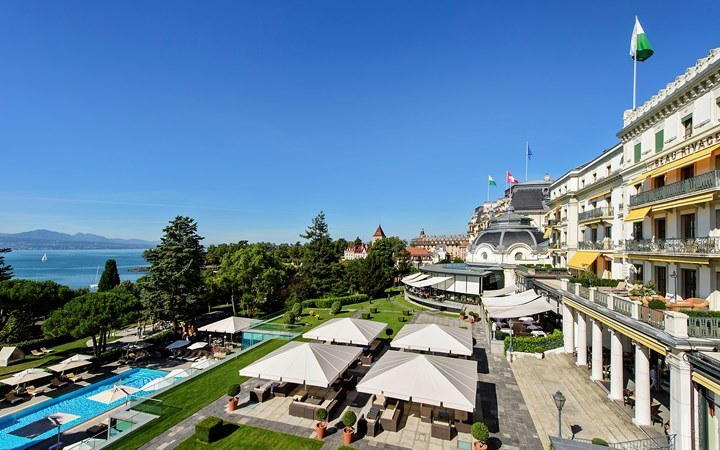
A 19th-century lakefront property on the Esplanade du Mont-Blanc, Beau-Rivage Hotel occupies one of Neuchâtel's most architecturally commanding positions.

Pearl is the En Primeur Club membership app, where members save venues, book tables and use the concierge.
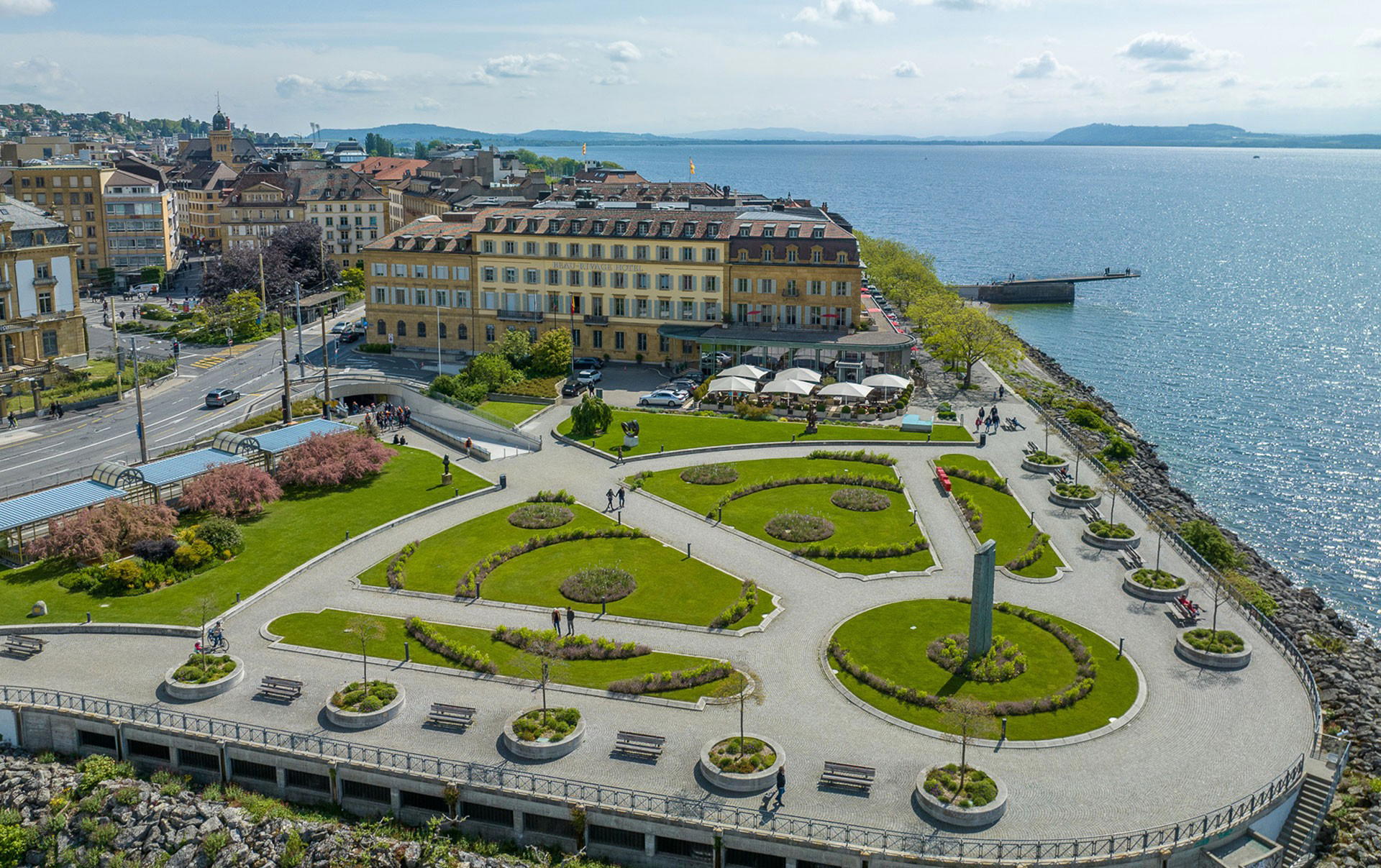
A 19th-Century Address on the Arc of Lac de Neuchâtel
The lakefront hotel tradition in French-speaking Switzerland runs deep, from the grand Belle Époque palaces of Geneva to the terrace hotels of the Vaud Riviera. Neuchâtel occupies a quieter position in that lineage, a city more associated with precision watchmaking and sandstone Gothic architecture than with international tourism circuits. The Beau-Rivage Hotel sits at Esplanade du Mont-Blanc 1, directly on the lake edge, and its 19th-century fabric places it in a category of Swiss heritage properties that predate the contemporary luxury hotel era by several generations. Where properties like Baur au Lac in Zurich or Beau-Rivage Palace in Lausanne have evolved through successive renovations into internationally branded grand hotels, the Neuchâtel Beau-Rivage has retained a more contained, regional identity, which is precisely what makes it worth understanding on its own terms.
The Architecture: Belle Époque in a Watchmaking City
Nineteenth-century lakefront hotel architecture in Switzerland followed a fairly consistent grammar: symmetrical facades, high-ceilinged reception rooms, arched windows arranged to face the water, and a sense of civic formality that reflected the wealth of the canton rather than the tastes of passing tourists. The Beau-Rivage Hotel reads within that tradition. Its position on the esplanade means the building participates in Neuchâtel's broader urban frontage along the lake, a frontage that includes the city's sandstone old town rising immediately behind it. The yellow-ochre stone typical of the region appears throughout Neuchâtel's built environment, and the hotel's address places guests at the exact threshold between the historic city fabric and the open lake panorama beyond.
This architectural positioning is worth comparing to how other Swiss heritage hotels relate to their surroundings. The Hotel Les Trois Rois in Basel faces the Rhine from a similarly civic address; the Hotel Bellevue Palace in Bern commands a plateau edge with views over the Aare. In each case the building's identity is inseparable from its geographical orientation. At the Beau-Rivage Neuchâtel, the relevant axis is the lake itself, with Mont Blanc visible in clear conditions and the Jura ridgeline framing the northwest horizon. The view is the design's primary argument, and 19th-century architects working in this idiom understood that clearly.
Neuchâtel as a Hotel Destination: The Context
Neuchâtel receives a fraction of the hotel attention directed at Geneva or Zurich, despite sitting roughly equidistant from both by train. That relative quietness is partly structural: the city lacks an international airport of its own (Geneva International is 121 km away, Zurich International 154 km), and its reputation remains tied to its watchmaking heritage and university rather than to leisure tourism. The train station sits approximately 1 km from the hotel, making it accessible by rail from both cities without difficulty.
That positioning creates a specific kind of hotel experience. Properties in lower-profile Swiss cities often serve a mix of business travellers visiting local industries, Swiss domestic visitors, and a smaller international segment drawn by the city's character rather than its fame. Rates from US$344 per night place the property in the accessible end of Swiss heritage hotel pricing, well below the entry points at comparators like Badrutt's Palace Hotel in St. Moritz or Bürgenstock Resort, and roughly comparable to the mid-tier of Swiss lakefront properties.
For a different take on Neuchâtel's lakefront accommodation, Hotel Palafitte offers a sharply contrasting architectural approach, with overwater bungalows that reference the region's prehistoric pile-dwelling heritage. The two properties sit at opposite ends of the design spectrum while sharing the same body of water.
The Watchmaking Connection
The hotel's highlighted amenities include access to watchmaking factory tours, which signals something specific about how the property positions itself for guests. Neuchâtel and its surrounding canton have been central to Swiss watchmaking for centuries, with the Vallée de Joux and La Chaux-de-Fonds within reach. For travellers interested in the mechanics and history of haute horlogerie, the region offers access that Geneva's boutique-focused watch culture does not: actual manufacturing facilities rather than retail showrooms. The hotel's mention of this as a highlight suggests an orientation toward guests who want to understand the industry at production level, not just acquire its products.
This kind of embedded local specialisation distinguishes heritage properties in smaller Swiss cities from their counterparts in major centres. A hotel like Mandarin Oriental Palace in Lucerne competes on international brand infrastructure; the Beau-Rivage Neuchâtel competes on regional specificity. Those are different propositions aimed at different traveller profiles.
Swiss Heritage Hotels: Where This Property Fits
The Swiss heritage hotel category covers a wide range of scales and international profiles. At the larger end sit properties like Grand Resort Bad Ragaz and Grand Hotel Kronenhof in Pontresina, with substantial spa and resort infrastructure. At the design-led contemporary end sit properties like 7132 Hotel in Vals, where the Peter Zumthor thermal baths define the entire offer. The Beau-Rivage Neuchâtel occupies a different niche: a genuine 19th-century structure in a mid-scale Swiss city, with a lakefront address and a regional identity that does not depend on international resort infrastructure or architectural celebrity.
For comparison across Switzerland's lakefront heritage tier, Beau-Rivage Geneva represents the same naming tradition applied to a significantly higher-profile city and price point. The Neuchâtel property shares the architectural DNA and waterfront orientation while operating in a considerably quieter market. Other useful reference points in the broader Swiss luxury conversation include Castello del Sole in Ascona, Villa Principe Leopoldo in Lugano, CERVO Mountain Resort in Zermatt, The Alpina Gstaad, Hotel Villa Honegg in Ennetbürgen, Park Hotel Vitznau, Guarda Golf Hôtel in Crans-Montana, Valsana Hotel in Arosa, and Boutique Hotel Restaurant Krone in Regensberg, each representing a distinct segment of what Swiss hospitality produces.
Planning a Stay
The Beau-Rivage Hotel is located at Esplanade du Mont-Blanc 1, 2000 Neuchâtel, with GPS coordinates 46.9891, 6.9286 placing it precisely on the lakefront esplanade. The Neuchâtel train station is approximately 1 km away, meaning the walk from the platform to the hotel's entrance takes around ten to fifteen minutes on flat terrain, or a short taxi ride. Travellers arriving by air from Geneva should allow roughly ninety minutes door to door; from Zurich, slightly longer. Nightly rates start from US$344, which positions the property as an accessible entry point into Swiss heritage lakefront accommodation without requiring the budget commitments associated with Alpine resort properties.
For a broader orientation to what Neuchâtel offers beyond the hotel, our full Neuchâtel restaurants guide covers the dining options within the city in detail. For international reference points outside Switzerland, Aman Venice, The Fifth Avenue Hotel in New York City, and Aman New York represent how the heritage-building hotel format plays out in other major cities, providing useful contrast to the Beau-Rivage's quieter, regional approach.
Comparable Venues
Comparable venues nearby, for context on price, style, and recognition.
| Venue | Cuisine | Price | Awards | Notes |
|---|---|---|---|---|
| Beau-Rivage HotelThis venue (the venue you are viewing) | Elegant luxury hotel in a beautifully restored 19th-century lakefront building, member of Relais & Châteaux and Swiss Deluxe Hotels, blending historic charm with modern amenities. | $200–300 | Relais Chateaux Award | Not listed |
| Hotel Palafitte | Overwater bungalows on stilts with modern pavilions. | $300–500 | 1 Michelin Key · Preferred Hotels Member | Lake Neuchâtel |
| Hotel Metropole Geneve | Historic luxury boutique hotel blending timeless elegance with contemporary refinement, positioned as Geneva's premier lakefront destination. | $300–500 | Preferred Hotels Member | Cite |
| THE HOTEL Lucerne, Autograph Collection | Urban design hotel in historic 1907 corner building | $200–300 | Michelin Selected | Downtown |
| Swiss Diamond Hotel Lugano | Luxury Italian-style lakeside resort blending contemporary elegance with refined comfort and personalized hospitality. | $200–300 | Michelin Selected | Vico Morcote |
| Clinique La Prairie | Luxury medi-spa with medical center integration | Not listed | Virtuoso Luxury Hotel Partner | Clarens |
Recognition history
Dated appearances from independent guides and award organizations, with the underlying list record or original source where available.
Relais Chateaux Award
Relais Chateaux
Full recognition history (2 entries)
Relais Chateaux Award
Relais Chateaux
Continue exploring
More in Neuchâtel
Hotels in Neuchâtel
All hotels in Neuchâtel →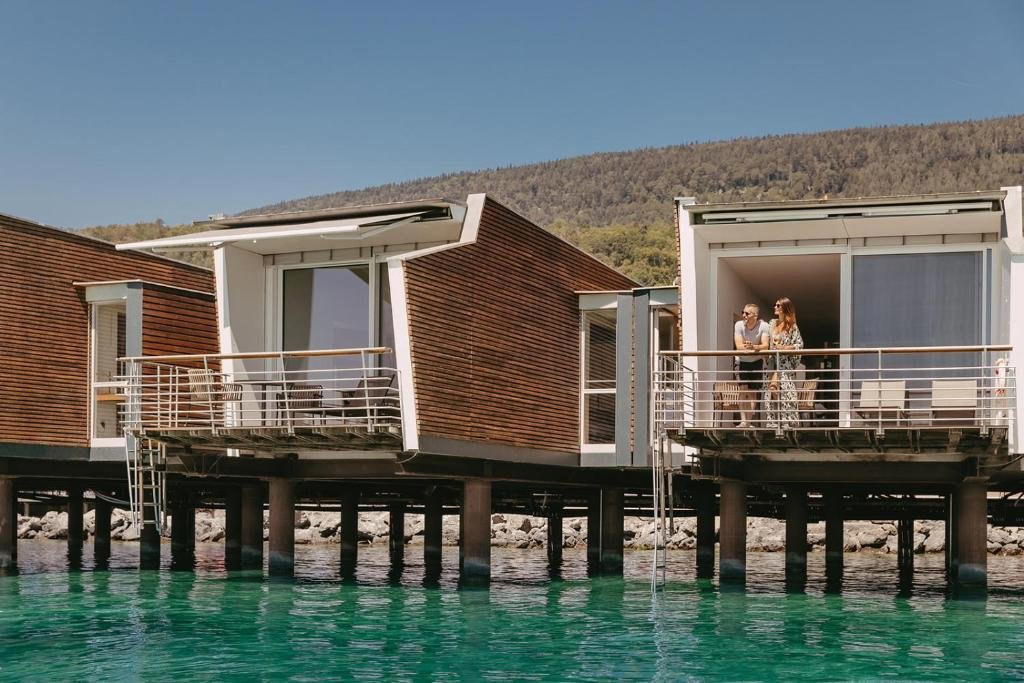
Bars in Neuchâtel
Browse all →

Details
- Elegant
- Romantic
- Quiet
- Scenic
- Romantic Getaway
- Anniversary
- Honeymoon
- Business Trip
- Family Vacation
- Waterfront
- Panoramic View
- Destination Spa
- Historic Building
- Terrace
- Garden
- Wi Fi
- Spa
- Fitness Center
- Restaurant
- Bar
- Room Service
- Concierge
- Valet Parking
- EV Charging
- Business Center
- Meeting Rooms
- Waterfront
- Mountain
- Garden
- Wheelchair Accessible
- Elevator
- Accessible Restroom
- Accessible Parking
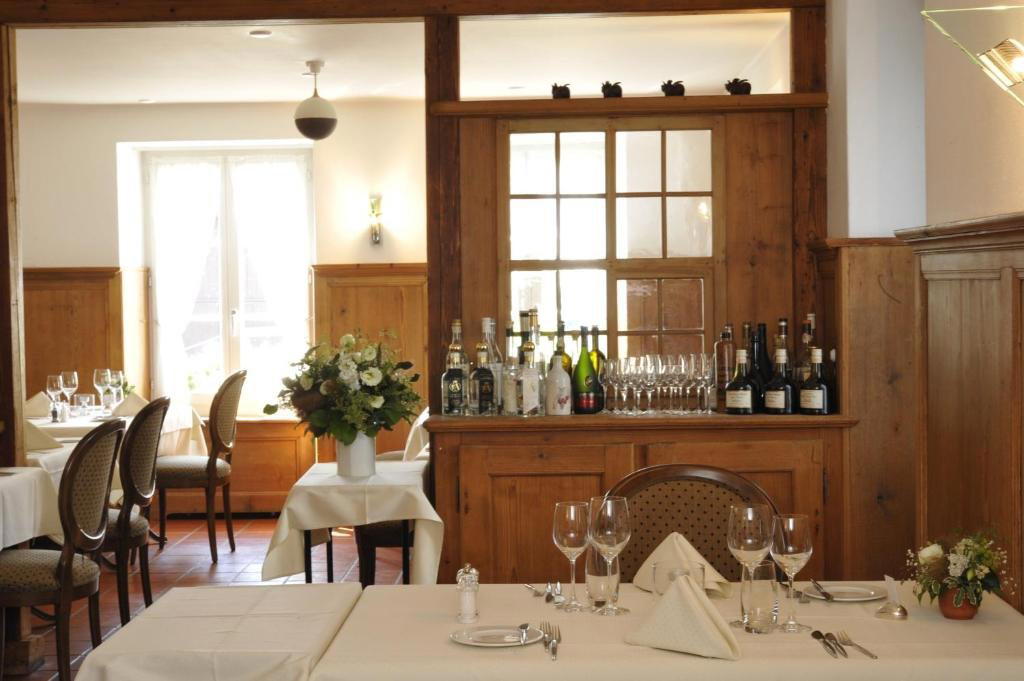
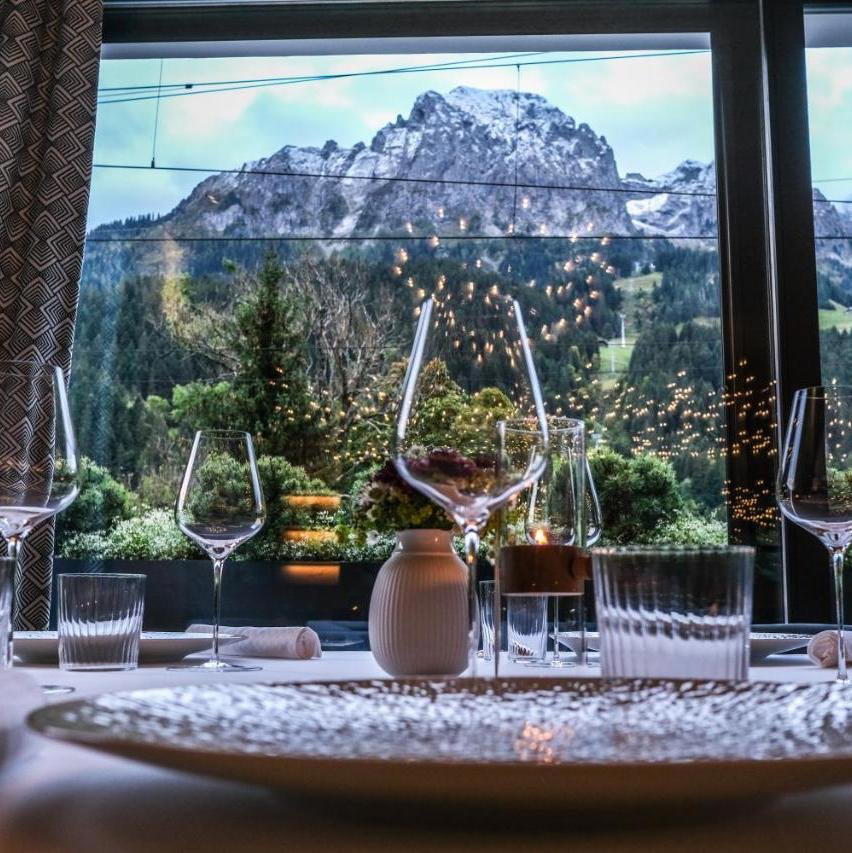
Refined and peaceful with elegant décor, spacious rooms, and attentive service; guests consistently praise the quiet atmosphere, comfortable bedding, and memorable lake views from dining areas and select rooms.