1913 Saillon
1913 Saillon occupies a distinctive position in the Valais hospitality scene, where the thermal spa tradition and alpine village architecture converge in one of Switzerland's oldest thermal destinations. The property draws visitors seeking the restorative mineral waters that have defined Saillon since Roman times, paired with the kind of measured Swiss precision that characterises the region's better establishments. Proximity to the Rhône valley vineyards adds a wine dimension that few Swiss spa destinations can match.

Pearl is the En Primeur Club membership app — saves, bookings, and concierge access live there. Same editors, same standards.
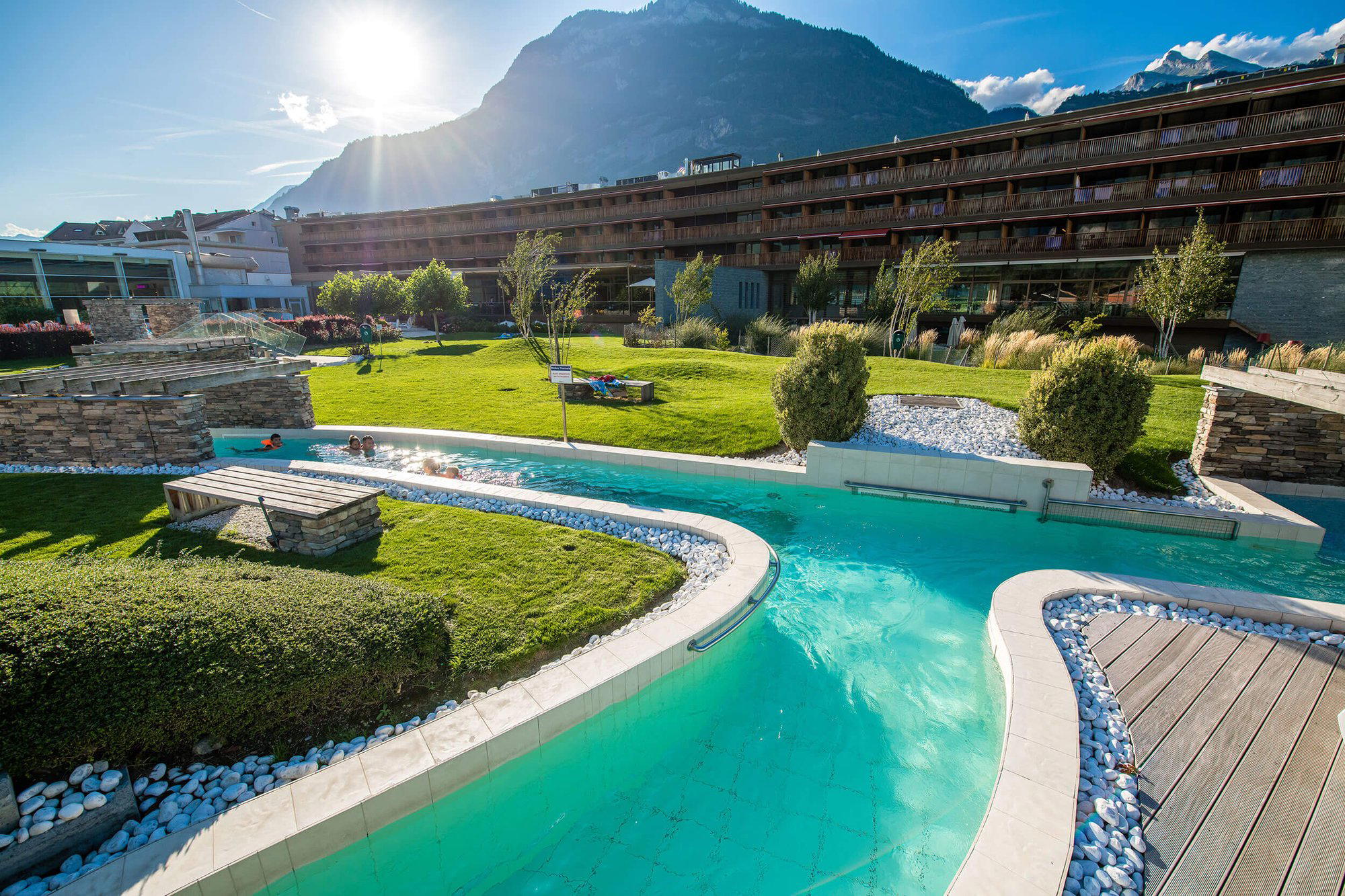
Where Thermal Heritage Meets Valais Stone
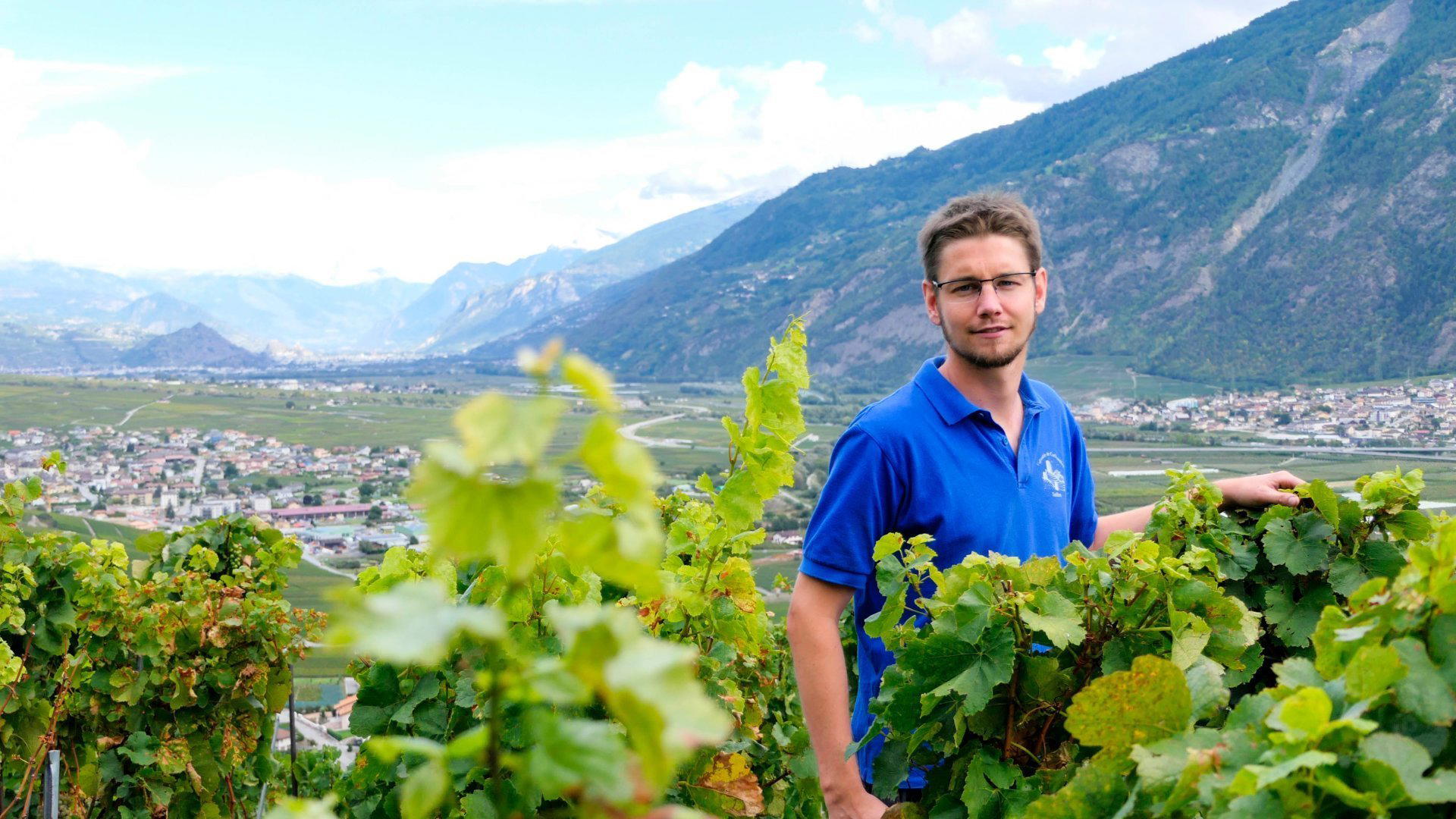
Saillon sits on a rocky spur above the Rhône plain in the canton of Valais, a village whose silhouette — dominated by a medieval tower and terraced vineyards — has changed less than most Swiss settlements over the past century. Arriving from Martigny or Sion, the approach follows the valley floor past apricot orchards and low-trained vines before the road climbs briefly into the old village. The physical setting establishes the register immediately: this is not an alpine resort destination built around ski infrastructure, but a place whose identity is rooted in geology, specifically in the thermal mineral waters that rise beneath the Rhône valley floor and have drawn visitors since antiquity.
The name 1913 Saillon anchors the property explicitly to the year Saillon's modern thermal tradition was formalised, a dating strategy that signals heritage positioning rather than contemporary lifestyle branding. In Swiss hospitality, that kind of temporal anchoring tends to carry specific meaning: it places a property in a lineage of established institutions rather than the newer wave of design-led alpine retreats exemplified by properties like the 7132 Hotel in Vals or the CERVO Mountain Resort in Zermatt. The distinction matters to a specific kind of traveller: one who chooses a destination for what it has accumulated rather than what has been constructed around it.
The Architecture of a Thermal Village
Saillon's built environment reflects the layered construction typical of fortified Valais settlements. The medieval tower at the village's highest point dates to the thirteenth century, and the terraced layout of the old village follows the natural contours of the promontory. Stone walls, narrow lanes, and the remnants of the original fortifications give the upper village a texture that is genuinely historical rather than restored for visitor appeal.
The thermal complex operates at the base of the village, closer to the valley floor, which creates a clear spatial separation between the historical built fabric above and the more contemporary spa infrastructure below. This vertical organisation is characteristic of Valais thermal destinations: the curative amenity sits where the geology dictates, while the village life occupies the refined defensive position inherited from the medieval period. Visitors who understand this topography use both registers, the thermal pools for the stated purpose, the old village for orientation and context.
In the broader Swiss spa-hotel category, Saillon occupies a different market position than grand-scale thermal resorts. The Grand Resort Bad Ragaz in eastern Switzerland represents the large-format thermal hotel with full amenity stacking; Saillon's identity is more contained, drawing on the specificity of its Valais location and the smaller scale of a village destination rather than resort-scale programming. The comparison is instructive: travellers who book Bad Ragaz are typically seeking comprehensive facilities; those drawn to Saillon are more often motivated by the Valais context itself, including the wine culture of the surrounding region.
Valais Wine Country as Context
The Rhône valley running through Valais is Switzerland's largest wine-producing region, and its output remains significantly under-exported relative to its quality. Chasselas grown in the Valais produces a different expression than the same grape in Vaud's Lavaux terraces; here the continental climate, lower rainfall, and high sunshine hours push the wine toward more structured, mineral-driven profiles. Cornalin and Humagne Rouge, grape varieties that rarely appear outside the Swiss market, grow within a short drive of Saillon.
For a thermal destination with heritage positioning, this wine geography is a meaningful differentiator. Properties like the Beau-Rivage Palace in Lausanne or Baur au Lac in Zurich draw on Swiss wine lists as a matter of course, but they operate in urban contexts where the wine country is a day trip. At Saillon, the vineyards are the immediate surroundings, visitors can walk from the village into planted terraces. That proximity changes the relationship with wine from curatorial to geographical.
The Valais also produces the majority of Switzerland's apricots, and the harvest season in late July and August transforms the valley floor. The fruit appears in local distillates, jams, and regional menus, and the seasonal shift is visible in the landscape. Travellers visiting outside the summer window will find a quieter, more austere Valais: the orchards bare, the vineyards dormant, the village population noticeably reduced. Both versions have their logic, but they offer quite different experiences of the same place.
Planning a Visit to Saillon
Saillon is accessible by train from Martigny, which sits on the main Geneva-Milan rail corridor, making it reachable from Geneva in under an hour with a connection. From Sion, the regional capital of Valais, the journey is shorter still. Visitors arriving by car from the Lausanne direction follow the A9 motorway along the Rhône valley, with Saillon signposted from the Riddes exit. The village itself is compact enough that a car is not necessary once you have arrived, though it becomes useful for vineyard exploration in the surrounding communes.
For context on the broader Swiss luxury accommodation spectrum before or after a Valais stay, travellers frequently pair the region with properties in other Swiss destinations: the Beau-Rivage Geneva to the west, or the Hotel Bellevue Palace in Bern for a northern Swiss complement. Mountain-focused travellers might continue east toward the Alpina Gstaad or the Badrutt's Palace Hotel in St. Moritz. Within the Valais itself, the Rhône valley's thermal and wine resources make it a credible destination in its own right rather than a stopover.
For a fuller picture of what Saillon and its surroundings offer, including current restaurant recommendations and seasonal programming, see our full Saillon restaurants guide. Other Swiss alpine properties worth cross-referencing for this style of contained, heritage-focused travel include the Grand Hotel Kronenhof in Pontresina, the Hotel Villa Honegg in Ennetbürgen, and the Castello del Sole in Ascona for a Ticino thermal comparison. Further afield, the Bürgenstock Resort represents the large-format Swiss spa approach for direct contrast.
A Quick Peer Check
| Venue | Price | Awards |
|---|---|---|
| 1913 SaillonThis venue (the venue you are viewing) | Not listed | Not listed |
| Badrutt's Palace Hotel | Not listed | 3 Michelin Keys · World's 50 Best #36 |
| Four Seasons Hotel des Bergues | Not listed | 2 Michelin Keys · La Liste Top Hotels |
| Mandarin Oriental Palace, Luzern | $500–750 | 2 Michelin Keys · La Liste Top Hotels |
| The Ritz-Carlton Hotel de la Paix, Geneva | Not listed | 2 Michelin Keys · La Liste Top Hotels |
| Hotel President Wilson, A Luxury Collection Hotel | Not listed | La Liste Top Hotels · Forbes 4-Star |
Continue exploring
More in Saillon
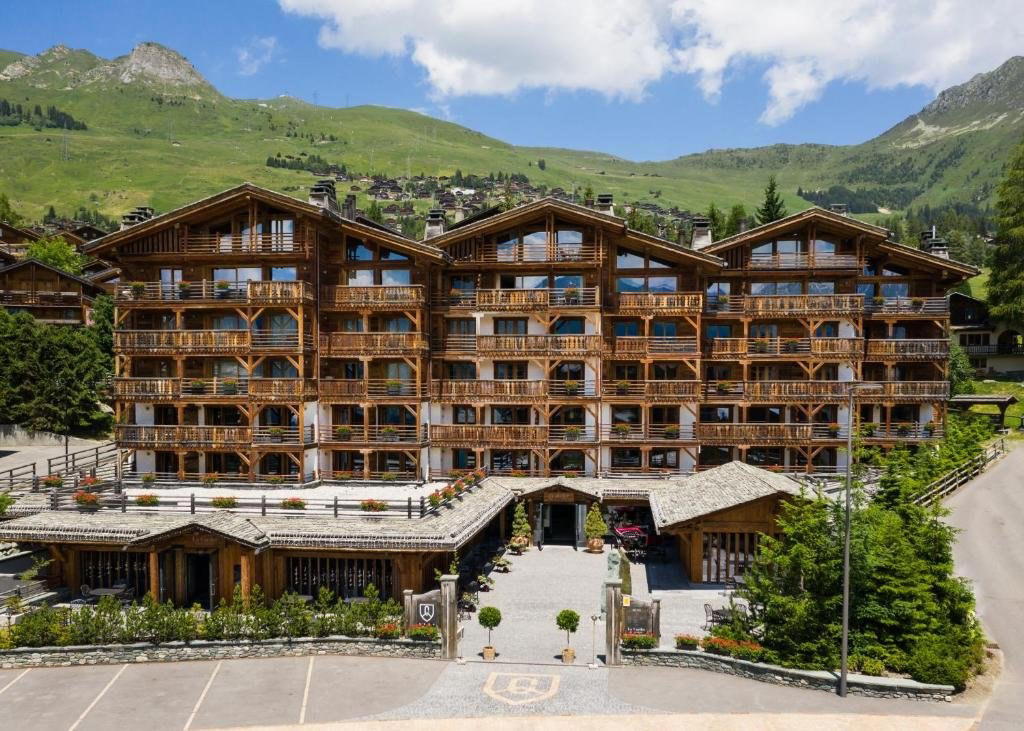
Hotels in Saillon
All hotels in Saillon →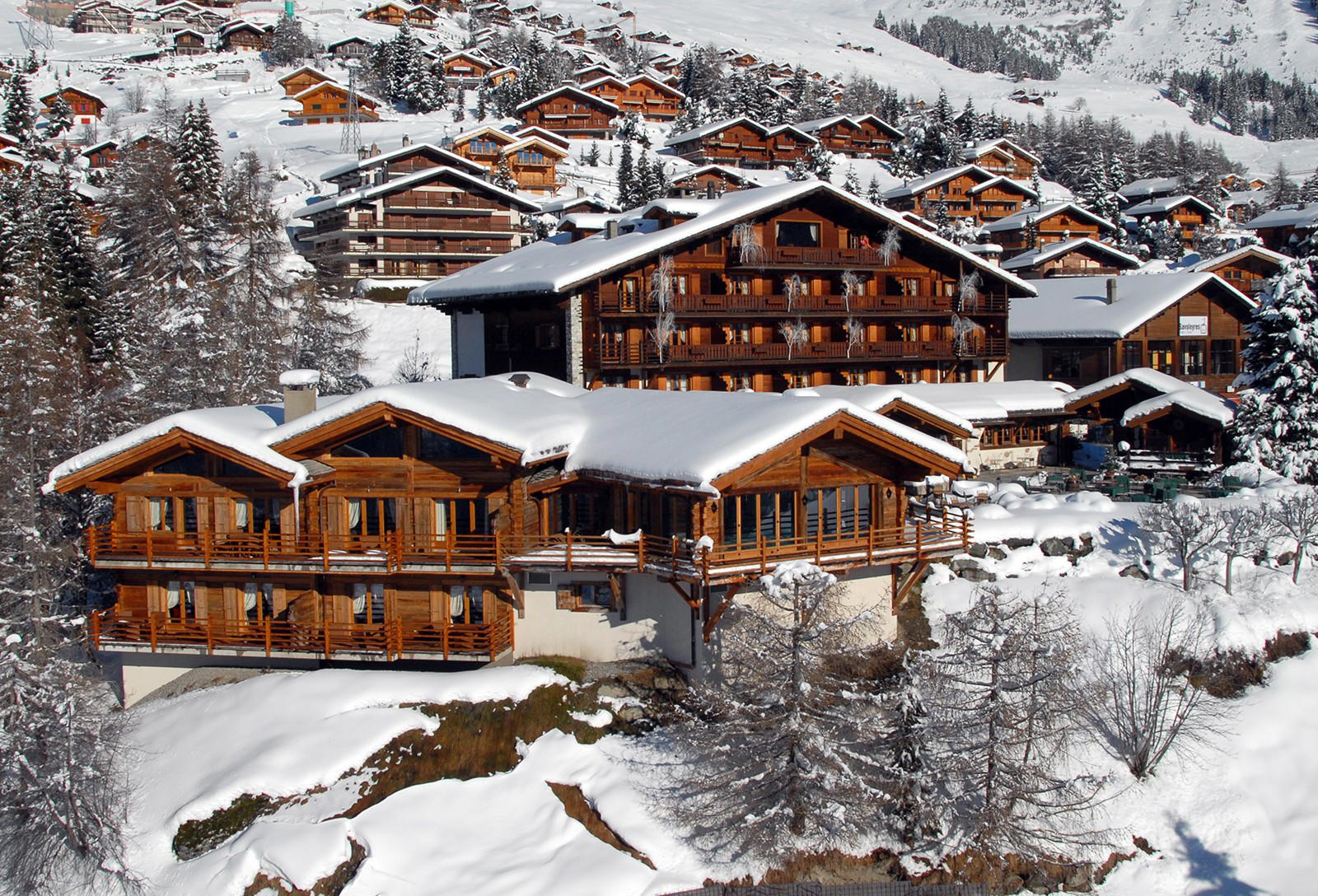
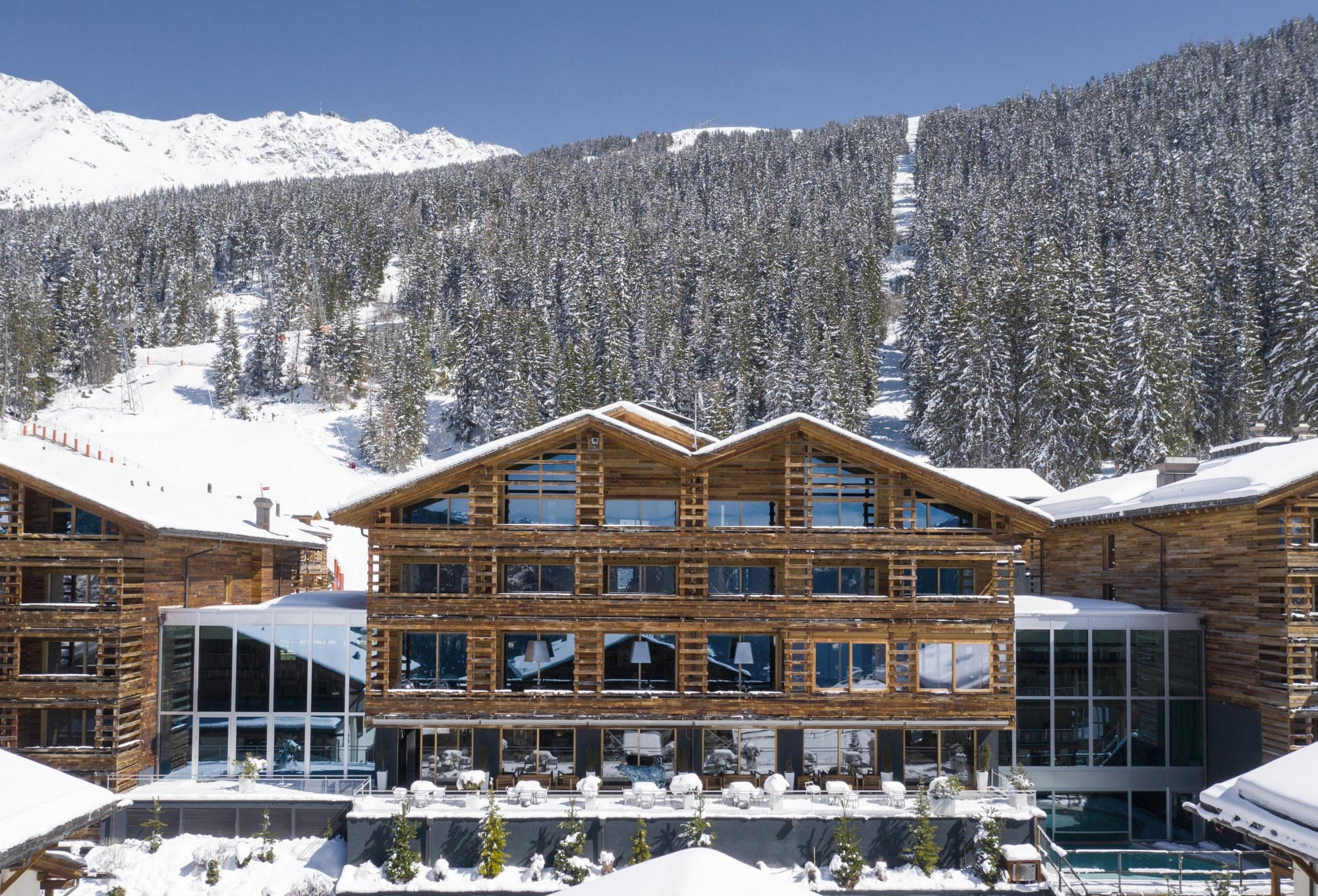
Bars in Saillon
All bars in Saillon →

Details
- Scenic
- Cozy
- Elegant
- Wellness Retreat
- Romantic Getaway
- Panoramic View
- Pool
- Spa
- Sauna
- Fitness Center
- Restaurant
- Wi Fi
- Garden
- Mountain
- Wheelchair Accessible
- Elevator
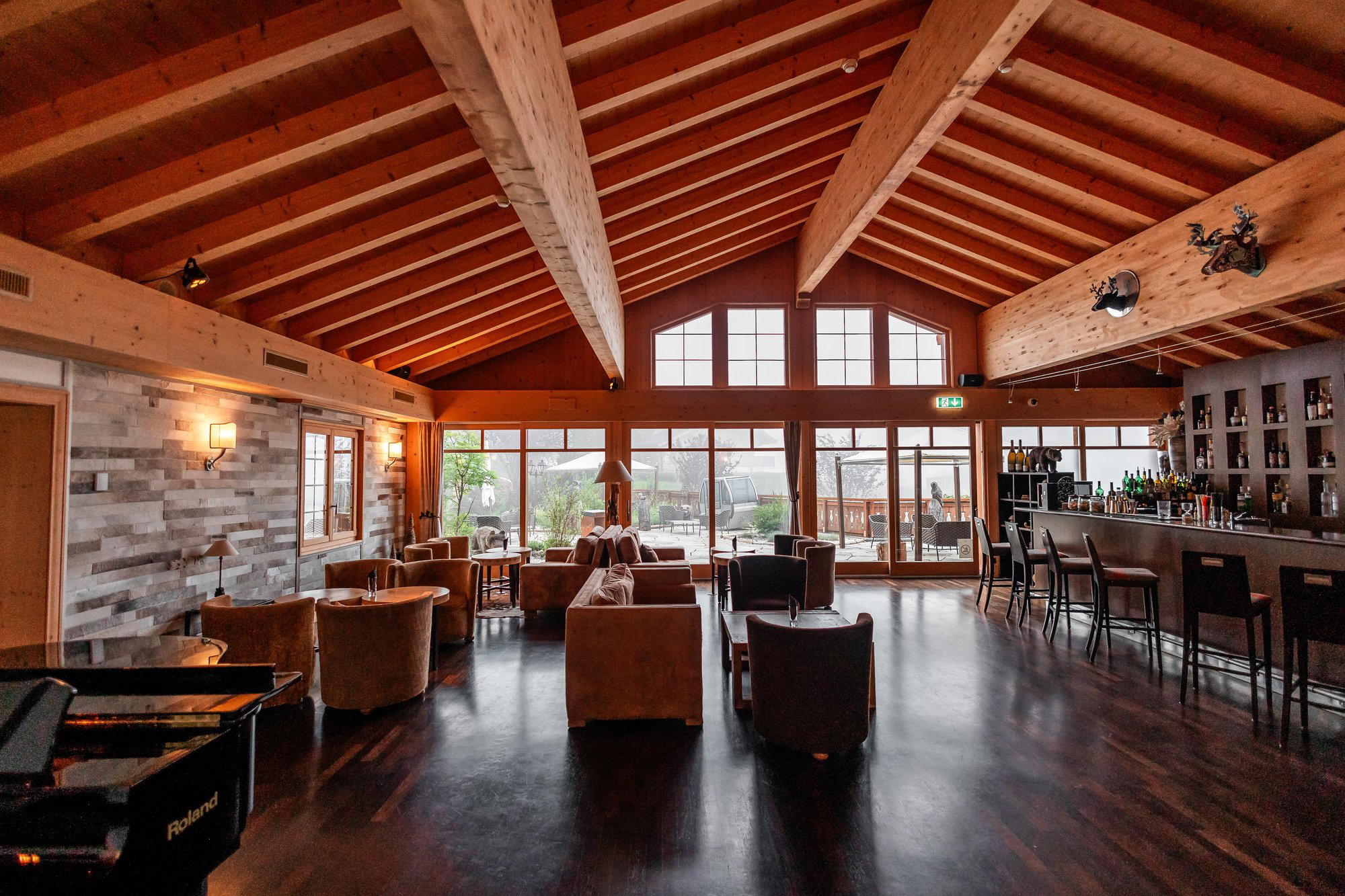
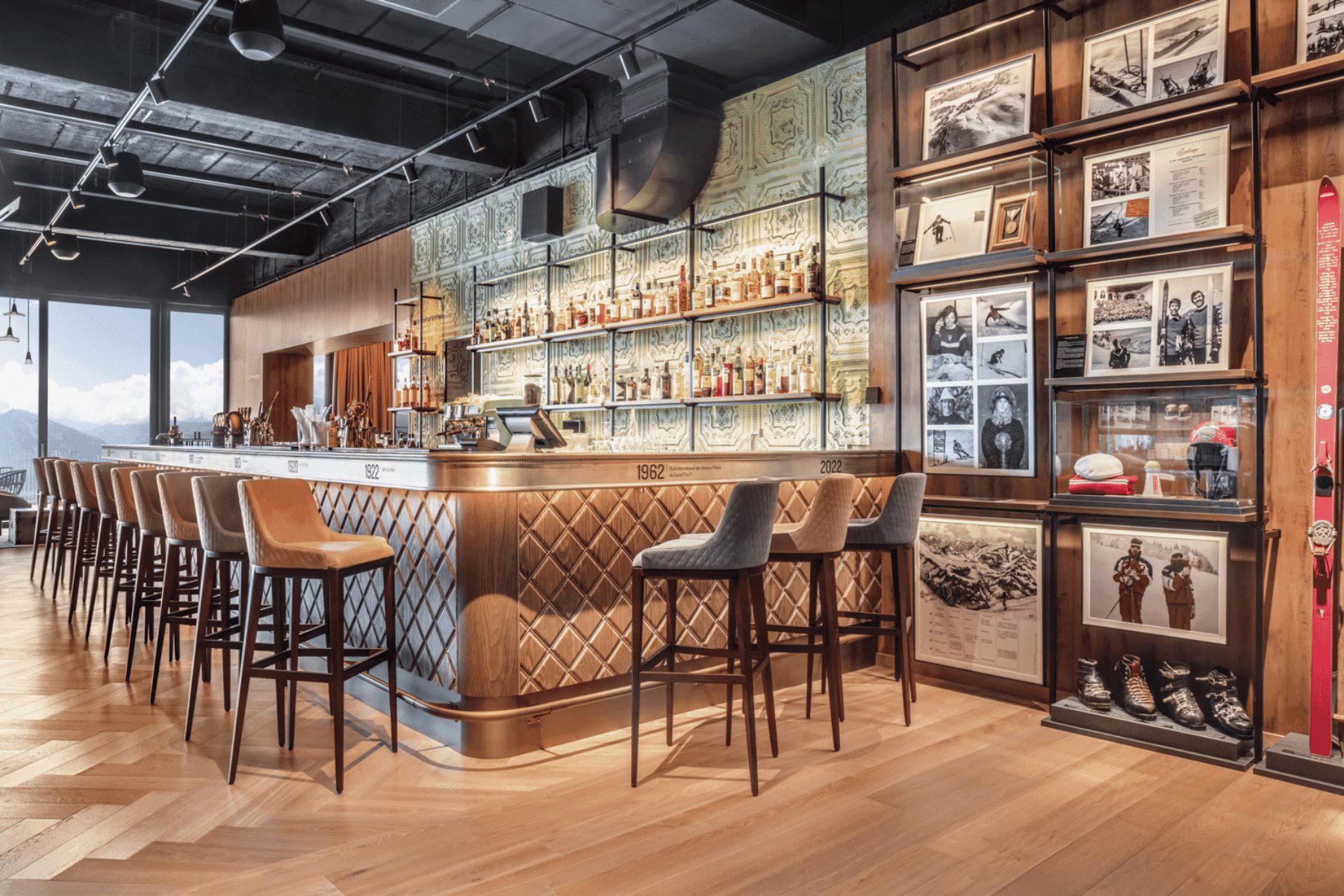
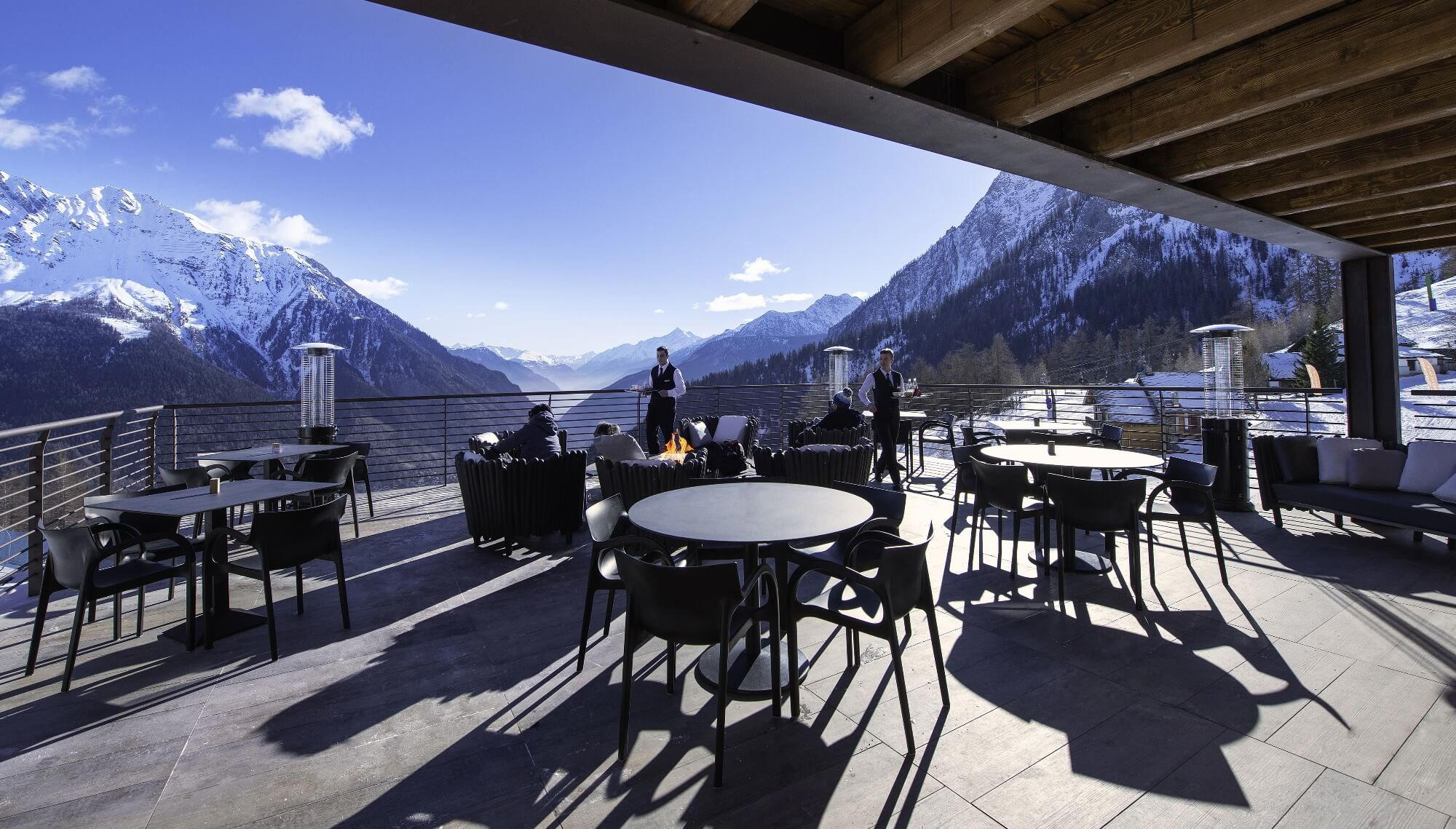
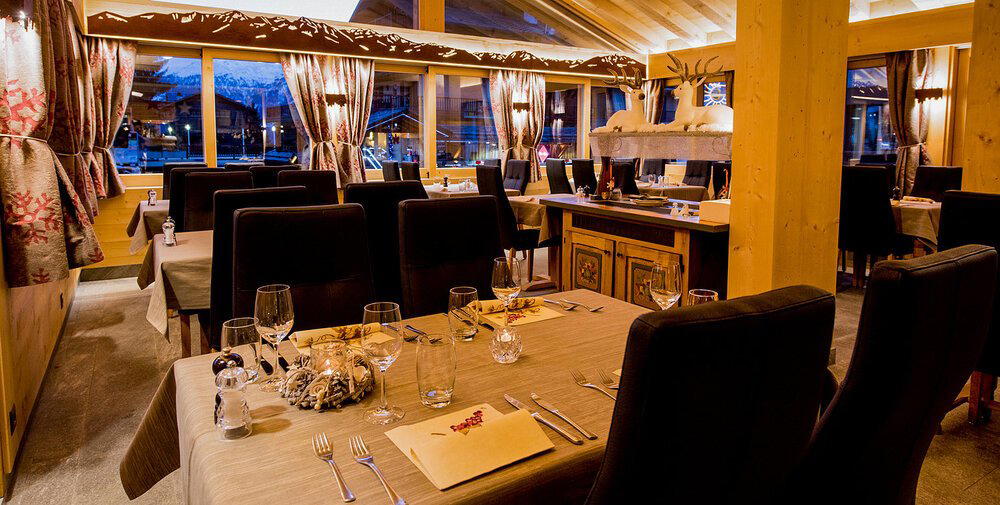
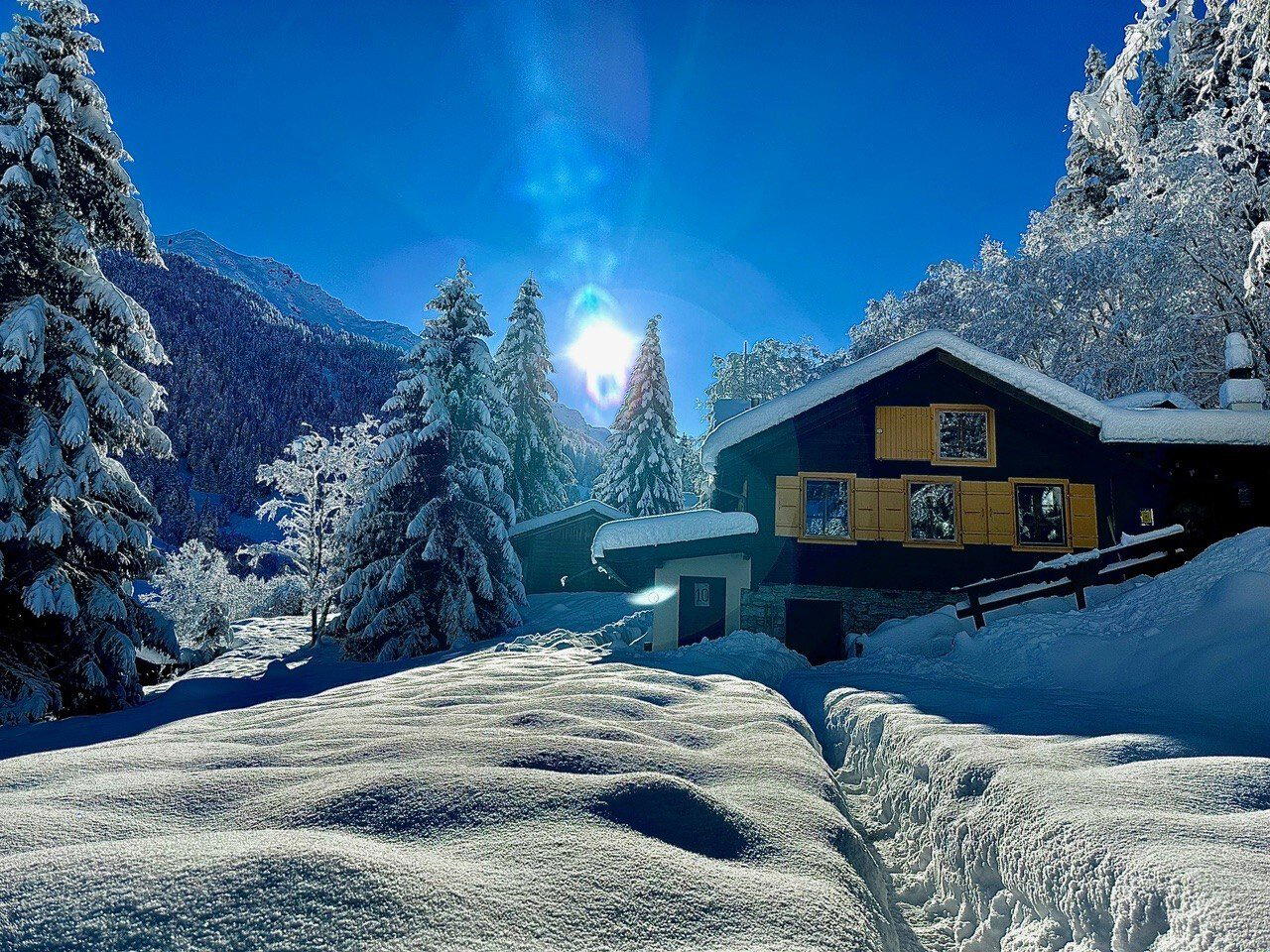
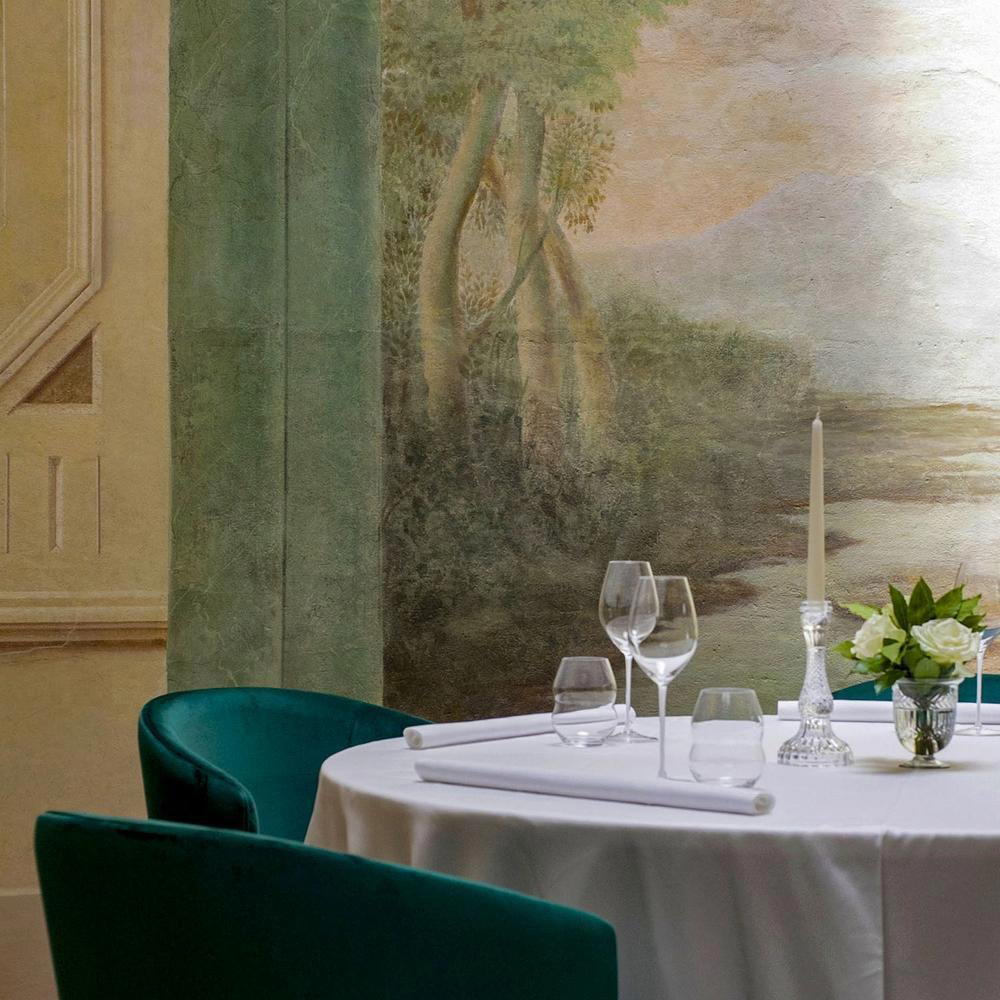
Contemporary and comfortable with cozy yet elegant Swiss style, south-facing terraces for optimal sunshine, and relaxing thermal wellness atmosphere.