← Guides
Getting Access to Giacomo Conterno: Allocation, Cellar Visits, and Realistic Alternatives Giacomo Conterno does not operate a public cellar door.
Getting Access to Giacomo Conterno: Allocation, Cellar Visits, and Realistic Alternatives Giacomo Conterno does not operate a public cellar door.
Giacomo Conterno does not operate a public cellar door. There is no tasting room, no booking page, no Resy link. The estate in Monforte d'Alba produces one of Barolo's most sought-after wines, the Monfortino Riserva, produced in around 600 cases in most vintages,1 and it guards access accordingly. For most visitors to the Langhe, the cellar stays shut. The realistic route in is either a trade or press relationship, a connection through a serious Italian wine merchant, or the patience to build a purchase history that eventually earns a private invitation. If none of those apply, the Serralunga d'Alba approach described below is the practical alternative.
Giacomo Conterno's Monfortino Riserva is released only in vintages Roberto Conterno judges worthy, years pass between releases, and when bottles do appear, they move through a tight network of long-standing importers and private clients before most collectors hear about them. The estate produces on average 600 cases of Monfortino and 1,500 cases of Cascina Francia from approximately 9 hectares of Nebbiolo;2 the wine's minimum aging period in large Slavonian oak casks means the production cycle itself compresses supply, a single decision not to release a vintage removes thousands of bottles from the market permanently.
Roberto Conterno runs the estate and farms the Cascina Francia vineyard in Serralunga d'Alba, a single parcel of Nebbiolo on the commune's characteristically compact, Helvetian limestone-and-clay soils. Conterno acquired the Arione vineyard in Serralunga from Gigi Rosso in 2015. Total production remains small by any measure. The Monfortino is not a wine you find on a shelf; it surfaces at auction, through allocation from a handful of specialist importers, and occasionally through the secondary market at prices that reflect its scarcity.
Demand is compounded by critical consensus. The Monfortino consistently draws scores in the high 90s from Antonio Galloni at Vinous and from the Wine Advocate, and it appears regularly on lists of Italy's most cellar-worthy reds. Collectors who track Liv-ex data will note that Conterno trades at a premium to most other Barolo producers on the secondary market. That combination, tiny production, notable-vintage-only releases,1 long aging, critical acclaim, no public access, means the allocation list is effectively closed to new entrants without an existing relationship.
There are three realistic routes, ranked by probability:
Specialist importer allocation. In the United States, Rare Wine Co.2 and a small number of other fine-wine importers hold allocations of Conterno wines. Building a purchase history with one of these merchants, buying the Cascina Francia Barolo consistently over several vintages, is one reliable path to being offered Monfortino when it releases. Importers allocate scarce bottles to clients who have demonstrated commitment to the producer across the range.
Auction and secondary market. Christie's, Hart Davis Hart, Acker, and Sotheby's Wine all handle Conterno regularly. The 2013 Monfortino is priced at $1,195.00 (750ml) and $2,450.00 (1.5L) at Rare Wine Co.,2 and Sotheby's estimated a 3-litre double magnum of the 2006 at 2,600 to 3,200 GBP.3 For collectors who want the wine in their cellar now rather than waiting for an allocation cycle, this is one direct route. Verify provenance carefully, Conterno's long aging means bottles have often passed through multiple hands.
Trade and press access to the cellar. Roberto Conterno does receive trade visitors and journalists, but this is arranged through importers and press contacts, not through any public booking channel. If you have a relationship with a serious Italian wine importer or a wine publication, that is the channel to draw on. Otherwise, this route is effectively closed.
Confirm any access inquiry directly with your importer or, if you have a trade relationship, through the estate's commercial contacts, the specific mechanics are not publicly documented.
Because Monfortino is produced only in notable vintages,1 the release calendar is irregular by design. Importers typically receive allocation offers before any public announcement; by the time a release appears in trade press, the primary allocation is often spoken for.
The practical seasonal calendar for collectors: watch importer newsletters and specialist merchant communications in the autumn and early winter, when Italian producers traditionally present new releases to the trade. Auction appearances tend to follow some months after a primary release, as early buyers move bottles they acquired speculatively. If you are building toward a cellar visit rather than a bottle purchase, the quieter months of January through March, after harvest tourism has subsided and before the spring Vinitaly cycle, are when the Langhe is least crowded and when producers occasionally have more time for serious visitors.
Harvest season (late September through October in Serralunga) brings the region to life, but it is also when Roberto Conterno is least available for anything other than the vineyard. Plan a Serralunga visit for spring or late winter if a cellar conversation is the goal.
The money-versus-time tradeoff here is unusually stark. On the secondary market, a bottle of Monfortino Riserva carries prices that reflect its scarcity and critical standing: the 2019 Monfortino is listed at $999.00 per 750ml at Flatiron Wines NYC,4 while European pricing for the same vintage runs approximately €2,000 per bottle.5 Through primary allocation via an importer, prices are lower, but establishing the purchase history that earns an allocation offer takes time, measured in vintages, not months.
The Cascina Francia Barolo is not a consolation prize. It is made from the same Serralunga vineyard, aged in the same large Slavonian oak tradition, and released on a more regular schedule. Rare Wine Co. prices the 2016 Cascina Francia at $345.00, the 2018 at $235.00, and the 2020 at $275.00,2 serious Serralunga Barolo at a fraction of Monfortino's secondary-market cost. Buying it consistently serves two purposes: it builds the importer relationship that eventually yields Monfortino access, and it puts genuine Serralunga Barolo in your cellar in the meantime.
For those who want the cellar visit rather than just the bottle: one direct path is through a U.S. or European importer who has an existing relationship with Roberto Conterno. Frame the request as a trade or serious collector visit, not a tourist inquiry. The estate is not hostile to visitors, it simply does not have the infrastructure for walk-ins, and Roberto Conterno's time is finite.
The estate sits on the edge of Monforte d'Alba, though its vineyards are in Serralunga, a distinction that matters to anyone who has driven the ridge road between the two communes and felt the shift in the landscape. The cellar itself is functional rather than theatrical: large Slavonian oak casks dominate the aging room,2 the kind of botti that have defined traditional Barolo production for generations. There is no visitor center, no tasting flight menu, no retail shelf.
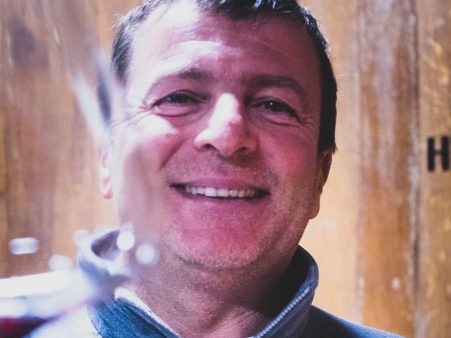
Visits arranged through trade channels typically involve tasting from barrel or from recently released bottles with Roberto Conterno present. He is known as a precise, technically exacting producer, conversations tend toward viticulture and aging decisions rather than marketing narratives. The Cascina Francia vineyard's Helvetian soils, with their compact limestone and clay, produce a Nebbiolo of notable structure and longevity; tasting a young Monfortino from cask, if the timing allows, is an exercise in patience, the wine is closed, tannic, and built for decades rather than years.
The experience is not curated for comfort. It is a working cellar visit with a producer who takes the wines seriously and expects the same from visitors. Come with specific questions about the vineyard, the vintage decisions, the aging regime. Roberto Conterno has spoken in trade contexts about the differences between the estate's Serralunga parcels, and those comparisons illuminate what Cascina Francia's specific terroir contributes.
Confirm specifics directly with your importer contact before planning travel around a cellar appointment.
| Producer / Experience | Access Difficulty | How to Book | What You Get | Allocation Route |
|---|---|---|---|---|
| Giacomo Conterno (cellar visit) | high, trade/press only | Via importer relationship; no public booking | Working cellar, barrel tasting if timed right | Importer allocation; secondary market |
| Cappellano (Serralunga) | High, appointment only, small production | Direct contact via importer; limited public visits | Traditional Barolo cellar; Pie Rupestris and Piè Franco bottlings | Specialist importer allocation |
| WiMu Wine Museum, Barolo village | Low, public, ticketed | Walk-in or advance ticket; publicly bookable | Regional Barolo context, rotating producer tastings | N/A, retail and tasting only |
| Enoteca Regionale del Barolo | Low, public tasting room in Barolo castle | Walk-in; no reservation required | Broad producer range by the glass; retail purchase | N/A, retail only |
| Vietti (Castiglione Falletto) | Medium, appointment preferred, more visitor infrastructure | Direct booking via estate website | Structured tasting, cellar tour, Rocche and Brunate crus | Importer allocation; estate mailing list |
For the Serralunga experience specifically, the commune's iron-rich, compact soils and the particular austerity they give to Nebbiolo, Cappellano is the closest spiritual parallel to Conterno. The estate produces Barolo in the same uncompromising traditional style, with long maceration and large-cask aging, and visits are possible through importer contacts. The wines are even scarcer than Conterno's in some markets.
The Enoteca Regionale del Barolo in the village of Barolo offers something Conterno cannot: a broad, walk-in tasting of wines from across the appellation, including older vintages from producers who don't receive visitors. For a collector building knowledge of how Serralunga compares to La Morra or Castiglione Falletto, an afternoon there is more instructive than most cellar visits.
Vietti in Castiglione Falletto has invested in visitor infrastructure and offers structured tastings of their single-vineyard Barolos, Rocche, Brunate, Lazzarito, with advance booking through their website. The style is more approachable than Conterno's, but the quality of the crus is serious, and the visit is genuinely informative about how different Barolo communes express Nebbiolo differently.
The cellar visit is for collectors and trade professionals who already have a relationship with a Conterno importer and are visiting the Langhe with a specific purpose, deepening knowledge of Serralunga terroir, tasting a current vintage from cask, or building the personal connection that reinforces an allocation relationship. It is not for first-time Barolo visitors or for anyone expecting a curated hospitality experience.
The allocation chase is for collectors with a long horizon. Monfortino is not a wine to open speculatively within a few years of purchase; it is produced only in notable vintages after extended cask aging,1 and most serious collectors hold it for a decade or more after release. If your cellar horizon is shorter, the Cascina Francia Barolo is the more practical entry point, and a genuinely serious wine in its own right. The estate's Cerretta bottling, priced at $379.99 per 750ml at Flatiron Wines NYC,6 offers another entry point into the Conterno range for collectors building a purchase history.
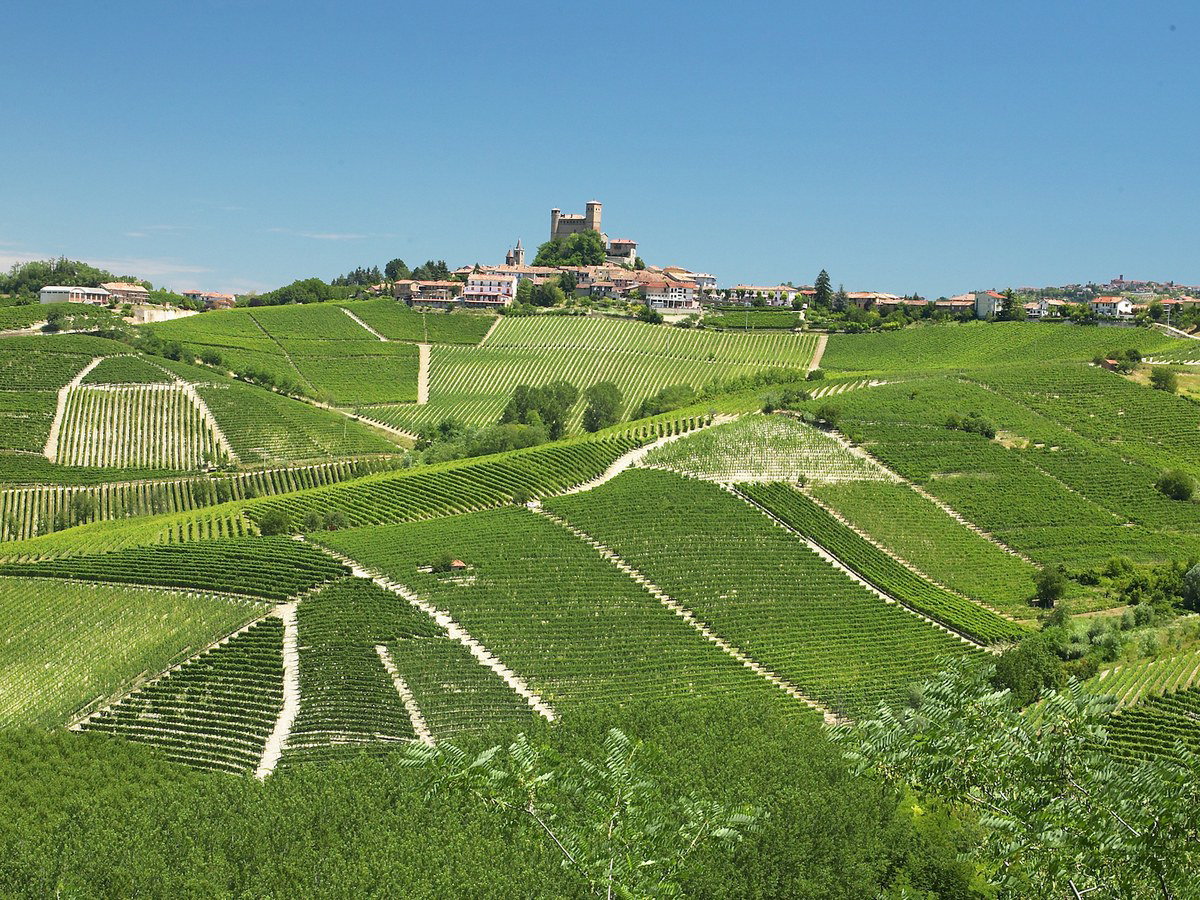
The Serralunga day, driving the ridge, tasting at the Enoteca, walking the village, is for anyone who wants to understand why this particular corner of the Langhe produces Barolo of such density and longevity. You don't need a cellar appointment for that. The landscape does the explaining.
For the bottle: yes, but through the right channel. The secondary market delivers Monfortino immediately, at prices set by its rarity and reputation, the 2010 Monfortino trades at $2,100.00 (750ml) and $4,500.00 (1.5L) at Rare Wine Co.2 The primary allocation route, building a purchase history with a specialist importer over several vintages of Cascina Francia, takes longer but yields bottles at better prices and with cleaner provenance. Both routes are legitimate; the choice depends on your timeline and your tolerance for auction risk.
For the cellar visit: most collectors will never get one, and that is not a failure of effort. Roberto Conterno runs a small, serious estate without a hospitality infrastructure, and his time is finite. The visit, when it happens, is worth the effort, a working cellar conversation with one of Barolo's most technically rigorous producers, in a commune whose soils you can feel in every glass of Monfortino. But it requires a trade or importer relationship, not a booking page.
The allocation list is the only route that reliably works for most collectors outside the trade. Start with the Cascina Francia Barolo, buy it consistently through a specialist importer, and let the relationship develop at its own pace. Monfortino rewards patience, in the cellar and in the chase, and that patience is, in the end, what separates the collectors who drink it from those who merely read about it.
In practice, no. The estate does not operate a public tasting room or publish a visitor booking channel. Cellar visits are arranged through importer and trade relationships. If you do not have an existing connection with a Conterno importer, the realistic alternative is to contact a specialist Italian wine merchant and ask whether they can facilitate an introduction, but there is no guarantee, and the estate's capacity for visitor appointments is limited.
The practical route is to build a purchase history with a specialist importer who holds a Conterno allocation, typically by buying the Cascina Francia Barolo consistently over multiple vintages. Importers allocate scarce bottles to clients who have demonstrated sustained commitment to the producer. The timeline is measured in years, not months.
Monfortino is released only in vintages Roberto Conterno judges worthy, after extended aging in large Slavonian oak casks. Importer newsletters and specialist merchant communications are particularly reliable early signals; by the time a release appears in general trade press, primary allocation is often already committed. Verify timing directly with your importer.
Yes, in two senses. As a wine, the Cascina Francia Barolo is made from the same Serralunga vineyard and aged in the same large-cask tradition, it is a serious Barolo in its own right, not a second wine in the diminutive sense. As an allocation strategy, buying it consistently is one reliable path to eventually being offered Monfortino. It is also more regularly available through specialist importers than the Riserva.
Late winter and early spring, January through March, are when the Langhe is quietest and producers occasionally have more availability for serious visitor conversations. Harvest season (late September through October) is when Roberto Conterno is least available. Any appointment must be arranged through an importer contact regardless of timing. Confirm availability directly before planning travel.
Get the App
Take the shortlist into the En Primeur Club app for concierge access, saved places, and the next step after discovery.
Get Exclusive AccessMore from the editors