What a Visit to Château Margaux Actually Involves
Yes, you can visit Château Margaux, but not by showing up at the gate.
Yes, you can visit Château Margaux, but not by showing up at the gate. The estate receives guests by appointment only, and those appointments are not publicly bookable online. For most collectors, the realistic route is a direct written request to the château's hospitality team, submitted well in advance, with a credible reason to visit. Château Margaux prioritizes trade professionals;1 private enthusiasts do get in, but the bar is higher and the calendar fills quickly.
Why the Gates at Margaux Stay Largely Closed
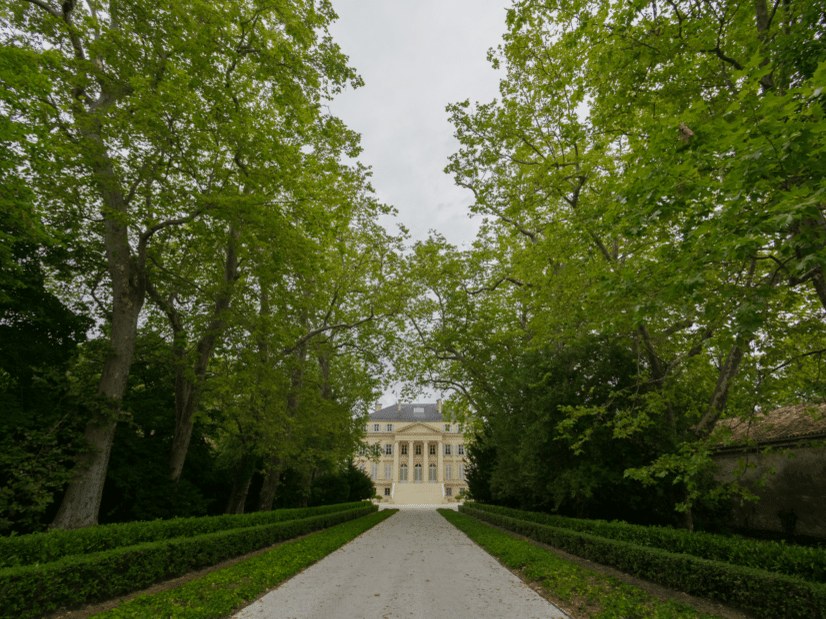
The grand entrance drive of Château Margaux leads to its distinctive Palladian neoclassical façade.
First Growths such as Château Margaux do not typically welcome visitors,2 and the operational logic is direct. The estate sits at the apex of the 1855 Classification as a Premier Grand Cru Classé, and that status means every allocation, every barrel sample, and every cellar visit carries weight far beyond a simple tasting. Visits are at the estate's own discretion,2 not a service the château is obliged to provide. The property is a working estate in the Margaux appellation, with the cellar team focused on producing the grand vin, Pavillon Rouge, and the white Pavillon Blanc, three wines with three distinct audiences and three distinct allocation pressures. The cellar team is not running a visitor center. They are making wine. That operational reality shapes access. The château does not publish a public booking portal, does not list on platforms like Viator or GetYourGuide for cellar tours, and does not operate a tasting room in the conventional sense. Visits are curated, not commoditized.
The Channels That Actually Work
Direct written request to the estate. The primary route is email or letter to Château Margaux's hospitality or communications team. The château can be reached by phone at +33 (0)5 57 88 83 83,3 and its official contact details are available through its website at chateau-margaux.com. State your professional context (collector, trade, journalist, importer), your proposed dates, and, critically, your connection to the wines. A request that mentions your merchant, your allocation history, or a specific vintage you've followed carries more weight than a general inquiry. Through your négociant or merchant. If you buy Margaux through a Bordeaux négociant, CVBG, Millésima, Bordeaux Index, or a fine wine merchant with Place de Bordeaux access, ask them to facilitate an introduction. Négociants with active commercial relationships at the château can often arrange visits for serious clients. This is the channel insiders use most reliably, and it works because it signals commercial seriousness before you arrive. En primeur week (La Semaine des Primeurs). During the en primeur period in late April, many Bordeaux châteaux only welcome wine trade professionals.4Château Margaux participates. Access during primeurs is almost entirely trade-only, accredited journalists, négociants, and importers, but if you have a press credential or a trade affiliation, this is the highest-quality access available: barrel samples of an unreleased vintage, tasted in the chai itself. Confirm exact dates directly with the Union des Grands Crus de Bordeaux, which coordinates the schedule. Bordeaux wine tourism operators. A small number of specialist operators, Bordeaux Saveurs, Bordeaux Wine Tours, and similar, maintain relationships with estates and can occasionally arrange private visits for groups. These are not guaranteed, and Château Margaux is among the harder estates to access this way, but for visitors without trade connections, a reputable operator is worth contacting.
When the Calendar Opens, and What Isn't Published
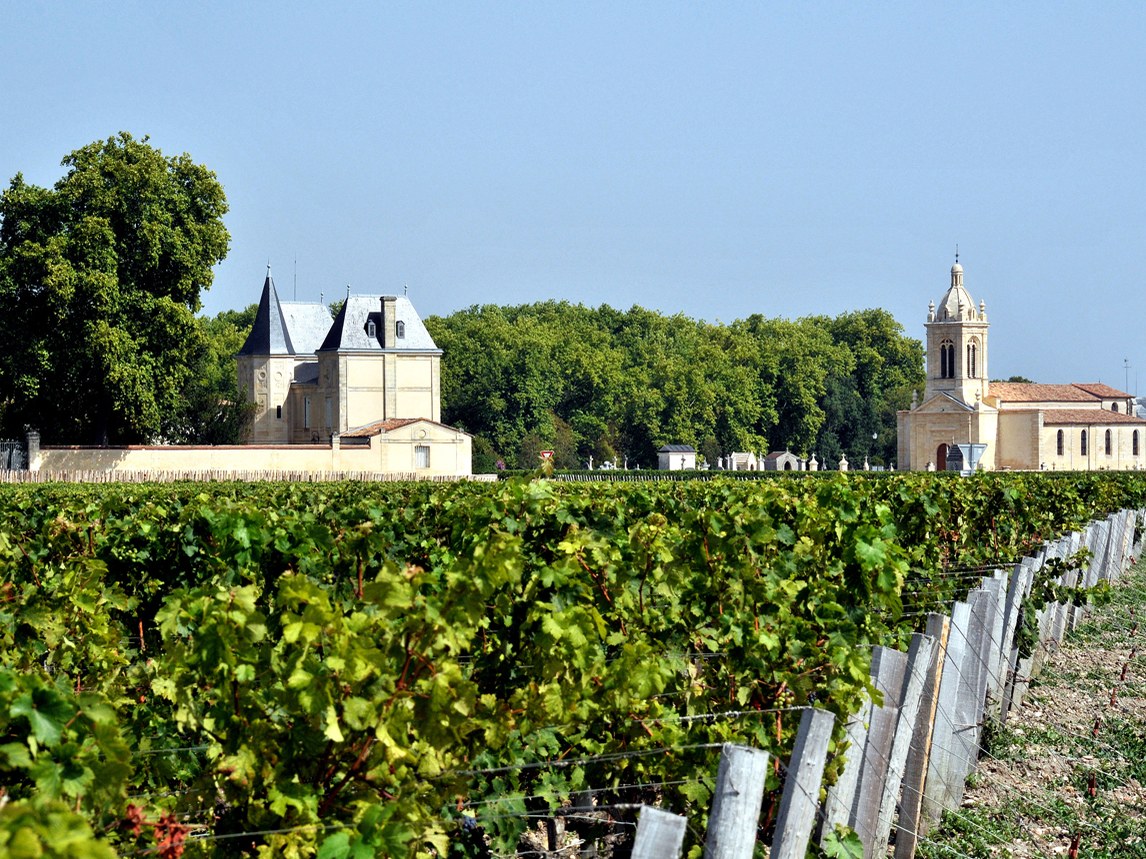
The vineyards of Margaux appellation, with a French château and church visible in the background. Château Margaux does not publish a public booking calendar, a release window, or a drop time for visit slots. Appointments for visits at Bordeaux châteaux should ideally be booked three to nine months ahead of time,4 and the estate does not confirm how far in advance requests should be submitted beyond that general Bordeaux norm. The château does not publish its visit capacity, the number of appointments available per week, or any deposit or fee structure for private visits. If you are planning travel around a confirmed appointment, verify all logistics directly with the estate before booking flights, since it does not publish these mechanics.
What Insiders Do Differently, and the Mistakes That Cost Access
What insiders do: Collectors who visit Margaux regularly tend to build the relationship through the bottle first. They buy through a single merchant with Place de Bordeaux access, they participate in en primeur campaigns for multiple consecutive vintages, and they ask their merchant to flag their interest in a visit as a standing request, not a one-time ask. When a slot opens, the merchant already knows to call. A second behavior: insiders visit during quieter months. January, February, and early March, before primeurs season, are lower-traffic periods when the cellar team has more bandwidth. Contacting the estate two to three months ahead2 during these windows gives requests a better conversion rate than August or October inquiries. Third: insiders arrive with a specific question. "I'd like to understand the 2018 and 2019 barrel selection process" is a visit that the winemaking team finds worth their time. "I'd like to taste the wines" is a visit that competes with every other tourist request. Mistakes that cost access: 1. Requesting a visit without a stated connection. A cold email from an unknown address with no merchant relationship, no trade credential, and no specific vintage interest reads as a tourist inquiry. It goes to the bottom of the pile, or doesn't get answered. 2. Requesting during harvest or primeurs. September, October, and April are the worst months to ask. The team is either harvesting or hosting the global trade. Your request will be deprioritized. 3. Asking for a "tasting" rather than a "visit." The framing matters. Château Margaux is not a tasting room. Requests framed around professional interest, cellar architecture, or a specific technical question land differently than requests framed around drinking the wine. 4. Not following up. A single unanswered email is not a no. A polite follow-up two weeks later, referencing your original request, is standard practice and often the message that gets a response.
Cost Breakdown
Château Margaux does not publish a fee schedule for private visits, and no pricing for cellar appointments is published. The visit itself may be complimentary for trade guests or established clients, this is common practice among first growths, but the estate does not confirm this publicly. Verify any cost directly with the château when your appointment is confirmed. The real cost of access is upstream: building the allocation relationship. En primeur purchases of Château Margaux's grand vin are priced through the Place de Bordeaux; prices vary by campaign and merchant. Pavillon Rouge, the second wine, offers a lower entry point into the same allocation ecosystem, and buying it consistently signals genuine engagement with the estate.
Inside the Chai: What a Margaux Appointment Actually Looks Like
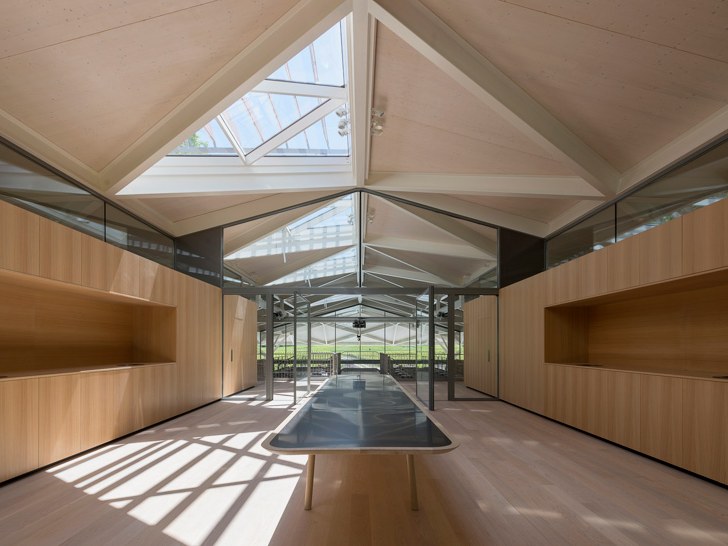
The Norman Foster-designed Nouveau Chai at Château Margaux features a pitched roof punctuated by skylights and supported by tree-shaped steel columns.
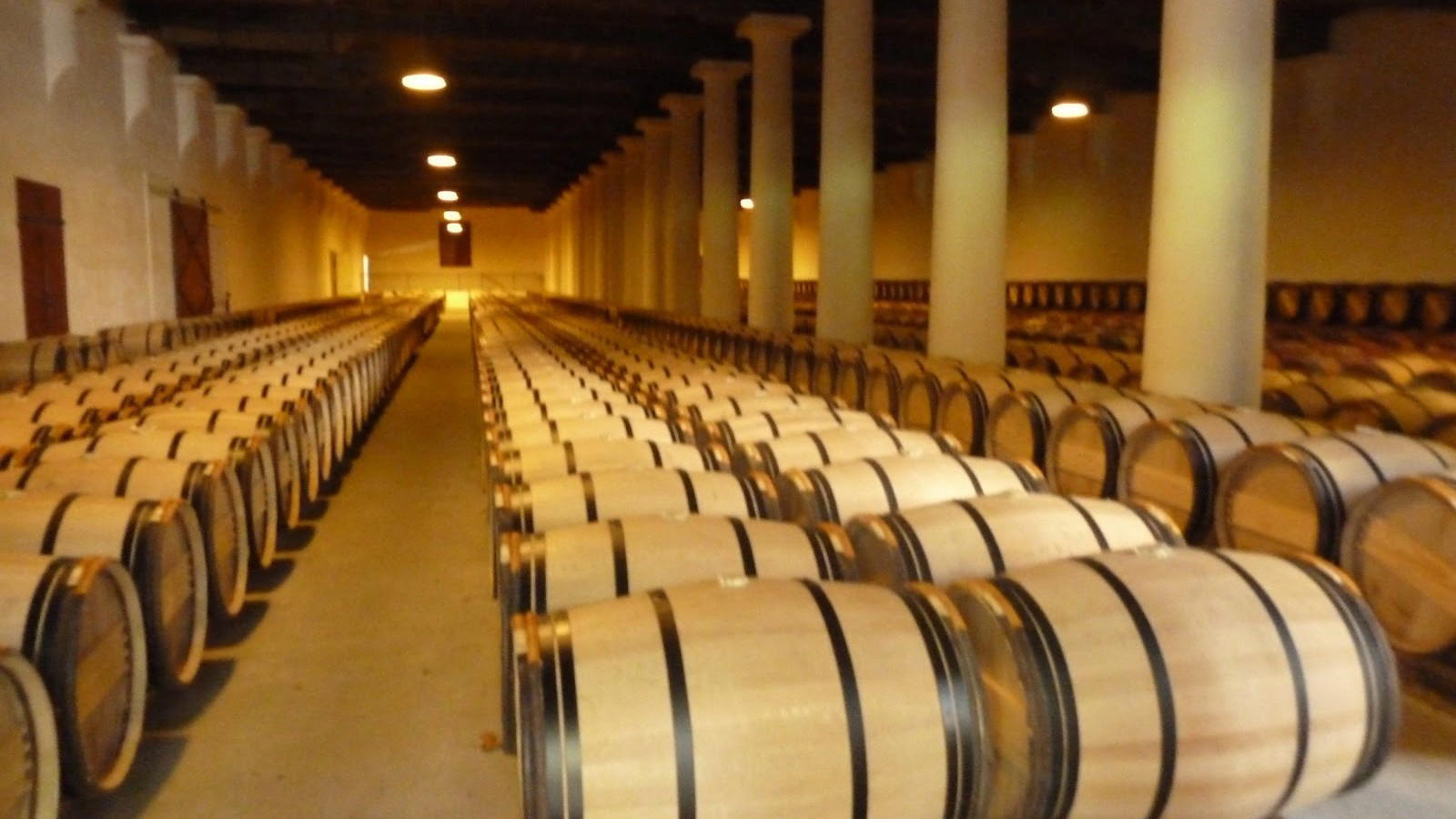
The Norman Foster-redesigned cellars at Château Margaux, completed by 2015, are open to scheduled visitation,5 and they are the architectural centerpiece of any appointment. A private visit typically begins at the estate's Palladian mansion, the neoclassical structure that anchors the property visually and historically. Guests are received by a member of the hospitality or communications team. The visit moves through the first-year and second-year chais, the barrel halls where the grand vin and Pavillon Rouge age in French oak. The first-year chai, with its double row of barrels stretching the length of the building, is among the more photographed cellar spaces in Bordeaux. The scale is architectural: the ceiling height, the symmetry, the smell of new oak in season. Tastings, when offered, typically include Pavillon Rouge and Pavillon Blanc alongside the grand vin, though the specific wines poured depend on the vintage cycle and what the team chooses to show. Barrel samples during primeurs are one technically interesting format, you are tasting a wine that does not yet exist in bottle, and the conversation around it is the point. The duration of a private visit is not published by the estate. The experience is not a structured tour with a fixed script; it is a conversation, and the quality of that conversation depends heavily on what you bring to it.
Château Mouton Rothschild in Pauillac operates a wine museum, the Musée du Vin dans l'Art, that is accessible to visitors without a trade credential, making it particularly open of the first growths for private enthusiasts. Cellar access remains trade-focused, but the museum visit alone is worth the detour. Château Lynch-Bages, a fifth growth in Pauillac, has invested heavily in wine tourism through the Bages village project. Access is meaningfully easier than at the first growths, and the quality of the visit, including the Cordeillan-Bages restaurant on the property, is high. Château Palmer in Margaux, a neighbor to the first growth, has a reputation for thoughtful hospitality and biodynamic viticulture. The Alter Ego de Palmer is one of the appellation's most serious second wines.
Who Should Make the Effort
A visit to Château Margaux rewards collectors who are already engaged with the wines, who have followed multiple vintages, who can hold a conversation about the 2015 versus 2016 growing seasons, and who have a merchant relationship that gives the request credibility. It is not the right first stop for someone new to Bordeaux; the estate is not set up to educate beginners, and the appointment process will reflect that. The stronger occasions: a dedicated Bordeaux trip built around primeurs week in April, a milestone birthday or anniversary for a collector who has cellared Margaux for years, or a professional visit for a sommelier or buyer building a first-growth reference library. If you are visiting Bordeaux for the first time and want a cellar experience that is both accessible and high-quality, Lynch-Bages or Château Smith Haut Lafitte, which operates the Les Sources de Caudalie hotel and spa on the property, will give you more for less effort.
Worth the Chase?
For the right visitor, yes, but the chase itself is the qualification. Visits to Bordeaux châteaux are only by appointment and depend on the château's availability,2 and at Margaux, that availability is shaped by commercial and professional relationships, not public demand. The allocation list is the only route that reliably compounds into access over time. Buy Pavillon Rouge through a merchant with Place de Bordeaux access, participate in en primeur campaigns, and let your merchant know you would welcome a visit whenever a slot opens. That sequence, built over two or three vintages, is what converts a cold email into a confirmed appointment. For collectors who cannot or do not want to build that relationship, Château Mouton Rothschild's museum and Lynch-Bages's open hospitality model offer first-growth-adjacent experiences without the gatekeeping. They are not Margaux, but they are genuinely worth your time in the Médoc. The grand vin rewards patience in the cellar and patience in the pursuit, the two are not unrelated.
Frequently Asked Questions
Can you visit Château Margaux without a trade connection?
Yes, but it is harder. Private collectors without a trade credential can request an appointment directly through the château's website contact form or by email, but the estate prioritizes négociants, importers, and accredited press. Having a merchant relationship, even as a private buyer, strengthens the request considerably. Frame your inquiry around a specific professional or collecting interest rather than a general tasting request.
How far ahead should you request a Château Margaux appointment?
Château Margaux does not publish a booking lead time. For Bordeaux châteaux generally, three to nine months ahead is the recommended window. Avoid requesting during harvest (September, October) and en primeur (April) periods, when the team is at full operational intensity. Confirm all logistics directly with the estate before booking travel.
Does Château Margaux charge a fee for cellar visits?
The estate does not publish a fee schedule for private visits. Visits for trade guests and established clients are often complimentary at first-growth estates, but Château Margaux does not confirm this publicly. Verify any cost directly with the château when your appointment is confirmed.
Which wines does Château Margaux pour during a private appointment?
The specific wines poured depend on the vintage cycle and what the team chooses to show. Visits typically include Pavillon Rouge and Pavillon Blanc alongside the grand vin. During en primeurs week in April, barrel samples of the recent vintage may be available, one technically interesting format, but access during primeurs is almost entirely restricted to accredited trade and press.
Is Château Margaux open to visitors during Bordeaux en primeur week?
En primeurs access at Château Margaux is trade-only, accredited journalists, négociants, and importers. The Union des Grands Crus de Bordeaux coordinates the schedule each April; confirm exact dates and accreditation requirements directly with the UGCB. Private collectors without a trade credential are not typically admitted during this period.