← Guides
Viña Vik in Chile's Millahue Valley claimed the No. 1 spot on The World's 50 Best Vineyards 2025 list, rising from No. 2 in 2024, a rare New World victory combining 327 hectares of vineyards with 22 themed suites.
Viña Vik in Chile's Millahue Valley claimed the No. 1 spot on The World's 50 Best Vineyards 2025 list, rising from No. 2 in 2024, a rare New World victory combining 327 hectares of vineyards with 22 themed suites.
From the glass-walled tasting rooms of Chile's Millahue Valley, Viña Vik now has the wine world's brightest spotlight: the No. 1 place at The World's 50 Best Vineyards event, held last November in Western Australia's Margaret River region. The estate had been ranked No. 2 in 2024 before taking the top position in 2025. Co-founder Alexander Vik, speaking at the ceremony, put the moment simply: "There are hundreds of thousands of vineyards in the world, so to be number one feels amazing. It is the culmination of so much passion and hard work."
What earned the attention is unusually complete: 327 hectares of vineyards across 12 distinct microclimates, a Smiljan Radic-designed winery beneath a floating bronzed titanium roof, and a 22-suite luxury hotel that brings collectors and travelers close to the source. If you are sketching a 2026 wine itinerary, VIK now sits where limited-production Chilean bottles meet a full estate stay, with the vineyards, cellar, restaurant, and rooms all part of the same conversation.
The World's 50 Best Vineyards list, announced annually, has no pre-determined checklist of criteria except that the vineyard must be open to the public. Viña Vik 's climb from No. 2 in 2024 to No. 1 in 2025 reflects how confidently the estate now delivers all three. The property spans 4,450 hectares, a nature reserve larger than many European appellations, with 327 hectares planted to vine across 12 microclimates. That sweep gives winemaking CEO Gaston Williams and chief winemaker Cristian Vallejo fruit from distinct terroirs within one estate, from cool-climate hillsides to warmer valley floors.
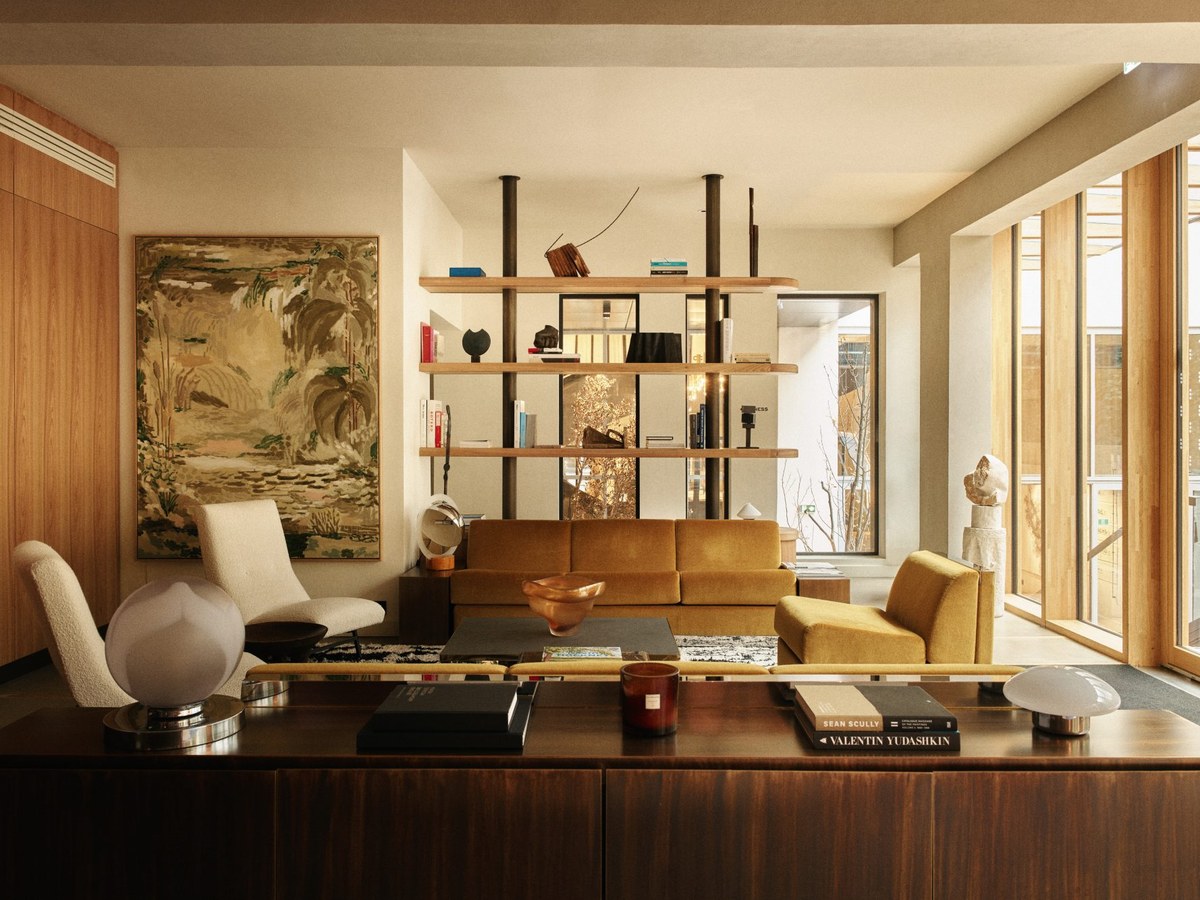
The hospitality is not an afterthought attached to a cellar door. VIK Chile, the on-site hotel, offers 22 themed suites and seven private bungalows, each designed around views of the Andes and the couple's private art collection.
Guests move between glass-walled tasting rooms, a cellar framed by sculptural installations, and Milla Milla, the estate's signature restaurant with broad valley views. A day might mean horse riding, trekking, mountain biking through the vineyards, or lingering over wine-led dining.
Staying among the working vines gives visitors the kind of direct access most estates can only hint at through a tasting-room appointment.
Alexander and Carrie Vik, who met as students at Harvard Business School, spent much of their careers building companies and upscale wellness retreats before entering winemaking. In 2004, they ended a two-year search for "the best terroir" when they found Millahue, where a mosaic of microclimates offered the growing conditions they sought.
Carrie describes their approach through the act of making: "We love to create.
Love to create businesses, love to create art, love to create design." That instinct runs through the winery itself, designed by architect Smiljan Radic to sit into the hillside using natural light and a water mirror to cool the barrel room, while the floating bronzed titanium roof takes inspiration from Frank Gehry and Richard Serra.
VIK's 4,450-hectare footprint places it among the largest wine estates in the Southern Hemisphere. The 327 hectares of vineyards are planted across 12 distinct microclimates, each shaped by elevation, slope orientation, and soil composition.
That range lets the winemaking team draw Cabernet Sauvignon, Carmenère, Syrah, and other Bordeaux varieties from parcels that ripen at different speeds, creating blending options a single-vineyard estate cannot easily match.
The estate's winemaking philosophy, overseen by Williams and Vallejo, centers on hand-harvested grapes and natural fermentation, the non-negotiables that guide production.
The winery building, designed by Smiljan Radic, uses architectural elements to regulate temperature and light without mechanical intervention. A water mirror cools the barrel room, while the floating bronzed titanium roof, inspired by Frank Gehry and Richard Serra, reflects heat during the day and radiates it at night.
The design settles the structure into the hillside, reducing visual impact while sharpening its practical purpose. For visitors, the building works as both winery and exhibition space, with sculptural installations framing the cellar and tasting rooms.
The architectural idea is clear: let the site lead the design, not the other way around.
The estate's portfolio keeps moving. Stone VIK, a forest-aged natural wine, shows the estate's appetite for experiments beyond traditional Bordeaux blends. A new white wine will soon join the range, extending the lineup beyond its red focus.
Production remains limited relative to the estate's size, since 327 hectares of vineyards typically yield fewer bottles per hectare than densely planted European appellations, reflecting the estate's preference for quality over volume. For collectors, the No.
1 ranking is likely to tighten allocation access as demand for the estate's wines rises after the award. The 12-microclimate system means each vintage draws from a different parcel mix, so vertical tastings become a study in site expression rather than a search for stylistic sameness.
VIK Chile, the estate's 22-suite hotel, puts you inside the rhythm of the winemaking operation. The 22 themed suites and seven private bungalows frame wide-horizon views of the Andes and the couple's private art collection, with interiors conceived around the surrounding vineyards and mountains. Each suite serves as a base for multi-day stays, with activities from vineyard treks to cellar tastings. Milla Milla, the estate's signature restaurant, gives guests a culinary anchor, with menus built around the estate's organic garden and wine pairings drawn from the cellar.
The hotel's design philosophy follows the winery's architectural language: natural materials, a light hand on the landscape, and close attention to the surrounding terrain. Guests can shape their days around horse riding, mountain biking through the vineyards, or simply settling into wine-led dining.
The estate's scale allows for private experiences that larger hospitality properties struggle to offer: tastings in the barrel room, guided walks through specific vineyard parcels, or meals prepared with ingredients from the on-site organic garden.
For travelers who value direct access to winemakers and production facilities, the hotel offers an immersion that a day-visit tasting room cannot provide.
The seven private bungalows add another layer of seclusion for guests seeking distance from the main hotel structure, with each positioned to maximize Andes views while preserving privacy from neighboring accommodations.
A wellness center is currently under development, shaped by the belief that "wellness starts in nature" and supported by the estate's organic garden. The addition will broaden the property's appeal beyond wine-focused travelers, positioning VIK as a destination for wellness-oriented stays that pair vineyard access with spa services.
Carrie Vik describes the estate's evolution as driven by "good people, passion and innovation," a philosophy that runs from winemaking to hospitality design.
The wellness center will join the 22 suites, seven bungalows, and Milla Milla restaurant as part of the estate's growing hospitality offering, with each element designed to keep guests longer than the typical one-night vineyard visit.
The estate's winemaking operation, overseen by CEO Gaston Williams and chief winemaker Cristian Vallejo, focuses on Bordeaux varieties planted across the 12-microclimate vineyard system.
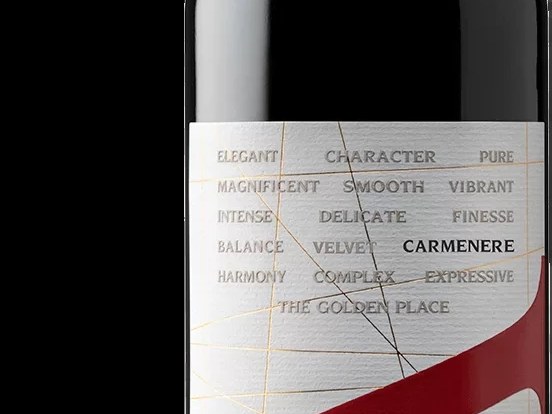
Hand-harvested grapes and natural fermentation remain non-negotiables, with the winemaking team blending parcels from cool-climate hillsides and warmer valley floors to build layered, site-expressive wines.
The flagship red blends draw from Cabernet Sauvignon, Carmenère, Syrah, and other varieties, with each vintage reflecting the growing conditions of that year's harvest.
The 12-microclimate system means Williams and Vallejo can source from parcels that ripen weeks apart, building complexity through blending rather than depending on a single harvest window.
Stone VIK, the estate's forest-aged natural wine, steps away from traditional Bordeaux blends. The wine ages in forest conditions rather than temperature-controlled cellars, allowing ambient temperature changes to influence the aging process.
For collectors, the wine offers a way into the estate's experimental side, apart from the flagship blends that anchor the portfolio. A new white wine will soon join the range, expanding the estate's offerings beyond its red-focused lineup.
The addition fills a gap in the portfolio, as most Chilean estates in the Millahue Valley prioritize red varieties over whites. The white's arrival will show whether the estate's 12-microclimate system can bring the same parcel-driven complexity to white varieties that it achieves in reds.
The No. 1 ranking on The World's 50 Best Vineyards list is likely to tighten allocation access for the estate's limited-production bottles. Collectors who previously secured allocations through direct channels may face longer waitlists as demand rises after the award.
For travelers, a stay at VIK Chile offers another route: guests gain access to the estate's wines through on-site tastings and purchases, away from the allocation queues that constrain off-site buyers. The estate stay rewards visitors with direct access to new releases and library vintages.
The 22 suites and seven bungalows effectively function as an allocation tier, giving guests who book multi-night stays access to wines that off-site collectors cannot source through traditional channels.
Viña Vik sits in Chile's Millahue Valley, a region less traveled than Maipo or Colchagua but close enough to Santiago and open to Andean terrain. The estate's 22 themed suites and seven private bungalows accommodate guests for multi-day stays, with activities ranging from vineyard treks to cellar tastings.
Booking the hotel provides direct access to the winery, with guided tours, barrel tastings, and meals at Milla Milla included in most packages.
For collectors planning visits, the estate's hospitality team can arrange private tastings with winemaker Cristian Vallejo or CEO Gaston Williams, offering insight into the vineyard's 12-microclimate system and blending philosophy.
The estate's position in Millahue also makes it a base for exploring Chile's broader wine regions. Day trips to Colchagua or Maipo are feasible, though the estate's 4,450-hectare footprint and on-site amenities encourage guests to stay put.
The wellness center currently under development will add spa services to the estate's offerings, broadening the appeal beyond wine-focused itineraries. For travelers who prefer immersive, single-estate stays to multi-winery tours, VIK offers a self-contained destination.
The estate's organic garden supplies Milla Milla with produce, extending its terroir-minded philosophy from vineyard to table.
Alexander Vik frames the estate's success as action rather than theory: "You can have a lot of ideas, but if you do not act on them, nothing happens… the secret is to close your eyes and just work at it, just do it." That philosophy, driven by creation, design, and execution, defines the estate's approach to both winemaking and hospitality.
For collectors and travelers, the No. 1 ranking on The World's 50 Best Vineyards list signals that VIK has entered the upper tier of global wine destinations.
The question now is whether other estates will follow its lead, building luxury hotels beside their vineyards to meet the direct-to-consumer demand the Chilean property has captured.
The estate's rise from No. 2 in 2024 to No. 1 in 2025 suggests that its hospitality and vineyard model resonated with the voters who determine The World's 50 Best Vineyards rankings.
For oenophiles planning 2026 itineraries, VIK now sits at the meeting point of trophy winemaking and immersive hospitality, making the estate worth watching for both its limited-production bottles and its on-site accommodations.
The estate's 327 hectares of vineyards across 12 microclimates, combined with its 22-suite hotel and Smiljan Radic-designed winery, offer a model few estates can replicate at scale.
Whether the wines justify the ranking is best answered in the glass, but the estate's hospitality gives collectors and travelers a direct path to those wines, without waiting for allocation windows or secondary-market listings.
Viña Vik luxury hotel brings 22 themed suites and seven private bungalows into a working 4,450-hectare wine estate, giving guests access to 12 distinct vineyard microclimates, a Smiljan Radic-designed winery, and experiences such as horse riding and wine-led dining at Milla Milla restaurant. Unlike a typical tasting-room visit, the property lets collectors spend time at the source of limited-production bottles.
The estate spans 4,450 hectares total, functioning as a nature reserve, with 327 hectares planted to vine across 12 microclimates. This scale places it among the largest wine estates in the Southern Hemisphere and allows the winemaking team to source grapes from distinct terroirs within a single property.
Viña Vik claimed the No. 1 spot at The World's 50 Best Vineyards event in November 2025, held in Western Australia's Margaret River region. The estate rose from No. 2 in 2024 to the top ranking in 2025.
Architect Smiljan Radic designed the winery, which features a floating bronzed titanium roof inspired by Frank Gehry and Richard Serra, plus a water mirror cooling system for the barrel room. The 22-suite hotel showcases the Viks' private art collection and offers views of the Andes across the Millahue Valley.
Guests can take part in horse riding, trekking, and mountain biking through the vineyards, along with wine-led dining at Milla Milla restaurant and private tastings in glass-walled rooms. The estate's 4,450-hectare nature reserve provides the backdrop for these experiences, connecting visitors directly to the winemaking process.
Get the App
Take the shortlist into the En Primeur Club app for concierge access, saved places, and the next step after discovery.
Get Exclusive AccessMore from the editors