← Guides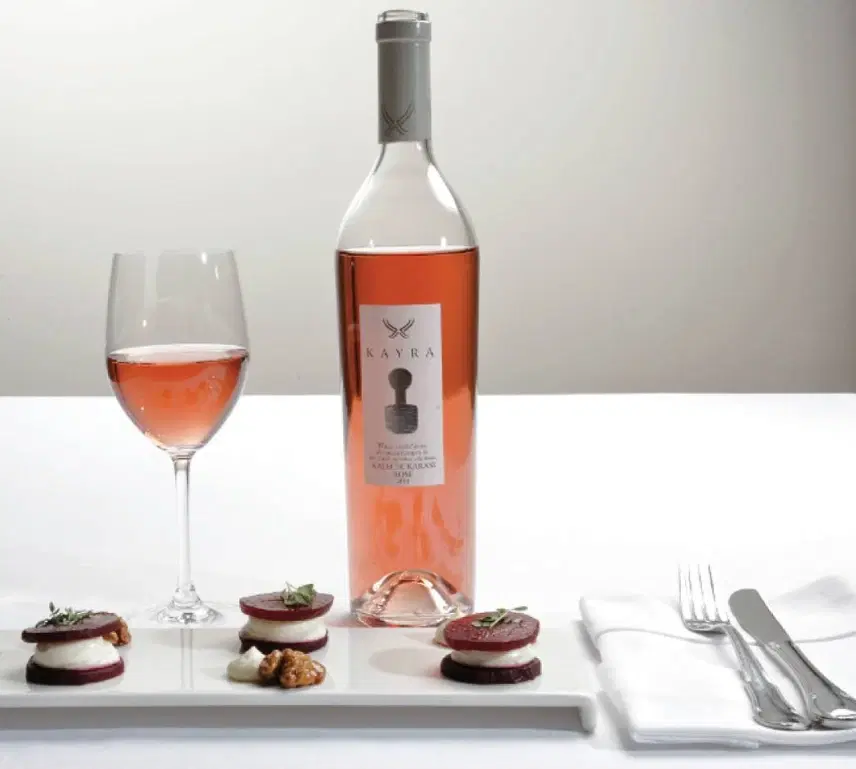
Turkey has 6,000 to 7,000 years of wine culture and 1,400+ native grapes, yet only 0.0009% of its grapes become exported wine.
Turkey has 6,000 to 7,000 years of wine culture and 1,400+ native grapes, yet only 0.0009% of its grapes become exported wine.
Kayra should be your first Turkish reference point if you want indigenous grapes interpreted through a modern cellar. In the Turkish wine regions conversation, Thrace/Marmara matters because it sits closest to the European side of Turkey’s wine geography, and Kayra gives you a practical starting point for Kalecik Karası and Narince without treating unfamiliar names as curiosities.
| Winery | Region | Key Indigenous Grapes | Elevation/Terroir | Visitor Model |
|---|---|---|---|---|
| Kayra | Thrace/Marmara | Kalecik Karası, Narince | European side, moderate elevation | Advance research required, appointment-based |
| Corvus | Cappadocia | Emir, Öküzgözü | Volcanic, 1,000+ meters | Advance contact, specialist access |
| Suvla | Gallipoli Peninsula | To be researched | Coastal, maritime influence | To be researched |
Approach Kayra as a producer to research before travel, rather than a casual cellar-door stop. That matters in Turkey, where the absence of a formal appellation system equivalent to EU PDO or PGI designations gives producer identity more weight than a familiar protected origin name. You are not choosing between Pauillac and Pomerol on a label; you are learning how a winery presents grape, region and house style.
For the glass, look for Kalecik Karası if your cellar leans toward red wines built on perfume and moderate frame, and Narince if you want to see why Turkey’s white varieties deserve serious attention. The wider context is stark: only about 3% of Turkey’s annual grape harvest is used for winemaking, with most grapes going to table grapes, raisins, molasses or raki. A bottle of native-variety Turkish wine therefore carries a double scarcity, grape genetics and export access (Jancisrobinson1).
Kayra suits the traveler who wants a first serious Turkish benchmark before moving deeper into Central Anatolia or Cappadocia. Plan ahead, confirm appointments directly and buy when you find the right bottle; the export channel remains narrow.
Corvus belongs in the Cappadocia chapter of a Turkish wine trip, where volcanic rock, high elevation and cave-carved geology give the region a profile far from the limestone shorthand of the Côte d’Or. Cappadocia is identified as a volcanic wine region, with high-elevation vineyards reaching 1,000+ meters; for visitors, that physical setting shapes the wine experience before a glass reaches the table.
Treat the winery as an advance-contact stop, rather than a spontaneous tasting-room call. The right traveler will not see that as a drawback. Turkey’s wine infrastructure does not always mirror the appointment systems of Napa, Bordeaux or Barolo, and the reward is access to wines and grapes that rarely appear on a hotel list outside specialist channels.
Look for Emir and Öküzgözü in this part of the journey. Emir gives Cappadocia its white-wine anchor, particularly when you want to taste the effect of volcanic soils and elevation through a native variety rather than through an imported benchmark. Öküzgözü shifts the register toward red fruit, acidity and regional identity; it is one of the names to learn before you order blind in Istanbul.
Corvus suits the collector-traveler who schedules wine around geology: Göreme’s carved stone, the plateau air, and a bottle that does not need to imitate Burgundy, Bordeaux or Etna to justify its place at dinner. If you are building a Turkish wine regions itinerary, give Cappadocia a central place, rather than treating it as a scenic add-on.
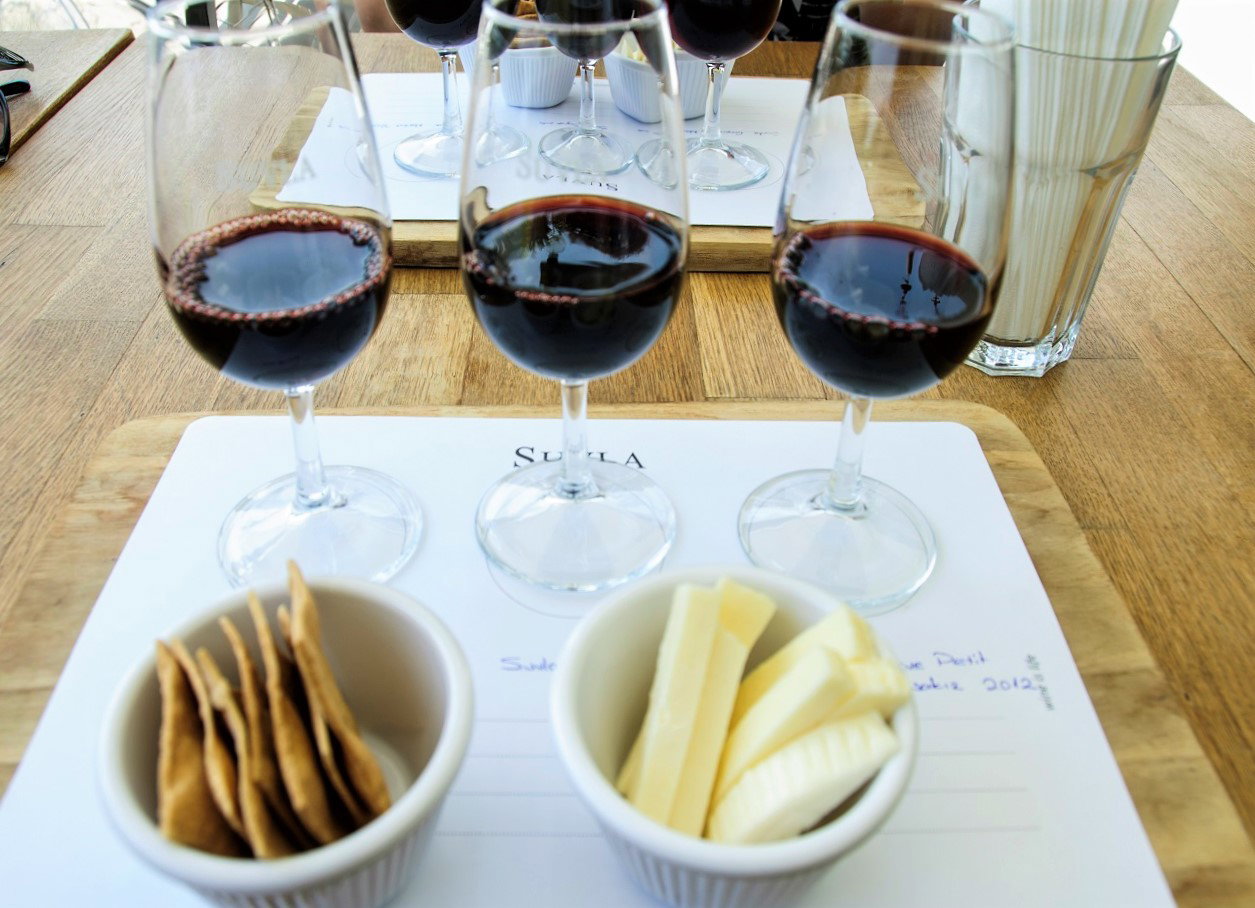
Suvla brings the Gallipoli Peninsula into the glass through maritime influence and a table-ready sensibility. The setting matters: coastal air, a peninsula with weight in Turkish memory, and a producer associated with wines that sit naturally beside food rather than demand a hushed tasting room.
Verify details before building a day around it. From Istanbul, the Gallipoli Peninsula gives you a different register from Cappadocia’s volcanic interior or the broad inland zones of Central Anatolia. This is where a Turkish wine regions itinerary turns coastal, in the practical rhythm of wine with seafood, olive oil, grilled vegetables and long dinners.
Ask for indigenous varieties alongside any international grapes on the list. Cabernet or Chardonnay can have a place in the tasting; the reason to travel is to understand what Turkey offers that a well-funded cellar elsewhere cannot replicate. Öküzgözü, Boğazkere, Kalecik Karası, Narince and Emir are the names to keep close. If a tasting presents native varieties next to familiar ones, use the comparison carefully: the imported grape can calibrate your palate, but the Turkish grape should lead the conversation.
Suvla suits the diner first and the collector second, the guest who wants bottles that work across a meal, with enough regional signature to invite a second pour. It also suits travelers who prefer wine routes with history at the edge of the frame rather than manicured vineyard tourism.
Chamlija’s role in this list is to keep rare Anatolian grapes in the glass: growers, restaurants and drinkers give them economic reason to stay in the ground. The winery is associated here with rescuing and vinifying Anatolian varieties at risk from urbanization, which makes it one of the more culturally charged stops for anyone serious about Turkish wine regions beyond the first recognizable names.
This is another appointment-minded prospect, rather than a casual walk-in suggestion. The restraint fits the subject. Turkey’s grape diversity is not a decorative talking point; the Tekirdağ Viticulture Research Institute houses a national grapevine collection cited as ranging from 854 to 1,435 varieties, and Wines of Türkiye states that more than 1,400 indigenous grape varieties are part of the country’s patrimony, with 90+ already vinified.
Here, particularly important order is whatever puts native varieties in front of you. Boğazkere should be on your radar for tannic architecture; Öküzgözü for red-fruited lift; Narince and Emir for white wines that move Turkish wine beyond the red-grape conversation. If the tasting includes a grape you have never heard of, treat that as the reason you came.
Turkey’s modern wine sector began to recover and modernize in the 1980s, and Wines of Türkiye has spoken for the sector since 2008, but the country still sells only a tiny fraction of its grape harvest abroad as wine. Annual wine production is approximately 615,000 hectoliters, modest beside the country’s vineyard scale, and the lack of a formal appellation system means collectors must learn through producers, grapes and regions rather than through a familiar European hierarchy.
That is why Turkish wine regions reward attentive travelers now. Thrace/Marmara, the Aegean, Central Anatolia and Eastern, Southeastern Anatolia are distinct zones, and together they frame a wine culture whose native grapes remain scarce on international shelves. Your next serious step is to seek bottles of Öküzgözü, Boğazkere, Kalecik Karası, Narince and Emir on lists where provenance matters, then let those grapes redraw a corner of your cellar map.
The primary Turkish wine regions for native varieties include Thrace/Marmara on the European side, Cappadocia with its volcanic high-elevation vineyards above 1,000 meters, and the Gallipoli Peninsula with maritime influence. Each region offers distinct terroir and indigenous grapes like Kalecik Karası, Narince, Emir, and Öküzgözü that rarely appear outside specialist channels.
Only about 3% of Turkey's annual grape harvest goes to winemaking, with the vast majority used for table grapes, raisins, molasses, or raki production. This creates a double scarcity for native-variety Turkish wines, limited grape genetics dedicated to wine and narrow export access, making bottles from Turkish wine regions particularly rare in international markets.
Yes, advance planning and direct appointment confirmation are essential for most Turkish wine regions, as the infrastructure does not mirror the walk-in tasting rooms of Napa or Bordeaux. Many producers like Kayra and Corvus require pre-arranged visits rather than spontaneous cellar-door calls, which is standard practice in Turkey's developing wine tourism sector.
Collectors should focus on Kalecik Karası for perfumed, moderate-frame reds; Narince to understand Turkey's serious white varieties; Emir from Cappadocia's volcanic soils for high-elevation whites; and Öküzgözü for red fruit and acidity. These native varieties offer regional identity without imitating European benchmarks like Burgundy or Bordeaux.
Cappadocia's volcanic rock, high-elevation vineyards reaching 1,000+ meters, and cave-carved geology create a wine profile distinct from limestone-based regions. The volcanic soils and plateau elevation particularly influence native varieties like Emir, giving the region a geological wine experience that pairs the physical landscape with the glass before tasting begins.
Get the App
Take the shortlist into the En Primeur Club app for concierge access, saved places, and the next step after discovery.
Get Exclusive AccessMore from the editors