← Guides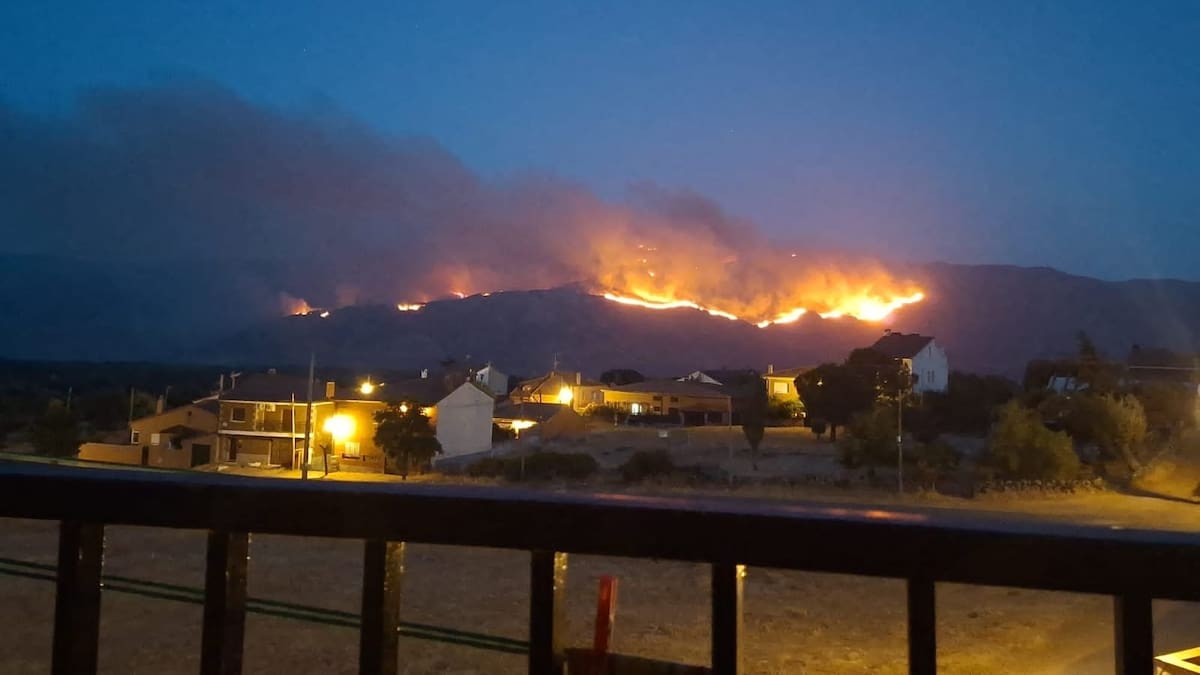
More than 50,000 hectares have burned in Ávila, with century-old Garnacha parcels in Sierra de Gredos now facing loss and uncertainty.
More than 50,000 hectares have burned in Ávila, with century-old Garnacha parcels in Sierra de Gredos now facing loss and uncertainty.
San Gregorio, the Bodega El Reventón vineyard with vines dating back to the 1920s, has suffered extensive fire damage as the Sierra de Gredos wildfire burns through Ávila province. According to The Drinks Business, more than 50,000 hectares have burned since the fire began near Burgohondo last Wednesday; by Sunday, 26 July 2026, the main perimeter had been contained, but several fronts were still burning. For a mountain wine region around 150km west of Madrid, known internationally for old-vine Garnacha and Albillo Real, the immediate loss is measured not only in hectares. It is measured in old wood.
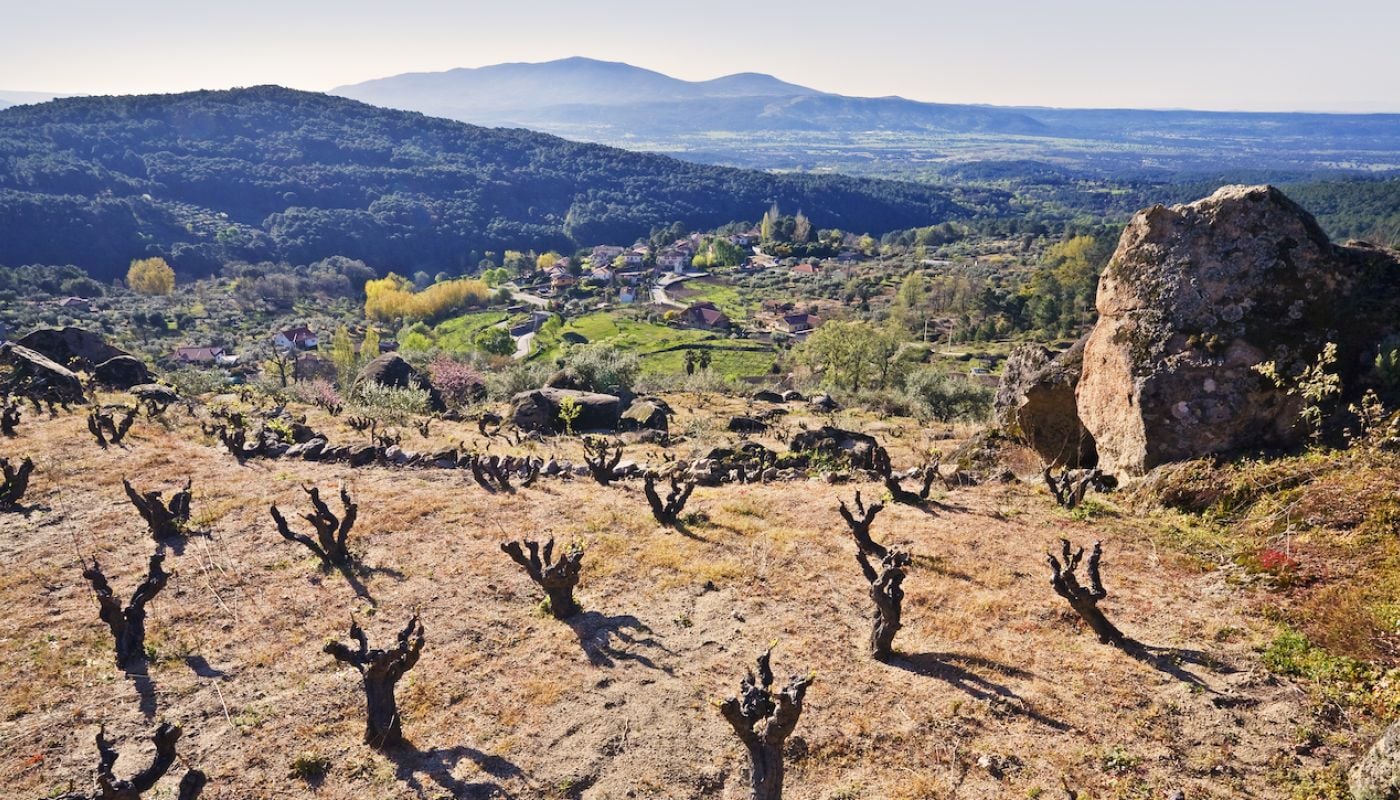
That date matters. A vine from the 1920s is not merely an old plant in the ground; it is a century of adaptation to a specific slope, a specific pattern of heat, wind, drought, and human pruning. Sierra de Gredos has built much of its contemporary reputation on precisely these fragile old parcels, small plots set in mountainous terrain, often close to woodland. Now producers are waiting for access, firefighters are still working, and the full vineyard ledger remains incomplete.
The first confirmed names already carry weight for collectors who follow Spain’s mountain Garnacha: Bodega El Reventón, Soto Manrique, and Indiano Wines. San Gregorio, the Bodega El Reventón parcel tied to one of the estate’s single-parcel wines, has suffered extensive fire damage. Chuchi Soto, founder of Soto Manrique and manager of the local cooperative winery, has lost one of his vineyards to the flames. Indiano Wines lost several old vines when fire encircled one of its vineyards over the weekend. Three names. Three different damage reports. One region waiting to see what remains.
The scale of the Ávila fire is hard to reconcile with the size of the vineyards at stake. More than 50,000 hectares have burned, The Drinks Business reports, while many growers still cannot enter the affected areas to see which vines remain viable. The distance from Madrid, around 150km, makes Sierra de Gredos feel accessible on a map, but the vineyards themselves belong to a mountain region of small plots, woodland edges, and difficult access. That topography gives the wines their tension. It also complicates fire response.
As of Sunday, 26 July 2026, the Burgohondo fire’s main perimeter had been contained, but several fronts continued to burn. Thousands of residents had been forced either to evacuate or to remain confined to their homes. The human emergency comes first: homes, smoke, road access, and firefighters working through active fronts. Yet for winegrowers, the damage also reaches into a slower calendar. A burned vineyard is not recovered in the next harvest report.
Sierra de Gredos’ international reputation rests on old-vine Garnacha and Albillo Real. Those two varieties give the region much of its identity for drinkers beyond Spain: Garnacha with mountain nerve rather than warmth alone, Albillo Real with textural weight and local specificity. Tasting notes for the affected wines have not been published, and this is not the moment to invent them. The detail that matters is more elemental: historic vines, some dating to the 1920s, have stood in the fire’s path.
The image from Indiano Wines, described by The Drinks Business, gives the clearest practical lesson so far: a vineyard in the foreground regularly cleared and maintained, with smouldering forest beyond it. Firebreaks are not romantic. They are scraped earth, cleared vegetation, access routes, and maintenance. In a region where the beauty of small parcels comes partly from their proximity to woodland, the line between viticultural charm and fire exposure can be painfully narrow.
Bodega El Reventón has confirmed damage to San Gregorio, a historic old-vine parcel tied to one of its two single-parcel wines. The estate is owned by Adrianna Catena, Alejandro Vigil, and Gearóid Lane, and its appearance in this story will be noticed well beyond Ávila. Catena and Vigil bring Argentine credentials familiar to many collectors; Lane’s comments make clear that the Gredos project is now facing a direct hit to its vineyard identity.
According to The Drinks Business, San Gregorio suffered extensive fire damage. Lane described the loss in direct terms: “We have suffered huge damage to our historic San Gregorio vineyard, whose wonderful grapes make one of our two single-parcel wines,” said Gearóid Lane.1 He also said the team was working to assess damage to old vines, some of which date back to the 1920s.
That is the first collector-relevant fracture line in the Sierra de Gredos wildfire story. A single-parcel wine depends on continuity: same site, same old vines, same accumulated identity across vintages. When the parcel itself suffers fire damage, the question is not simply how much fruit can be picked in the next vintage. The question is whether the wine can continue in the same form, and when the owners will have enough clarity to say so.
Soto Manrique has also been hit. Chuchi Soto, founder of Soto Manrique and manager of the local cooperative winery, has lost one vineyard to the flames and is waiting for news of other plots. Those details point to one of the structural risks in Gredos: vineyards lying in mountainous terrain, surrounded by woodland, with small plots enclosed by trees and vegetation left to grow unchecked. Those details are not decorative. They describe the physical conditions through which fire moves.
Indiano Wines lost several old vines when the fire encircled one of its vineyards over the weekend. The same report notes the difference that maintaining fire breaks can make, citing an Indiano Wines vineyard in the foreground that had been regularly cleared and maintained, with smouldering forest behind it. For visitors who have driven rural vineyard roads and admired the closeness of vine, scrub, and trees, this is the harder reading of that view. The vegetation that frames the vineyard can become the route by which fire reaches it.
For collectors, the Sierra de Gredos wildfire sharpens a question that already sits beneath every old-vine allocation: how much of the wine’s value belongs to vines that cannot be replaced on any useful human timetable? A vine planted after a fire may one day produce serious fruit, but it is not a vine that has survived since the 1920s. That distinction is not marketing language. It is the difference between continuity and restart.
Garnacha has made Sierra de Gredos a frequent stop for drinkers who want Spanish red wine with altitude, delicacy, and site definition rather than sheer mass. Albillo Real gives the region another marker, especially for those who follow Spanish whites beyond the usual coastal and northern reference points. The Drinks Business describes the region as internationally renowned for old-vine Garnacha and Albillo Real; those varieties are why the fire’s vineyard impact matters outside the immediate communities of Ávila.
The affected names also give collectors a practical watchlist. Bodega El Reventón’s San Gregorio parcel is now central to any future release note from the estate because it supplies grapes for one of its two single-parcel wines. Soto Manrique’s next communications will matter because Chuchi Soto has already lost one vineyard and is awaiting news of other plots. Indiano Wines’ position will require the same close reading, not least because the report specifically mentions old vines lost after fire encircled a vineyard over the weekend.
There is no responsible way, from the available facts, to calculate allocation changes, release volumes, or price consequences. The producers themselves are still assessing damage, and many growers have been unable to enter affected areas. What you can do is read forthcoming releases differently. If a bottle from these producers appears with parcel language, vintage context, or an estate note about fire damage, the details will matter more than usual.
The scarcity here is not contrived. It comes from age, place, and loss. Old-vine Garnacha from Gredos was already parcel-sensitive; the fire turns some of those parcel names into historical markers. For anyone who cellars these wines, provenance now includes more than bottle condition and vintage. It includes whether the vineyard that made the wine still exists in the same form.
The Sierra de Gredos wildfire is unfolding before producers can give the kind of release-by-release clarity collectors prefer. That timing creates a narrow information window: the fire has already damaged named parcels, but the full vineyard assessment is still pending. In practical terms, the next reliable signals will not come from broad speculation. They will come from producer statements, parcel names, and any future notes attached to wines from Bodega El Reventón, Soto Manrique, and Indiano Wines.
For buyers, the first detail to track is San Gregorio. The site belongs to Bodega El Reventón, and Gearóid Lane has already tied its grapes to one of the estate’s two single-parcel wines. If the estate later clarifies how much of the parcel survived, that will be a concrete decision point for anyone following the wine. Until then, older vintages from San Gregorio carry an additional layer of context: they come from a site now known to have suffered extensive fire damage.
For those who travel for wine, the same facts change the tone of a Gredos itinerary. Sierra de Gredos is close enough to Madrid to be imagined as a wine detour, but the fire reminds visitors that proximity does not make a mountain region simple. The affected area sits in Ávila province, around 150km west of the capital, and the wine country is shaped by small parcels, woodland, and terrain that can restrict access. A tasting itinerary here has always required more patience than a polished cellar-door loop. After the fire, it will require sensitivity as well.
For now, the practical advice is direct: do not assume normal access around affected areas. The Drinks Business reports that many producers remain unable to enter damaged zones, while others are only beginning to discover what has been lost. That means visitors should treat winery communications, local road guidance, and municipal instructions as the first source of truth. This is not a moment for spontaneous vineyard walks or unscheduled arrivals near active recovery zones.
The fire also changes the way one sees the region from a car window. A small Garnacha plot hemmed by trees may once have read as pastoral; now it reads as viticulture under pressure. The Indiano Wines example, maintained vineyard foreground, smouldering forest background, turns firebreak management into a visible part of winegrowing, not an administrative footnote. If you visit Gredos in the months ahead, the cleared margins and blackened woodland will be part of the terroir conversation because they are now part of the place.
The next phase will be less dramatic than the fire line and more important for wine buyers: assessment. Producers need access to vineyards. They need to see trunks, cordons, soils, surrounding vegetation, and whether heat damage has compromised old wood. They need to decide what can be saved, what must be cut back, and what cannot return.
Watch first for statements from Bodega El Reventón on San Gregorio. The estate has already confirmed extensive damage and has said some vines date back to the 1920s. Any future note on whether the parcel can continue producing one of its single-parcel wines will carry more weight than a standard harvest update. For collectors, that is the line to follow: not rumour, not photographs alone, but producer language about vineyard viability and future bottlings.
Watch Soto Manrique for news beyond the vineyard already lost. Chuchi Soto is waiting for updates on other plots, and his dual role as founder of Soto Manrique and manager of the local cooperative winery places him close to both estate-level and community-level damage. In a region of small plots, cooperative networks and individual growers often share the same exposure to roads, smoke, vegetation, and access constraints.
Watch Indiano Wines for a different reason: the reported contrast between a maintained vineyard and the smouldering forest behind it may become part of a wider regional discussion about firebreaks, vineyard margins, and woodland management. Indiano Wines lost several old vines when fire encircled one of its vineyards. That pairing, loss on one hand, visible protection on the other, gives the region a practical case study without needing to overstate the conclusion.
The Sierra de Gredos wildfire is still an active story, not a completed vintage report. Its main perimeter had been contained by Sunday, 26 July 2026, but several fronts remained burning, and producers were still waiting to measure the damage. The next facts will come parcel by parcel, from growers standing among vines rather than from broad regional summaries. For a place whose wines depend so much on old wood and exact sites, that is where the truth will be found.
Get the App
Take the shortlist into the En Primeur Club app for concierge access, saved places, and the next step after discovery.
Get Exclusive AccessMore from the editors