← Guides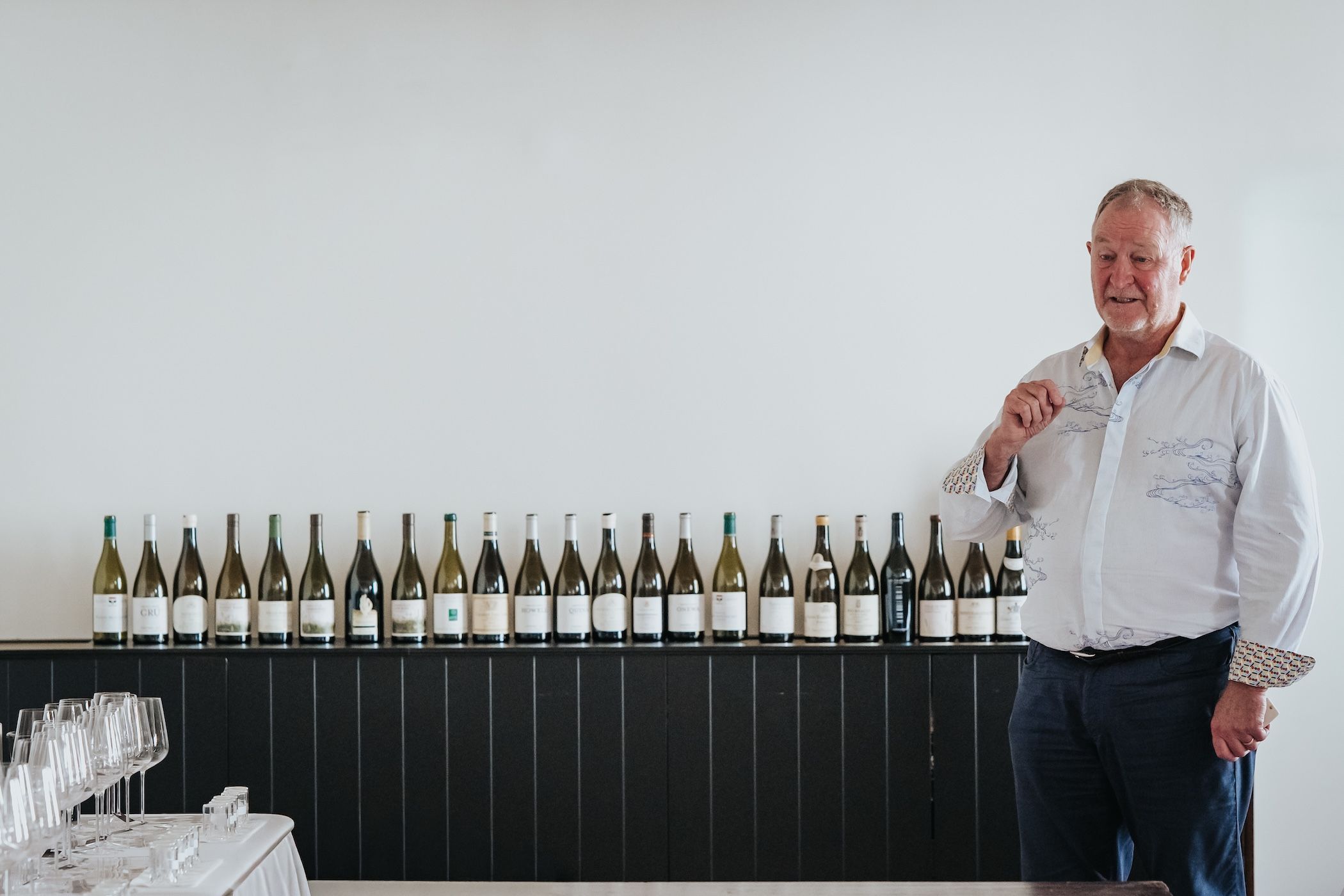
AONZ poured 24 Chardonnays blind in Christchurch, London and the Côte d’Or; New Zealand wines led three of four flights.
AONZ poured 24 Chardonnays blind in Christchurch, London and the Côte d’Or; New Zealand wines led three of four flights.
In the Pyramid Valley blind tasting organized by Aotearoa New Zealand Fine Wine Estates, 24 Chardonnays were poured blind in Christchurch, London and the Côte d’Or, and New Zealand wines rated best on average in three of four flights. The same exercise showed Burgundies correctly identified as Burgundy 57% of the time, while New Zealand wines were called Burgundy 52% of the time, a result that makes the origin question less comfortable than the labels might suggest.
AONZ, the group that includes Pyramid Valley and Smith & Sheth, called the tasting Opposites Attract, a benchmarking exercise. Steve Smith MW, co-owner of AONZ, set the premise around Chardonnay’s Burgundian reference point and New Zealand’s position on the far side of the globe from the grape’s best-known home. For collectors who usually start their white Burgundy search in the Côte de Beaune, the numbers give Canterbury and Hawke’s Bay a sharper role in the cellar conversation.
The Pyramid Valley blind tasting mattered because the panels tasted 24 Chardonnays across four flights, with Burgundy and New Zealand bottles hidden from view, in three locations that included the Côte d’Or itself.
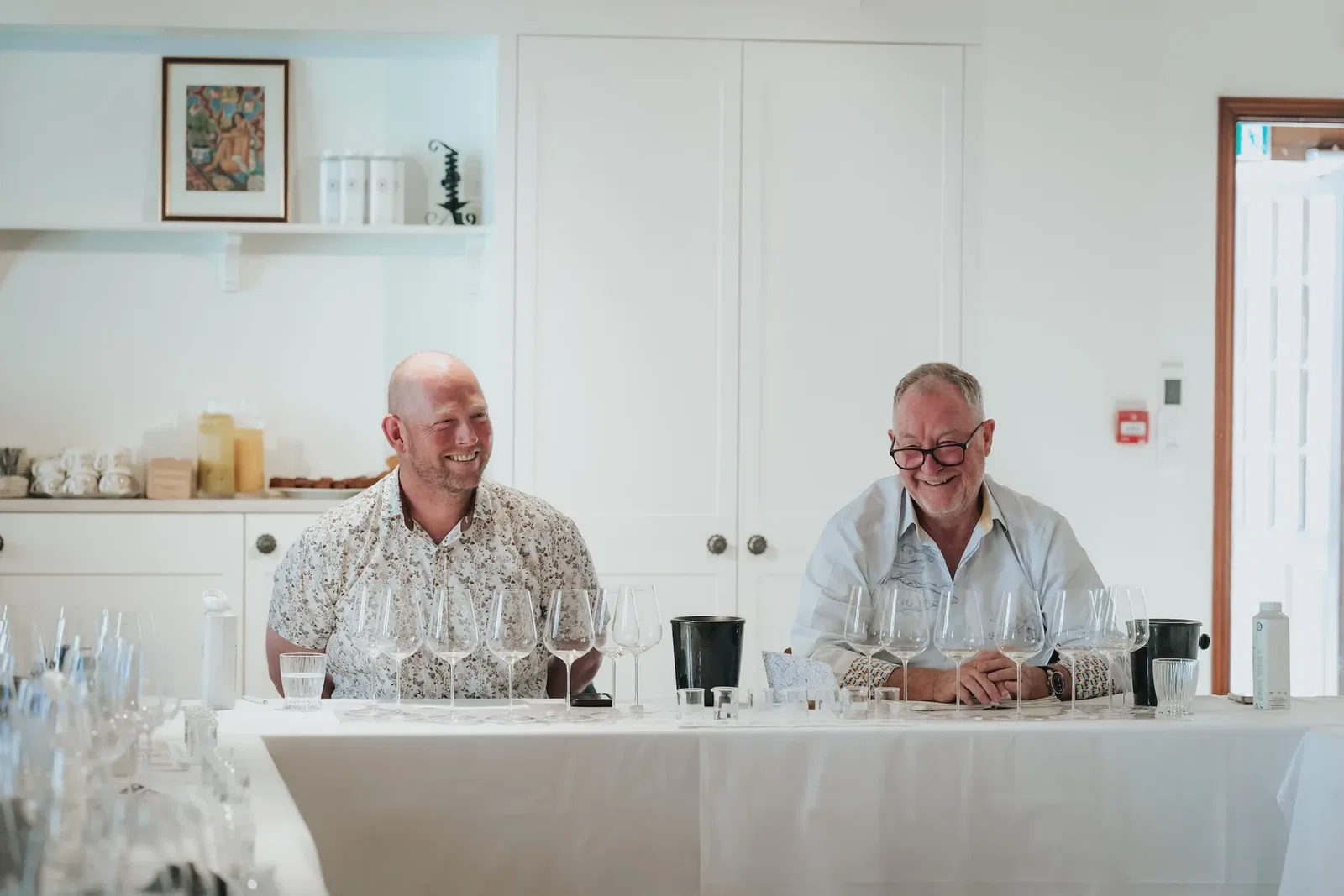
Emma Jenkins MW took part in the Christchurch tasting, while Rupert Millar tasted the wines in Burgundy. Jenkins described the New Zealand wines as wines of real presence and character. “I was happily surprised at how well the New Zealand wines performed, not just against Burgundy but also simply as wines of real presence and character,” said Emma Jenkins1
Jenkins regularly sees top New Zealand Chardonnay. In Christchurch and Burgundy, the result changed the scale of the comparison. Across the three rooms, the result did not depend on one room or one table of sympathetic tasters.
The origin confusion was especially useful number. Burgundies were called Burgundy 57% of the time. In a blind format built around Chardonnay, oak handling, acid shape, fruit profile and site expression, the regional signatures often blurred.
Burgundy and New Zealand Chardonnays were poured against each other across four flights.
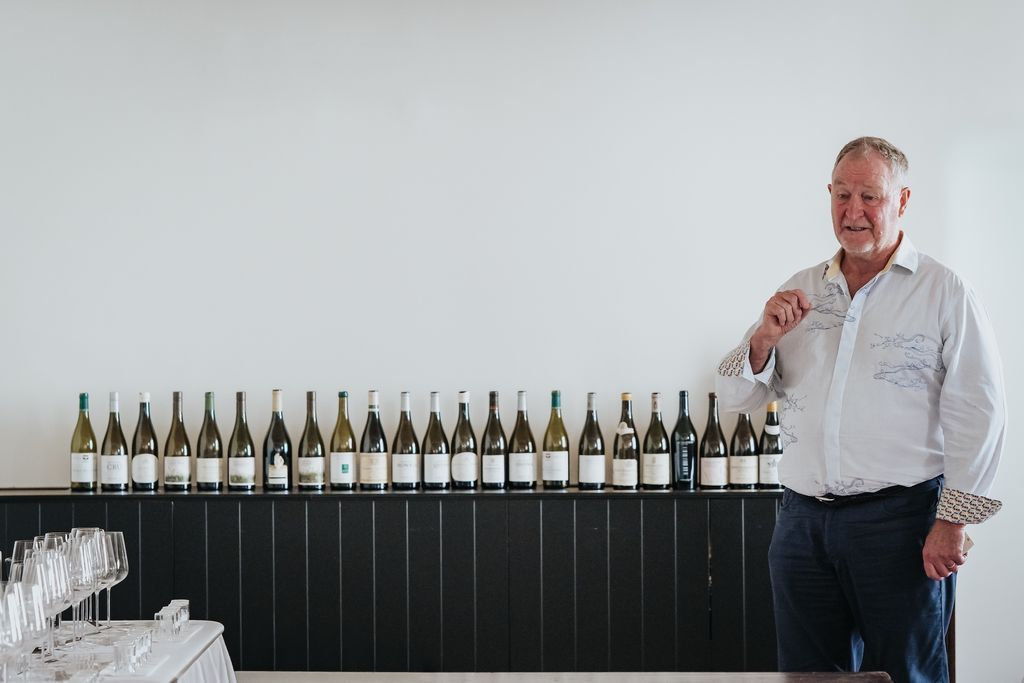
The Burgundian side included some of a leading names and appellations in Burgundy. 24 wines, four flights, three panels, and no labels. The results tested recognition as much as preference.
Opposites Attract also used geography as part of its premise. Smith has written that Burgundy remains the home of the world’s greatest Chardonnay wines, while New Zealand’s Chardonnay vineyards sit near the opposite side of the globe from Burgundy. He also linked part of the New Zealand case to rare soils with geological similarity to the mid-slopes of the Côte d’Or, a claim that becomes most relevant in Waikari, Canterbury.
Opposites Attract was not presented as a Judgement of Paris comparison. The tasting tested whether blind tasters, including Côte d’Or professionals, could consistently separate high-end New Zealand Chardonnay from the Burgundian benchmark. Across the three rooms, they could not do so with enough consistency to make origin feel obvious.
Pyramid Valley’s Waikari wines provided one of the clearest regional signatures in the tasting. Jenkins identified their acidity as vividly electric, and those wines were the least often mistaken for Burgundy, with misattribution running at roughly a quarter to a third overall. Waikari’s clay-limestone wines did not disappear into a Burgundian silhouette, even though Waikari’s clay-limestone soils sit closest to the Côte d’Or comparison within New Zealand.
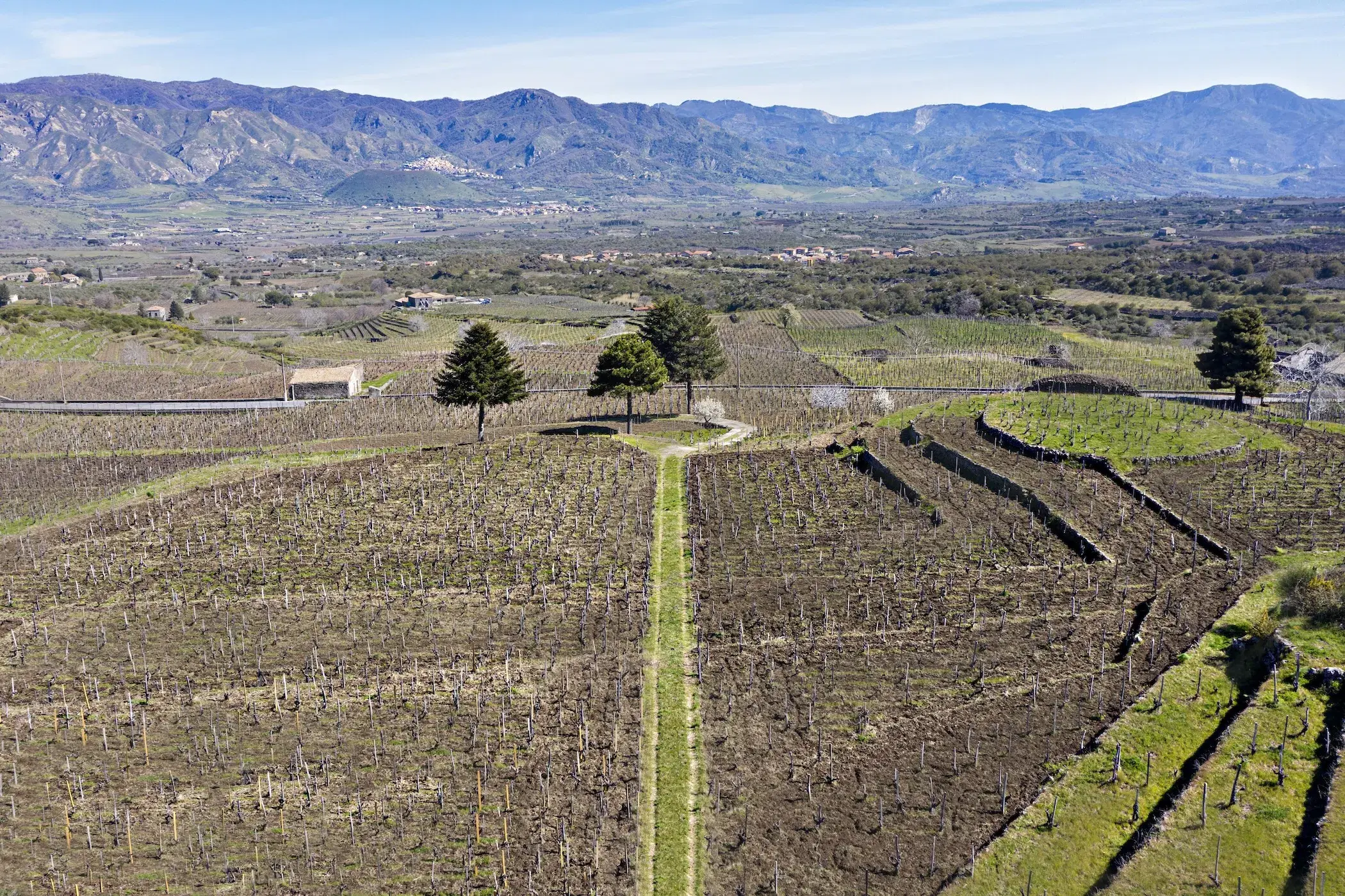
Waikari, in Canterbury, carries a specific soil argument inside New Zealand Chardonnay. New Zealand has little clay-limestone outside Waikari, apart from a small presence in Low Burn, Central Otago, with other areas relying on soils such as greywacke, loess, loam and schist. Waikari’s clay-limestone soils give Pyramid Valley a concrete comparison point alongside white Burgundy.
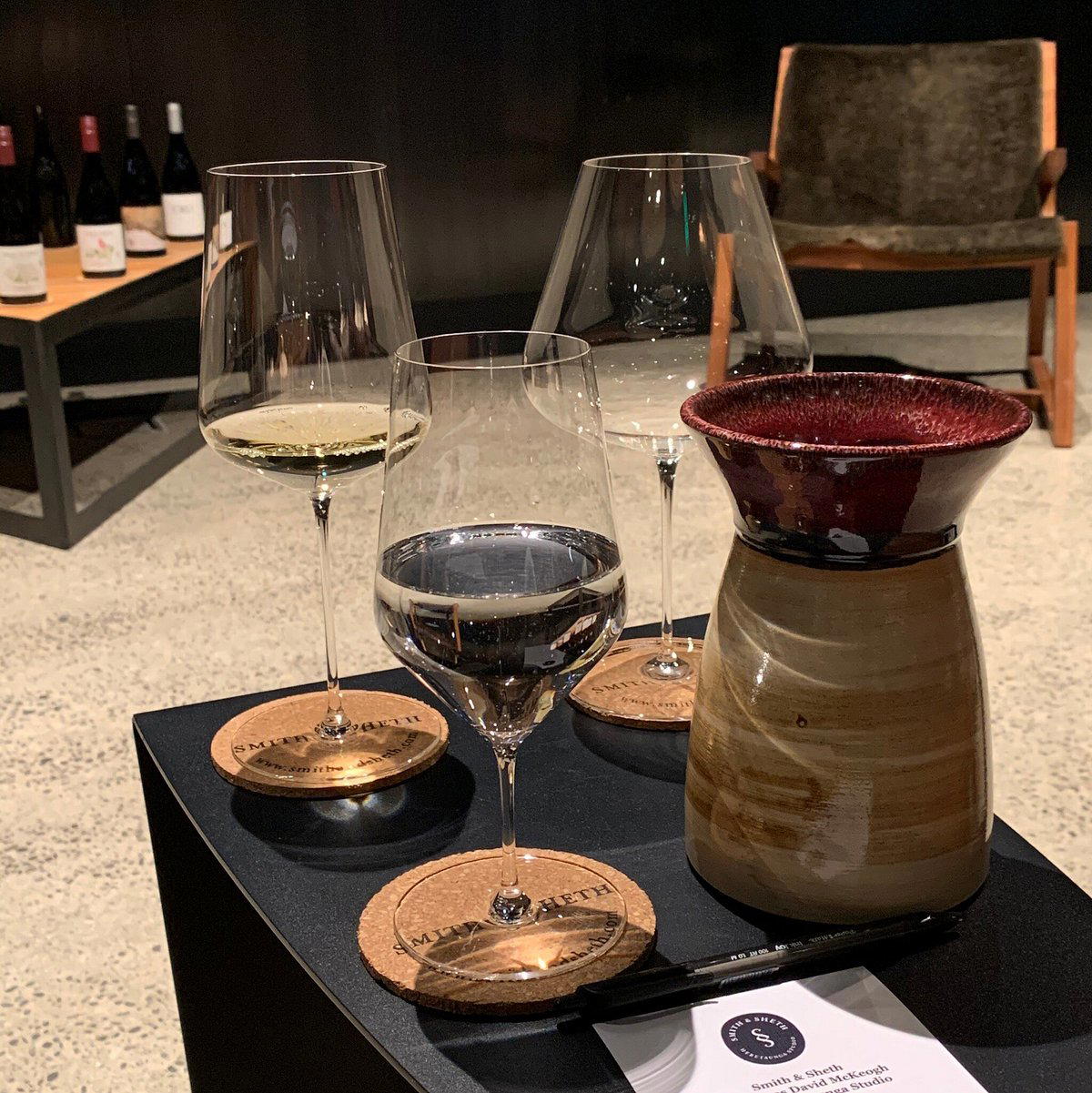
Smith & Sheth’s Les Graviers brings a different kind of collector signal from Hawke’s Bay. The first release of Les Graviers consisted of just 300 bottles. Half of the blend came from a clone Smith selected from a single vine in Le Montrachet in 1995. Les Graviers had a 300-bottle first release and a Le Montrachet-derived clonal selection.
Smith & Sheth Les Graviers was called Burgundy overall more often than any of the actual Burgundies. She also cautioned that clone, winemaking and site cannot be untangled cleanly in that result. The wine has a 300-bottle first release, a Le Montrachet-derived clonal backstory and a blind-tasting result inside the white Burgundy reference frame.
Burgundies were identified as Burgundy 57% of the time. That slim gap leaves little room for easy assumptions about fruit ripeness, acid profile or reduction as reliable regional markers.
Millar wrote that his origin guesses in Burgundy were poor, and Jenkins said her own results varied by flight. Jenkins identified all the wines correctly in the Cool and Refreshing flight and had a strong strike rate in Rare and Definitive, while the other flights came closer to chance. Some groups of wines carried clearer signals than others.
The expected tells did not behave neatly. Millar looked for ripeness, acidity and fruit profile, yet he found those markers less clear than expected. Jenkins entered the tasting looking for fruit purity, acid shape and a sweeter fruit core as possible New Zealand indicators, but her results did not support those markers as a dependable map. The tasting also raised a winemaking question: at the summit end of Chardonnay, shared cellar choices can pull wines toward a common classical model.
Wines that tasters thought were Burgundies tended to score higher, regardless of their actual origin. Jenkins noted that the tasting could not separate inherent quality from possible bias. If a New Zealand Chardonnay scores higher when the room believes it might be Burgundy, it can satisfy the palate before the label starts negotiating.
Pyramid Valley Waikari showed the identifiable New Zealand signature in the blind tastings, with electric acidity and comparatively fewer Burgundy miscalls, while Smith & Sheth Les Graviers drew Burgundy calls more often than the actual Burgundies overall.
Scarcity changes the Smith & Sheth calculation. The wine does not behave like a widely distributed regional Chardonnay. The Le Montrachet-linked clonal component adds a provenance detail, but the bottle’s value as a drinking reference will come from how Hawke’s Bay site, clone and cellar work combine in the glass over subsequent releases.
The tasting sharpened two New Zealand routes for Chardonnay-focused itineraries. Canterbury has Waikari, clay-limestone soils and Pyramid Valley’s acid-driven profile. Hawke’s Bay has Smith & Sheth Les Graviers and a first-release wine that blurred origin more than Burgundy itself in this blind format. Both regions now sit more comfortably in a conversation usually dominated by Meursault, Puligny-Montrachet, Chassagne-Montrachet and the wider Côte d’Or.
For Burgundy loyalists, the result should not reduce the Côte d’Or’s position. The blind panels still identified Burgundy as Burgundy slightly more often than they identified New Zealand as Burgundy, and the grand cru power registered in Jenkins’ comments. The gap between the two regions was narrow.
Collectors will see whether Opposites Attract was a strong snapshot or the start of a longer allocation problem for New Zealand Chardonnay. Pyramid Valley Waikari offers an electric acid line, and Smith & Sheth Les Graviers offers a 300-bottle debut and a Le Montrachet clonal thread.
Get the App
Take the shortlist into the En Primeur Club app for concierge access, saved places, and the next step after discovery.
Get Exclusive AccessMore from the editors