← Guides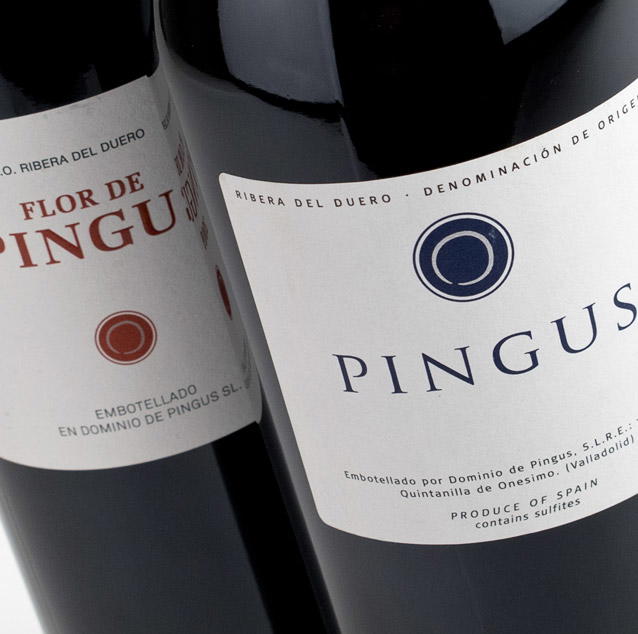
How to Access Pingus in 2026: Allocations, Merchants, and What Actually Works You cannot visit Pingus. That is the direct answer.
How to Access Pingus in 2026: Allocations, Merchants, and What Actually Works You cannot visit Pingus. That is the direct answer.
You cannot visit Pingus. That is the direct answer. Peter Sisseck does not operate a cellar door, does not receive tourists, and does not run a tasting program at his estate in Quintanilla de Onésimo. The allocation list for Dominio de Pingus, producing approximately 7,500 bottles annually,1 has been effectively closed to new entrants for years, distributed through a tight network of European and American importers who have held their positions since the late 1990s. If you are arriving in Ribera del Duero hoping to knock on the gate, the gate stays shut.
What you can do, and what serious collectors actually do, is build a relationship with the wine through the channels that remain open: the secondary market, a handful of trusted merchants with historic allocations, and the broader Ribera del Duero landscape that shaped Sisseck's thinking in the first place.
Pingus was never built for visitors. Sisseck founded the estate in 1995 with a single obsession: old-vine Tempranillo from rented parcels around Quintanilla de Onésimo, farmed biodynamically, vinified with minimal intervention. The winery is small by any measure, Pingus produces approximately 7,500 bottles annually from 4.5 hectares,2 while Flor de Pingus produces just over 100,000 bottles annually2 and Psi around 350,000 bottles.2
That scarcity is structural, not theatrical. Sisseck has no incentive to open the estate: demand for every bottle he produces is settled before harvest. The importers who hold allocations, including Europvin in France and a small number of UK and US specialists, have maintained those relationships for decades. New entrants to the allocation chain are rare, and they typically arrive through négociant relationships built over years, not through a website form.
The secondary market reflects this. Pingus regularly appears at auction through Christie's, Sotheby's, and Acker, where back vintages trade at prices that confirm the wine's position as one of Spain's most sought-after bottles. Pingus commands an average price of US$811 per bottle,1 a figure that spans the range from younger vintages to the earliest releases, which now trade considerably higher. Rare Wine Co. lists the 1995 Pingus at $1,950 per bottle;3 that same vintage released at US$200 per bottle1 in 1995. Flor de Pingus, the estate's second wine, is more accessible in volume but still tightly allocated at the merchant level.
The estate does not operate a public mailing list or allocation signup page. There is no public-facing allocation window, no announced release dates, and no consumer-direct purchase route from the estate itself.
In practice, Pingus en primeur offers surface through specialist fine wine merchants, Corney & Barrow,4 Berry Bros. & Rudd, Justerini & Brooks, and their equivalents in the US and Germany, typically in the spring following harvest, when the vintage has been assessed but not yet bottled. Pingus was first sold en primeur through the Bordeaux market at the March 1996 en primeur tastings,3 establishing the trade-channel model that persists today. Flor de Pingus tends to appear in merchant offers more reliably than the grand vin. PSI, the entry-level wine from younger vines across the appellation, is especially widely available and the likely to appear on a merchant's open list without prior relationship.
Confirm timing directly with your merchant before planning around any specific release cycle.
1. Established fine wine merchants with historic allocations. To purchase Pingus, put yourself on Corney & Barrow's mailing list to stand in line,4 that long-standing guidance remains one reliable consumer-facing route. Berry Bros. & Rudd and Justerini & Brooks operate similarly. Building a purchase history with any of these merchants, across multiple producers and vintages, not just Pingus, is the only reliable way to be considered when a small parcel surfaces. This is a multi-year strategy, not a single transaction.
2. Auction. WineBid offers Dominio de Pingus wines via online auction,5 as do Christie's Wine, Sotheby's Wine, and Acker Merrall & Condit. The secondary market is one democratic route: no relationship required, just a paddle and a budget. Verify provenance carefully, cold-chain documentation matters for a wine this age-worthy.
3. PSI and Flor de Pingus as entry points. Flor de Pingus is priced at approximately €150 per bottle;2 Psi runs approximately €44.2 Neither is a consolation prize, both are serious wines from the same biodynamic philosophy, and buying them consistently signals commitment to merchants who also hold Pingus.
Collectors who reliably access Pingus do not treat it as a single-wine relationship. They build merchant accounts that span Ribera del Duero broadly, buying Vega Sicilia Único, Aalto PS, and Dominio de Atauta alongside Flor de Pingus, so that when a small Pingus parcel becomes available, they are already a known quantity to the merchant's fine wine buyer.
The other move: buying PSI consistently and in volume through the same merchant creates a paper trail of loyalty that matters when allocations are being divided. Rare Wine Co.3 is among the US specialists that carry the full Pingus portfolio and can serve as a relationship anchor for American collectors.
On the auction side, experienced buyers watch for Pingus in mixed-cellar sales rather than dedicated fine wine auctions, provenance is sometimes better documented in estate sales, and competition can be lighter than in a headline Sotheby's session.
If the goal is to experience the landscape and producers that shaped Sisseck's thinking, even if Pingus itself remains off-limits, the calendar matters.
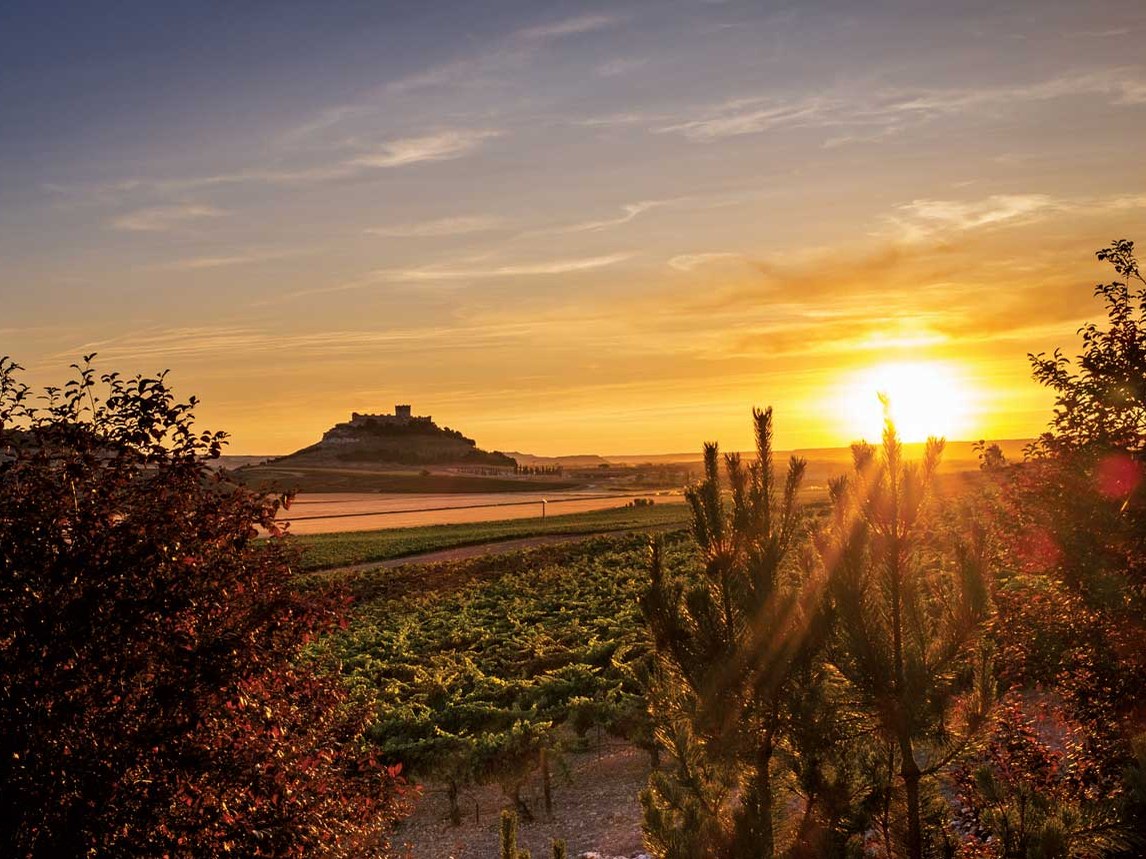
September, October is harvest season across Ribera del Duero. Several estates in the appellation receive visitors during this period, and the combination of harvest activity, cooler temperatures, and the visual drama of Tempranillo at full ripeness makes this one rewarding time to be in the region. Book estate visits well in advance, the better producers fill quickly.
Spring (April, May) is when en primeur offers from the prior vintage typically surface through merchants. This is the window to be in active conversation with your fine wine buyer about Flor de Pingus and PSI availability.
Summer is the quietest period for allocation activity and the least comfortable for cellar visits in the Duero valley, where temperatures regularly exceed 35°C.
Treating PSI as a stepping stone to ignore. Collectors who buy PSI once and then ask immediately for Pingus signal exactly the wrong thing to a merchant. The estate's portfolio is a coherent whole; engage with it as such.
Approaching the estate directly. Dominio de Pingus does not have a consumer-facing contact route for purchases. Emails to the estate asking about visits or allocations go unanswered, this is not rudeness, it is the structure of a producer who sells entirely through trade.
Buying Pingus at auction without verifying provenance. A bottle stored in an uncontrolled environment for fifteen years is not the same wine as one with a documented temperature-controlled history, and the price difference at auction does not always reflect storage quality. Ask for the full provenance chain before bidding.
Waiting for a public mailing list. There is no public mailing list. Collectors who hold out for a direct-from-estate signup are waiting for something that does not exist.
| Producer | Allocation Difficulty | Cellar Visits | Entry Point | How to Access |
|---|---|---|---|---|
| Dominio de Pingus | Effectively closed | Not available | PSI (~€44/bottle) | Established merchant only |
| Vega Sicilia (Único) | high, mailing list waitlist | By appointment, limited | Valbuena 5° | Merchant / direct mailing list |
| Aalto (Aalto PS) | Moderate, merchant allocation | By appointment | Aalto (appellation wine) | Fine wine merchant |
| Dominio de Atauta | Low, moderate | Visits available | Atauta (village wine) | Direct / merchant |
| Hacienda Monasterio | Low | Visits available | Hacienda Monasterio Reserva | Direct / merchant / retail |
Vega Sicilia Único is the other pole of Ribera del Duero's prestige hierarchy, a wine with its own closed allocation and a mailing list that moves slowly. Valbuena 5°, the estate's second wine, is the practical entry point. Vega Sicilia does receive visitors by appointment at their estate in Valbuena de Duero.
Aalto, co-founded by Mariano García (former winemaker at Vega Sicilia), produces Tempranillo from old vines in Roa de Duero. Aalto PS (Pagos Seleccionados), a blend of selected old-vine plots, is the prestige cuvée, available through fine wine merchants without the allocation drama of Pingus. Visits are possible by appointment.
Dominio de Atauta farms old-vine Tempranillo in the high-altitude eastern end of the appellation, around the village of Atauta. The wines are parcel-specific, biodynamically farmed, and genuinely visit-worthy, the estate receives guests and the landscape around Atauta, at roughly 1,000 metres elevation, is among the more dramatic in the Duero valley.
Hacienda Monasterio, where Peter Sisseck consults, is one accessible point of contact with his winemaking philosophy. The estate near Pesquera de Duero receives visitors, and tasting the Reserva alongside the Especial gives a direct line into the same biodynamic Tempranillo thinking that underpins Pingus.
Hacienda Monasterio sits on a south-facing slope above the Duero river, its vineyards planted in the 1980s on limestone and clay soils that Sisseck has farmed biodynamically since taking on the consulting role. A visit here, arranged directly with the estate, is especially honest proxy for understanding what Pingus is about without the allocation barrier.
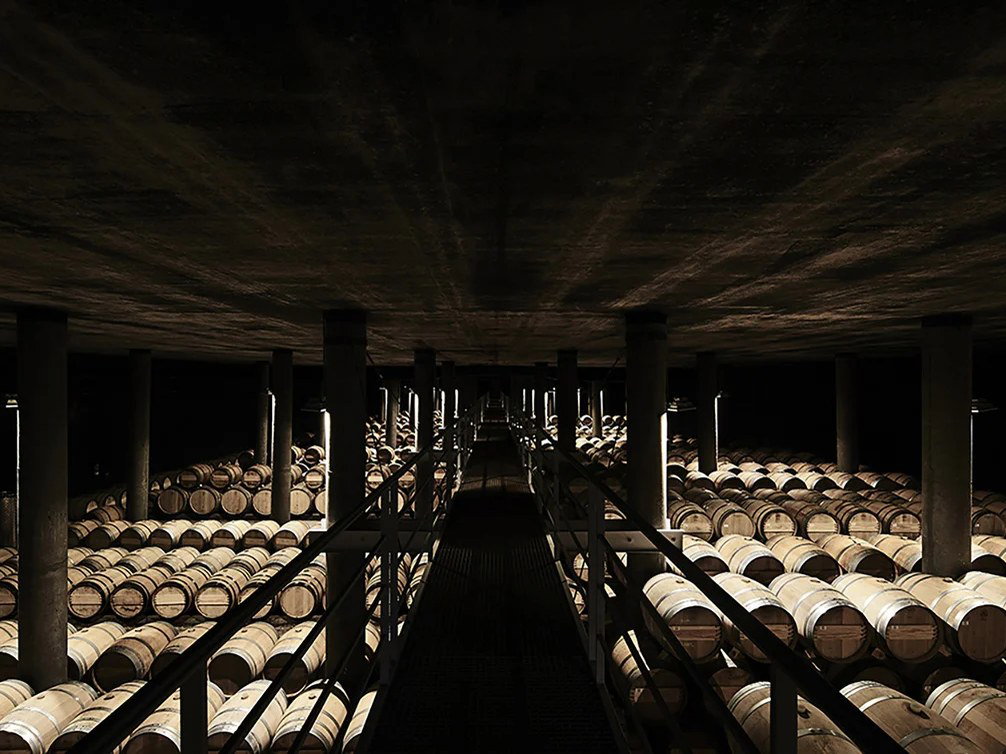
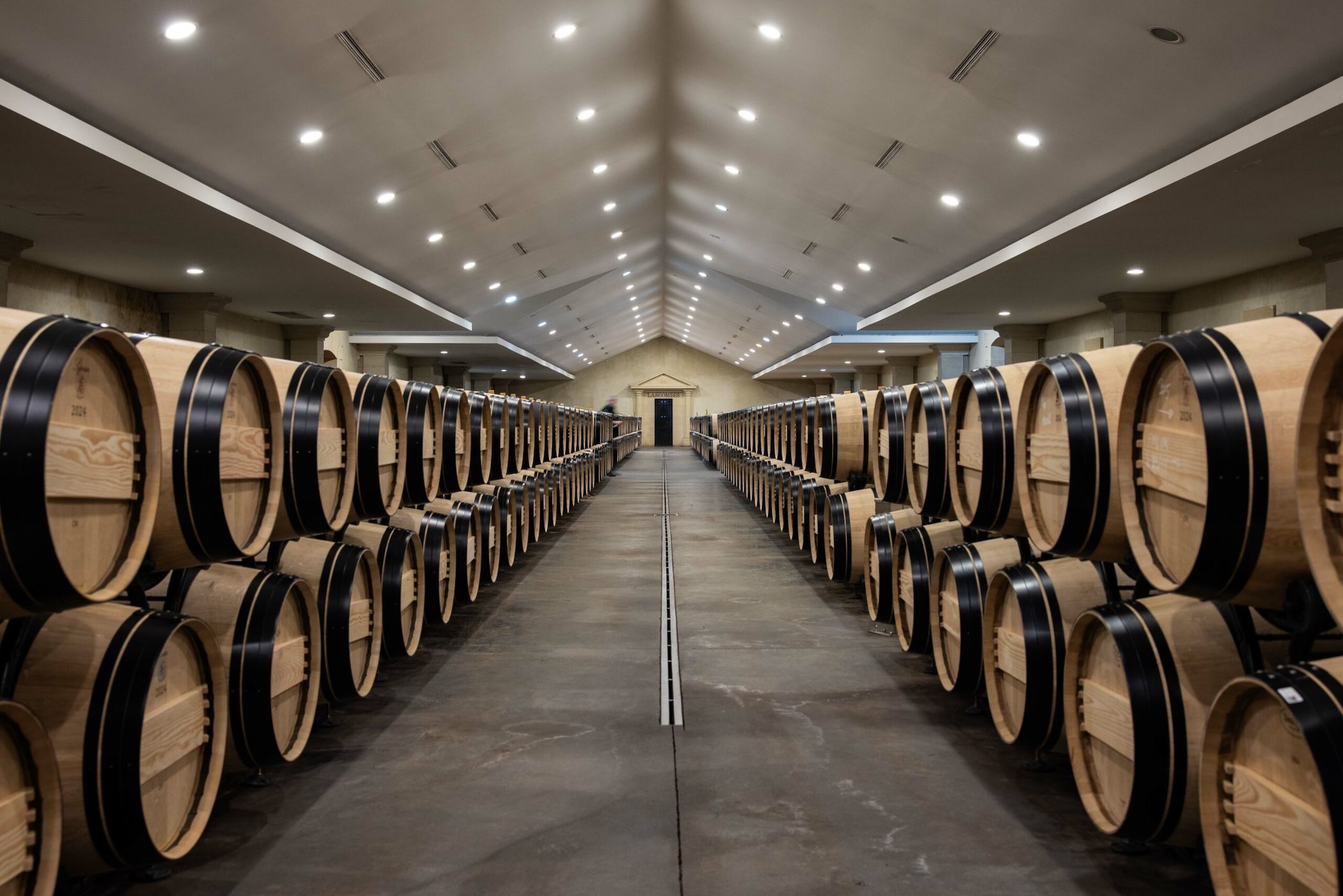
The cellar is working rather than theatrical: French oak barriques stacked in a temperature-controlled nave, the Reserva and Especial aging separately, the winemaking team present and willing to talk through the vintage. Tastings typically cover the current Reserva alongside an older release, occasionally the Especial, and sometimes PSI if Sisseck's team is pouring. The conversation tends toward viticulture, cover crops, lunar calendar farming, the specific parcels that contribute to each cuvée, rather than the marketing narrative you'd get at a larger bodega.
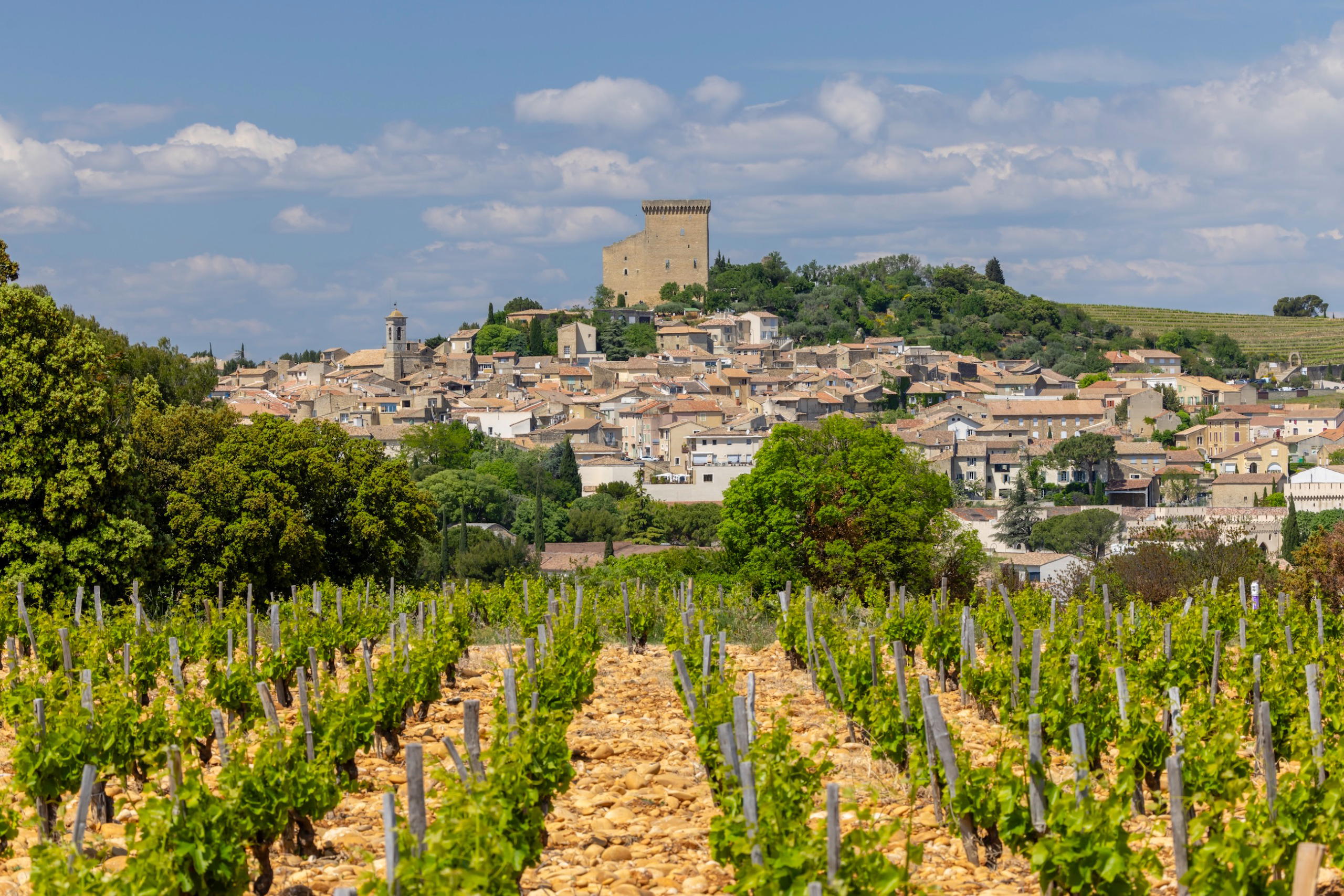
The surrounding landscape is worth the drive alone: the Duero valley in autumn, with Tempranillo turning copper against the meseta, is one of the more quietly arresting wine landscapes in Europe. Pair a morning at Hacienda Monasterio with lunch at one of the village restaurants in Pesquera de Duero, where roast lamb and a bottle of Aalto need no further justification.
Contact Hacienda Monasterio directly to arrange access and confirm current availability before planning travel.
If you are a collector with an existing relationship at Berry Bros., Justerini & Brooks, or a comparable specialist, and you have been buying Flor de Pingus and PSI consistently for several years, it is worth having a direct conversation with your fine wine buyer about Pingus availability. The allocation is small, approximately 7,500 bottles made each year,4 but it does move through the merchant channel, and a known customer with a coherent purchase history is the profile that gets the call.
If you are starting from scratch, no merchant relationship, no history with the estate's portfolio, redirect the energy toward Flor de Pingus and PSI for the next two or three years while building the merchant relationship that makes Pingus a realistic conversation. The 2016 Pingus costs $1,090 per bottle6 at current retail, Flor de Pingus at approximately €1502 is a serious bottle from the same estate philosophy, and it drinks well now while you build the relationship.
For the traveler who wants to experience Ribera del Duero as a destination: Pingus is not the reason to go. Dominio de Atauta, Hacienda Monasterio, and Aalto are all visit-worthy, and the appellation's combination of extreme continental climate, old-vine Tempranillo, and austere Castilian landscape is worth a dedicated trip regardless of whether Sisseck's gate ever opens.
Pingus is one of those wines where the access problem is genuinely structural rather than a matter of timing or persistence. The allocation list is not a queue you can join, it is a closed network of trade relationships built over three decades, and no amount of website monitoring or direct outreach changes that. For most collectors in 2026, Pingus arrives, if it arrives at all, through a merchant who already knows you well.
The practical path: buy PSI and Flor de Pingus consistently through a single specialist merchant, engage with the broader Ribera del Duero portfolio, Vega Sicilia Valbuena, Aalto PS, Dominio de Atauta, and let the relationship develop over time. Visit Hacienda Monasterio when you are in the Duero valley; it is one direct encounter with Sisseck's winemaking philosophy that is actually available, and it is worth the trip on its own terms.
For the auction buyer, Pingus is accessible today, at a price, and with careful attention to provenance. WineBid,5 Christie's, and Sotheby's all carry back vintages regularly; the vintages worth tracking are those with documented cold-chain provenance, where the wine's condition matches its age-worthiness on paper. The wine rewards patience in the cellar; the allocation rewards patience in the relationship, and both are long games that tend to pay off for those who play them with consistency rather than urgency.
No. Dominio de Pingus does not operate a cellar door or visitor program. The estate does not receive tourists, and there is no booking system for visits. If you want to experience Peter Sisseck's winemaking philosophy in person, Hacienda Monasterio, where Sisseck consults, is the practical alternative; contact that estate directly to arrange a visit.
No public mailing list or consumer-facing allocation signup exists for Dominio de Pingus. Allocation is distributed entirely through a closed network of importers and fine wine merchants. The route for most collectors is through an established merchant relationship, Corney & Barrow, Berry Bros. & Rudd, Justerini & Brooks, and comparable specialists are the realistic channels.
Flor de Pingus is the estate's second wine, sourced from younger vines and a wider selection of parcels than the grand vin, and produced in larger volume (just over 100,000 bottles annually versus roughly 7,500 for Pingus). It is more widely available through fine wine merchants and occasionally appears on open lists without prior allocation history. Buying it consistently is one practical way to build the merchant relationship that eventually leads to Pingus.
Pingus appears regularly at Christie's Wine, Sotheby's Wine, Acker Merrall & Condit, and WineBid. When bidding, request the full provenance chain, specifically cold-chain storage documentation. A bottle that has spent years in an uncontrolled environment is not the same wine as one with a documented temperature-controlled history, and the price difference at auction does not always reflect storage quality.
Hacienda Monasterio (where Sisseck consults), Dominio de Atauta, and Aalto all receive visitors by appointment. Vega Sicilia also offers visits by appointment at their estate in Valbuena de Duero, though availability is limited. Contact each estate directly to confirm current visit availability and any associated costs before planning travel.
Get the App
Take the shortlist into the En Primeur Club app for concierge access, saved places, and the next step after discovery.
Get Exclusive AccessMore from the editors