← Guides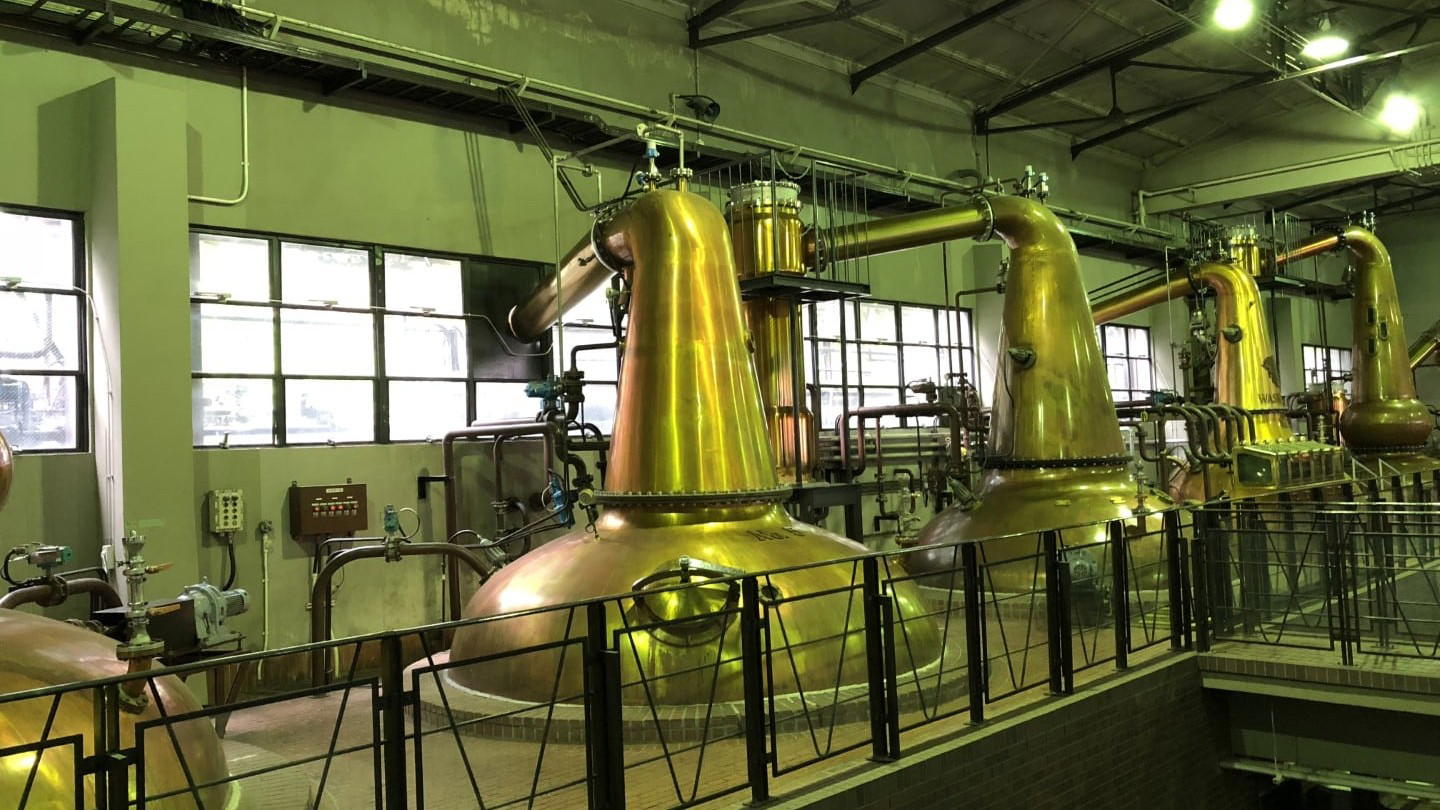
How to approach the Yamazaki Distillery tour lottery in 2026, from reservation timing and tour costs to tasting bar access and backup distillery visits.
How to approach the Yamazaki Distillery tour lottery in 2026, from reservation timing and tour costs to tasting bar access and backup distillery visits.
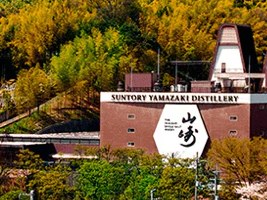
Suntory Yamazaki Distillery, Japan's oldest malt whisky distillery,1 releases public tour tickets through a lottery because demand regularly exceeds available places.2 In Shimamoto, between Osaka and Kyoto, its warehouses sit where the Katsura, Uji, and Kizu rivers meet, and the tasting room can be harder to secure than many restaurant reservations in Japan. If Yamazaki anchors your trip, enter the official online reservation system well in advance and confirm current availability directly with the distillery before you build an itinerary around a specific date.
Yamazaki credits its river confluence microclimate with the soft, mineral-inflected character of its new make spirit. The compact site limits tour groups to 2 to 50 participants,3 with warehouse and tasting room capacity setting the ceiling. Yamazaki 12 Year and Yamazaki 18 Year disappear from Japanese shelves rapidly after restocking, so a distillery place gives collectors one of the few ways to taste at the source.
When tickets were last released, the queue ran into the thousands and all distillery slots were gone.4 If you care about those age-statement bottlings, secure Yamazaki before flights, hotels, and restaurant bookings lock your Kansai dates.
The distillery recommends checking the official Suntory Yamazaki reservation page directly and frequently because availability is released in batches. Book before your trip, as last-minute bookings may find all paid tours fully booked.5 If your travel dates are fixed, treat the reservation page as a recurring check, not a single search.
Seasonal timing matters. Spring, from late March through early May, and autumn, from October through mid-November, are the hardest periods to secure a place. Japan's cherry blossom and autumn foliage seasons push domestic and international tourism through the Kyoto-Osaka corridor, and Yamazaki, about ten minutes on foot from Yamazaki Station on the JR Kyoto Line or Oyamazaki Station on the Hankyu Kyoto Line,6 absorbs that pressure directly. Summer usually sees somewhat lower competition from international visitors, though domestic travel peaks during Obon in mid-August. January and February are historically the quietest months for tourism in the region and, anecdotally, the period when lottery odds are most favorable.
Reported booking lead times show the pressure: regular tours have been found booked up for nearly two months7 when visitors checked availability. Check repeatedly rather than assuming one search tells the full story.
There are three realistic routes into Yamazaki. Start with the official reservation system, then consider a specialist operator or the museum if the lottery does not land.
1. The official online reservation system. Reservations can be made online or over the phone in English or Japanese.6 This is the cleanest route to a legitimate, confirmed place on a guided tour with tasting. Priority is given to internet bookings; book at least one day in advance.3
2. Authorized tour operators and travel agents. Some Japan-specialist travel agencies, particularly those focused on food and drink itineraries, hold periodic allocations or have established relationships that allow them to secure distillery access as part of a broader itinerary. This route costs more and gives you less date flexibility, but it can reduce reservation friction for a multi-day Kansai trip. Verify that any operator works through official Suntory channels; third-party "guaranteed access" offers that cannot name their booking mechanism deserve skepticism.
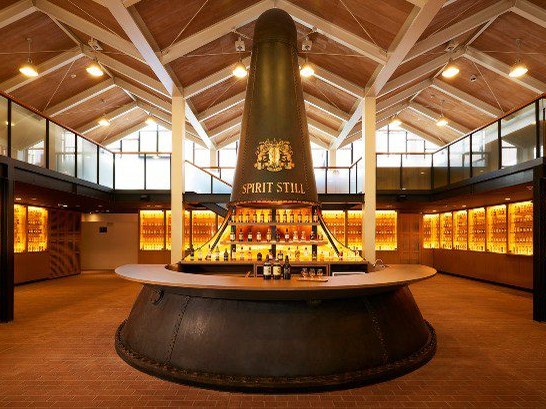
3. The Yamazaki Museum. Entry to the Yamazaki Whisky Museum is free.6 Optional tours are now not easy to reserve, but visitors can still enjoy the self-guided museum space for free.8 The museum includes a tasting bar where visitors can purchase pours of current expressions, including older and limited releases unavailable at retail. If your tour application fails, this is especially useful fallback.
Guided tours cost 3,000 yen per person for a regular tour and 10,000 yen for a prestige tour.6 The lottery route requires flexible dates and repeated availability checks. The faster paid route is a specialist travel operator who bundles distillery access into a curated Kansai itinerary. Costs vary significantly by operator, and no standardized pricing is published, so treat any figure you encounter as operator-specific and verify directly. A middle path, the museum with tasting bar access, costs only the price of individual pours, starting from around 500 yen per dram, and the counter is cash-only.6
Check the reservation page on a regular cadence rather than making a single attempt. Cancellations do open slots, and the distillery's system reflects real-time availability. If you are traveling with a fixed itinerary, build in a buffer day in the Kyoto-Osaka area rather than scheduling Yamazaki as a non-negotiable anchor.
Regular tours in English are held once per day; Japanese tours are held several times per day.6 Prestige tours are available only on Tuesdays and Thursdays.6 Weekday visits are consistently less contested than weekends. Avoid national holidays entirely: Golden Week, from late April to early May, and Silver Week, in mid-September, are the two periods when competition is most acute.
For collectors, the tasting bar in the museum is where particularly interesting pours happen. Expressions including distillery exclusives and older age-statement bottlings appear here at prices below secondary market rates for the same liquid in bottle form. The guided tour adds production context and warehouse access; the tasting bar adds the whisky itself. Prioritize accordingly.
| Distillery | Access Difficulty | Booking Route | Walk-in Option | Tasting Bar |
|---|---|---|---|---|
| Yamazaki (Suntory) | High, lottery system | Official online reservation; confirm current URL with distillery | Museum only (free entry) | Yes, including rare expressions; cash only, from ~500 yen |
| Hakushu (Suntory) | High, same lottery model as Yamazaki | Official Suntory reservation system | Museum only | Yes |
| Nikka Yoichi | Moderate, advance booking recommended but less contested | Direct via Nikka website; confirm current availability | Yes, with free guided tour | Yes |
| Nikka Miyagikyo | Moderate, similar to Yoichi | Direct via Nikka website | Yes | Yes |
Hakushu, Suntory's highland malt distillery in the Southern Japanese Alps near Kobuchizawa, runs the same lottery model as Yamazaki. The whisky is lighter and more herbaceous, with green apple and mint character from the alpine water source. Apply to both lotteries simultaneously if you want a Suntory distillery experience.
Nikka Yoichi, on Hokkaido's northwest coast, is the more accessible pilgrimage for whisky travelers. The distillery was built in 1934 to replicate the damp, peaty conditions of Scotland. Free guided tours run regularly, walk-in access is available, and the tasting room pours expressions, including Yoichi Single Malt vintages, that are difficult to find outside Japan. The journey from Tokyo takes the better part of a day, but access is far easier than Yamazaki.
Nikka Miyagikyo, in the Miyagi Prefecture mountains outside Sendai, offers a similar access model to Yoichi with a contrasting house style: softer, more floral, built on Coffey still grain whisky as well as pot still malt. If Yamazaki falls through, choose Yoichi for easier access or Miyagikyo for the softer house style.
The guided tour moves through the distillery's production areas: the mash house, the still room housing eight wash stills and eight spirit stills,1 and the aging warehouses where barrels of maturing whisky are stacked in the humid valley air. Suntory attributes the relatively fast maturation and the coconut-and-vanilla notes in younger Yamazaki expressions partly to the warehouse microclimate, which differs measurably from the cooler, drier conditions at Hakushu.
Each guest receives four different tastes of whisky during the tasting portion of the tour.7 Regular tours take about 80 minutes; prestige tours take around two hours.6 If you win a place, give the tour enough room in the day to taste without rushing back to Kyoto or Osaka.
The museum component, accessible with an advance reservation for a specific date and time even without joining a guided tour,6 covers the history of Japanese whisky from the distillery's founding through the current era of global scarcity. Seven thousand bottles of unblended malt whisky are on display in the Whisky Library.1 The tasting bar within the museum operates on a pay-per-pour model, with a rotating selection that can include expressions unavailable anywhere else.
Who you will share the room with. The guided tour crowd skews toward whisky enthusiasts, Japanese collectors, international travelers who planned the visit months in advance, and Scotch drinkers making a comparative pilgrimage. The museum tasting bar draws tourists who arrived hoping for a tour and pivoted, local day-trippers from Osaka and Kyoto, and the occasional collector working through the rare pour list methodically. The atmosphere is quieter and more focused than a winery tasting room; people are here for the whisky, not the backdrop.
The guided tour is worth the effort for collectors who want production context. Suntory's use of Japanese Mizunara oak, ex-bourbon barrels, and ex-sherry casks in combination produces the layered, incense-and-dried-fruit profile of older Yamazaki expressions, and the still room and warehouses make that process tangible. It is also worth it for travelers building a dedicated Japanese whisky itinerary who want the flagship site on the list.
For travelers with a single day in the Kyoto-Osaka corridor and no confirmed lottery slot, the museum and tasting bar is the better use of time. The museum is open daily from 10:00 until 16:45, with last entry at 16:30.4 A two-hour visit fits cleanly into a day that also covers Fushimi Inari or Arashiyama. Do not sacrifice the rest of the day waiting for a walk-in tour slot that may not materialize.
The Yamazaki lottery is worth entering, but it should not carry your whole Japan itinerary. The guided tour gives access to one of Japan's historic whisky production sites, and the tasting at the end rewards anyone focused on Japanese malt. Planning around a confirmed slot requires either flexible dates or a travel operator who can handle the reservation work for you.
The practical verdict: apply to the reservation system as early as possible,6 target a weekday in January or February if your schedule permits, and treat the museum tasting bar as your fallback rather than your consolation prize. The tasting bar pours expressions, distillery exclusives and older age-statement bottlings, that the guided tour tasting does not always include. For collectors, it may be the better hour regardless of whether the lottery comes through.
Nikka Yoichi remains particularly accessible serious alternative for travelers who want a full distillery experience without the lottery. Yoichi single malts are worth the Hokkaido detour on their own terms. Yamazaki rewards patience and planning; those who arrive without either will still find something worth tasting at the bar.
Check the official Suntory Yamazaki reservation page as soon as your travel dates are confirmed; slots are released in batches and go quickly. Regular tours have been found booked up for nearly two months when visitors checked availability. Confirm the current booking timeline directly with the distillery before finalizing travel plans around a specific date.
Yes. The Yamazaki Whisky Museum is accessible without a guided tour slot, though an advance reservation for a specific date and time is still required. Entry to the museum is free, and the tasting bar inside allows you to purchase pours of current and limited expressions, including older age-statement bottlings, at prices starting from around 500 yen per dram. Note that the tasting counter is cash-only.
The tasting bar in the museum rotates its selection and can include expressions unavailable at retail, including older age-statement bottlings and distillery-exclusive single casks. The specific lineup changes regularly. This is one of the few places where a pour of rare Yamazaki expressions is available at something closer to distillery pricing rather than secondary market rates.
Hakushu operates the same Suntory lottery reservation model as Yamazaki, so access difficulty is comparable. The practical advantage of applying to both simultaneously is that a successful Hakushu lottery entry delivers a full Suntory distillery experience, with a lighter and more herbaceous house style, plus the same production context and structured tasting format. Hakushu is located in the Southern Japanese Alps near Kobuchizawa, roughly two hours from Tokyo by train.
Nikka Yoichi on Hokkaido offers free guided tours with walk-in access and a tasting room that pours single malt vintages difficult to find outside Japan. It requires a longer journey from the main Honshu tourist corridor, but access is minimal compared to Yamazaki. Nikka Miyagikyo, outside Sendai, offers a similar model with a softer, more floral house style and is more convenient for travelers based in Tokyo.
Get the App
Take the shortlist into the En Primeur Club app for concierge access, saved places, and the next step after discovery.
Get Exclusive AccessMore from the editors