← Guides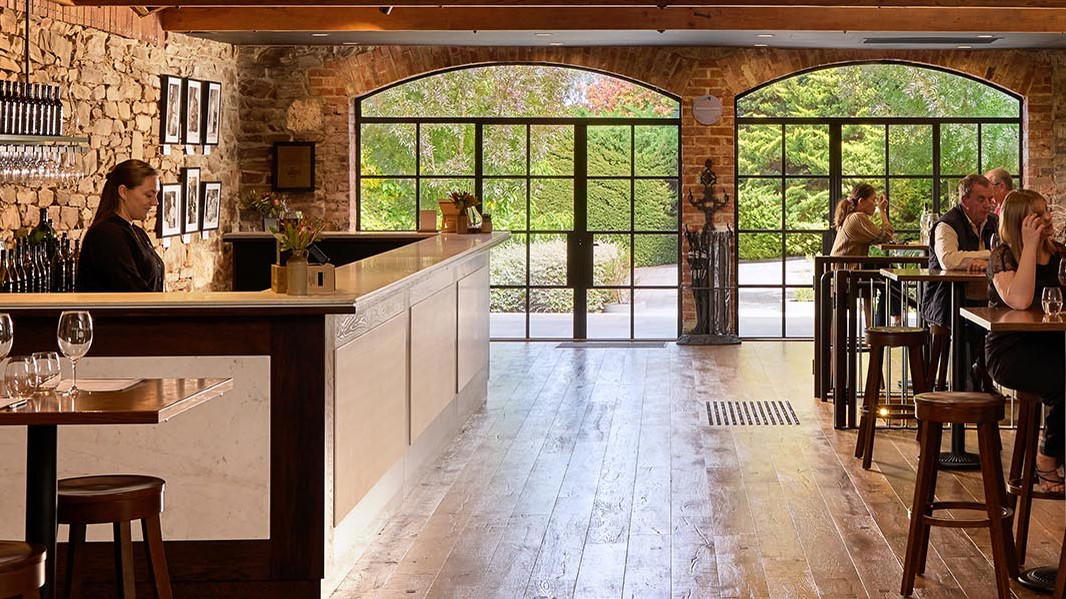
Discover the exclusive experience of a Henschke Hill of Grace visit, where you can explore the well-known winery, taste notable wines, and learn about its rich heritage firsthand. Book your tour today.
Discover the exclusive experience of a Henschke Hill of Grace visit, where you can explore the well-known winery, taste notable wines, and learn about its rich heritage firsthand. Book your tour today.
The email arrives quietly, a confirmation from Henschke's cellar door in Keyneton, South Australia, tucked into the Eden Valley hills above the Barossa. That confirmation is the access. Henschke does welcome visitors to its cellar door, and booking is possible directly through the estate, but the experience is calibrated, unhurried, and deliberately small in scale. Walk-ins are not the culture here. If you want to stand in the same room as a current Hill of Grace vintage and understand why a single block of pre-phylloxera Shiraz commands the attention it does, you plan ahead, contact the estate directly, and treat the visit as the destination it is.
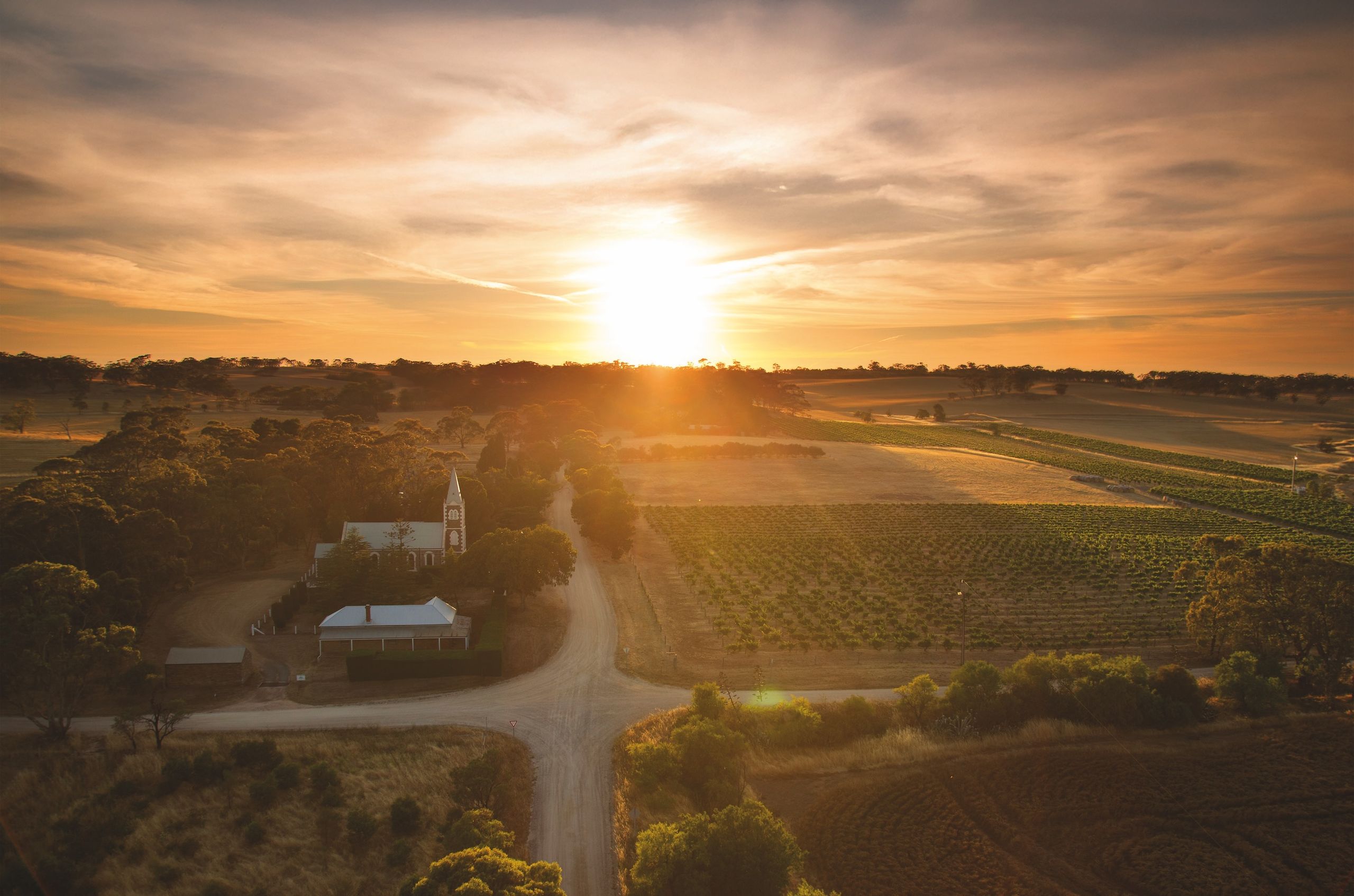
Keyneton sits roughly 70 kilometres northeast of Adelaide, in the polished Eden Valley sub-region where cooler nights preserve the acidity that makes Henschke's wines age so differently from floor-of-the-Barossa Shiraz. The cellar door itself is set within the historic estate, a working property, not a hospitality complex engineered for throughput. The architecture is stone and timber, the pace is measured, and the staff-to-visitor ratio is high enough that questions get real answers.
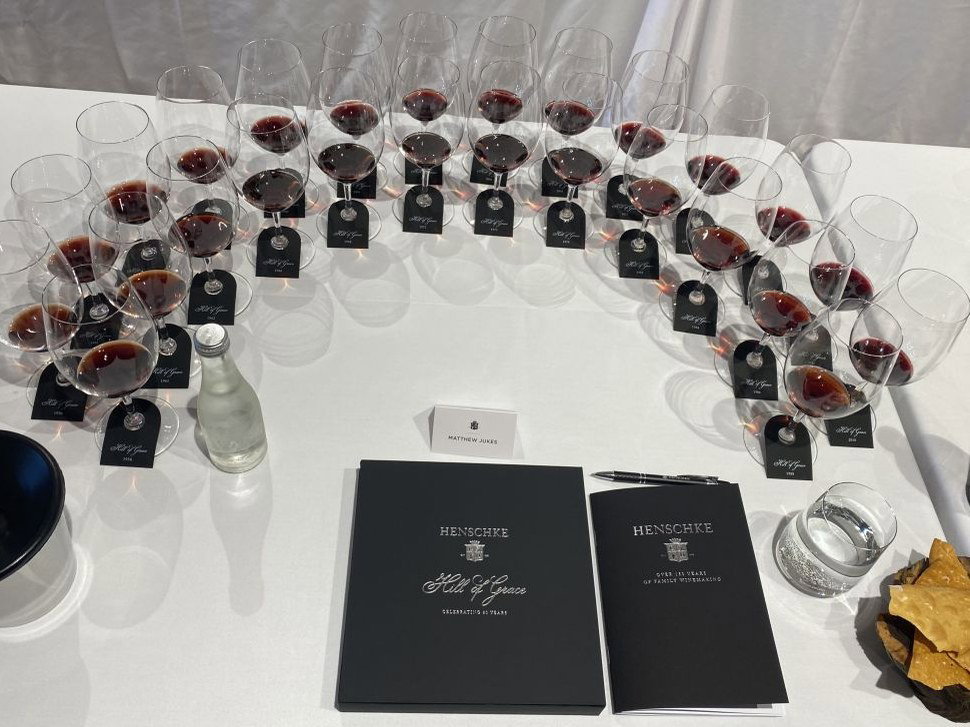
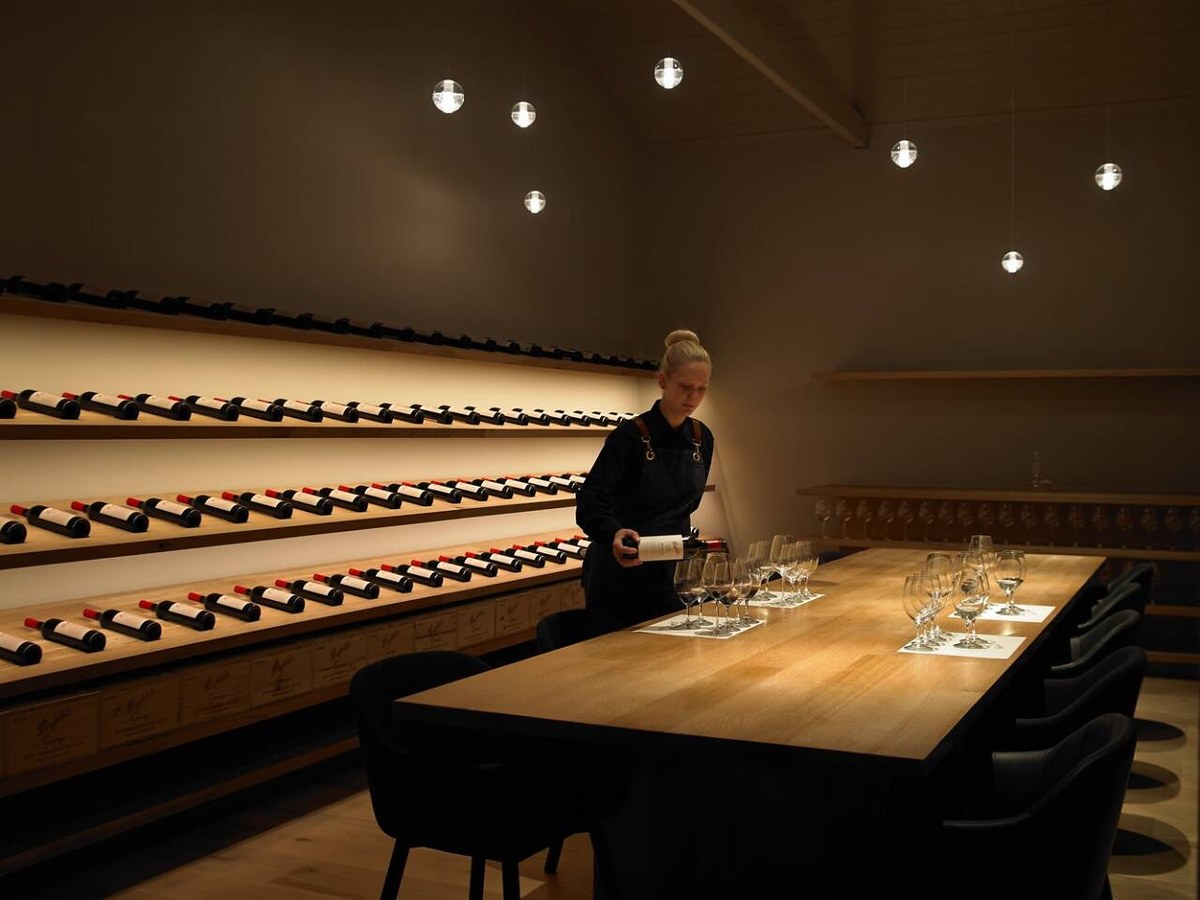
Tastings are structured rather than freeform. Each session runs one hour, seated,1 working through a curated flight of current releases, typically spanning the Eden Valley and Adelaide Hills ranges, with the Hill of Grace appearing as the centrepiece when the vintage is available. Tasting it in context, against the estate's Mount Edelstone single-vineyard Shiraz from the same vintage, or the Cyril Henschke Cabernet Sauvignon, clarifies what old-vine concentration actually means on the palate: the tannin structure is finer, the fruit more compressed, the finish longer than the numbers on a label can convey.
The estate's fifth-generation winemaking team, who have farmed biodynamically across the Hill of Grace block for decades, are occasionally present during visits, particularly for private or pre-arranged appointments. Whether you encounter them or not, the staff who conduct tastings carry the same depth of knowledge about individual parcels and vintage decisions.
Entry-level access starts with the Henschke Explorer tasting, five wines for $20 per person.1 Step up to the Henschke Distinguished tasting, six wines including three old-vine expressions, at $50 per person.1 Between 6 July and 5 September, the Barossa Legacy Collection experience is also available at $50 per person.1 Tasting fees are waived or redeemed against bottle purchases at the cellar door, except for the Hill of Grace or Mount Edelstone Experiences.1 Guided tours are offered as part of the Hill of Grace Experience and Mount Edelstone Experience, and must be booked in advance,1 these are the formats that bring you closest to the vineyard itself. Guests are not permitted to walk around the property or winery without a guide,1 so the guided experience is the only way to see the Gnadenberg Church block up close.
Henschke produces Hill of Grace in quantities that make it one of Australia's most allocation-constrained wines. The Gnadenberg Church vineyard block is pre-phylloxera Shiraz, and annual production varies with the vintage. The estate does not release Hill of Grace every year; in difficult vintages, the fruit is declassified into the broader Eden Valley range rather than bottled under the Hill of Grace label. That discipline keeps the wine scarce and the mailing list competitive. In Australia, a limit of one bottle per person was applied to the 2017 Hill of Grace vintage due to limited production,2 a constraint that signals how tightly the estate manages supply. The 2022 Hill of Grace is priced at $1,100.00,3 and the 2021 vintage was released globally on 7 May 2025, available through fine wine retailers, restaurants, and Henschke directly.4
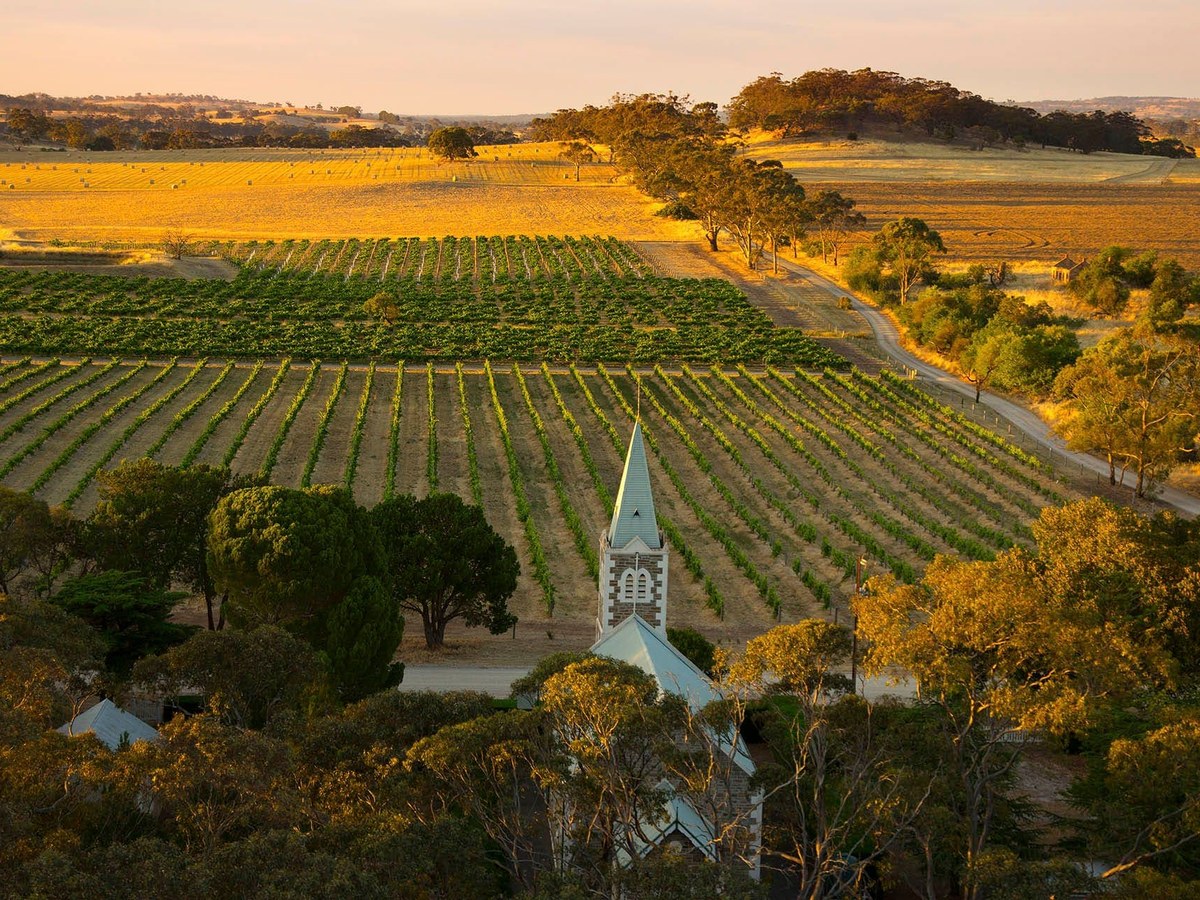
The cellar door reflects this scale. Keyneton is not Napa Valley, there is no tasting-room infrastructure designed to absorb hundreds of visitors a day. The estate prioritises depth over volume, which means appointment slots are limited and the experience is better for it. During peak South Australian wine tourism periods, harvest season in March and April, and the shoulder months of October and November, availability tightens further. Treat any slot as genuinely limited rather than a formality.
Contact Henschke directly to check availability, and do so well in advance of your intended travel dates, particularly if you are building an itinerary around a specific vintage release or a harvest-period visit.
Hill of Grace allocations follow a separate rhythm from cellar door visits. The wine is released to the estate's mailing list first, with retail and export allocations following. The release schedule is not publicly documented; if securing a bottle is part of your visit strategy, joining the mailing list before you travel is the logical first step. For sold-out vintages, Farr Vintners accepts expressions of interest at sales@farrvintners.com,5 a useful secondary route for collectors who missed the primary release.
Direct contact with the estate is the only channel that reliably works for a Henschke cellar door visit. Bookings can be made via the Henschke website, over the phone, or by email,1 there is no Resy page, no OpenTable listing, and no Tock profile. Be specific about your dates, your group size, and whether you have a particular interest in the Hill of Grace; that context helps the team match you to the right format. Groups of seven or more should contact the cellar door directly by phone at +61 8 8564 8223 or email cellardoor@henschke.com.au.1
The mailing list is the parallel access route for allocation. Joining it does not guarantee a cellar door appointment, but it establishes a relationship with the estate that compounds over time. Long-term mailing list members report better access to library vintages and occasional invitations to estate events, the kind of access that does not appear on any public booking page.
Wine tourism operators based in the Barossa and Eden Valley occasionally include Henschke in curated itineraries. This can be a useful route if you are visiting the region without existing contacts, though the depth of access varies by operator. Verify what is actually included, a group tasting at the cellar door is a different experience from a private appointment.
Merchant relationships matter for allocation, less so for visits. Australian fine wine merchants who carry Henschke, Langton's and specialist Adelaide retailers, can sometimes facilitate introductions, but the cellar door appointment itself still runs through the estate.
The collectors who visit Henschke repeatedly tend to do a few things that casual visitors don't. They join the mailing list years before they plan to visit, so by the time they arrive in Keyneton they are already known to the estate.
They ask specifically about the Hill of Grace vineyard block rather than treating it as a backdrop, the estate responds to genuine curiosity about the Gnadenberg site, the vine age, and the biodynamic farming calendar.
And they visit during the quieter months, late May through August, when the Eden Valley is cold and the tourist traffic is thin, rather than competing for slots during the October-to-April peak.
A winter visit to Keyneton, with the vines dormant and the hills clear, is a different experience from a harvest-season crowd, and the appointment is easier to secure.
The Eden Valley's wine calendar shapes when visits are most and least available. Harvest runs roughly February through April, when the estate is at its most operationally intense, cellar door appointments are possible but the team's attention is divided.
Post-harvest, May and June bring a quieter rhythm; this is when longer, more exploratory conversations about the vintage tend to happen. Spring, September through November, is one popular period for wine tourism in South Australia, and availability at the cellar door tightens accordingly.
The Hill of Grace release, when it occurs, typically generates a spike in enquiries; if you want to visit around a release, contact the estate well before the announcement rather than after.
The Adelaide Hills range, Croft Chardonnay, Giles Pinot Noir, follows a slightly different harvest calendar from the Eden Valley Shiraz, which can be useful context if you are timing a visit around a specific wine style rather than the Hill of Grace specifically. Walk-in customers are accommodated on a best-effort basis but cannot be guaranteed during busy periods,1 another reason to treat advance booking as non-negotiable rather than optional.
This visit rewards collectors and enthusiasts who already have a relationship with the wine, who have opened a bottle of Hill of Grace and want to understand the place behind it. It is not the right first cellar door experience for someone new to Australian Shiraz; the depth of the conversation assumes some prior engagement with the estate's range.
It is the right visit for someone who wants to stand in the Eden Valley and understand why the elevation, the old vines, and the biodynamic farming produce a wine that ages differently from anything else in the Barossa. It is also the right visit for anyone considering joining the allocation list, seeing the vineyard in person clarifies the commitment.
Groups work best when everyone shares the same level of interest. A mixed group where half the party is indifferent to wine will find the pacing slow; a group of four collectors who have all opened Hill of Grace before will find it too short.
| Estate | Region | Access Difficulty | Booking Route | Key Wine | Walk-ins? |
|---|---|---|---|---|---|
| Henschke | Eden Valley | High, appointment essential | Direct (estate website, phone, or email) | Hill of Grace Shiraz | Best-effort only; not guaranteed |
| Yalumba | Eden Valley / Barossa | Moderate, cellar door open most days | Direct or walk-in | The Octavius Old Vine Shiraz | Yes, with some formats |
| Penfolds Magill Estate | Adelaide (Magill) | Moderate, bookable online | Penfolds website / direct | Grange | Limited |
| Torbreck | Barossa Valley | Lower, cellar door accessible | Direct or walk-in | RunRig Shiraz/Viognier | Yes |
Yalumba in Angaston sits minutes from Keyneton and offers a more accessible cellar door experience without sacrificing Eden Valley depth, the Octavius Old Vine Shiraz is a serious wine from old Barossa vines, and the estate's history with Viognier is worth exploring alongside it.
Penfolds Magill Estate in Adelaide is the logical companion visit for anyone focused on Australian Shiraz at the summit level. The Grange cellar door experience is more structured and more bookable than Henschke, and the Magill Estate restaurant adds a dining dimension that Keyneton does not offer.
Torbreck in the Barossa floor offers a more spontaneous cellar door experience and a chance to taste RunRig, a Shiraz-Viognier blend that draws on some of the oldest vines in the valley, without the appointment complexity.
Yes, but only if you approach it as the estate intends. Henschke is not a cellar door you drop into between two other stops on a Barossa day trip. It is a destination that rewards preparation: join the mailing list before you travel, contact the estate directly with specific dates and genuine questions, and give the visit the time it deserves. The Hill of Grace vineyard is one of the oldest continuously farmed Shiraz blocks in the world, and tasting the wine in Keyneton, with the Gnadenberg Church visible from the estate and the biodynamic farming philosophy legible in every glass, is a different experience from opening a bottle at home.
The allocation list is the parallel commitment worth making. Cellar door access and bottle access are separate questions at Henschke, and the collectors who have both tend to have cultivated the relationship over years rather than secured it in a single visit. For most readers, the mailing list is the smarter long-term investment; the cellar door visit is what makes that investment feel like more than a transaction. Those who do both, who have tasted the wine in Keyneton and followed the releases across multiple vintages, tend to describe it as one of the more grounding experiences Australian wine has to offer.
Walk-ins are accommodated on a best-effort basis but cannot be guaranteed during busy periods. The cellar door is a small, appointment-driven operation, and arriving without prior contact risks finding no availability. Contact the estate directly, via the Henschke website, phone, or email, to arrange a visit before you travel to Keyneton.
The estate manages its own mailing list, and joining it is the primary route to Hill of Grace allocations. The sign-up process runs through the Henschke estate website. Confirm current allocation procedures directly with Henschke, as these can change between vintages. For sold-out vintages, Farr Vintners accepts expressions of interest at sales@farrvintners.com.
The Hill of Grace appears in tastings when the current vintage is available, but this is not guaranteed on every visit. When booking your appointment, ask specifically whether the Hill of Grace will be poured during your visit, the team can confirm what is currently open. The dedicated Hill of Grace Experience, which includes a guided tour, must be booked in advance and is one direct route to tasting the wine on-site.
The Henschke Explorer tasting (five wines) costs $20 per person. The Henschke Distinguished tasting (six wines including three old-vine expressions) costs $50 per person. The Barossa Legacy Collection experience, running from 6 July to 5 September, also costs $50 per person. Tasting fees are waived or redeemed against bottle purchases at the cellar door, except for the Hill of Grace or Mount Edelstone Experiences. Cancellations must be received at least 12 hours before your booking time for a full refund.
The quieter winter months, May through August, tend to offer easier appointment availability and a more unhurried experience. Spring (September through November) is peak wine tourism season in South Australia and competition for slots increases. Harvest (February through April) is operationally intense for the estate. If you are timing a visit around a Hill of Grace release, contact the estate before the release is announced rather than after.
Get the App
Take the shortlist into the En Primeur Club app for concierge access, saved places, and the next step after discovery.
Get Exclusive AccessMore from the editors