← Guides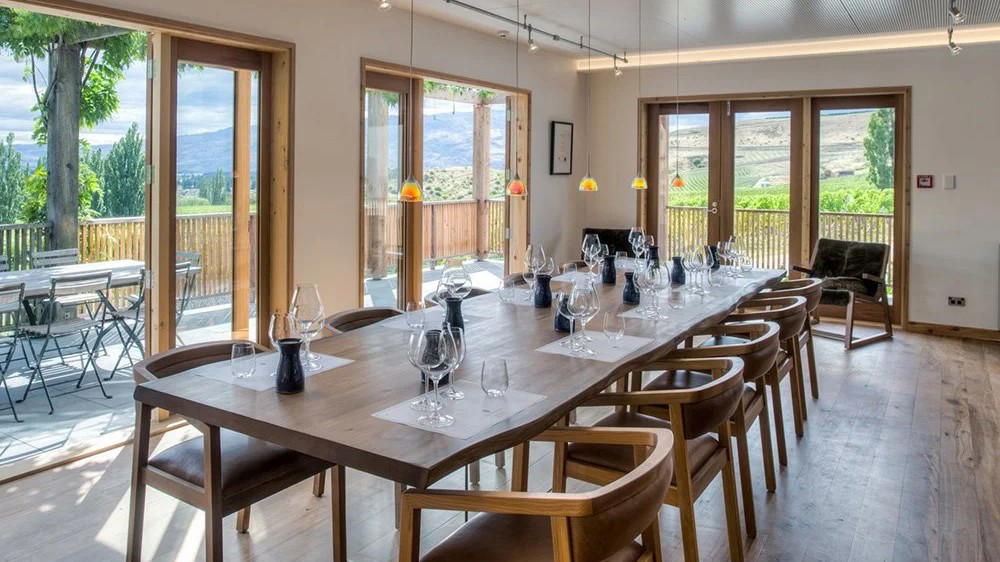
Felton Road in Person: How to Get In and What You'll See Yes, you can visit Felton Road, but you cannot simply show up.
Felton Road in Person: How to Get In and What You'll See Yes, you can visit Felton Road, but you cannot simply show up.
Yes, you can visit Felton Road, but you cannot simply show up. The winery does not operate a walk-in cellar door in the conventional sense, and its allocation list for particularly sought-after cuvées closes faster than most collectors realize. Felton Road wines often sell out before release,1 which means one reliable route for a first-time visitor is to contact the estate directly to arrange a tasting appointment before you land in Central Otago; for the wines themselves, joining the mailing list early is the only channel that consistently delivers bottles of Calvert or Cornish Point to your door.
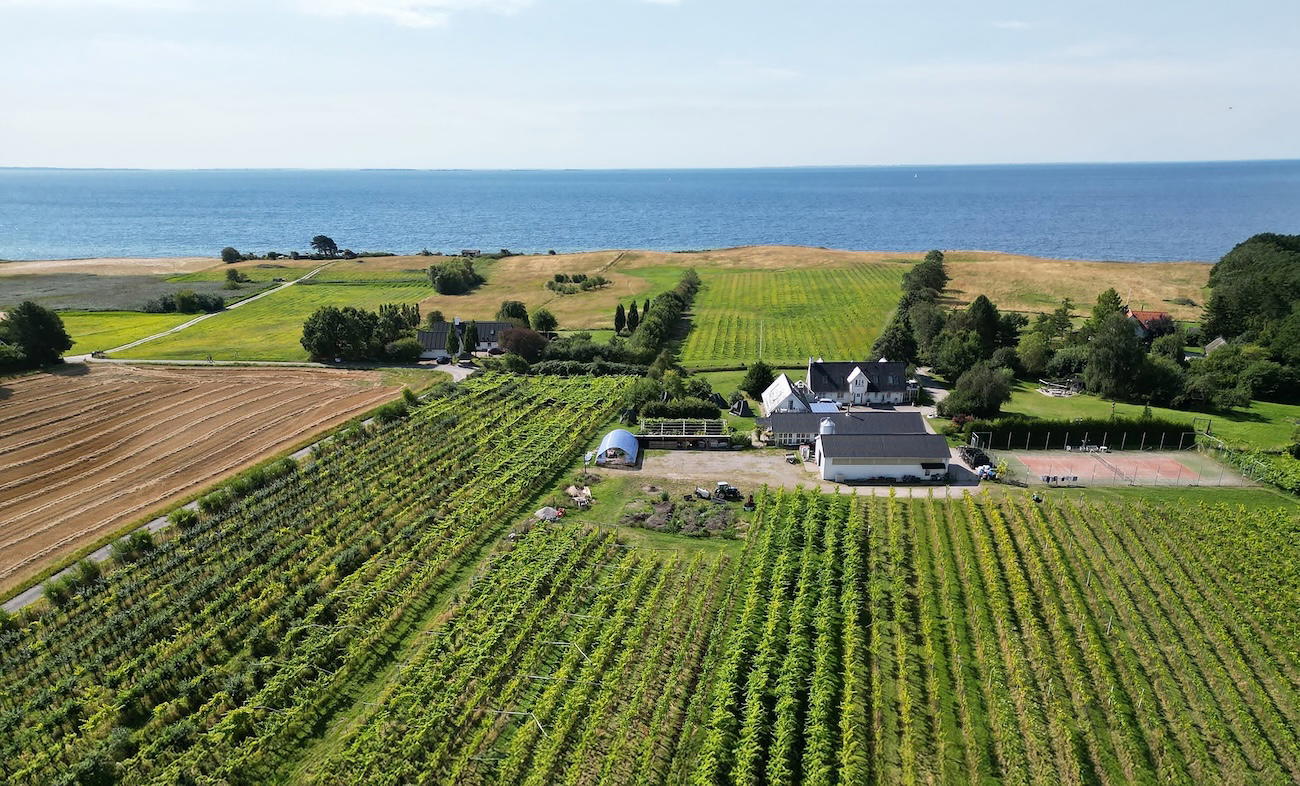
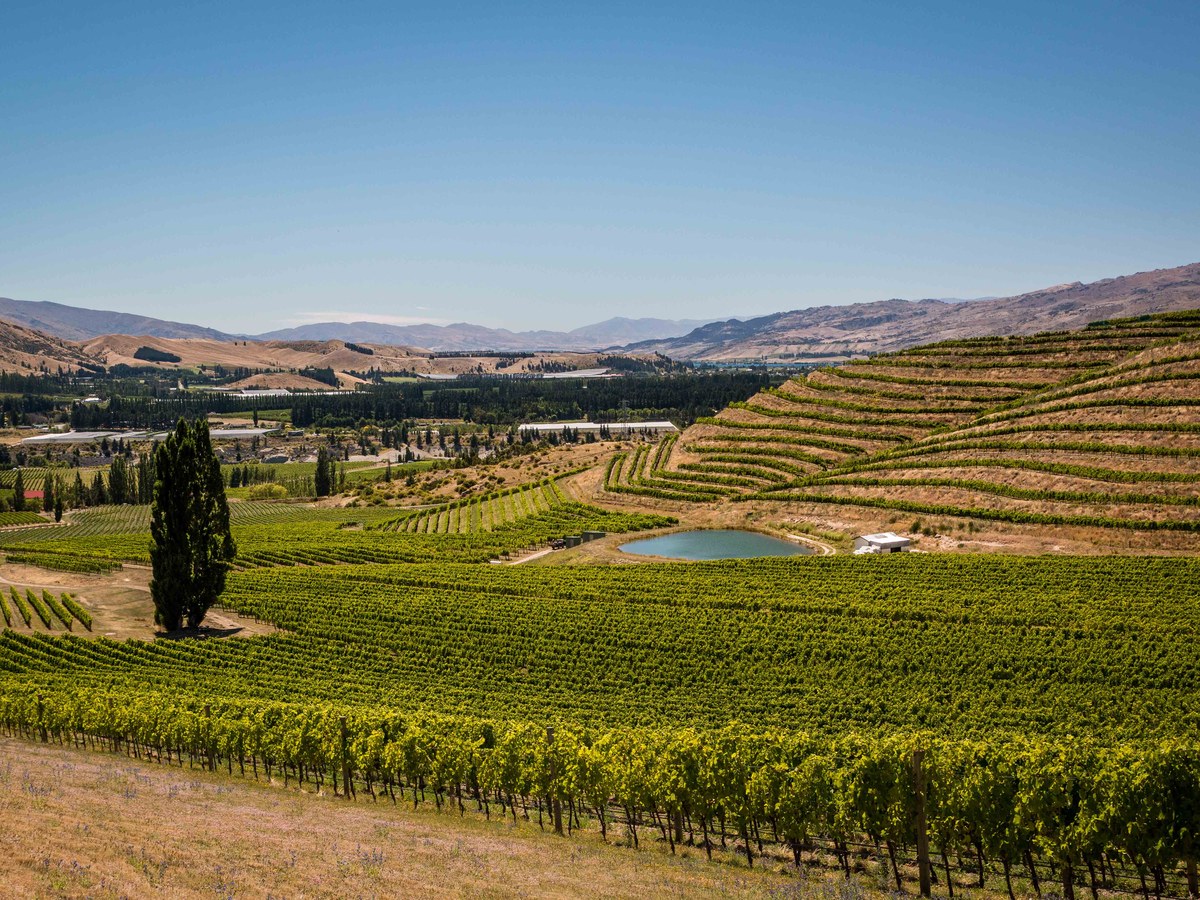
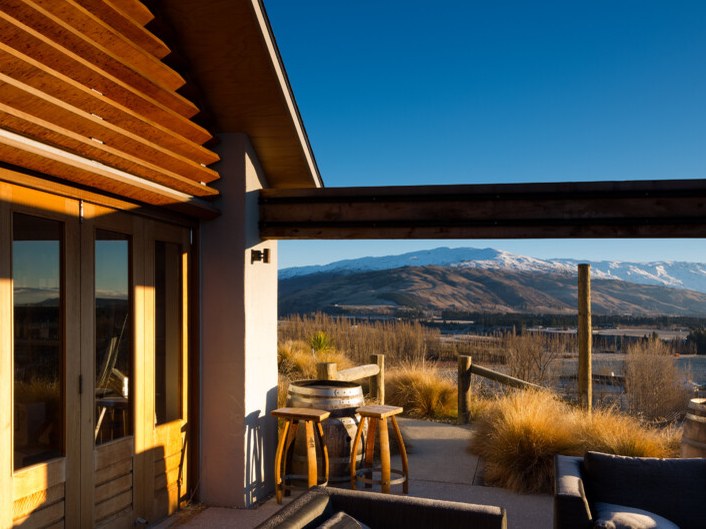
Felton Road sits on Felton Road in the Bannockburn sub-region of Central Otago, a landscape of schist rock, loess terraces, and a light so sharp it feels almost alpine. The winery itself is low-slung and functional rather than architecturally theatrical; the drama is entirely outside, where the Pinot Noir blocks climb the hillside in rows that separate the Calvert, Cornish Point, and Block 3 parcels. Tasting appointments typically take place in the winery's tasting room or, when conditions allow, outdoors with the vineyard as backdrop.
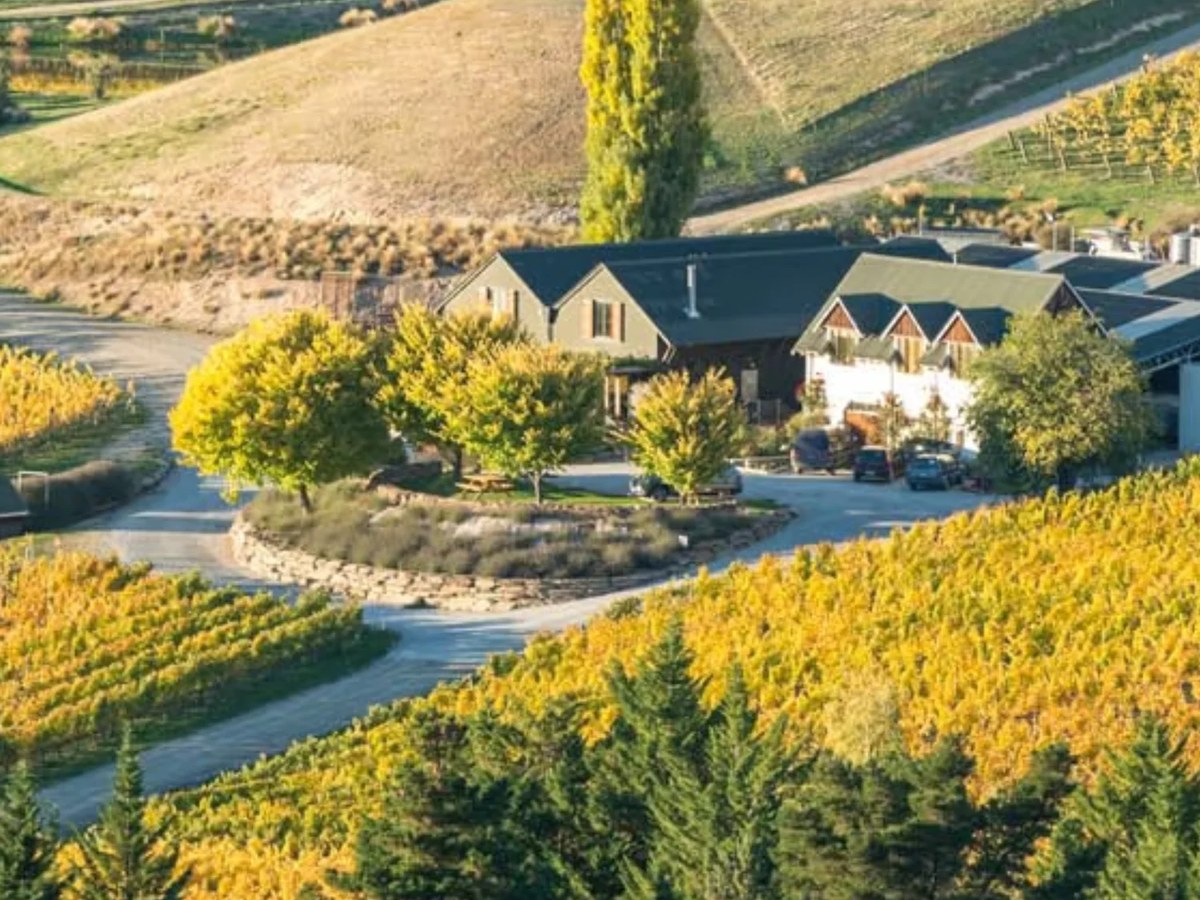
What you taste depends on what is currently in bottle and available. Felton Road's lineup runs from the estate Pinot Noir and Chardonnay through to the single-vineyard expressions, Block 3, Block 5, Calvert, and Cornish Point Pinot Noir, plus a Riesling that regularly outperforms its modest reputation. The winemaking team farms all estate vineyards biodynamically; the conversation during a tasting tends to move quickly from the glass to the soil, the vintage weather, and the specific parcel decisions that separate one block from another. This is not a pour-and-move-on experience. Expect questions to be answered in full.
The crowd at a Felton Road tasting skews toward serious collectors and wine-focused travelers who have planned their South Island itinerary around harvest or the post-harvest window. You are unlikely to share the room with a casual tourist who wandered off State Highway 6. The appointments are small, so confirm your party size when you book, and the atmosphere is closer to a working winery conversation than a hospitality performance.
The Bannockburn sub-region rewards a half-day. Felton Road's Bannockburn neighbours include Mt Difficulty next door on Felton Road and Carrick on nearby Cairnmuir Road, so a morning appointment at Felton Road followed by a walk or short drive to one or two neighboring producers makes a coherent day without feeling rushed.
Central Otago produces Pinot Noir on a scale that makes Burgundy's village appellations look generous. The entire region's annual output is a fraction of what a single large Côte de Nuits négociant might release in a year. Felton Road's annual production is capped at around 150,000 bottles, approximately 12,000 cases, across the full estate range,2 and the single-vineyard bottlings represent only a slice of that total. The Block wines are produced in such limited quantities and high demand that you have to join a waiting list to acquire one.3 Demand from collectors in New Zealand, Australia, the United Kingdom, and the United States consistently outpaces supply, and the winery's direct mailing list absorbs most of each vintage before it reaches retail.
The visit side of the equation is less competitive than the allocation side, but it is not frictionless. Felton Road is a working winery, not a hospitality venue with a permanent tasting room team. Appointments require advance planning, and the harvest period, roughly March through May in Central Otago's Southern Hemisphere calendar, limits availability as the winery's attention turns to the vintage. The post-harvest window from June onward and the pre-harvest summer months of December through February tend to offer more flexibility.
The estate also holds a formal policy of not raising prices beyond inflation, a commitment that keeps release pricing stable,1 which in turn makes the mailing list even more attractive relative to secondary-market alternatives. Block 3 and Block 5 Pinot Noir are priced at around $160 to $165 NZD at release, according to current listings,4 a figure that diverges sharply from what auction buyers pay for the same wines in sought-after vintages.
Confirm the current release schedule directly with Felton Road before planning travel around a specific bottling. The same applies to mailing-list enrollment: the winery manages its direct list privately. Contact the estate directly to ask about current list status.
For tasting appointments, the practical approach is to email the winery several weeks before your intended visit, longer lead time is better, particularly if you are traveling during the summer tourist season (December through February) or want to visit during harvest. The winery's contact details are on the Felton Road website; this is the only channel that leads to a confirmed appointment.
For the visit, there is one channel: direct contact with the winery via their website or email. No third-party booking platform lists Felton Road tasting appointments.
For the wines, the picture is more layered:
Money vs. time tradeoffs: The mailing list is the patient route, potentially a year or more before a first allocation arrives, at release pricing. The auction route is the instant route, with bottles available now but at secondary-market premiums that can run substantially above what direct-list subscribers paid. For collectors who want a specific back vintage, auction is the only realistic option regardless of list membership. Confirm any back-vintage availability directly with the estate.
The collectors who reliably receive Felton Road single-vineyard allocations share a few habits. They joined the mailing list early and have maintained a consistent purchase history, wineries at this level notice when a subscriber skips multiple releases. They also buy across the range rather than cherry-picking only a leading cuvées; purchasing the estate Pinot Noir and Chardonnay alongside the single-vineyard wines signals genuine engagement rather than speculative interest.
For the visit, the equivalent of "buying across the range" is arriving with genuine curiosity about the farming and winemaking rather than treating the appointment as a tick-box exercise. The winery team responds to questions about biodynamic practice, vintage variation between Calvert and Cornish Point, and the decision to keep Block 5 as a separate bottling. These are not difficult questions to ask, they are the natural questions for anyone who has spent time with the wines, and they make for a better appointment.
If the Felton Road list is closed or unresponsive, the second-wine entry point is the estate Pinot Noir, widely available through New Zealand retailers and a genuine expression of the Bannockburn terroir at a fraction of the single-vineyard price. Building a purchase history with the estate through the estate wine is a credible long-game approach to eventual single-vineyard access.
The drive from Queenstown to Bannockburn takes roughly 45 minutes. If you are already in Central Otago for the landscape, the Kawarau Gorge, the Cromwell Basin, the Clutha River, adding a Felton Road appointment to the itinerary requires minimal detour. The visit rewards collectors who want to understand why Bannockburn's schist-heavy soils and the diurnal temperature swings of the Cromwell Basin produce Pinot Noir with the structure and aromatic precision that separates it from Marlborough or Martinborough.
It is less suited to travelers who want a drop-in tasting experience with multiple pours and no prior knowledge required. The appointment format assumes some familiarity with the wines and the region. First-time visitors to New Zealand wine who want a more accessible introduction might find the Gibbston Valley or Arrowtown producers a better starting point before working up to Bannockburn.
| Producer | Visit Format | Booking Difficulty | Allocation Access | How to Book |
|---|---|---|---|---|
| Felton Road (Bannockburn) | Appointment only | Moderate, advance email required | Mailing list; single-vineyard cuvées scarce | Direct via feltonroad.com |
| Mt Difficulty (Bannockburn) | Walk-in cellar door + restaurant | Low, open daily (verify hours) | Retail and cellar door; more accessible | Walk-in or direct booking |
| Rippon (Wānaka) | Cellar door; appointment recommended for in-depth tastings | Low to moderate | Mailing list for Mature Vine Pinot; retail for estate range | Direct via rippon.co.nz |
| Burn Cottage (Cromwell) | Appointment preferred | Moderate | Mailing list; biodynamic single-vineyard Pinot | Direct contact |
| Amisfield (Lake Hayes) | Walk-in cellar door + bistro | Low | Retail widely available | Walk-in; bistro reservations direct |
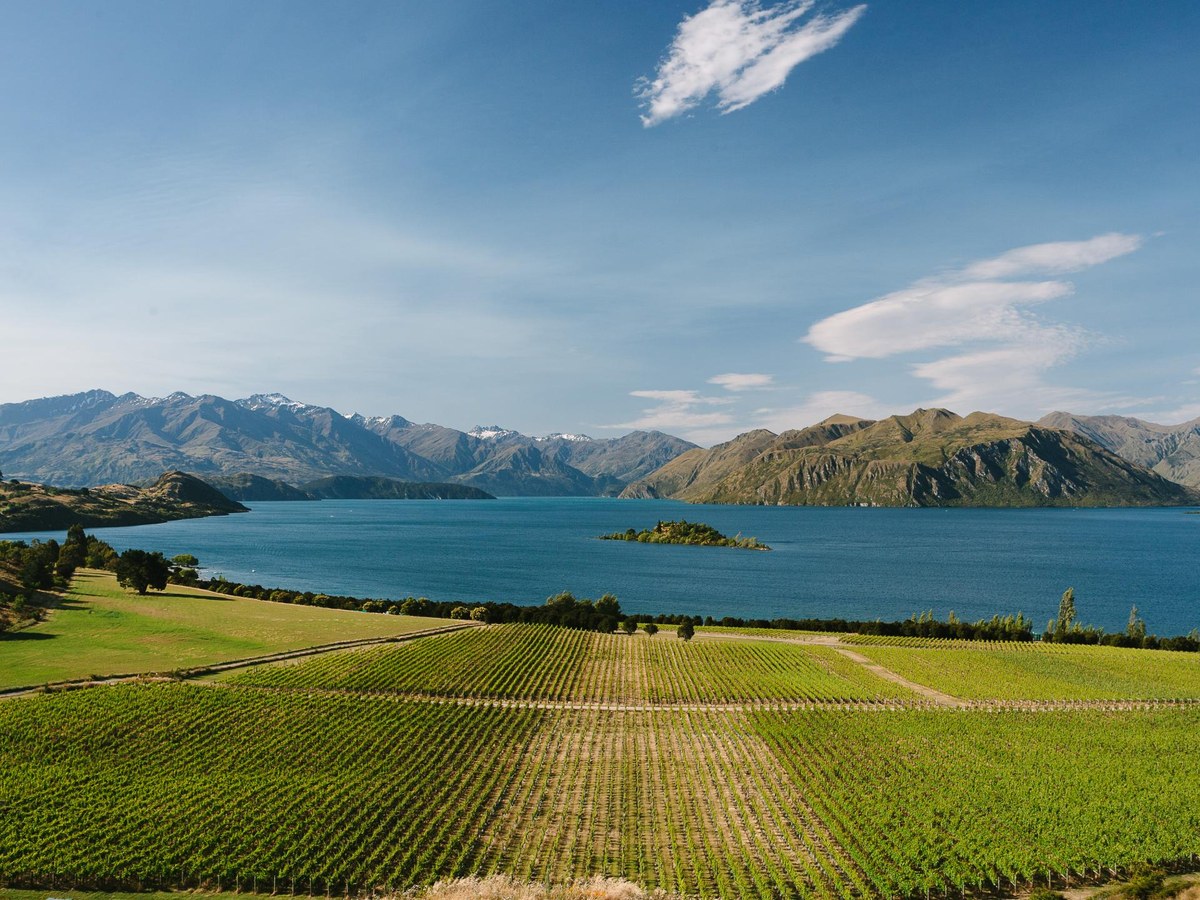
Mt Difficulty on Felton Road operates a walk-in cellar door and a restaurant with views across the Cromwell Basin, one accessible entry point to Bannockburn's terroir without an appointment. Rippon beside Lake Wānaka sets its vines against the snow-capped Southern Alps, and the Mature Vine Pinot Noir from the biodynamically farmed estate is a serious wine in its own right. Burn Cottage, also biodynamically farmed and founded by Marquis and Dianne Sauvage of Chicago, produces a single-vineyard Pinot from Cromwell that collectors tracking Central Otago's top tier should have on their list. Amisfield near Lake Hayes is one visitor-friendly option in the region, a bistro, a walk-in tasting room, and wines that are genuinely good without requiring a mailing-list relationship to access.
For anyone serious about Central Otago Pinot Noir, a Felton Road appointment is worth the planning effort. The wines, particularly Calvert and Cornish Point, sit at the summit of what New Zealand produces, and tasting them in the vineyard that made them, with the schist terraces visible through the window, is a different experience from opening a bottle at home. The visit is not difficult to arrange; it simply requires advance contact rather than a spontaneous detour.
The allocation question is harder. The mailing list is the only route that reliably delivers single-vineyard bottles at release pricing, and wines often sell out before release,1 which means whether new subscribers can join and receive an allocation promptly is something only the winery can confirm. The secondary market fills the gap for specific back vintages, at a price. For most collectors visiting Central Otago for the first time, the practical strategy is to book the appointment, taste across the range, buy what is available at the cellar door, and use that visit as the foundation for a longer mailing-list relationship. The estate Pinot Noir is a genuine wine, not a consolation prize, and it is the door through which most serious Felton Road collectors first walked. That patient entry, compounded over successive vintages, is how the deepest cellars of Bannockburn Pinot are built.
Felton Road does not operate a conventional walk-in cellar door. Tasting visits are by appointment, arranged directly with the winery via their website. Contact them well in advance of your visit, several weeks at minimum, longer during the summer tourist season or harvest period.
The winery manages its direct mailing list privately. The published route is to contact Felton Road directly through their website at feltonroad.com to inquire about current list availability. Whether new subscribers receive an allocation in their first year is not publicly documented, ask the winery directly when you make contact.
Wine club members receive a maximum of four bottles of the Block wine in each case order. This cap applies across the single-vineyard bottlings and reflects how tightly the winery manages supply relative to demand. Confirm current allocation terms directly with Felton Road, as these details are subject to change.
Specialist New Zealand retailers (Glengarry in Auckland, fine wine merchants in Wellington and Christchurch) occasionally carry single-vineyard bottlings when stock is available. In the UK and Australia, specialist importers hold allocations. For back vintages, auction houses including Webb's and Langton's are particularly reliable secondary-market sources, though prices reflect the scarcity of these cuvées.
Yes. The estate Pinot Noir and Chardonnay are available at the cellar door and through retailers, and the tasting appointment gives you access to the full current lineup including whatever single-vineyard wines are open. The visit also establishes a direct relationship with the winery, which is the practical foundation for any future mailing-list access.
Get the App
Take the shortlist into the En Primeur Club app for concierge access, saved places, and the next step after discovery.
Get Exclusive AccessMore from the editors