← Guides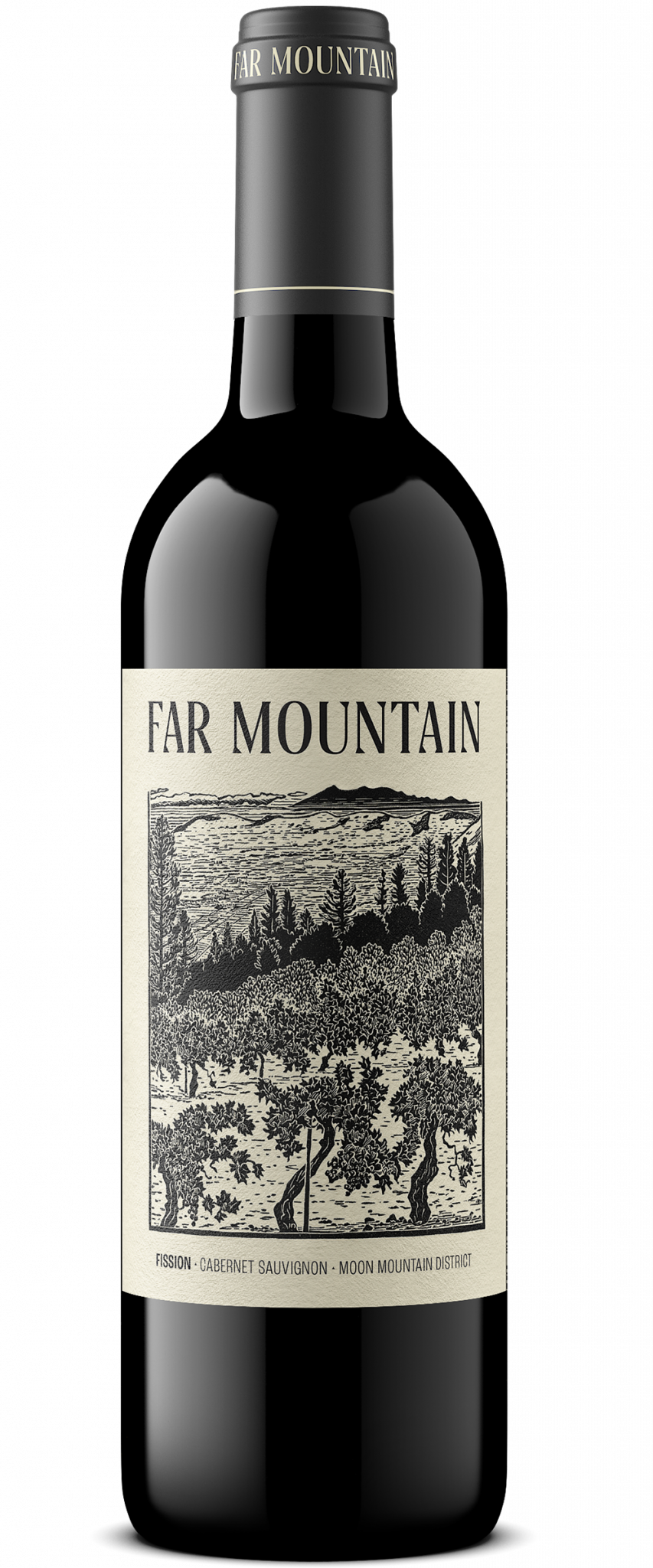
Rodrigo Soto and Mai Errazuriz are making dry-farmed Sonoma Cabernet that argues for Moon Mountain District as its own category.
Rodrigo Soto and Mai Errazuriz are making dry-farmed Sonoma Cabernet that argues for Moon Mountain District as its own category.
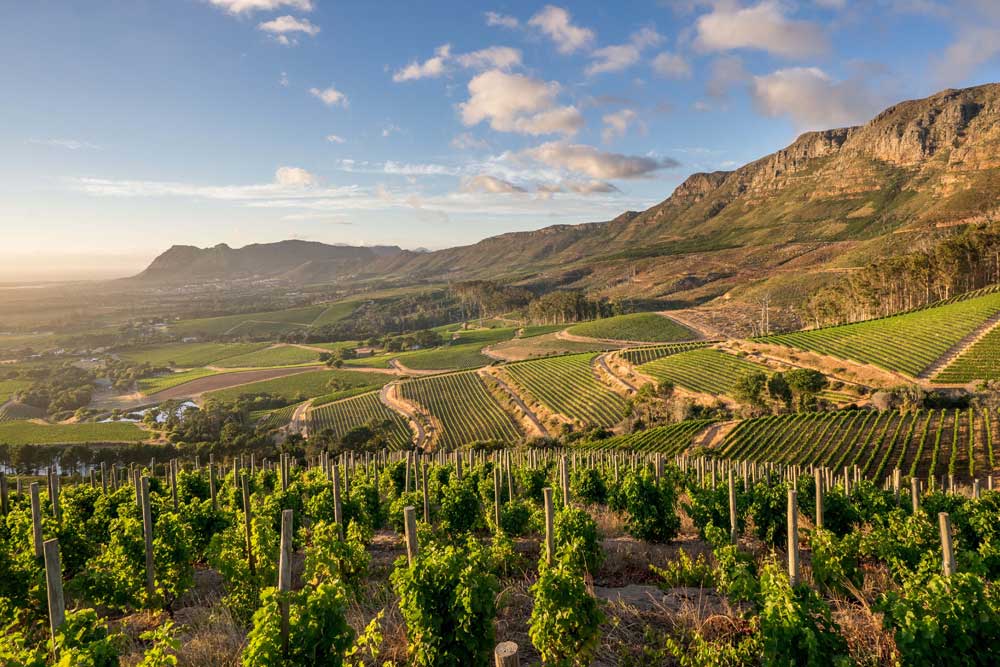
At about 1,600 feet on Moon Mountain, an old terraced Cabernet Sauvignon vineyard planted in the 1970s still pushes roots through fractured rock without irrigation. Far Mountain Cabernet is the Sonoma mountain project of Rodrigo Soto and Mai Errazuriz, built around dry-farmed, cool-climate Cabernet Sauvignon and Chardonnay from Sonoma Valley and Moon Mountain District. The ambition is precise: to see Moon Mountain District wines treated as their own category in restaurants and bottle shops, “sitting right next to Napa Valley.”
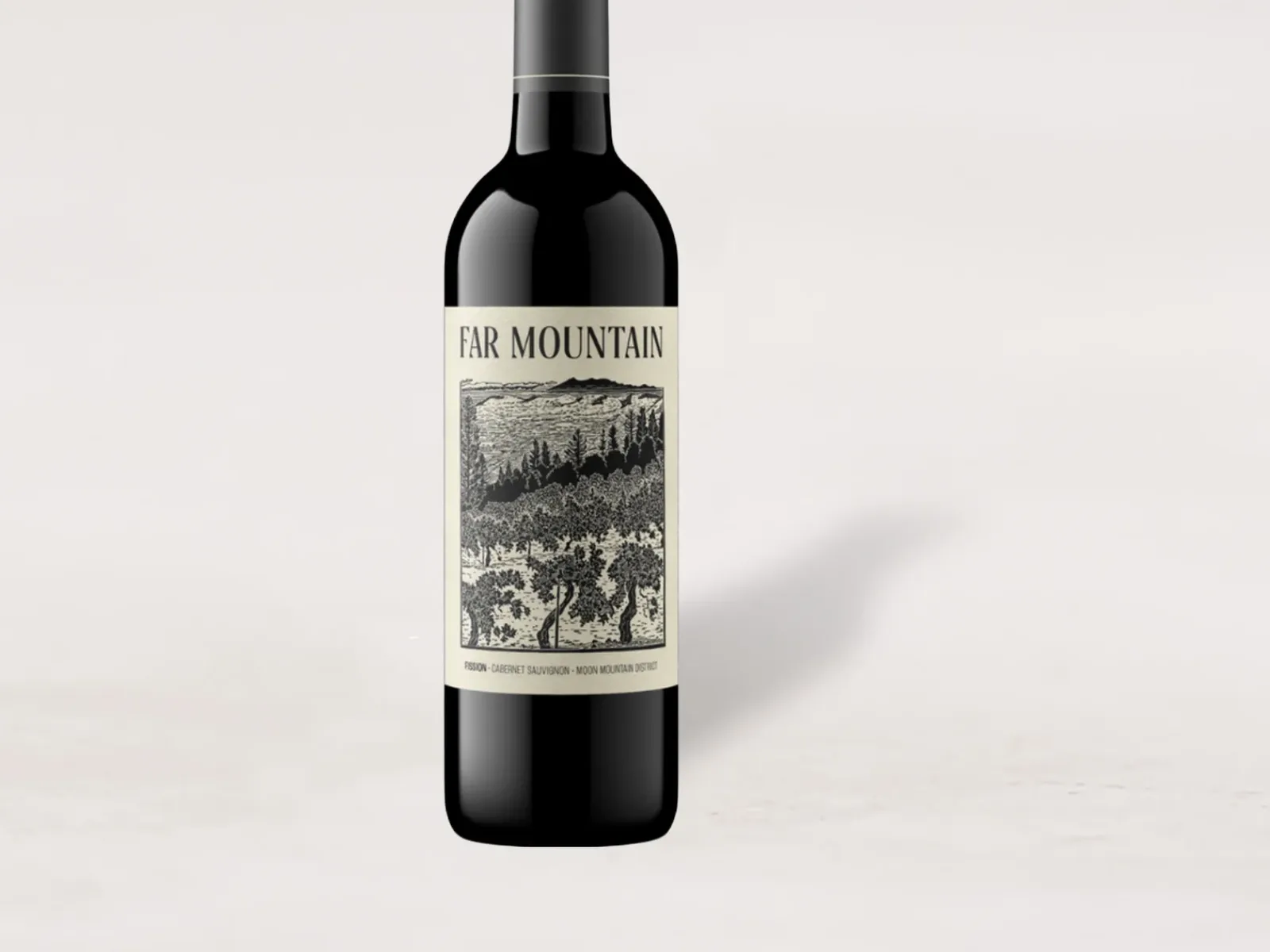
The 2023 releases give collectors real numbers to consider: 2,700 bottles each of Montecillo and Monte Rosso, 1,500 bottles of the Nunnery, with suggested retail around $100. Fission Cabernet Sauvignon comes mostly from Alta Vista Gold Ranch in the southern end of Moon Mountain District, while the vineyard-designate Cabernets draw the appellation in finer lines through Montecillo, Monte Rosso and the Nunnery.
Rodrigo Soto and Mai Errazuriz co-founded Far Mountain with a narrow, serious brief: Cabernet Sauvignon and Chardonnay from Sonoma Valley and Moon Mountain District, farmed in ways that foreground site rather than polish. Soto’s own résumé includes work as winemaker and estate manager at Quintessa, and his attention here is fixed on the qualitative elements that shape mountain wine, elevation, geology and microclimate.
Sonoma’s image still leans heavily toward Pinot Noir, while Napa remains the shorthand for Cabernet Sauvignon. Soto argues for a more granular reading of Sonoma, a large and diverse region with 19 sub-appellations. Moon Mountain District gives him the compelling case study: a mountain AVA with enough geological distinction to reward the same close reading collectors already bring to Napa’s best-known slopes.
The wines gained sommelier attention from the first vintage, and the restaurant response has been unusually pointed. Kevin Flannery encountered Far Mountain while building the wine program for his Chelsea restaurants, the established Vinyl Steakhouse and the newly opening VINILE Chophouse, in late 2024 and early 2025; among dozens of representatives and hundreds of pours, Far Mountain Myrna Chardonnay stood out for “a clear wow factor,” with notes of “apple, lemon zest, creme brulée, pear, seashells.”
A dedicated Moon Mountain District section on a wine list would change the conversation instantly. Instead of folding these bottles into a broad Sonoma heading, a sommelier could present them beside Napa Valley as mountain-grown Cabernet with its own appellation logic.
Moon Mountain District sits in the Mayacamas Mountains alongside Napa Valley, due west of Mount Veeder, sharing a border with both Napa and the Mount Veeder AVA. Soto first came to know the area in 2006 while working for a small family winery; official AVA recognition followed in 2013.
What distinguishes the appellation for Far Mountain is not merely proximity to famous Cabernet country, but the farmers and vineyards that make the wines legible. Phil Coturri, often called the father of organic grape growing, developed the Nunnery in 2022, adding a new site to a landscape already anchored by older mountain plantings.
Fission takes its name from the Latin word for fracture, a fitting cue for Cabernet grown largely from Alta Vista Gold Ranch, where rock and broken soils define the southern end of Moon Mountain District. Errazuriz links the name directly to the site’s geology: fractured soils, abundant stone and a wine meant to tell the place before it tells a style.
The vineyard is old, terraced and dry-farmed, with no irrigation. Its longevity comes from St. George rootstock and plantings that follow the hillside’s natural contours rather than forcing the land into a simpler shape.
John Filkins, corporate beverage director of Clyde’s Restaurant Group, pours both the Chardonnay and Far Mountain Fission Cabernet Sauvignon by the glass; the group operates Old Ebbitt Grill in Washington, D.C. Moon Mountain District and vineyard sourcing drew his attention first, but the wine also delivered at a compelling price point. For guests looking for organically farmed and sustainably produced bottles, the appeal is sharpened by “50-year-old, dry-farmed, low-density plantings of Cabernet Sauvignon” in Napa or Sonoma.
Montecillo, Monte Rosso and the Nunnery form the collectible core of Far Mountain’s vineyard-designate Cabernet Sauvignon range. All three properties are certified organic through CCOF, and each demands a different cellar approach because the soils and tannin profiles are distinct.
Montecillo’s pure red basalt soils bring iron, graphite and a strong mineral component, with a rocky tannin structure that reflects the site’s geology. Monte Rosso’s iron- and mineral-rich red soils produce wines that are plush and deep. The Nunnery, planted on white volcanic ash, shows spice, red-fruit character and chalky tannins; co-fermentation with Cabernet Franc adds brightness and earthiness through the mid-palate.
In the cellar, Montecillo and Monte Rosso spend one year in 40 percent new French oak barrels and a second year in a 2,000-liter foudre. Soto extracts earlier in fermentation for Montecillo, then works more gently to keep tannins soft; Monte Rosso receives more even extraction for persistence and polish. The Nunnery is handled with soft extraction throughout vinification to preserve freshness and aromatics before barrel and foudre aging in smaller, 1,000-liter vessels.
Far Mountain’s Chardonnay is not a side note; it is part of the same cool-climate argument. Myrna Chardonnay has already proved the point in a steakhouse context, where a precise, mineral-edged Sonoma white can introduce the producer before the Cabernet carries the Moon Mountain case more forcefully.

That sequencing matters for restaurants. Chardonnay remains fluent in Sonoma’s dining language, and Far Mountain uses that fluency without diluting the Cabernet project. The result is a producer whose range can move from bright, site-conscious white wine to mountain Cabernet with organic farming, dry-farmed vineyards and named parcels at the center.
The 2023 Far Mountain releases are small enough to reward early attention and priced in a way that invites comparison across sites rather than a single trophy purchase. Montecillo and Monte Rosso each amount to 2,700 bottles; the Nunnery is tighter still at 1,500 bottles; suggested retail is around $100.
For the cellar, particularly useful exercise is to treat the wines as a map. Fission introduces Alta Vista Gold Ranch and the southern end of the appellation. Montecillo and Monte Rosso show two established vineyard voices through different red-soil signatures. The Nunnery brings a younger Coturri-developed site into view, with Cabernet Franc adding another register to the Cabernet Sauvignon frame.
Errazuriz’s pricing philosophy is refreshingly direct: “For us one important thing is to be honest about the value of what we produce and make it as approachable as possible for wine consumers.” If Moon Mountain District is to earn its own line on serious lists, Far Mountain offers a persuasive start, scarce, site-specific Cabernet and Chardonnay with the farming, geology and restaurant traction to make collectors pay attention.
Get the App
Take the shortlist into the En Primeur Club app for concierge access, saved places, and the next step after discovery.
Get Exclusive AccessMore from the editors