← Guides
Chalk Hill’s American Winery of the Year honor points back to a 1,300-acre Sonoma estate built around Chardonnay and ash-rich soils.
Chalk Hill’s American Winery of the Year honor points back to a 1,300-acre Sonoma estate built around Chardonnay and ash-rich soils.
Chalk Hill Winery has been named Wine Enthusiast’s American Winery of the Year, an honor tied directly to a 1,300-acre Sonoma County estate long associated with California Chardonnay. It rests on a cool appellation near the northeastern corner of the Russian River Valley, light ash-rich soils, less than one-third of the estate planted to vine, and an estate Chardonnay program that still uses native fermentation and sur lie aging with weekly stirring.
Chalk Hill’s importance comes from the way one Sonoma estate can deliver multiple readings of Chardonnay, from high-tone and fresh to ornate and rounded, without detaching the wines from their appellation.
The estate’s center of gravity remains Chardonnay. Wine Enthusiast tied Chalk Hill closely to Chardonnay, a framing that fits the property’s long association with California’s most scrutinized white grape. That association is about more than a single bottling. Chalk Hill produces a range of Chardonnay styles, and the estate has continued to refine its choices around aspect, rootstock, spacing and clones, including Clone 97, also known as the Chalk Hill clone.
Native fermentation gives the estate Chardonnay program a continuity of method.
If your Sonoma trip usually pulls you toward Russian River Pinot Noir or coastal Chardonnay, Chalk Hill asks for a slightly different lens: estate scale, slower Chardonnay ripening, and a property where vineyard blocks sit within a broader certified sustainable estate.
Fred Furth founded the Sonoma County estate that became Chalk Hill more than half a century ago. The property spans 1,300 acres, and its history is inseparable from the appellation that shares its name.
Bill Foley acquired Chalk Hill from Furth in 2010. Foley already understood the site as a Chardonnay address, especially for the rich, full-bodied style he preferred, but the vineyards changed the scale of the opportunity in his own telling. “I thought, this is daunting, but it’s iconic. It’s been here since the ’70s. I knew Chalk Hill and thought, if I’m looking for something distinctive that I can really make beautiful…this is probably the place,” said Bill Foley1
That 2010 acquisition matters because Chalk Hill did not become a blank canvas under new ownership. The Foley Family Wines team worked within an existing estate identity, then pushed into more detailed Chardonnay work through aspect, rootstock, spacing and clones. They speak to block-by-block farming choices and to the long patience needed for a mature estate to refine itself.
Darrell Holbrook supplies another layer of continuity. The winemaker has worked at Chalk Hill since the 1990s, which gives him practical memory across ownership, vineyard decisions and stylistic adjustments. At an estate with more than one thousand acres and many possible Chardonnay expressions, that kind of tenure carries value because it ties present wines to past choices in the vineyard.
Chalk Hill also produces a smaller selection of red wines, and those bottlings give visitors another angle on the estate’s corner of Sonoma. The award is tied to Chardonnay because the variety has defined Chalk Hill’s reputation for decades. Within Chalk Hill’s Chardonnay range, the fresher wines can be compared with the fuller, rounded style that first drew Foley’s attention.
Chalk Hill is a large certified sustainable estate that has kept its Chardonnay practices in place. Courtney Foley, Executive Vice President of Foley Family Wines, has linked the estate Chardonnay directly to methods that predate the current moment. “We haven’t changed the style [of the estate Chardonnay] that much since David Ramey was around. We still do native fermentation,” said Courtney Foley2
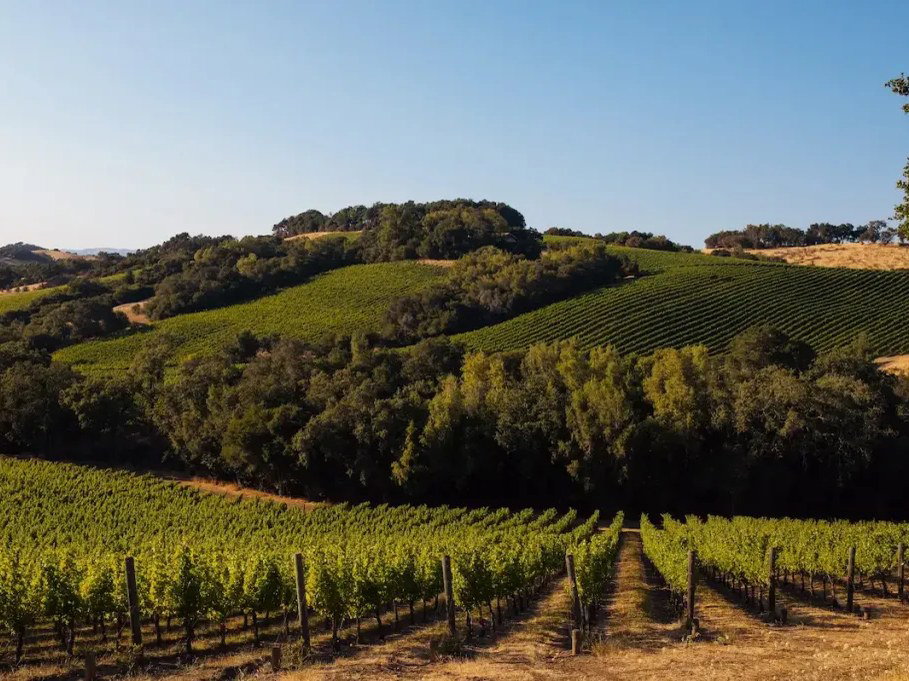
Native fermentation, sur lie aging and weekly stirring are tangible cellar choices. In Chardonnay, they influence texture, aromatic breadth and the way richness is built. Chalk Hill holds native fermentation, sur lie aging and weekly stirring alongside a broad range of California Chardonnay styles.
The sustainability piece also has substance because it relates to land use. Chalk Hill Estate encompasses well over a thousand acres, and less than a third is planted to vine. Courtney Foley has identified that balance as central to the final wine, and she has no plan to substantially alter the ratio. On a property of this size, restraint in planting becomes an estate-defining choice.
The certified sustainable estate is home to animal life that helps keep the vineyard in balance with its surroundings. Chalk Hill’s award reflects both the farm and the cellar. Chalk Hill is a 1,300-acre property with under one-third vines and a Chardonnay identity shaped by planted and unplanted land.
The Chalk Hill appellation sits as a cool pocket of light, ash-rich soils near the northeastern corner of the Russian River Valley. Those conditions allow Chardonnay to ripen slowly, giving the grape the potential for structure across several styles. Chalk Hill adds a specific Chardonnay address near the Russian River Valley.
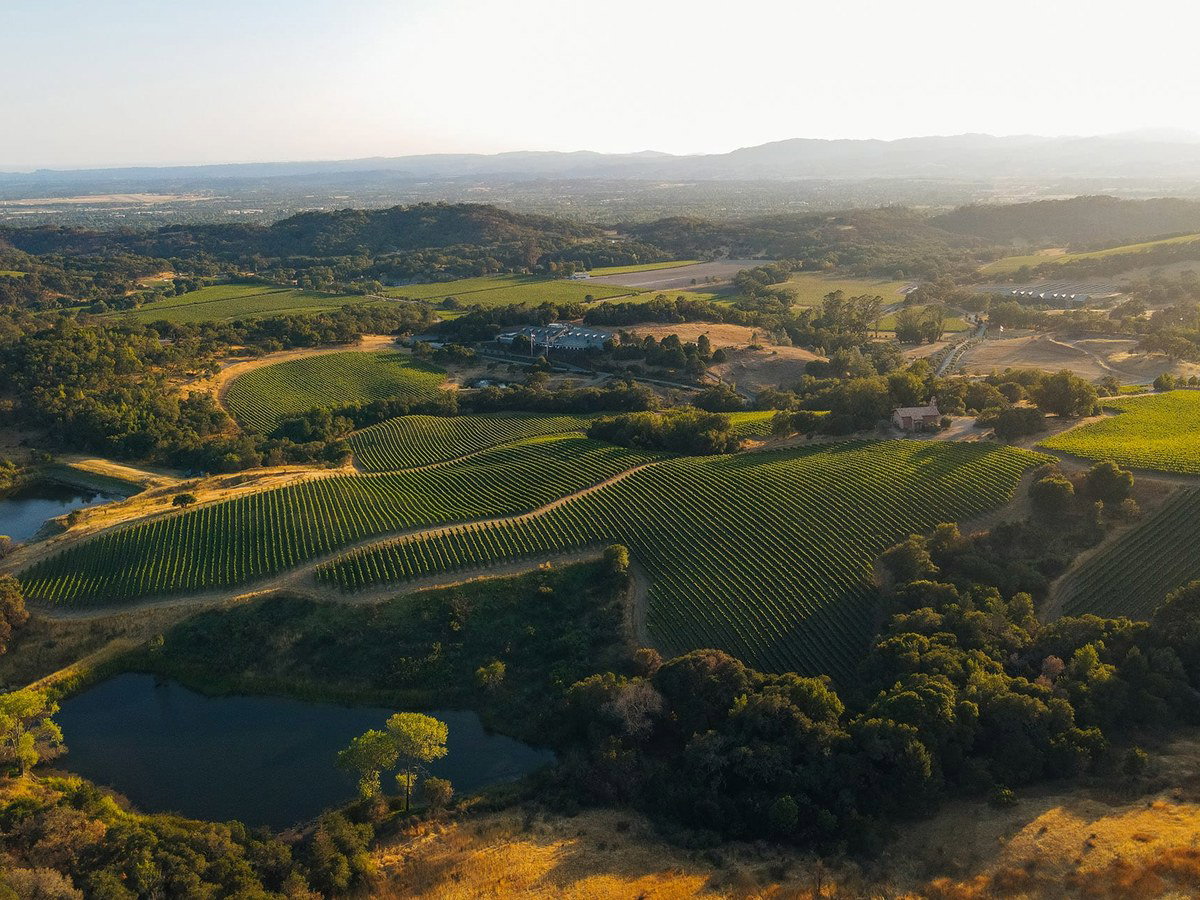
The ash-rich soils are part of Chalk Hill’s estate identity. Slow ripening gives Chalk Hill room to work with Chardonnay in multiple registers, from high-tone and fresh bottlings to richer, full-bodied expressions. That spectrum explains why the estate can appeal to collectors who favor breadth and texture as well as drinkers who want a cooler edge in the glass.
Chalk Hill Winery also sits at a useful intersection for travel. The estate belongs to Sonoma County, draws context from its proximity to the Russian River Valley, and retains the identity of its own appellation. Chalk Hill can sit beside Russian River tastings, with differences in soil description, estate scale, Chardonnay emphasis and the decision to keep most of the property outside vine rows.
If a producer can show meaningful stylistic range from a defined place, the wines become useful benchmarks in a cellar, especially when opened against other California Chardonnay regions. Chalk Hill’s American Winery of the Year honor will likely draw fresh attention to that comparative role, particularly among drinkers who have followed California Chardonnay’s move between richness and tension over recent decades.
Chalk Hill Winery now has a national accolade attached to a story that was already legible in the vineyard: a 1,300-acre Sonoma estate, less than one-third planted to vine, certified sustainable farming, and a Chardonnay program rooted in native fermentation and sur lie aging.
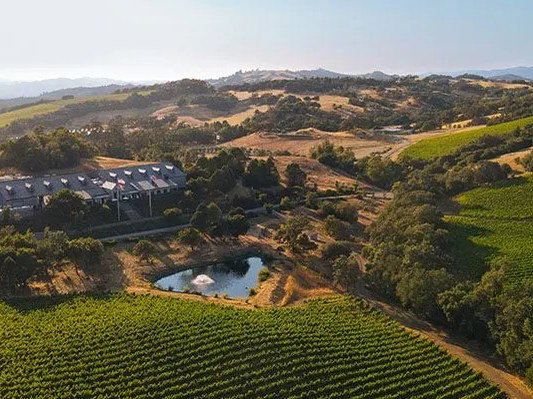
Chalk Hill’s Chardonnay range includes fresher and more ornate styles among California wines from cooler Sonoma sites.
Chalk Hill has appellation context for Sonoma travel. The northeastern edge of the Russian River Valley gives Chalk Hill a Chardonnay reference distinct from the coastal-influenced addresses that dominate many Sonoma conversations.
Fred Furth’s founding more than half a century ago, Bill Foley’s 2010 acquisition, Darrell Holbrook’s tenure since the 1990s and Courtney Foley’s insistence on keeping core Chardonnay practices in place all point in the same direction. Chalk Hill’s next chapter will be measured by how clearly each new release translates its ash-rich Sonoma site into Chardonnay with structure, range and estate memory.
Chalk Hill Winery sits near the northeastern corner of the Russian River Valley in Sonoma County. The appellation is cool, with light, ash-rich soils that shape the estate’s Chardonnay identity.
The Chalk Hill estate spans 1,300 acres. Less than one-third of that land is planted to vine, which is part of what gives the property its broader estate character.
Chalk Hill is closely associated with estate Chardonnay and produces a range of styles, from fresh and high-toned to richer and more rounded. Its Chardonnay program includes native fermentation and sur lie aging with weekly stirring.
Bill Foley acquired Chalk Hill from founder Fred Furth in 2010. The article frames Foley’s purchase as a continuation of a Sonoma estate already known as an well-known Chardonnay address.
Get the App
Take the shortlist into the En Primeur Club app for concierge access, saved places, and the next step after discovery.
Get Exclusive AccessMore from the editors