Rarely, and almost never on your own initiative. Gaja1 does not operate a public tasting room, does not list visits on a booking platform. Access to the estate in Barbaresco is by private invitation or through a carefully managed trade and press channel, and even those routes are tightly controlled. For most collectors, the wine is far easier to acquire than the visit. That said, there are legitimate paths in, and knowing which ones actually work changes the odds considerably.
Inside the Gaja Cellars: What the Visit Looks Like
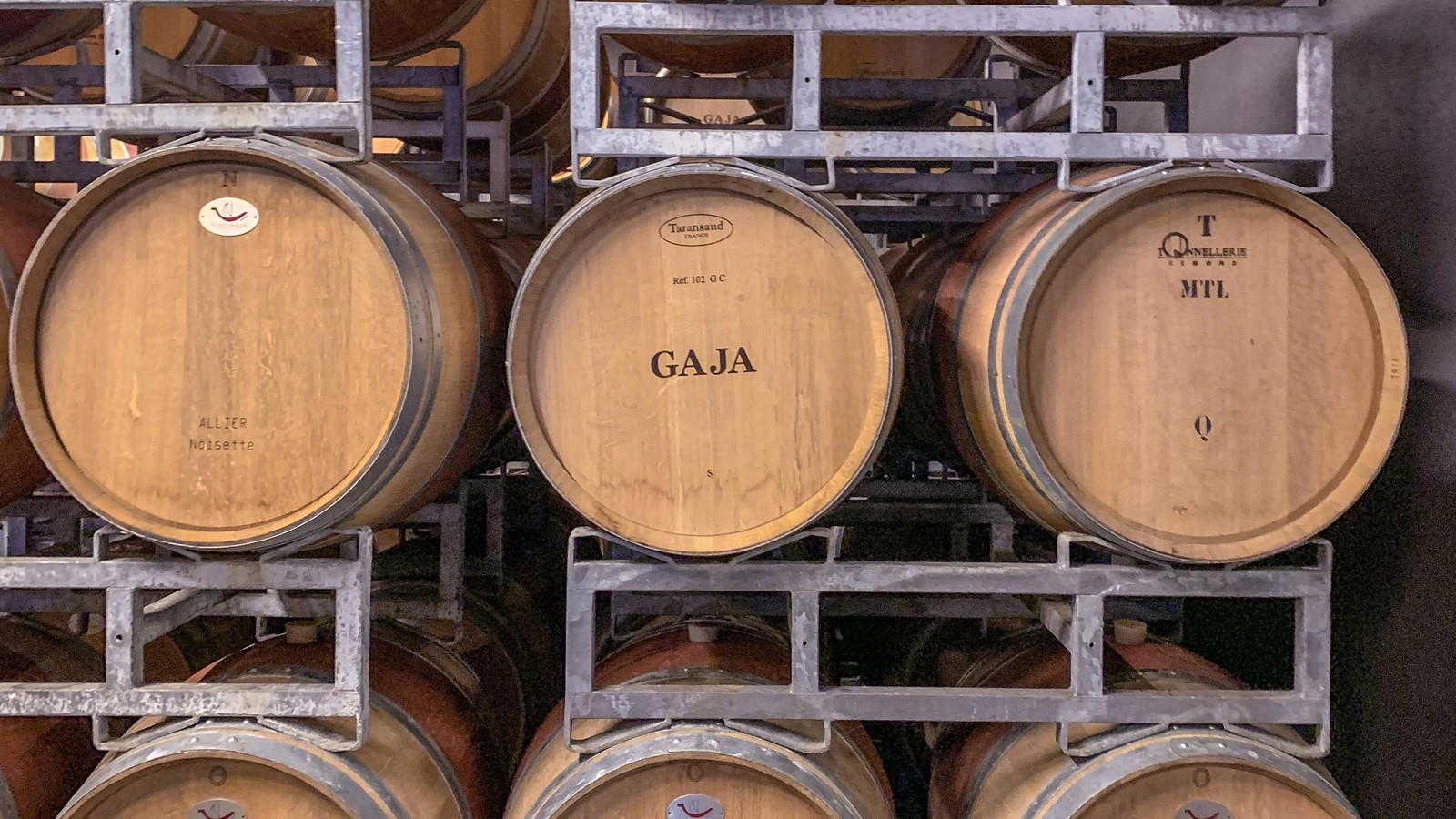
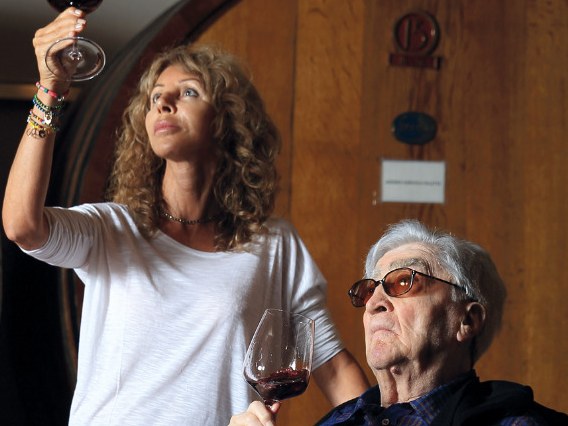
The Gaja estate sits at the heart of Barbaresco village,2 the cellars running beneath the family's historic palazzo on Via Torino, the vineyards of Sorì Tildìn and Sorì San Lorenzo visible from the upper windows. A visit, when it happens, is not a ticketed tour with a gift-shop exit. It is a private appointment, typically hosted by a member of the family or a senior estate representative, moving through the barrel cellar where Nebbiolo ages in Slavonian oak botti alongside a proportion of smaller French barriques, a blend that the estate began shifting in the 1980s and has continued to refine.
The tasting format is not standardized. By most accounts from trade visitors, the session covers current releases alongside at least one older vintage, the kind of vertical context that makes the Barbaresco appellation legible in a way that no retail tasting replicates. The cellar itself is compact and working; this is not a designed visitor experience but a functioning production facility, which is precisely what makes it worth the effort.
Confirm the format and length directly when arranging access through whichever channel applies to your situation.
Why the Gates at Barbaresco Stay Largely Closed
Gaja produces wine from roughly 250 acres in Piedmont and about 585 acres in total across Piedmont and Tuscany, a scale that sounds generous until you consider that the Barbaresco single-vineyard cuvées (Sorì Tildìn, Sorì San Lorenzo, Costa Russi) are produced in quantities that make them genuinely scarce at retail. The estate's priority has always been the wine, not the visitor experience. The family built its international reputation through the bottle, not the cellar door, and that philosophy persists under the current generation's stewardship.
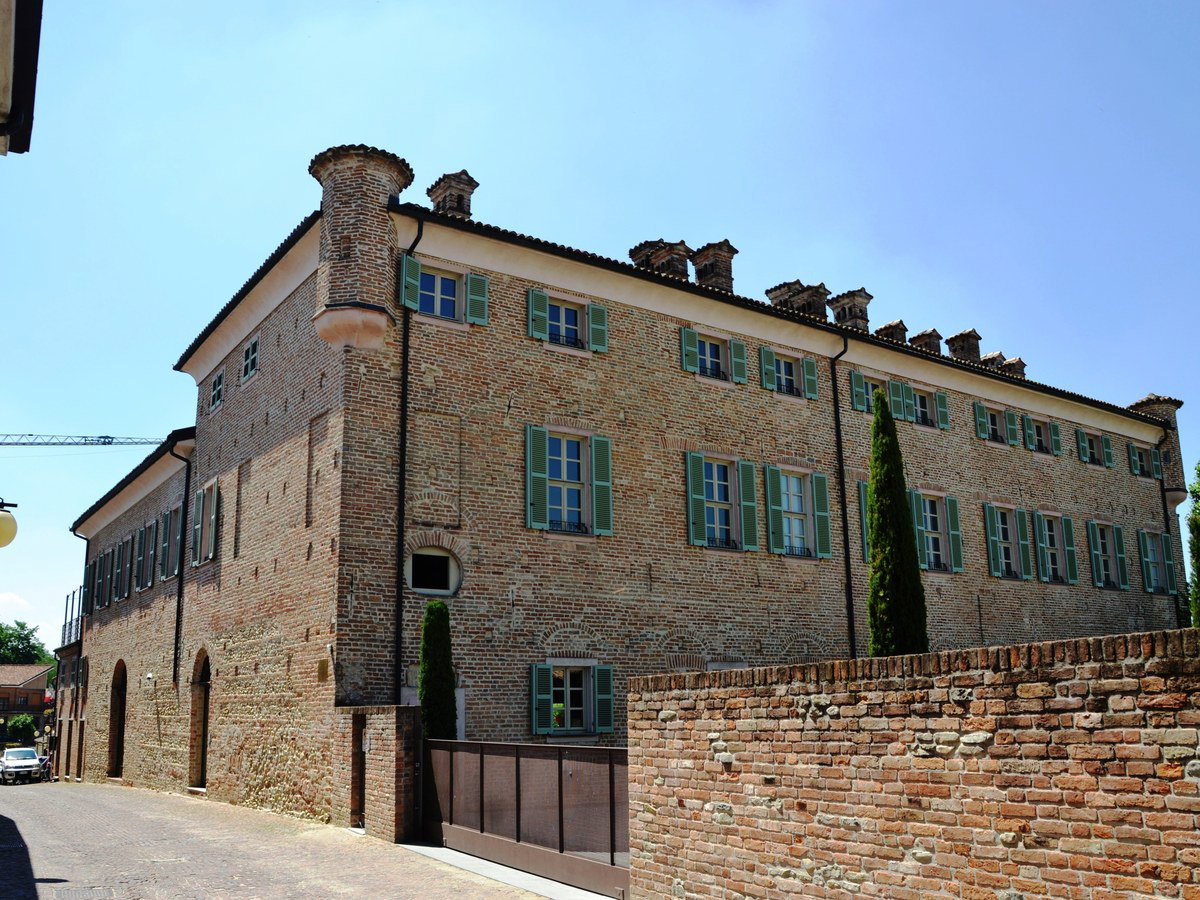
The practical consequence is that the estate fields far more visit requests than it can accommodate. Trade buyers, importers, journalists, and serious collectors all compete for the same limited appointment slots. There is no public waitlist, no online booking form, and no indication that either will appear. The estate does not take visit bookings through any online portal,3 which means a cold inquiry from an individual collector, without an existing relationship or a warm introduction, has no obvious digital front door to knock on.
Harvest season (late September through October in Barbaresco) concentrates demand further. The estate is at full operational intensity during those weeks, and visitor access during harvest is, by most accounts, reserved for the closest trade relationships.
When the Window for a Gaja Visit Opens
There is no equivalent of an en primeur tasting week, no annual open day, and no harvest festival with public access. The Langhe wine region does host broader events, Nebbiolo Prima in spring and the Alba Truffle Fair in October and November draw trade and press to the area, but Gaja does not participate in these as a public tasting venue.
One realistic seasonal window, based on how Piedmontese estates typically manage trade visits, is late winter through spring (February to May), when the cellar is quieter and the estate is between the harvest push and the summer tourist peak. This is when importers tend to schedule their annual producer visits, and a collector traveling with or through an established importer relationship has a stronger chance of being included.
Confirm availability and format directly with the estate or through your importer before building a trip around a Gaja appointment.
The Channels That Yield Access
There are three routes that collectors report as having worked, ranked by realistic probability:
1. Through your importer or merchant. Gaja's international distribution network is one reliable path. If you have a purchase history with a fine wine merchant who holds a Gaja allocation, Berry Bros. & Rudd in the UK, Wilson Daniels in the US, for example, that merchant's representative may be able to include you in a trade visit. This requires an existing relationship and, typically, a track record of buying Gaja wines through that channel. A cold call to a merchant asking for a Gaja visit introduction is unlikely to work; a conversation with a merchant you already buy from is worth having.
2. Direct contact with the estate. Gaja does not take visit requests through an online booking form,1 so direct contact means reaching the estate by post or telephone at Via Torino 5, 12050 Barbaresco (CN).2 A well-framed inquiry, specific about who you are, your connection to the wines, and what you are hoping to experience, is the appropriate approach. The estate does not guarantee responses to individual visit requests, and the bar for a private collector appointment is high.
3. Organized wine travel programs. A small number of specialist wine travel operators, those with established Piedmont itineraries and existing producer relationships, include Gaja visits in their programs. These are not mass-market tours; they are typically small-group, high-cost itineraries built around harvest or spring tastings. The access they provide is real, but it comes at a premium and requires booking well in advance.
How to Improve Your Odds Without Wasting a Trip
Build the merchant relationship before you need it. If you are buying Gaja's Barbaresco or the Langhe Nebbiolo, the estate's more accessible entry point, through a single merchant consistently, that history is your foundation. Mention the visit interest early, not as a transaction but as a long-term intention.
Consider the second-label angle. Gaja's Ca' Marcanda estate in Bolgheri and the Pieve Santa Restituta property in Montalcino operate under the same family ownership and may offer slightly more accessible visit arrangements than the Barbaresco estate. A visit to one of these properties is not a substitute for Barbaresco, but it establishes a relationship with the family's broader operation.
Time your Piedmont trip around the Langhe's broader calendar rather than building it entirely around a Gaja appointment. The Barolo and Barbaresco appellations are dense with producers, Giacomo Conterno in Monforte d'Alba, Bruno Giacosa's estate in Neive, Produttori del Barbaresco in the village itself, who offer more accessible visits and whose wines provide essential context for understanding what Gaja is doing with the same Nebbiolo grape.
If you are traveling in late October, the Alba White Truffle Fair runs through November and draws the region's best restaurants and producers into a concentrated social calendar. This is not a Gaja visit, but it is the kind of environment where relationships that eventually yield visits are built.
Who Should Chase a Gaja Visit, and Who Shouldn't
A Gaja visit makes sense if you are a serious Nebbiolo collector with an existing merchant relationship, traveling to Piedmont with enough flexibility to treat the appointment as a hoped-for addition rather than the anchor of the trip. It also makes sense for trade buyers and sommeliers who can approach through professional channels.
It does not make sense as the centerpiece of a first trip to Piedmont, as a spontaneous addition to a holiday itinerary, or as something to pursue without an existing connection to the estate's distribution network. The Langhe rewards visitors who come with context, who have drunk the wines, read the history, and built relationships with the region's producers over time. Gaja is the culmination of that kind of engagement, not the entry point.
Where to Go When Gaja Says No
Barbaresco and Langhe Alternatives: Access vs. Experience
| Producer | Visit Difficulty | How to Book | What You Get |
|---|---|---|---|
| Produttori del Barbaresco | Moderate, appointments available | Direct contact via their website | Cooperative cellar tour; nine single-vineyard Riservas tasted in good vintages |
| Bruno Giacosa (Azienda Agricola) | Moderate-high, trade-focused | Through importer or direct inquiry | Cellar visit; access to Asili and Rabajà Barbaresco in barrel |
| Giacomo Conterno | High, limited public access | Importer introduction preferred | Barolo rather than Barbaresco; Monfortino context is unmatched |
| Ca' Marcanda (Gaja, Bolgheri) | Moderate, more accessible than Barbaresco | Direct contact; same family ownership | Gaja family wines in a Tuscan context; Camarcanda and Magari poured |
Produttori del Barbaresco is especially instructive alternative for understanding the appellation. The cooperative's nine single-vineyard Riservas, Asili, Montestefano, Ovello, Rabajà among them, are made from the same hillsides that Gaja farms, and a tasting there provides the terroir baseline that makes a Gaja vertical legible. The visit is genuinely accessible and the wines are among the appellation's most consistent.
For collectors whose primary interest is the Gaja family's winemaking rather than Barbaresco specifically, Ca' Marcanda in Bolgheri is worth pursuing as a parallel track. The Bolgheri estate produces Camarcanda, Magari, and Promis, blends of Cabernet Sauvignon, Cabernet Franc, Merlot, Syrah, Petit Verdot, and Sangiovese across the three wines, a different register entirely, but the same family's hand on the winemaking.
Worth the Chase?
A Gaja visit is one of the harder appointments to secure in Italian wine, and the difficulty is not manufactured scarcity, it reflects a family that has always prioritized the wine over the visitor experience. The cellar in Barbaresco is a working production facility, not a designed attraction, and access to it carries genuine weight precisely because it is not freely given.
For collectors with an established merchant relationship and a flexible Piedmont itinerary, the pursuit is worth it. Approach through your importer, frame the request professionally, and build the trip around the region rather than the single appointment. The Langhe in late winter or early spring, before the tourist season and after harvest, is when the odds are best and the region is most itself: quiet, cold, and focused entirely on the wine.
For everyone else, Produttori del Barbaresco offers the appellation's terroir in a format that is genuinely accessible, and the wines pour with enough depth to make the visit its own reward. The hillsides of Barbaresco are the thing worth understanding first, the Gaja name on the label is where that understanding eventually leads.
Frequently Asked Questions
Can you walk into Gaja's estate in Barbaresco without an appointment?
No. Gaja does not operate a walk-in tasting room or public cellar door. All visits are by private appointment only, arranged in advance through the estate directly or through an importer or merchant relationship. Arriving without an appointment is not a viable approach.
Does Gaja publish an online booking form or visit calendar for 2026?
Visit requests should be directed to the estate by post or telephone at Via Torino 5, 12050 Barbaresco (CN). Confirm directly before planning travel around an appointment.
Which Gaja wines are typically poured during a Barbaresco cellar visit?
By most accounts from trade visitors, sessions include current releases and at least one older vintage, often covering the single-vineyard Barbaresco cuvées, Sorì Tildìn, Sorì San Lorenzo, and Costa Russi. The exact wines poured depend on the nature of the visit and who is hosting it; confirm the format when arranging your appointment.
Is visiting Ca' Marcanda in Bolgheri easier to arrange than a Gaja Barbaresco appointment?
Ca' Marcanda, Gaja's Bolgheri estate in Tuscany, is under the same family ownership and may offer slightly more accessible visit arrangements than the Barbaresco estate. It is a separate property producing Cabernet Sauvignon, Merlot, and Syrah-based wines rather than Nebbiolo. Contact the estate directly or through a Gaja importer to inquire.
What is a strong time of year to request a Gaja winery visit?
Based on how Piedmontese estates typically manage trade appointments, late winter through spring (February to May) is generally quieter than harvest season (September, October), when the cellar is at full operational intensity. Harvest visits are typically reserved for the closest trade relationships. Confirm availability directly with the estate or your importer before building a trip around a specific date.
Get the App
Keep the guide close to the booking moment.
Take the shortlist into the En Primeur Club app for concierge access, saved places, and the next step after discovery.
Get Exclusive AccessMore from the editors