← Guides
Antica Terra’s Willakia Vineyard purchase expands its Eola-Amity Hills estate to 484 contiguous acres, and opens a hospitality-led chapter.
Antica Terra’s Willakia Vineyard purchase expands its Eola-Amity Hills estate to 484 contiguous acres, and opens a hospitality-led chapter.
Fewer than 4,000 cases of Pinot Noir and Chardonnay leave Antica Terra each year;2 the land around those wines has now expanded into the largest single holding in Oregon’s Eola-Amity Hills AVA. By June 11, 2026, the winery had acquired Willakia Vineyard,1 folding more hillside into a contiguous estate shaped around Maggie Harrison’s cellar work, biodynamic farming, art, food and a slower way of meeting the Willamette Valley. The scale matters because the encounter can now move from vineyard to cellar to table without ever leaving the estate.
Willakia Vineyard now belongs to Antica Terra’s Eola-Amity Hills estate, inside the Willamette Valley, where the winery has spent more than two decades farming, producing and investing in this hillside. For anyone who follows Oregon through the lens of estate identity, that is the essential signal: a small-production name has secured a much larger physical canvas in the appellation it already calls home.
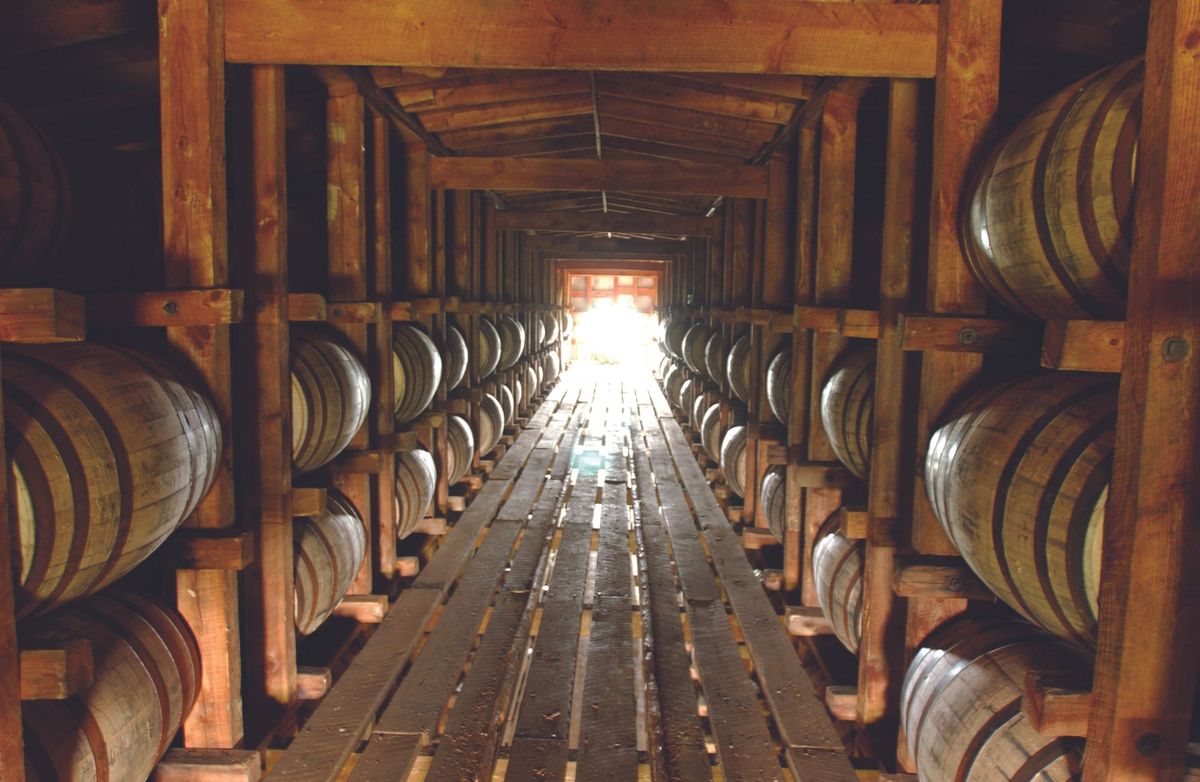
The newly unified property brings native oak woodland, gardens, vineyards, exhibition grounds and seasonal waterways under one vision. Those are not ornamental details. They shape how a guest encounters the terroir before a glass is poured, and they give the winery room to think beyond rows, cellar choices and release calendars.
Harrison framed the acquisition around patience rather than immediate volume. “The point was not to make more wine today,” she said. “It was to make more room, for people to slow down, to celebrate the landscape, its distinction, and its gifts. That is the experience this land now lets us offer.”3
Contiguous land gives a winery a different kind of authority. Instead of stitching together separate parcels and visits, Antica Terra can let farming, cellar work, art, gardens and dining speak from a single continuous landscape.

For the wine traveler, that changes the rhythm of a day in the Eola-Amity Hills. A visit can pass through working vineyards and woodlands, then toward the cellar, a meadow, an outdoor museum or a table set within the estate’s own agricultural frame. The bottle remains central, but the ground around it becomes legible.
That sense of permanence also sharpens Antica Terra’s place within Oregon’s Willamette Valley. The estate is not treating land as backdrop; it is building a full expression of site around biodynamic farming, hospitality and creative practice. Scale of place, smallness of output. That tension is the reason this acquisition carries weight.
Seasonality becomes part of the draw. Gardens, waterways, woodland and farm-driven spaces allow the property to change across the year, making a spring visit feel different from harvest or a later-season gathering. In wine terms, that is a more expansive reading of terroir: not only what reaches the glass, but how you move through the land that produced it.
Horseback tours through working vineyards and woodlands, biodynamic farming workshops, orchard gatherings paced to the rhythm of the farm, and a broader culinary and cultural program all become possible within the enlarged estate. These are the kinds of experiences that suit Antica Terra’s world: agricultural, tactile, unhurried.
The hospitality idea is not a conventional tasting-room enlargement. A single visit can now move from the working vineyards through native oak woodland to the Barrel Hall and an orchard gathering, all without the guest leaving the estate.
Harrison’s longer view is explicit. “We’re holding space,” she said, “for the people who will care for this ground long after us, and in the belief that meaningful work to be done here is still ahead.”4 For a wine lover, that reads less like amenity-building and more like stewardship, land held for future work, future farming and future encounters.
Oregon wine travel increasingly rewards producers that can hold attention beyond a tasting flight. Antica Terra now has the ingredients for that kind of visit: vines, woodland, farm, cellar, art and food, all tied to the same hillside logic.
The Willakia Vineyard purchase follows Antica Terra’s 2023 acquisition of neighboring Keeler Estate Vineyard, which brought the Barrel Hall, the seasonal Table in the Trees and an outdoor museum into the estate.5 That earlier move matters because the hospitality direction was already underway; Willakia gives it more breadth.
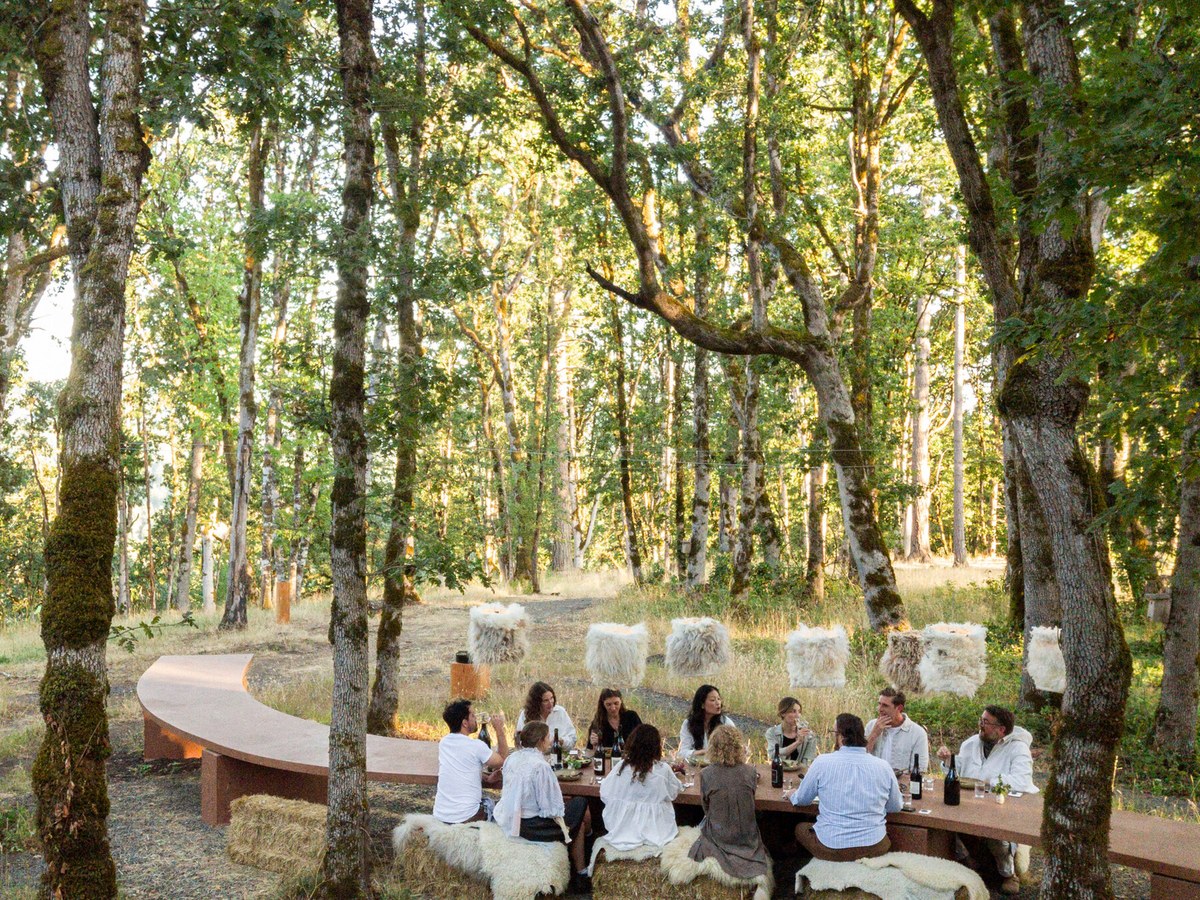
Table in the Trees says plenty about the winery’s instincts. This is not hospitality as decoration around wine, but a way of placing the guest inside the same environment that shapes the farming and the cellar. The Barrel Hall, outdoor museum, gardens, woodland and waterways now belong to one larger composition.
Landscape architects Terremoto will help shape the long vision for the site, bringing a practice grounded in ecological attentiveness and care for native systems.6 That choice fits the estate’s direction: design as a way to clarify land, not overwhelm it.
Antica Terra is a biodynamic-certified vineyard and creative center in the Eola-Amity Hills AVA. It is also home to a regenerative teaching farm, art center and culinary program, with vineyard, cellar, kitchen and studio treated as connected places of inquiry and making.
Collectors should keep the production figure in mind. More land does not automatically mean more bottles now, and Antica Terra has positioned the acquisition around future generations, guest experience and long-term possibility rather than an immediate surge in wine.
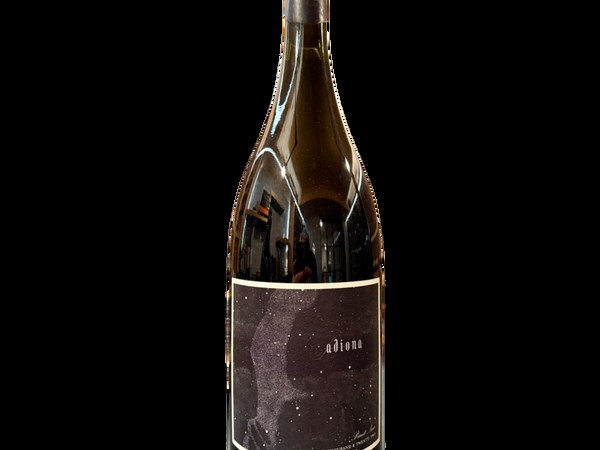
Travelers should pay attention to how access unfolds across the expanded property. The estate has the elements for a full day, vines, cellar, meadow, museum, gardens, woodland, waterways and table, and one compelling version will be the one that lets those pieces move naturally with the seasons.
The founding arc adds perspective: Antica Terra was founded in 2005, with plantings that began in the late 1980s.8 Willakia folds another piece of Eola-Amity Hills ground into an existing Oregon story rather than introducing a new concept from outside the region.
Harrison offered the clearest closing note: “Land held with intention accumulates meaning. It raises what’s possible for everyone working here, and for everyone we welcome to the property.”7 Watch the path between vineyard and table; at Antica Terra, it may become as considered as the wine in the glass.
Tagged
Get the App
Take the shortlist into the En Primeur Club app for concierge access, saved places, and the next step after discovery.
Get Exclusive AccessMore from the editors