← Guides
A dry winter and spring frost cut Barossa’s 2024 crop by 50% to 90%, yet Decanter’s 110-wine tasting found poise in Shiraz.
A dry winter and spring frost cut Barossa’s 2024 crop by 50% to 90%, yet Decanter’s 110-wine tasting found poise in Shiraz.
Belinda van Eyssen barely had enough Shiraz from The Cutting’s Stonewell Vineyard to fill a 500-litre barrel, and that tiny lot tells the 2024 Barossa Shiraz story better than a regional summary. The 2024 Barossa Shiraz vintage lost 50% to 90% of grape crops after an especially dry winter and spring frost, yet Decanter rated the vintage 4/5 after tasting 110 submitted wines marked by elegance and poise (Decanter1).
For collectors who follow Barossa by producer, parcel and sub-region, 2024 asks for closer reading than a generous year with broad yields. The season compressed supply, tested old vines, and forced winemakers to make decisions around freshness, structure and picking windows while rain events appeared during harvest. The result, from Decanter’s annual tasting, is a vintage with fewer obvious headline wines and a wide band of bottles that share harmony, balance and drive.
Barossa’s 2024 season began with an especially dry winter, then isolated frost events struck during bud burst and flowering. Decanter reports that a lack of winter rain and sporadic spring frost cut grape crops between 50% and 90%, leaving a 56,881-tonne vintage yield across the region (Decanter1).
Those numbers matter because Barossa Shiraz usually gives collectors a broad field to sort by weight, oak handling, vineyard age and sub-regional warmth. In 2024, the field narrowed before fruit reached the winery. Lower crop levels can sharpen fruit character, but frost does not distribute itself politely by producer, and a dry winter gives each grower a different set of pressures depending on vine health, site exposure and timing.
Rain during picking added another layer of decision-making. The Barossa producers have the teams and grower relationships to move quickly, but 2024 did not give them a leisurely harvest. That context helps explain why the vintage reads less like a year of maximum extraction and more like one where viticulture and timing shaped the glass.
Decanter’s 4/5 rating gives the 2024 Barossa Shiraz vintage a clear quality marker without pretending the year was abundant. The annual tasting drew 110 submissions, and the panel found enough consistency that selecting a Top 40 was difficult. For collectors, that breadth is useful: 2024 rewards attention beyond particularly familiar labels, especially among producers already moving toward medium-bodied Shiraz with tension and structural detail (Decanter1).
Belinda van Eyssen of The Cutting gives the vintage its most direct scarcity story. Decanter reports that van Eyssen barely had enough Shiraz grapes from her Stonewell Vineyard to fill a 500-litre barrel, and that the wine is being sold only in magnums. The format matters: a magnum-only release from a frost-hit Stone Well parcel changes how you plan cellaring, because one bottle opening becomes a more deliberate decision (Decanter1).
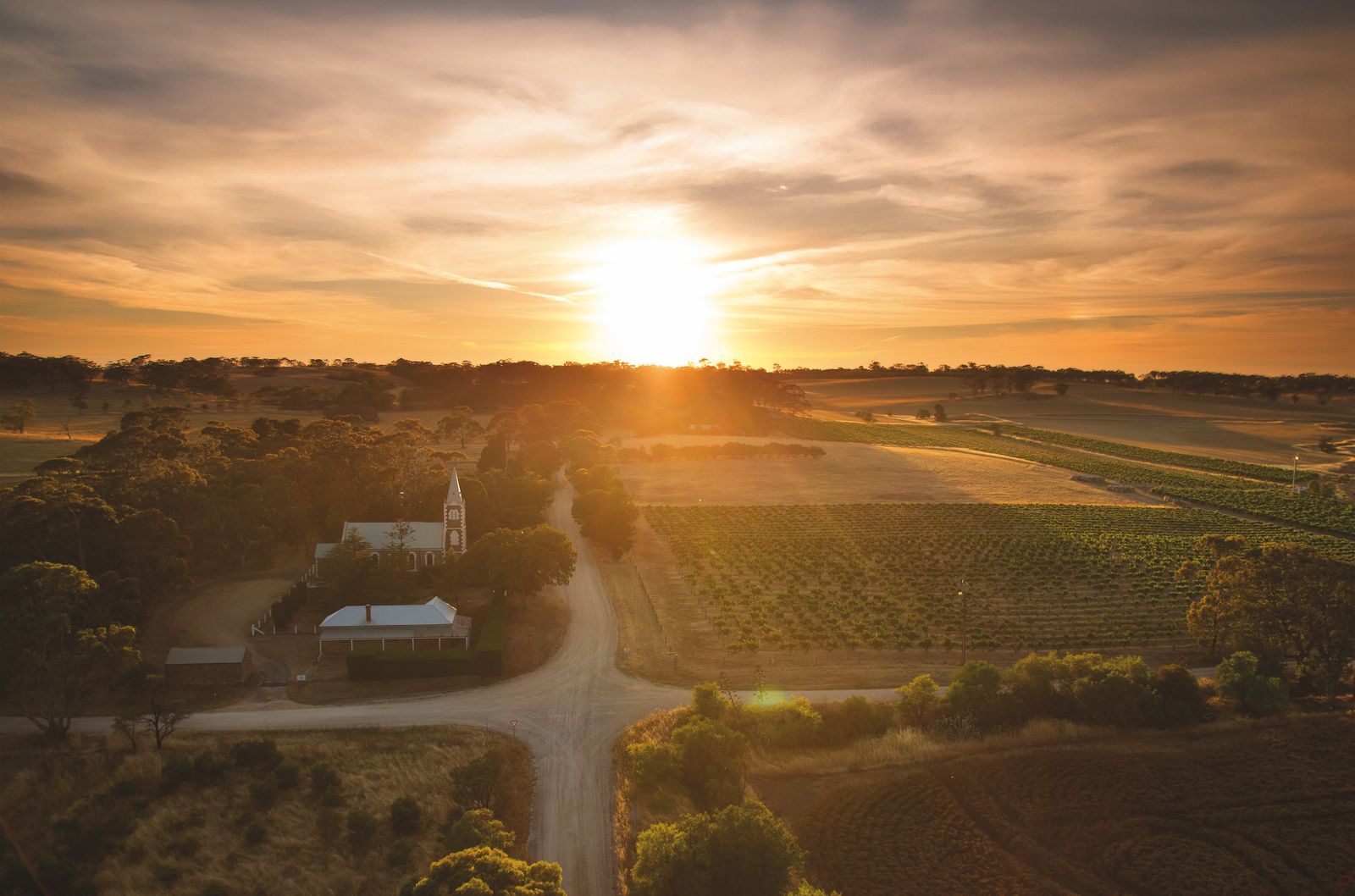
The Cutting sits at 439 Stonewell Road, Stone Well, and van Eyssen founded the Barossa Valley winery with Daniel McDonald in 2018. By 2021, she had taken on the full-time role of managing the winery and vineyard. Her team uses organic compost and straw mulch in the vineyard, practical choices that read differently after a season shaped by drought and frost (Barossa2).
Van Eyssen’s path into Barossa also gives this 2024 wine a human scale. She grew up in Mitchell’s Plain on the Cape Flats in South Africa, earned academic opportunities with her siblings, and initially pursued Chemical Engineering and Food Technology in the early 2000s. Her route into wine began while she worked as a laboratory analyst, and she relocated to Australia in 2010 (Beehiiv3).
That technical background has not made her language stiff. Van Eyssen’s line, “We are making wine,” she says with a smile, “not splitting atoms!” lands well in a year when tiny volumes could have encouraged theatrical language. The detail to hold onto is the 500-litre barrel from Stonewell Vineyard. If you collect the 2024 Barossa Shiraz vintage, The Cutting belongs in the first tranche of research because the quantity was physically constrained by the vineyard.
Torbreck gives the 2024 vintage a second lens: old-vine Shiraz with freshness rather than weight for its own sake. Winemaker Ian Hongell has pushed vitality in Torbreck Shiraz, and Decanter frames the current wines against an earlier style that could carry greater weight and more overt oak.
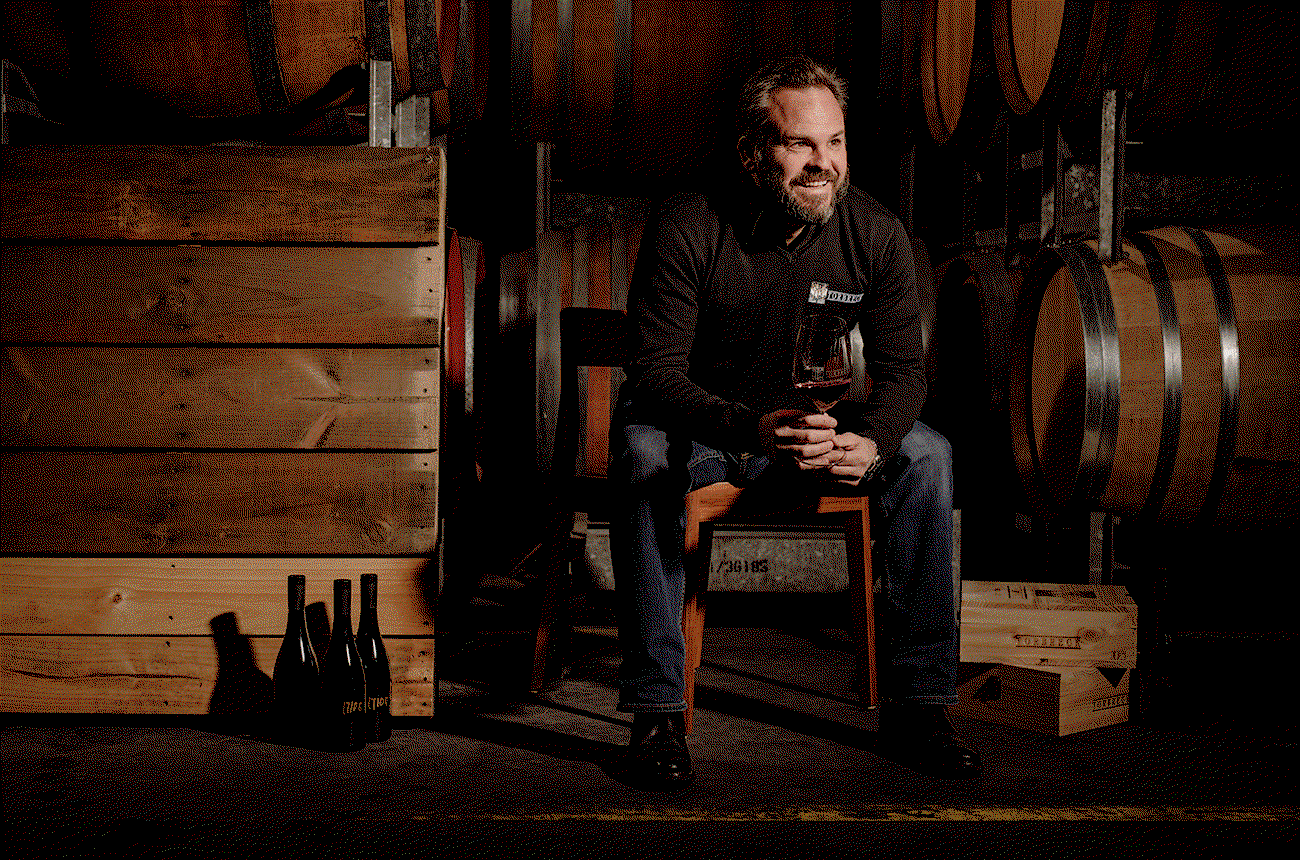
Hongell’s own summary is precise: “It’s all about achieving balance,” he says. “It can be big and beautiful at the same time.” In Barossa, that matters because old vines can deliver concentration without needing a heavy hand in the cellar. The 2024 season, with its reduced crop and weather pressure, made balance less of a slogan and more of a working requirement.
Hongell works with Torbreck viticulturist Nigel Blieschke, whose focus is the health and productivity of old vineyards. Blieschke’s example comes from the Gnadenfrei Vineyard at Marananga, planted in 1958 and supplying fruit for The Laird. After vintage, when the leaves had fallen, he pointed to consistent cane length as a sign of vine balance.
For collectors, Gnadenfrei’s 1958 planting date matters because Barossa’s old-vine reputation can be too easily treated as a label category. In 2024, vine resilience was part of the vintage story. A dry winter and frost during bud burst and flowering rewarded vineyards with established systems, attentive pruning and year-round care. Torbreck’s Gnadenfrei reference places the vintage discussion in the vineyard rather than the tasting room.
Decanter also included Torbreck’s The Gask, sourced from a high ridge atop Eden Valley, among the 2024 wines shown in its coverage. The note points to big purple fruit and a personality distinct from the usual expectations of that sub-region. That is useful when reading 2024: the vintage did not erase site character, but it did make the handling of fruit weight and freshness harder to ignore.
The 2024 Barossa Shiraz vintage also puts a brighter light on producers already working away from the densest expression of the region. Decanter names Michael Hall, Alex Head, Amelia Nolan at Alkina, Michael Corbett of The Vanguardist, who also makes Whistler Wines, and Craig Stansborough’s Purple Hands Wines among winemakers pursuing elegance and structural strength in medium-bodied Shiraz.
That group matters because 2024 did not create the appetite for Barossa freshness; it gave that approach a demanding test. A low-yield year can push fruit toward concentration, and Barossa’s reputation gives producers plenty of permission to lean into mass and ripeness. The wines flagged from 2024 suggest another route: concentration without excessive weight, depth without losing line.
Michael Hall’s Stonewell Road Shiraz from the Barossa Valley shows the vintage’s firmer side in Decanter’s note, with deep, dark flavour and rounded fruit carried by drive. Purple Hands Wines’ Deep Purple Hands Shiraz is described through dark purple fruit, power and intensity without excessive weight. Those two notes are especially useful for collectors because they separate density from heaviness, a distinction that often decides whether a Barossa Shiraz remains inviting after the first glass.
Reid Bosward adds another chapter. He left Kaesler Wines in 2023 and now buys berries from a range of growers for his own eponymous wine brand. His stated aim fits the 2024 conversation: “I want serious fruit to speak of freshness, so that people can love drinking it now.”
That line does not mean 2024 should be treated only as a drink-now vintage. It does suggest that particularly persuasive wines may have earlier appeal than the older Barossa stereotype would imply. Yalumba’s Octavius, Dean Hewitson’s Monopole and Barr-Eden Estate are identified by Decanter as bigger-bodied wines from intense old-vine fruit that show greater sympathy in youth while retaining longevity and depth of flavour. Hentley Farm’s The Beast and Kaesler’s Old Bastard, both associated with bolder Barossa Shiraz, are described as more nimble in 2024.
Barossa is too often discussed as a single Shiraz voice, but the 2024 tasting points across Stone Well, Marananga and Eden Valley. Those names help collectors organise the vintage, especially when supply is reduced and every case decision carries more weight.
Stone Well sits at the heart of The Cutting story, with van Eyssen’s Stonewell Vineyard producing barely enough Shiraz for a 500-litre barrel. Yelland & Papps also appears in Decanter’s 2024 coverage with a Single Vineyard Stone Well Syrah from the Sontag family’s plot in the Stonewell sub-region. The note points to a leaner expression, useful for anyone looking at Stone Well through a lens of shape rather than sheer volume.
Marananga enters through Torbreck’s Gnadenfrei Vineyard, planted in 1958 and tied to The Laird. The vineyard reference brings old vines, cane balance and post-harvest observation into the same frame. In a vintage with frost damage and low crop levels, Marananga’s role in a wine like The Laird will interest collectors who follow Barossa’s old-vine hierarchy by site.
Eden Valley appears through several 2024 wines. Torbreck’s The Gask comes from a high ridge atop Eden Valley. Chaffey Bros Wine Co ’s Evangeline Single Vineyard Syrah uses fruit from the Noack Vineyard in Springton, with Decanter pointing to high perfume. Brothers At War’s Fist Fight Shiraz draws on fruit parcels from the Barossa Valley floor and higher regions of Eden Valley. Henschke’s Appolonia Shiraz combines Eden Valley blueberry and blackberry character within a multi-vineyard expression, as shown in Decanter’s coverage.
That spread makes the 2024 Barossa Shiraz vintage a good map-reading exercise for travellers as well as collectors. A visit built around Stone Well, Marananga and Eden Valley gives you three ways to understand the same difficult year: tiny vineyard output, old-vine resilience and higher-region perfume. If you plan tastings around those sub-regions, the vintage becomes easier to parse producer by producer.
The first collector rule for 2024 is to separate scarcity from quality. The vintage has both, but one does not prove the other. Crop losses of 50% to 90% tell you why some wines will be hard to find; Decanter’s 4/5 rating and 110-wine tasting tell you that the stronger bottles have a credible quality marker.
The second rule is to prioritise producer intent. If you favour medium-bodied Shiraz with freshness, look closely at names such as Michael Hall, Alex Head, Alkina, The Vanguardist, Whistler Wines and Purple Hands Wines. If you collect old-vine Barossa for depth and longer cellaring, keep Torbreck, Yalumba’s Octavius, Dean Hewitson’s Monopole, Barr-Eden Estate, Hentley Farm’s The Beast and Kaesler’s Old Bastard in the 2024 frame.
The third rule is to read tasting notes for structure rather than volume. In 2024, phrases around vitality, freshness, balance, perfume, drive and power without excessive weight are more useful than a simple search for the darkest fruit. Decanter’s notes on Michael Hall Stonewell Road Shiraz and Purple Hands Deep Purple Hands Shiraz show how the vintage can carry depth while avoiding undue heaviness.
For drinking windows, the safest approach is to divide the vintage by style. Wines described through freshness and medium body should give earlier pleasure, especially from producers who build their Shiraz around drinkability. Old-vine cuvées named for longevity and depth can take a longer cellar position, with the caveat that 2024’s lower yields may limit how many bottles you can secure for staggered opening.
The next release cycle will show whether 2024 becomes a collector shorthand for frost-year scarcity or for a Barossa Shiraz style with clearer lines and less excess weight. Torbreck, The Cutting, Purple Hands, Alkina, Yalumba, Hentley Farm and Reid Bosward’s own label present the wines as they move through the market, because one useful signal from 2024 may be how many producers keep pursuing poise when yields return to normal.
The 2024 Barossa Shiraz vintage was severely impacted by an especially dry winter followed by isolated frost events during bud burst and flowering, which reduced grape crops by 50% to 90% across the region. Rain during harvest added further complications for winemakers managing picking decisions.
The Cutting barely had enough Shiraz grapes from their Stonewell Vineyard to fill a single 500-litre barrel. The wine is being released only in magnum format due to the extremely limited quantity.
Decanter rated the 2024 Barossa Shiraz vintage 4 out of 5 stars after tasting 110 submitted wines. The panel found the vintage marked by elegance, poise, harmony and balance despite the challenging growing conditions.
Yes, the 2024 vintage rewards collector attention, particularly for those interested in medium-bodied Shiraz with tension and structural detail. Decanter found enough consistency across submissions that selecting a Top 40 was difficult, suggesting quality beyond particularly familiar labels.
Get the App
Take the shortlist into the En Primeur Club app for concierge access, saved places, and the next step after discovery.
Get Exclusive AccessMore from the editors