Wai Bar
Libreville's bar scene has quietly developed a tier of venues where the sourcing of local ingredients drives the drink and food program rather than decorating it. Waï Bar sits in that current, drawing on Gabon's coastal and equatorial pantry in a city where that approach remains less common than it should be. For visitors arriving from a narrow band of internationally templated hotel bars, the contrast is instructive.

Pearl is the En Primeur Club membership app, where members save venues, book tables and use the concierge.
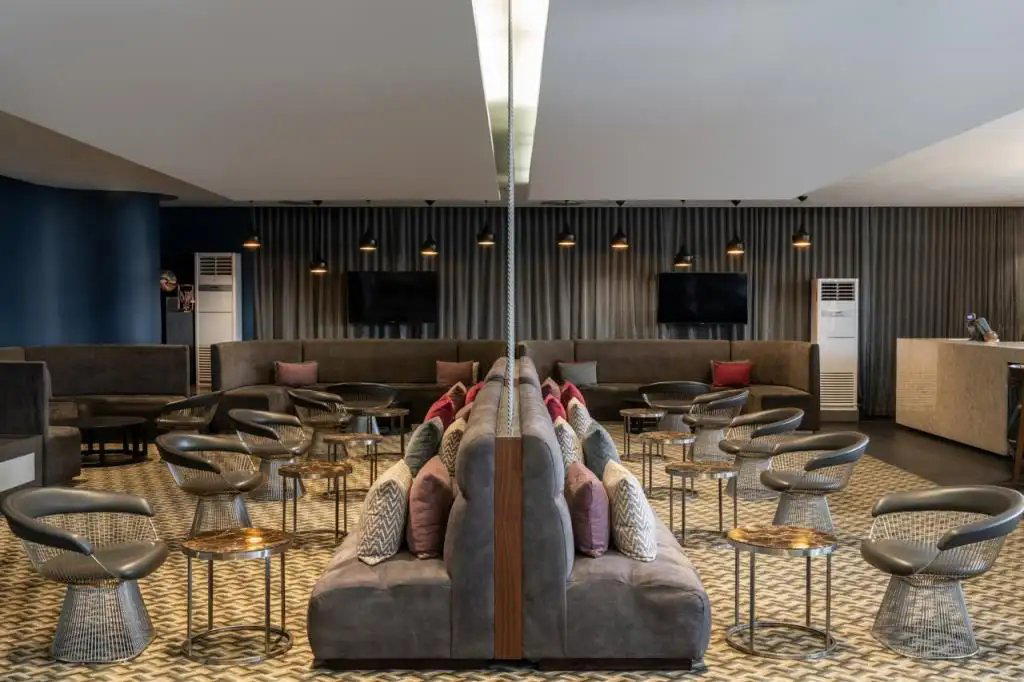
Where Libreville Comes to Drink on Its Own Terms
Approaching a bar in Libreville that takes its local context seriously, rather than defaulting to an imported Continental template, still carries a mild sense of occasion. The city's hospitality sector has long tilted toward French-inflected formality or the familiar safety of international spirits brands, which makes any venue drawing on Gabon's own equatorial and coastal produce a different kind of proposition. Waï Bar occupies that position: a venue where the surrounding geography registers in the glass and on the plate, rather than functioning as mere backdrop.
Gabon's position on the Atlantic coast, flanked by dense equatorial forest and a network of rivers running to the sea, makes it one of Central Africa's more interesting sourcing environments. The country's fishing grounds yield species that rarely appear on menus outside the region. Its forests produce botanicals, fruits, and aromatics that have sustained local cooking long before bar programs anywhere thought to notice them. The question any serious bar operating here must answer is how deliberately it engages with that supply, and how honestly it translates the result into format and price.
The Sourcing Logic Behind a Central African Bar Program
Across the broader movement in premium bars from Lagos to Nairobi to Abidjan, the credibility signal has shifted. A decade ago, a well-stocked back bar of recognizable French and Scottish labels was sufficient. Now the venues earning editorial attention in the region are those building original programs around local distillates, house-made infusions, and produce with a traceable geography. The pattern mirrors what happened earlier in places like San Francisco, where Lazy Bear and Atelier Crenn reoriented their drink and food identity around Northern California's seasonal supply chains rather than importing prestige from elsewhere.
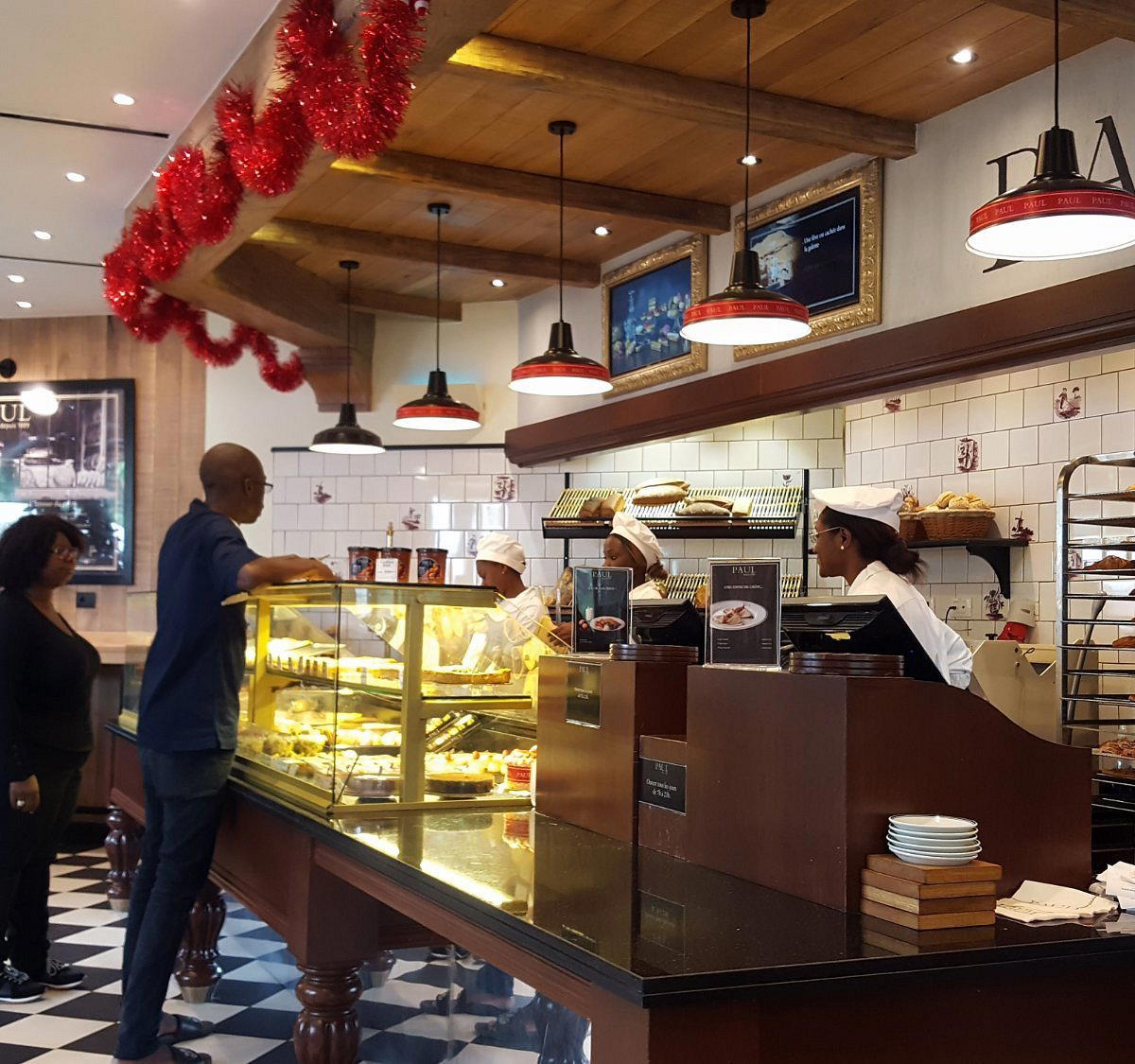
In Libreville specifically, that reorientation is still early-stage. Most venues that position themselves above the basic tier do so through imported wine lists and French brasserie cooking, a format well represented by establishments like Paul. Waï Bar moves along a different axis. Where sourcing is concerned, the logic is to start with what the Gabonese coastline and interior actually produce, then build the program outward, rather than anchoring on a European reference point and substituting local elements where convenient.
That distinction matters more than it might seem. Bars that source locally as a gesture tend to produce one or two house cocktails with a regional ingredient, then fill the rest of the menu with convention. A program built from local sourcing logic looks structurally different: the produce shapes what is possible, which limits some choices and opens others that a purely import-led format would never reach. The result is a menu that reads as specific to a place rather than transposable.
Libreville's Bar Tier and Where Waï Bar Sits
Libreville is not yet on the circuit of cities where international bar travelers arrive with a pre-built itinerary. That means the venues operating here compete less against global reference points than against local expectations, which cuts both ways. The city's population includes a substantial expatriate community, a Francophone professional class, and a growing cohort of intra-African business travelers, all of whom arrive with different baseline assumptions about what a premium bar should deliver. Meeting all three simultaneously requires a format that is legible without being generic.
Among Libreville's bar options, the credible upper tier is narrow. Olatana represents the city's contemporary dining ambition in restaurant form. Waï Bar occupies a different slot: a drinks-led environment where food plays a supporting but not incidental role, and where the atmosphere is calibrated for an evening that does not need to resolve into a formal dinner. That positioning is more common in cities like Abidjan or Douala than it has been in Libreville, where bars with genuine program depth have historically been thin on the ground.
For context on where bars with serious sourcing programs sit in global terms, the comparison set runs wide: from Aponiente in El Puerto de Santa María, which built its entire identity around Atlantic marine ingredients most kitchens ignore, to Amber in Hong Kong and Arpège in Paris, both of which treat sourcing as the primary creative constraint rather than a marketing supplement. The scale and formality differ enormously, but the underlying logic is the same: begin with what is genuinely available and let that dictate the form.
Arriving, Booking, and the Practical Shape of an Evening
For travelers arriving from outside Gabon, the most reliable approach is to contact accommodation concierge services in Libreville for current operational details, since hours and formats at this level of the market can shift without major public announcement. The broader Libreville restaurants and bars guide covers the city's current options with more granular logistics.
An evening at a venue in this tier in Libreville typically runs from early evening through late night, following the city's social rhythm, which skews later than Northern European or North American norms. The equatorial climate means outdoor or semi-open formats are common and generally preferable in the drier months between May and September, when humidity drops to levels that make sitting outside through two or three drinks a genuine pleasure rather than an endurance exercise.
Continue exploring
More in Libreville
Restaurants in Libreville
All restaurants in Libreville →
Hotels in Libreville
All hotels in Libreville →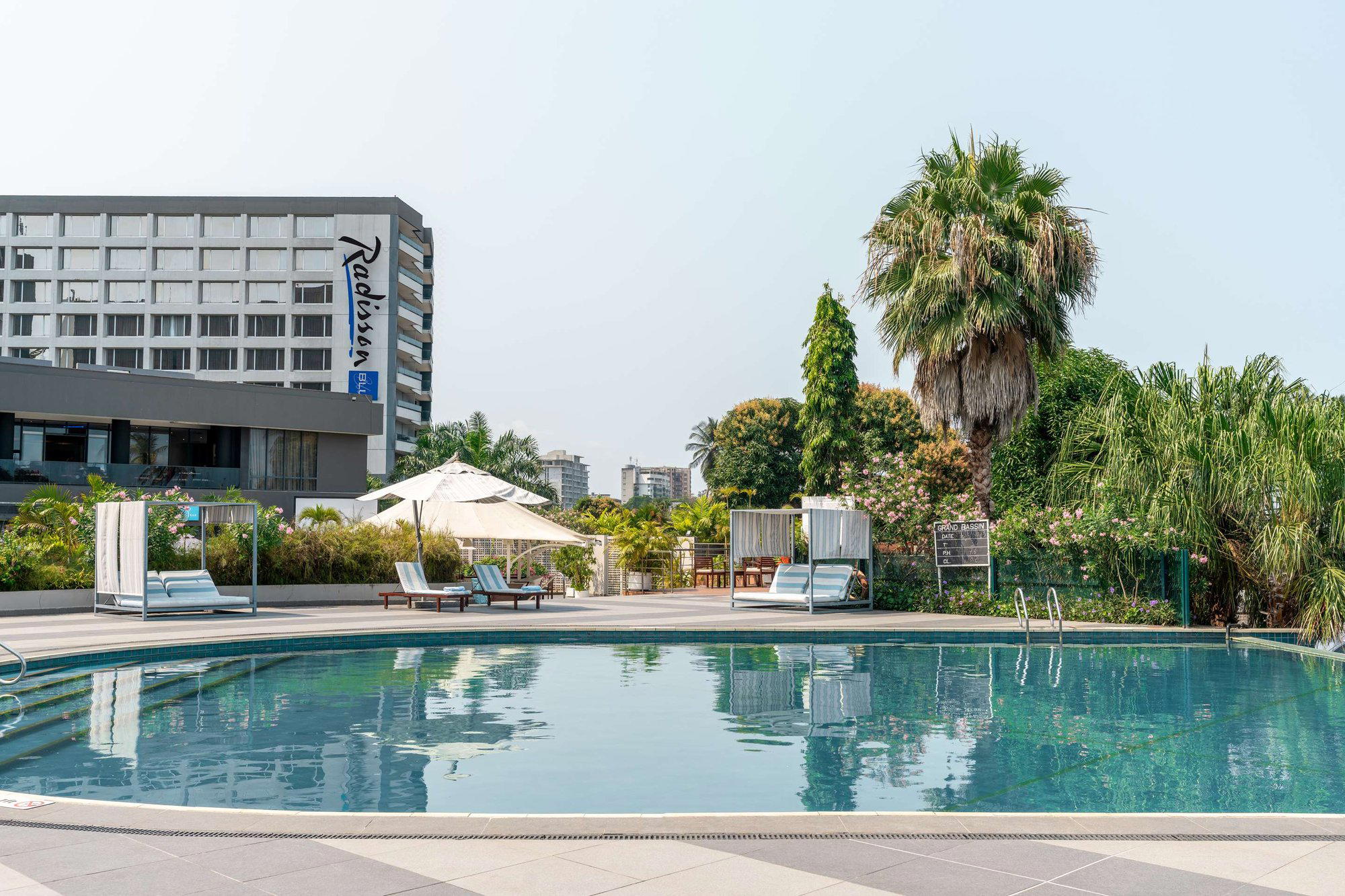
Details
- Lively
- Modern
- Sophisticated
- Trendy
- After Work
- Casual Hangout
- Group Outing
- Late Night
- Hotel Bar
- Terrace
- Standalone
- Seated Bar
- Lounge Seating
- Outdoor Terrace
- Craft Beer
- Conventional Wine
Convivial and lively, with an outdoor terrace feel and a hotel-lounge atmosphere; the venue is described as welcoming for all music styles and suited to upbeat evening socializing.