Olatana
Our verdict
Olatana sits inside the Park'Inn by Radisson on Libreville's Boulevard du Bord de Mer, positioning it within the small tier of internationally anchored dining options along Gabon's Atlantic-facing capital. The address places it at the convergence of business travel and coastal Gabonese life, making it a reference point for visitors orienting themselves in a city where formal dining venues remain relatively concentrated.

Pearl is the En Primeur Club membership app, where members save venues, book tables and use the concierge.
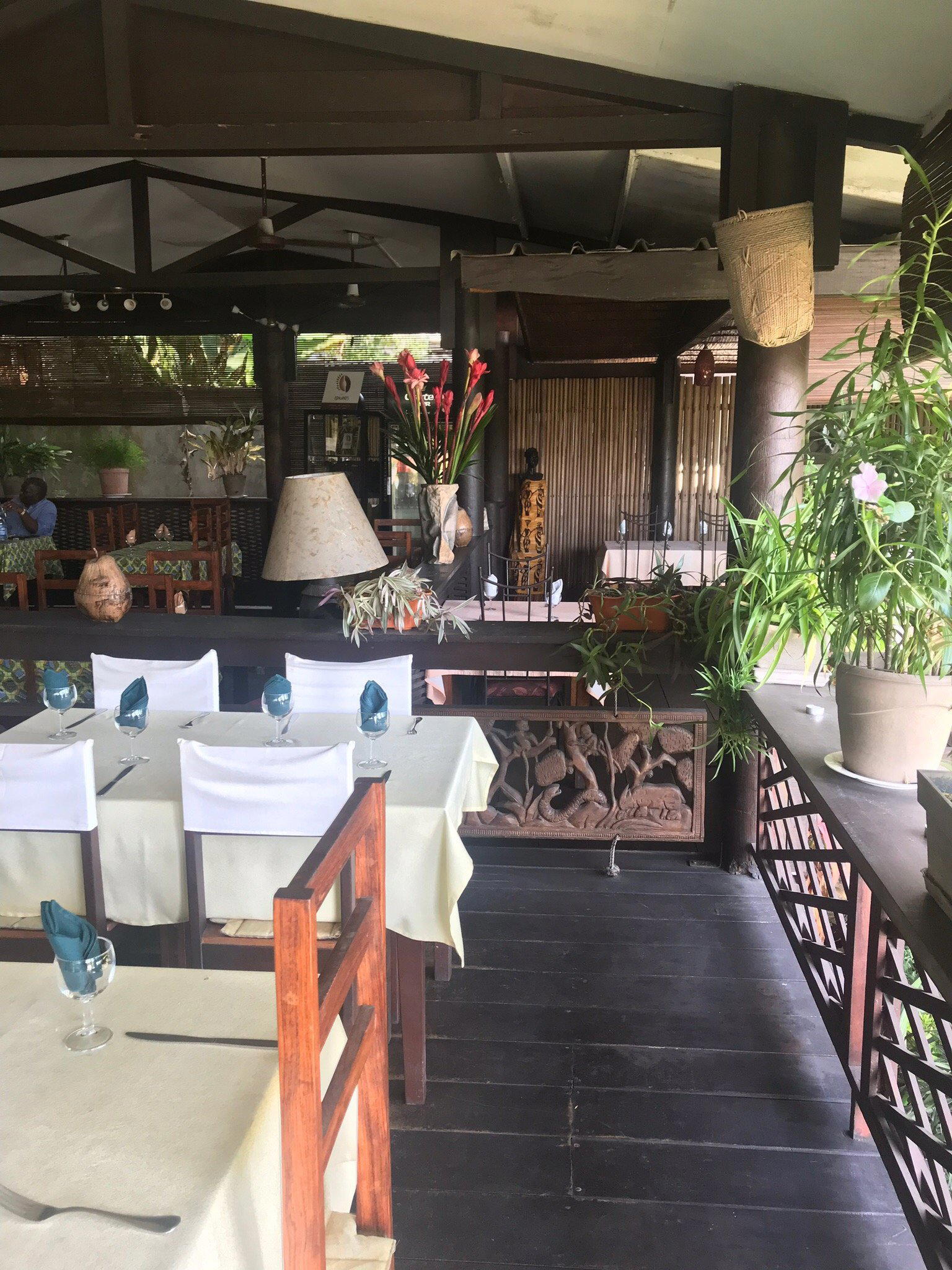
Dining on the Boulevard: Where Hotel Infrastructure Meets the Gabonese Table
Boulevard du Bord de Mer is the spine of Libreville's formal hospitality zone, and the restaurants that line it or occupy the hotels along it function differently from the city's neighbourhood spots and street-level terraces. They serve a mixed clientele of oil-sector professionals, regional business travellers, and diplomats, and they carry the logistical reliability that comes with international hotel backing. Olatana, positioned inside the Park'Inn by Radisson on that boulevard, operates within this specific tier of the city's dining infrastructure rather than outside it.
That positioning matters. In cities with a relatively compact formal dining sector, the hotel-anchored restaurant often absorbs a role that in larger markets would be divided among dozens of independent operators. Libreville is such a city. The formal restaurant scene here is not shallow, but it is concentrated, and venues on or near the boulevard serve as entry points for international visitors trying to read the food culture before ranging further. For context on how Libreville's dining scene distributes across neighbourhoods and formats, our full Libreville restaurants guide maps the broader picture.
The Cultural Soil: Central African Coastal Cuisine and What It Produces
Gabon's food culture draws from a meeting of Bantu agricultural traditions, Atlantic fishing communities, and a French colonial imprint that still shows clearly in the way formal restaurants here structure their menus and service. The country's coastline and river systems supply ingredients that define local cooking: smoked fish, plantain in multiple preparations, cassava leaf stews, and bushmeat dishes that vary by region. The forest interior and the coast produce different ingredient profiles, and Gabonese cooking reflects that tension.
French influence, meanwhile, is visible in presentation standards, in the expectation of multi-course structure at formal venues, and in the way wine service is treated as a default rather than an add-on at hotel restaurants. That cultural layering, Bantu base with French formal overlay, produces a dining register that shares characteristics with other francophone Central African capitals but carries Libreville's own coastal particularity. Venues in the hotel tier tend to navigate that duality, offering international menu familiarity alongside Gabonese-inflected dishes, and Olatana's boulevard position places it squarely in that tradition.
For travellers arriving from cities where hotel dining is automatically dismissed as generic, the Libreville context asks for a recalibration. The concentration of international infrastructure along the bord de mer means that hotel venues here carry more cultural and practical weight than their equivalents in, say, Paris or New York. A three-star hotel restaurant on this boulevard is not competing with the depth of independent dining in those cities. It is, instead, one of a relatively small number of venues holding the formal tier together.
Where Olatana Sits in Libreville's Formal Dining Tier
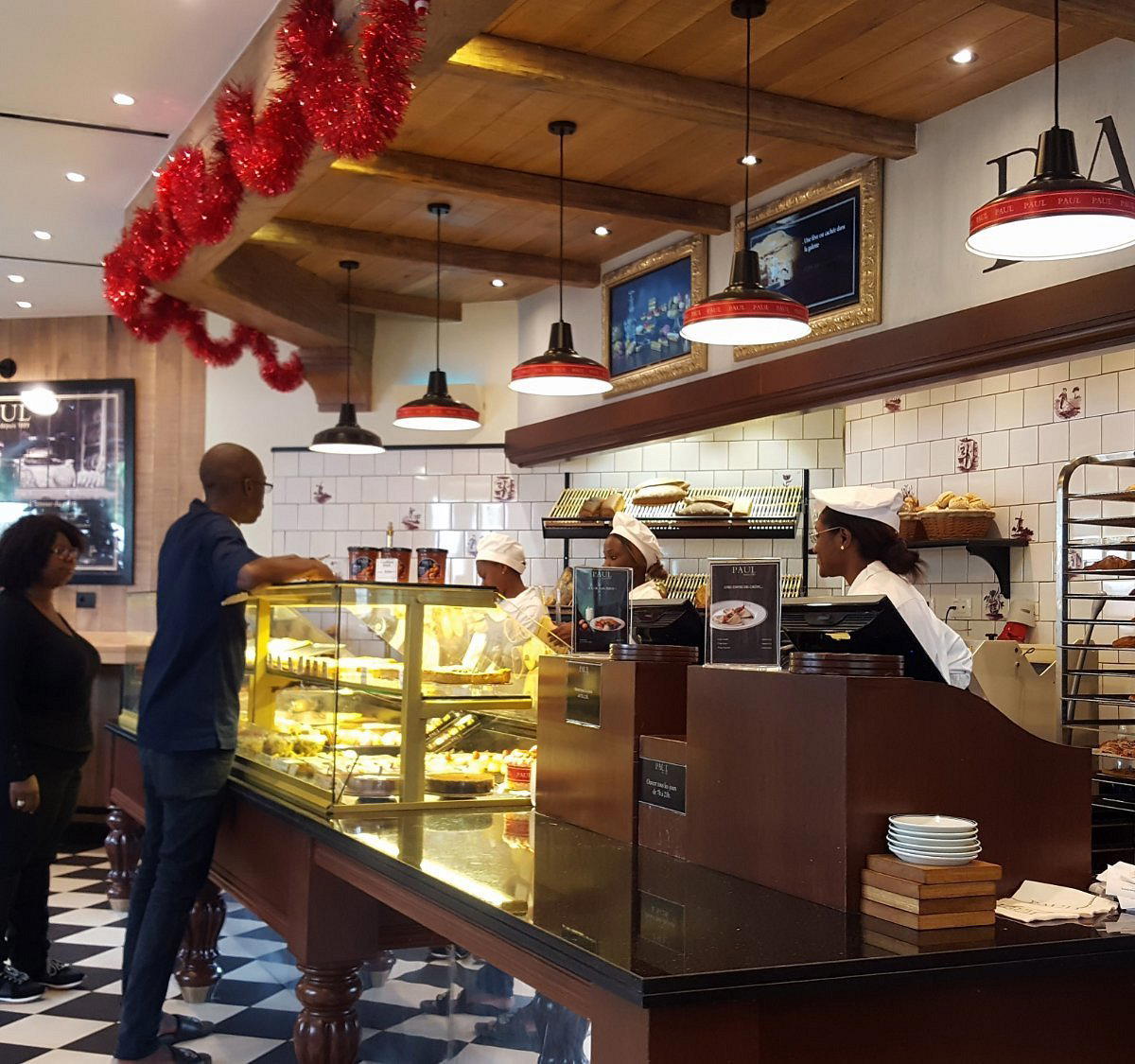
Among the identifiable formal dining options in Libreville, venues sort into roughly two groups: those with French brasserie or international-format DNA, and those attempting more explicitly local or hybrid menus. Paul represents the French bakery-café model transplanted intact from its European franchise context, operating at the accessible end of the price and formality spectrum. Waï Bar occupies a different register, with a bar-forward format suited to the evening social scene that develops along the boulevard.
Olatana's hotel setting places it in a third category: the sit-down dining room anchored by accommodation infrastructure, where the clientele is more reliably international and the expectations around service consistency are set accordingly. This is not a category that produces the most creatively ambitious cooking in any city, but it is often the category that delivers most predictably for the first-time visitor or the traveller on a compressed schedule. The comparison is not with Le Bernardin in New York City or Alain Ducasse at Louis XV in Monte Carlo, where the hotel-restaurant format reaches its highest international expression. It is with the practical question of where a visitor to Libreville with limited time and no local contacts can eat with reasonable confidence.
Planning a Visit: Practical Orientation
The Park'Inn by Radisson's Boulevard du Bord de Mer address makes Olatana accessible from the main hotel corridor and from the business districts that cluster near the waterfront. For visitors staying elsewhere in the city, the boulevard is a practical reference point rather than a destination requiring special navigation. Hotel restaurants in this format typically operate across breakfast, lunch, and dinner services, with access for non-hotel guests being standard practice in the Park'Inn group's properties globally, though confirming current service hours and reservation policy directly with the hotel on arrival is advisable given that contact details are not currently available through this listing.
The broader question of when to visit Libreville shapes the dining experience as much as venue selection does. The dry season, running roughly from June through August and a shorter window around December and January, eases movement around the city and supports the kind of exploratory dining that lets a visitor build a fuller picture of the local food culture beyond the boulevard tier. Arriving during the wetter months does not preclude good eating, but the logistical ease of the dry season rewards those who can time their visit accordingly.
Reading the Room: Hotel Dining in Context
Hotel-anchored dining in West and Central Africa carries a different valuation than it does in markets saturated with independent fine dining. Cities like Libreville, Douala, or Brazzaville have produced internationally recognised chefs and serious independent restaurants, but the density remains lower than in capital cities with larger domestic fine-dining economies. In that environment, a venue like Olatana serves a function that the most ambitious independent restaurants in those cities, when they exist, do not always cover: reliable, professionally staffed, accessible dining for the traveller on their first or second night in a new city.
The ambition ceiling for hotel restaurants in this tier globally is visible in reference points like Amber in Hong Kong or 8 1/2 Otto e Mezzo Bombana, venues where the hotel context does not constrain the culinary reach. Closer to home culturally, the question of what Central African fine dining can produce at its most considered is still being answered, partly in venues like this one and partly in the independent scene that continues to develop in Libreville's more residential districts. The fact that a venue operating in this structural position exists on the boulevard at all is part of how a city's dining culture builds infrastructure over time.
For visitors drawn to Libreville's specific combination of Atlantic coast setting, forest-edge geography, and francophone Central African culture, the dining scene rewards patience and a willingness to read hotels not as a fallback but as one layer in a more complex picture. Olatana's address on the Boulevard du Bord de Mer puts it at the centre of that picture, for better and for worse.
Frequently asked questions
What part of town is Olatana in?
Olatana is located at Inside Park'Inn by Radisson (Boulevard du Bord de Mer), Libreville, Libreville.
Is Olatana a good option for a business dinner in Libreville?
For business dining in Libreville, Olatana's address inside the Park'Inn by Radisson on Boulevard du Bord de Mer places it in the city's primary formal hospitality zone, accessible from the main business districts. In cities like Libreville where the independent restaurant sector is thin, hotel restaurants carry a different weight than they would in more saturated markets, they are often the reliable neutral ground for professional meals. No star rating or formal awards are currently documented for Olatana.
What should I order at Olatana?
Given its location inside the Park'Inn by Radisson on Boulevard du Bord de Mer, the kitchen likely draws on both international hotel formats and Central African coastal ingredients, the Atlantic fisheries that supply Gabon produce quality catches worth seeking out. Ask staff what is sourced locally that day.
Do they take walk-ins at Olatana?
No booking policy is publicly confirmed for Olatana. Hotel restaurants at properties like the Park'Inn by Radisson on Boulevard du Bord de Mer typically accommodate walk-ins during off-peak hours, though business travel demand in Libreville's main hotel corridor can fill dining rooms quickly on weekday evenings. Contacting the Park'Inn by Radisson directly is the most reliable way to confirm availability before arriving.
What is Olatana known for?
Olatana occupies a position in Libreville's identifiable formal dining tier as the restaurant inside the Park'Inn by Radisson on Boulevard du Bord de Mer, the main hospitality spine of the city. In a market where independent fine dining options are limited, hotel-anchored venues like Olatana function as the primary formal dining infrastructure for business travellers and visiting professionals. No specific awards or critical recognition are currently documented.
Do they accommodate allergies at Olatana?
No allergy or dietary accommodation policy is publicly listed for Olatana. International hotel brands operating in Libreville, including the Park'Inn by Radisson group, generally maintain staff capable of handling common dietary requests. Communicating requirements directly to the restaurant ahead of your visit is advisable, particularly for severe allergies where kitchen protocols matter.
Continue exploring
More in Libreville
Restaurants in Libreville
All restaurants in Libreville →
Bars in Libreville
All bars in Libreville →Hotels in Libreville
All hotels in Libreville →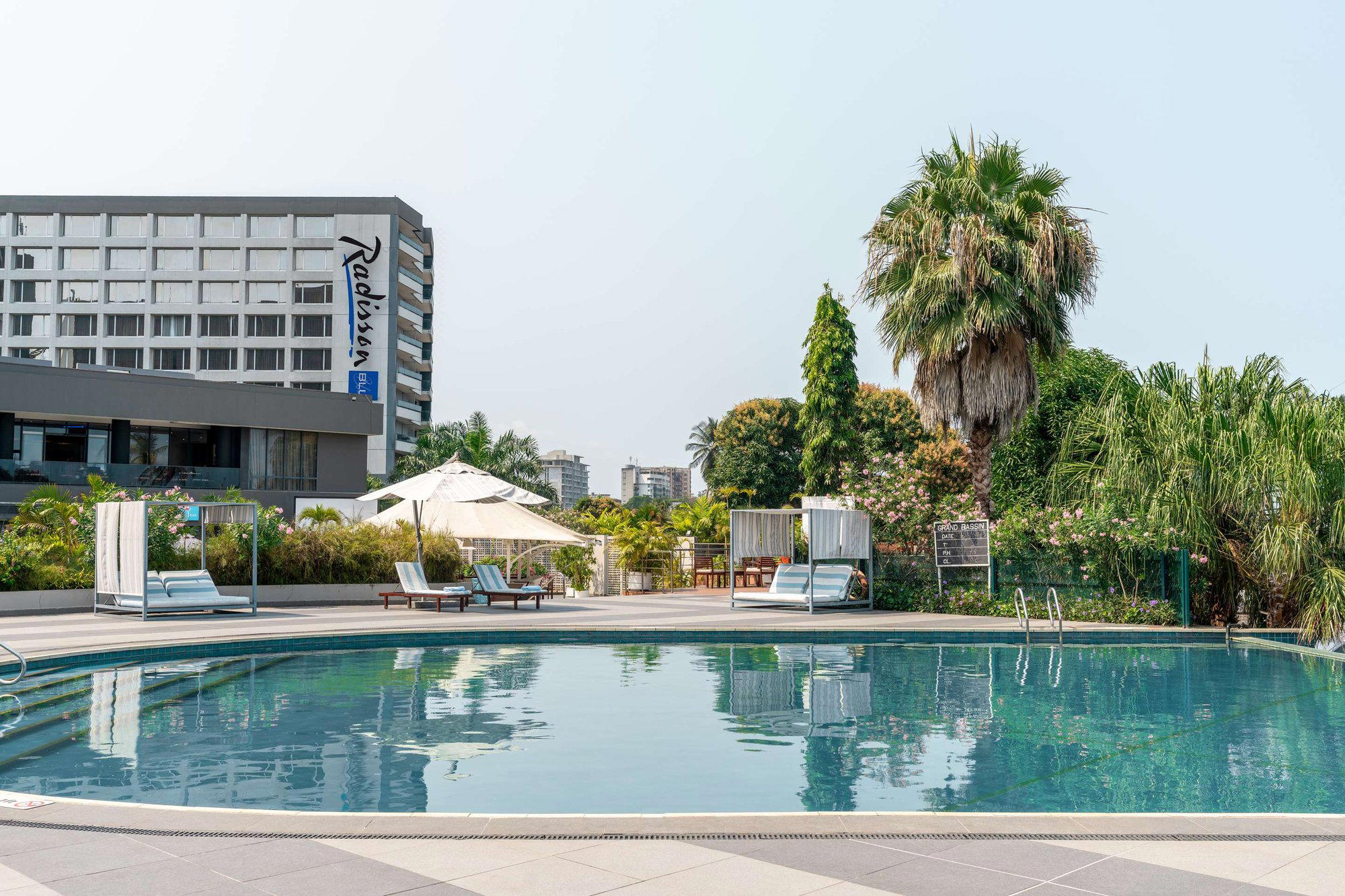
Details
- Casual Hangout
Casual and friendly atmosphere for solo or group relaxation.