Amaya
Our verdict
Amaya belongs in the Libreville conversation for travelers who read restaurants through place: Atlantic-facing capital, Central African produce, French and pan-African dining habits, and a small premium circuit where addresses matter as much as formal accolades. With little public detail on chef, pricing, or format, it is better approached as part of the city’s dining map than as a tasting-menu destination.

Pearl is the En Primeur Club membership app, where members save venues, book tables and use the concierge.
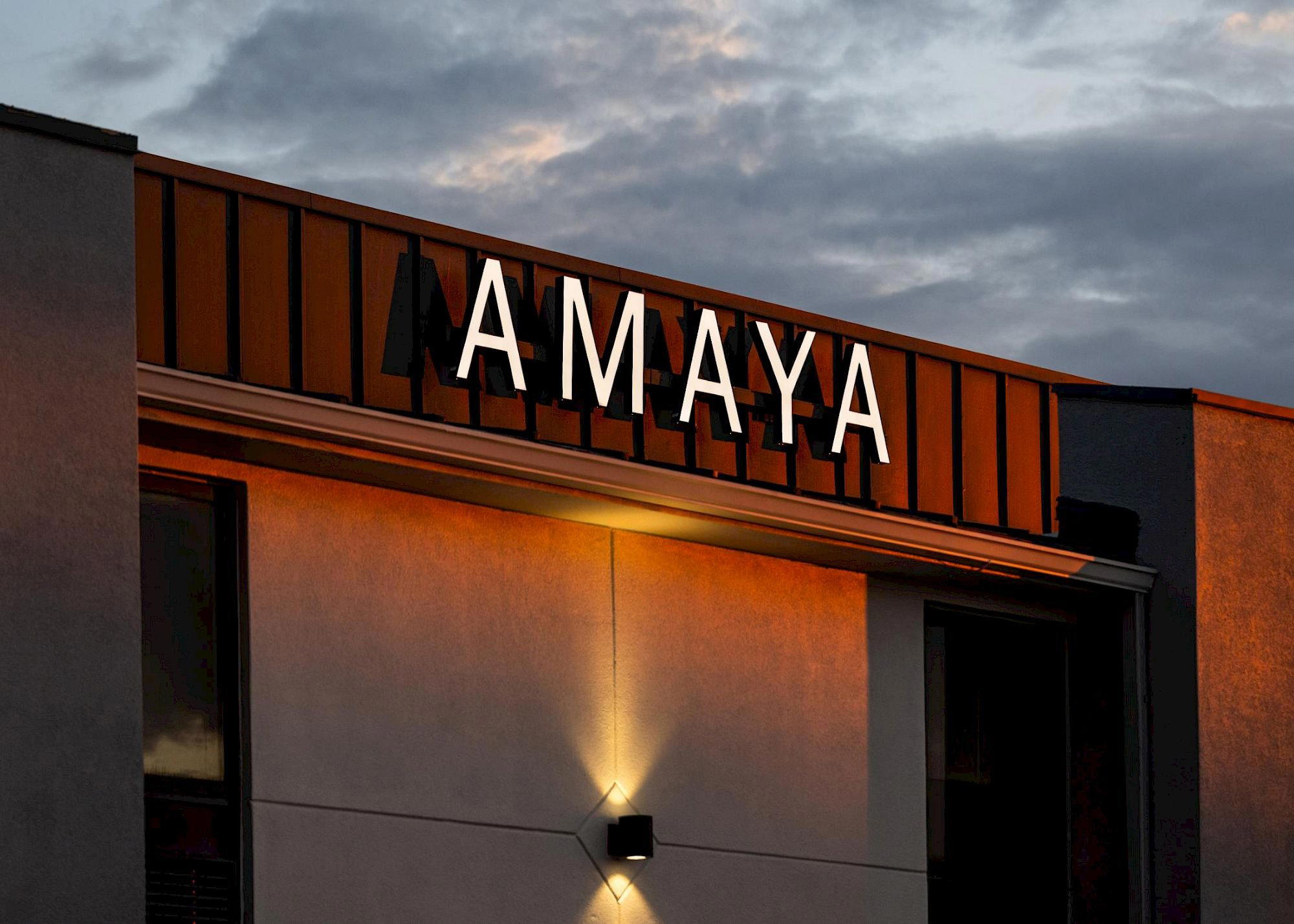
Libreville’s restaurant scene is shaped by the Atlantic before it is shaped by trend. The city’s better tables sit within a capital where seafood, imported French habits, hotel dining, business lunches, and pan-African migration all overlap. Amaya enters that circuit from Libreville, where the coast is not a backdrop so much as an organizing force: traffic, official business, hotels, and evening dining all pull toward the same urban rhythm.
That geography matters because Gabon’s capital does not operate like a city with a dense restaurant grid. Dining decisions are often made by district, road access, and trust rather than by long tasting-menu manifestos. For visitors mapping the city, our full Libreville restaurants guide is the wider frame; Amaya belongs to the set of names that help define how the capital eats when the meal is more intentional than casual.
Atlantic-city dining, seen through sourcing rather than spectacle
The more interesting way to read a Libreville restaurant is through supply. In coastal Central Africa, the serious question is not whether a kitchen can sound international, but whether it understands the local pantry around fish, plantain, cassava, peppers, citrus, palm oil, herbs, and market produce. Imported ingredients have their place, especially in hotel and business dining, but a restaurant gains relevance when the plate makes sense in Gabon rather than merely repeating an outside template.
Amaya’s public-facing details do not list a chef, named dishes, or a fixed cuisine category, so the stronger editorial judgment is contextual: seek it out as part of Libreville’s upper-casual and business-dining orbit, not as a documented chef-counter or a room to frame through unsupported award claims. That distinction is useful. A city can have important restaurants without the heavy machinery of star systems, public menus, and international rankings. In Libreville, reliability, setting, and the ability to serve mixed groups often carry as much weight as formal recognition.
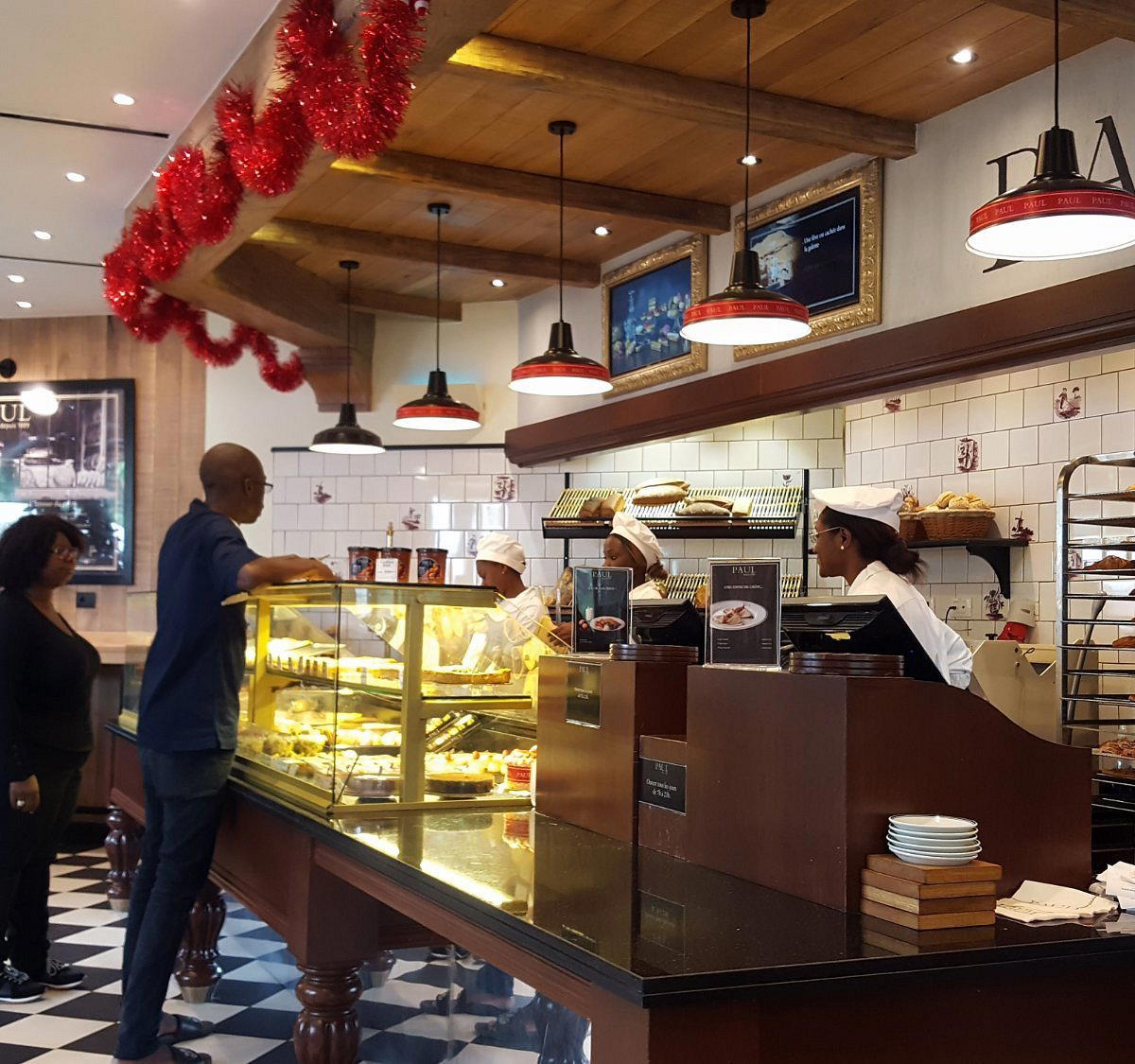
The comparison inside the city is narrow but useful. Olatano and Paul sit in the same local research path for travelers building a restaurant shortlist, while other Libreville dining rooms broaden the discovery trail around the capital. These names are not interchangeable; they show how thin, address-led, and reputation-led the city’s premium restaurant map can be when compared with capitals where every serious dining room publishes a full tasting format.
Where Amaya fits in Libreville's small premium circuit
For a traveler, the case for Amaya is less about chasing unsupported accolades and more about understanding a city where restaurant culture is tied to mobility, coastline, and business hospitality. Libreville’s dining rhythm is not built around long reservation windows or public critical consensus. It is built around places that can host a proper evening, work for visiting professionals, and feel connected to the city rather than detached from it.
That makes ingredient sourcing the useful lens. Restaurants in Gabon sit close to strong raw material, especially seafood and tropical produce, but proximity alone is not a guarantee of care. The better read is whether a kitchen’s choices feel grounded in the region: fish handled with restraint, starches treated as central rather than decorative, sauces that understand heat and acidity, and a menu that does not flatten Central African cooking into generic international hotel fare. Without named dishes published for Amaya, the editorial advice is to judge the meal by those signals at the table.
Libreville also rewards cross-category planning. A restaurant evening may connect naturally with hotel choice, bar choice, and daytime culture because the city’s premium options are spread across a relatively small visitor map. Pair restaurant research with our full Libreville hotels guide, then use our full Libreville bars guide for the later part of the night. For a broader city file, our full Libreville experiences guide and our full Libreville wineries guide help separate genuine travel structure from guesswork.
A practical read for travelers building a shortlist
Amaya is a sensible inclusion for diners who want a Libreville address with local relevance and coastal-capital context, especially when the aim is a composed meal rather than a quick stop. It is not the page to oversell with invented chef mythology or unsupported menu detail. Its value is clearer when placed beside the city’s other known restaurant names and read through what Libreville itself demands from a dining room: access, consistency, group suitability, and an ingredient logic that respects where the city sits.
Travelers comparing across EP Club city files will notice a contrast with more documented specialist formats elsewhere. In many larger or more heavily documented restaurant markets, category, menu, or format may be easier to parse before arrival, with public signals that make the decision feel simpler from a distance. Libreville asks for a different kind of reading: fewer public signals, more attention to place, and sharper judgment once the table is in front of you.
The verdict is measured but positive. Amaya is worth placing on a Libreville dining shortlist when the goal is to understand the capital’s Atlantic-side restaurant culture through sourcing, setting, and local dining behavior rather than through imported award vocabulary. In a city with limited formal restaurant documentation, that grounded read is more useful than inflated praise.
Frequently asked questions
Is Amaya a family-friendly restaurant?
As listed in Libreville, Amaya reads as a general dining address rather than a tightly defined specialist room. For mixed-age outings, treat it as one option to check against your group’s needs in the city.
What is the atmosphere like at Amaya?
The public profile is anchored by its Libreville address rather than by a named chef or detailed published format. That points to a practical city dining room in Gabon's capital, not a venue built around spectacle.
Where do I go for Amaya?
Libreville.
Can I walk in to Amaya?
Amaya is best approached with the same practical planning you would use for any Libreville dining address. Its city listing gives you a clear starting point if you are building a dining plan in the capital. Check the venue's official channels for the latest details.
What makes Amaya worth seeking out?
Amaya earns attention through location and context: it is a named dining address in Libreville, Gabon. For travelers mapping a city shortlist, that kind of fixed point matters more than hype.
At-a-Glance Comparison
Comparable venues by cuisine and price in the same metro.
Continue exploring
More in Libreville
Restaurants in Libreville
All restaurants in Libreville →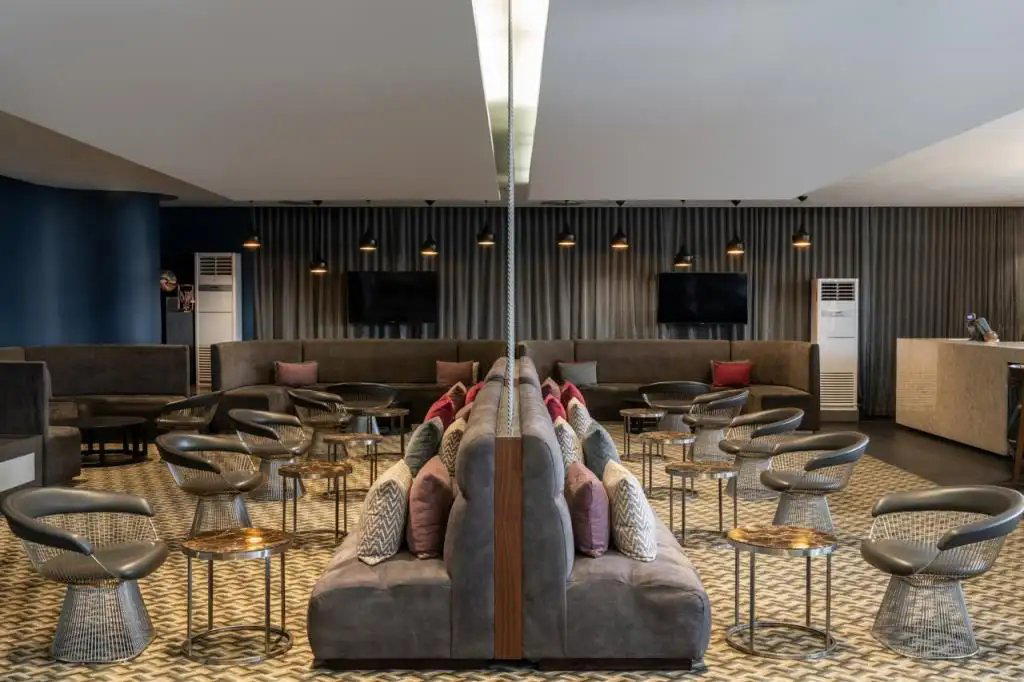
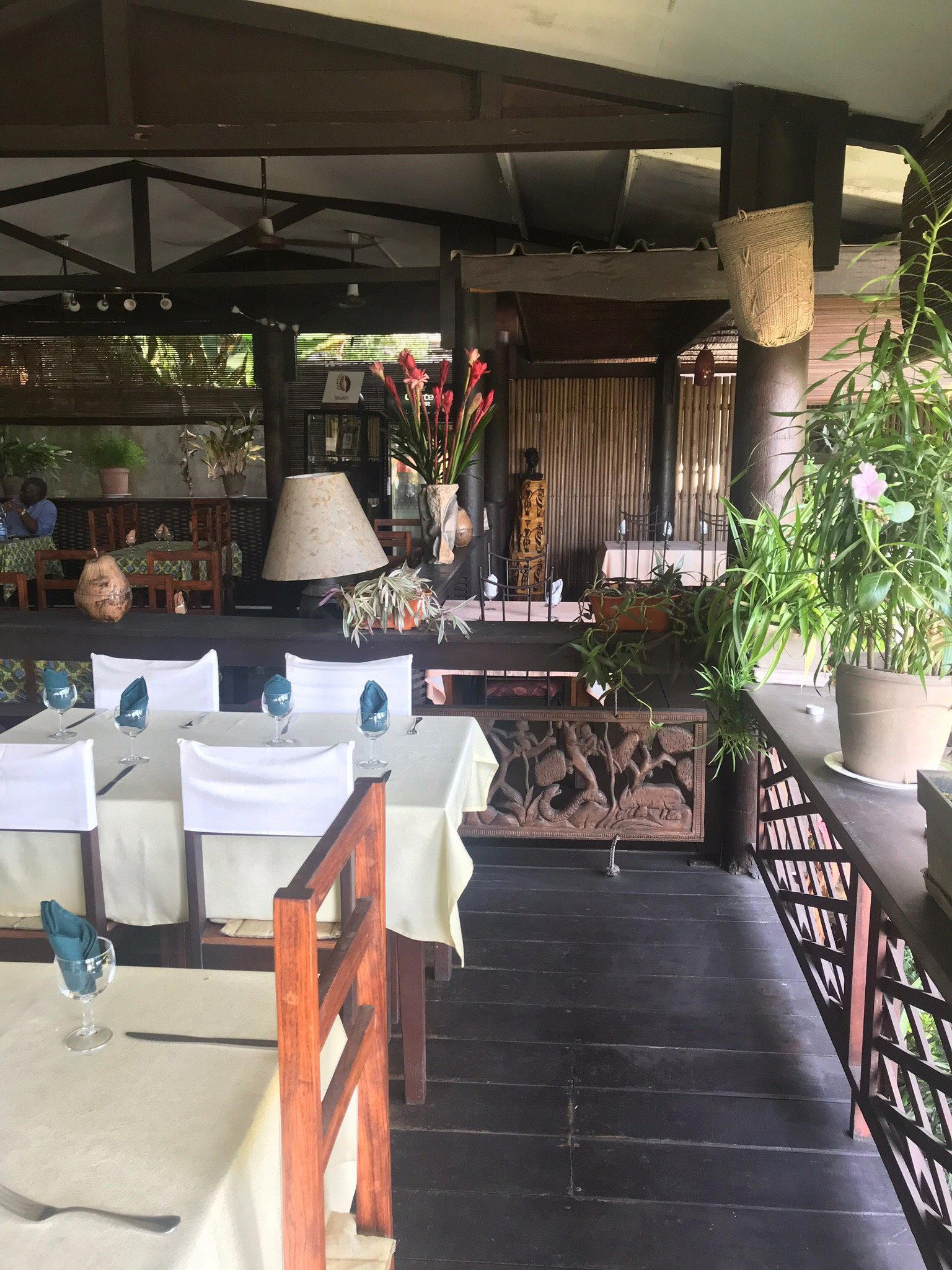
Bars in Libreville
All bars in Libreville →Hotels in Libreville
All hotels in Libreville →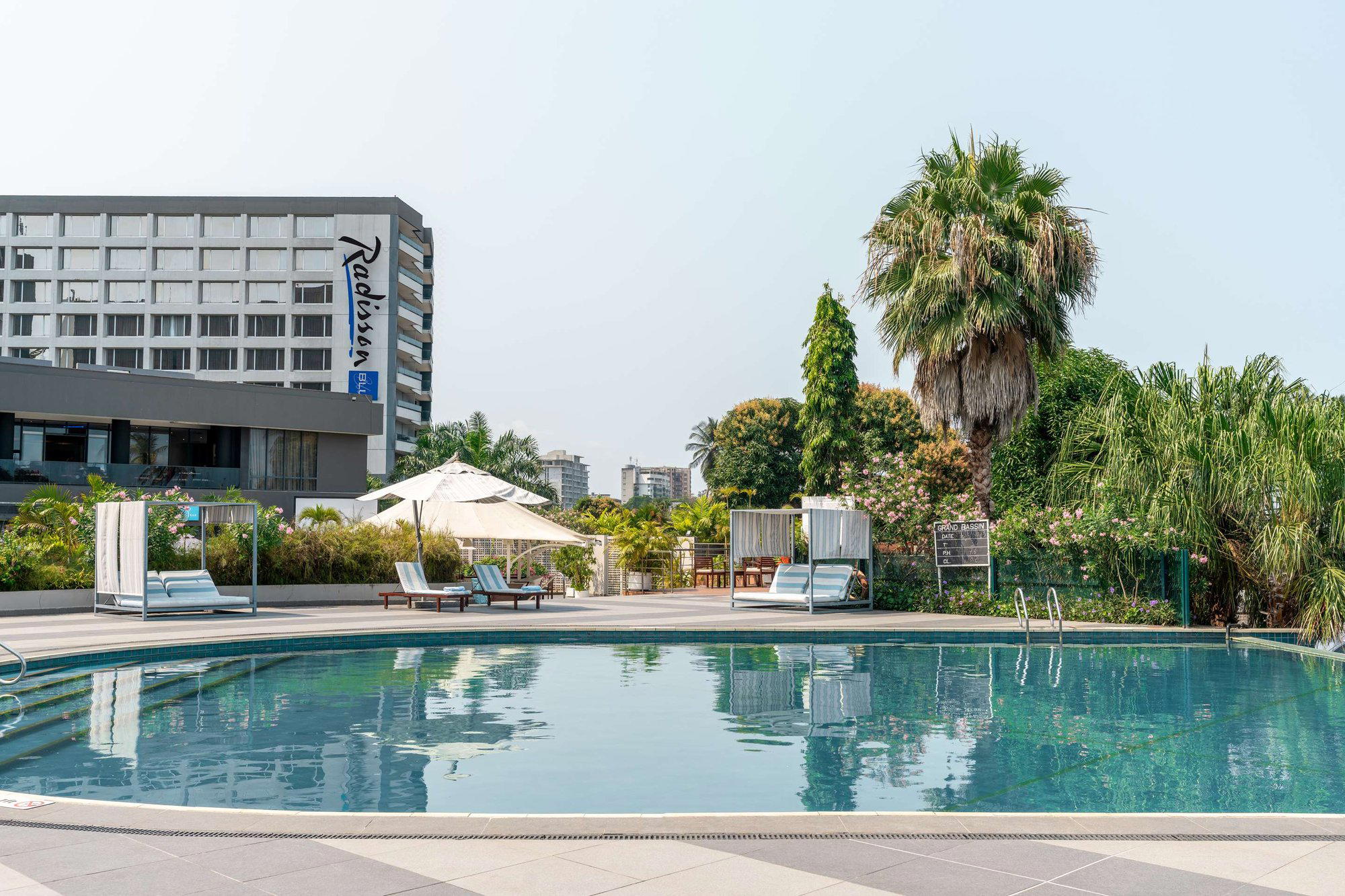
Details
- Elegant
- Sophisticated
- Modern
- Business Dinner
- Group Dining
- Celebration
- Special Occasion
- Hotel Restaurant
- Standalone
- Local Sourcing
- A La Carte
Current opening hours
- Monday
- 12:30–10:30 PM
- Tuesday
- 12:30–10:30 PM
- Wednesday
- 12:30–10:30 PM
- Thursday
- 12:30–10:30 PM
- Friday
- 12:30–10:30 PM
- Saturday
- 12:30–10:30 PM
- Sunday
- 12:30–10:30 PM
Hours can change for holidays and private events. Hours as of .
Chic, upscale hotel dining with a refined fusion concept; the press description emphasizes a polished setting rather than a casual neighborhood-restaurant feel.