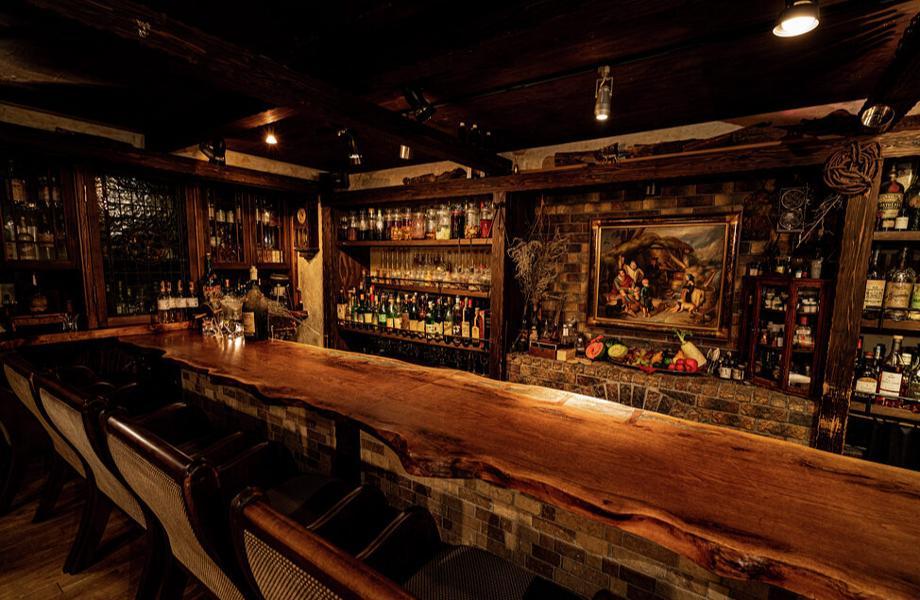
A third-floor bar in Shibuya's Kamiyamacho neighbourhood, Studio Mule occupies a low-profile address that sits comfortably within Tokyo's quieter, design-conscious drinking scene. The space draws a steady crowd of locals and informed visitors who treat it as a counterpoint to the louder cocktail theatre found elsewhere in the city. Booking ahead is advisable, particularly on weekends.

Pearl is the En Primeur Club membership app — saves, bookings, and concierge access live there. Same editors, same standards.

Kamiyamacho After Dark: The Third-Floor Logic
Tokyo's bar culture has long operated on verticality. The city's most considered drinking rooms tend to occupy upper floors of unremarkable buildings, reached by narrow staircases or slow lifts, discovered only by those who already know to look. Shibuya's Kamiyamacho neighbourhood follows this pattern with particular discipline. The streets around Kamiyamachō 16-4 run quieter than the broader Shibuya district suggests — a pocket of low-rise buildings, independent restaurants, and the kind of relaxed foot traffic that filters out the purely transient visitor. Studio Mule occupies the third floor of Villa Metropolis here, and the ascent to it is part of the logic: the effort of arriving calibrates the expectation before you've ordered anything.
This is a neighbourhood that has gradually accumulated a certain density of taste — record shops, small galleries, coffee roasters, without announcing itself loudly. Bars that open here tend to reflect that register. They are not auditioning for a mass audience. Studio Mule fits that character.
The Space as Signal
In Tokyo's bar taxonomy, the physical environment is never incidental. Lighting levels, the choice of music at a given volume, the distance between seats, the material of the bar surface: each decision communicates something about who the bar is for and what kind of evening it expects to host. Tokyo drinkers read these signals fluently, and bars design to them with corresponding precision.
The third-floor position at Studio Mule removes the street noise that defines ground-level Shibuya almost entirely. This is not a minor detail. Much of what passes for atmosphere in Tokyo bar design is simply the management of sound, what enters, what stays, what the room itself generates. An upper-floor room in Kamiyamacho in the early evening carries a specific quality of quiet that is increasingly difficult to find as Shibuya's hospitality offer expands and densifies. The city's bar scene has moved, in the past decade, toward a more transparent, technically explicit format, menus that announce provenance, bartenders who explain process, spaces that communicate their program rather than obscure it. Studio Mule's address and floor position place it adjacent to that sensibility without requiring it to perform its credentials loudly.
For comparison, Tokyo bars operating in the high-visibility Ginza corridor, including Bar Orchard Ginza and the more formally structured counters nearby, tend to carry the weight of neighbourhood prestige in their pricing and presentation. Kamiyamacho operates differently. The bars here earn their following through consistency and word-of-mouth rather than address cachet, which tends to produce a more reliable regulars-driven room.
Where Studio Mule Sits in the Tokyo Bar Circuit
Tokyo's serious bar culture concentrates in several distinct nodes. Ginza and Shimbashi carry the city's longest-running Western-style bar tradition, producing counters like Bar High Five, a room that has operated for decades at the intersection of technique and hospitality discipline. Shinjuku hosts a different current, including Bar Benfiddich, where the format is more eccentric and the botanical sourcing borders on obsessive. These are bars with documented reputations, international followings, and booking pressures that reflect their standing.
Shibuya's contribution to this circuit has historically been noisier and more youth-oriented, but Kamiyamacho has carved a quieter exception. The bars here tend toward a more measured pace, attracting drinkers who want a considered room rather than a scene. Bar Libre represents one version of that register within the broader Tokyo conversation. Studio Mule occupies a comparable position: a bar that functions as a destination for people who know the neighbourhood rather than a first-night-in-Tokyo stop.
This pattern extends beyond Tokyo. Japan's secondary and tertiary cities have developed their own versions of the intimate, design-conscious bar, Bar Nayuta in Osaka, Bee's Knees in Kyoto, Lamp Bar in Nara, and Yakoboku in Kumamoto each demonstrate how Japan's bar culture has distributed itself across the country without losing its commitment to a certain quality of attention. Studio Mule's Kamiyamacho address connects it to this broader national sensibility even while it operates within one of the world's densest urban bar ecosystems.
Timing and the Shape of an Evening Here
Kamiyamacho's bar rhythm differs from Ginza's. The neighbourhood doesn't carry the same post-work salaryman traffic that fills Ginza counters between six and eight in the evening. The crowd that finds its way to Studio Mule tends to arrive with intent rather than convenience, people who have made the walk from Shibuya station (approximately ten minutes on foot through a route that transitions quickly from the station's commercial intensity into quieter residential streets), or who live or work nearby and have developed the habit of returning.
Weekend evenings attract a more mixed group than weekday sessions. Arriving earlier in an evening, before the neighbourhood's pace picks up, tends to produce a quieter, more conversational experience. This is a useful pattern across Tokyo's upper-floor bar rooms generally: the physical separation from street level means the room fills from within rather than spilling in from outside, so the atmosphere builds more gradually and holds more steadily once established.
For those building a broader Tokyo bar itinerary, Studio Mule pairs logically with neighbourhood stops rather than cross-city movements. The Kamiyamacho and Daikanyama corridor offers enough density of considered bars, restaurants, and coffee to fill an evening without needing to reorient toward Ginza or Shinjuku. See our full Tokyo restaurants and bars guide for neighbourhood-by-neighbourhood breakdowns.
Internationally, bars operating at this kind of local-specialist register, low-profile address, upper-floor room, regulars-driven atmosphere, have parallels beyond Japan. Bar Leather Apron in Honolulu operates on comparable principles across a very different city context, as do quieter specialist rooms in Osaka's side streets, including anchovy butter in Osaka Shi and the more curated offer at Kyoto Tower Sando. The format travels because it answers a consistent demand: a room that rewards the effort of finding it.
Know Before You Go
- Address: Villa Metropolis 3F, Kamiyamachō 16-4, Shibuya, Tokyo 150-0047
- Floor: Third floor, allow time for the ascent
- Getting there: Approximately 10 minutes on foot from Shibuya Station; Yoyogi-koen Station (Chiyoda Line) is also within walking range
- Booking: Contact details not publicly listed at time of writing, approach via the venue directly or through a hotel concierge in Shibuya
- Leading timing: Early evening for a quieter, more conversational room; weekday visits tend to be less pressured than weekends
- Price range: Not confirmed, budget for mid-range Tokyo bar pricing as a baseline and adjust on arrival
- Dress code: Not stated; the neighbourhood's relaxed but considered character suggests smart-casual is appropriate
A compact comparison to help you place this venue among nearby peers.
| Venue | Cuisine | Price | Awards |
|---|---|---|---|
| Studio MuleThis venue — the venue you are viewing | This venue | $50–100 | Not listed |
| Bar Benfiddich | Not listed | $20–30 | World's 50 Best #62 · Tatler Listed in Best Bars Asia-Pacific |
| Bulgari Ginza Bar | Not listed | $50–100 | World's 50 Best #86 · Forbes Travel Guide Hotel Star Bar |
| The Bellwood | Sushi | $50–100 | World's 50 Best #79 · Tatler Listed in Best Bars Asia-Pacific |
| Tender Bar | Not listed | $50–100 | Not listed |
Continue exploring
More in Tokyo
Bars in Tokyo
All bars in Tokyo →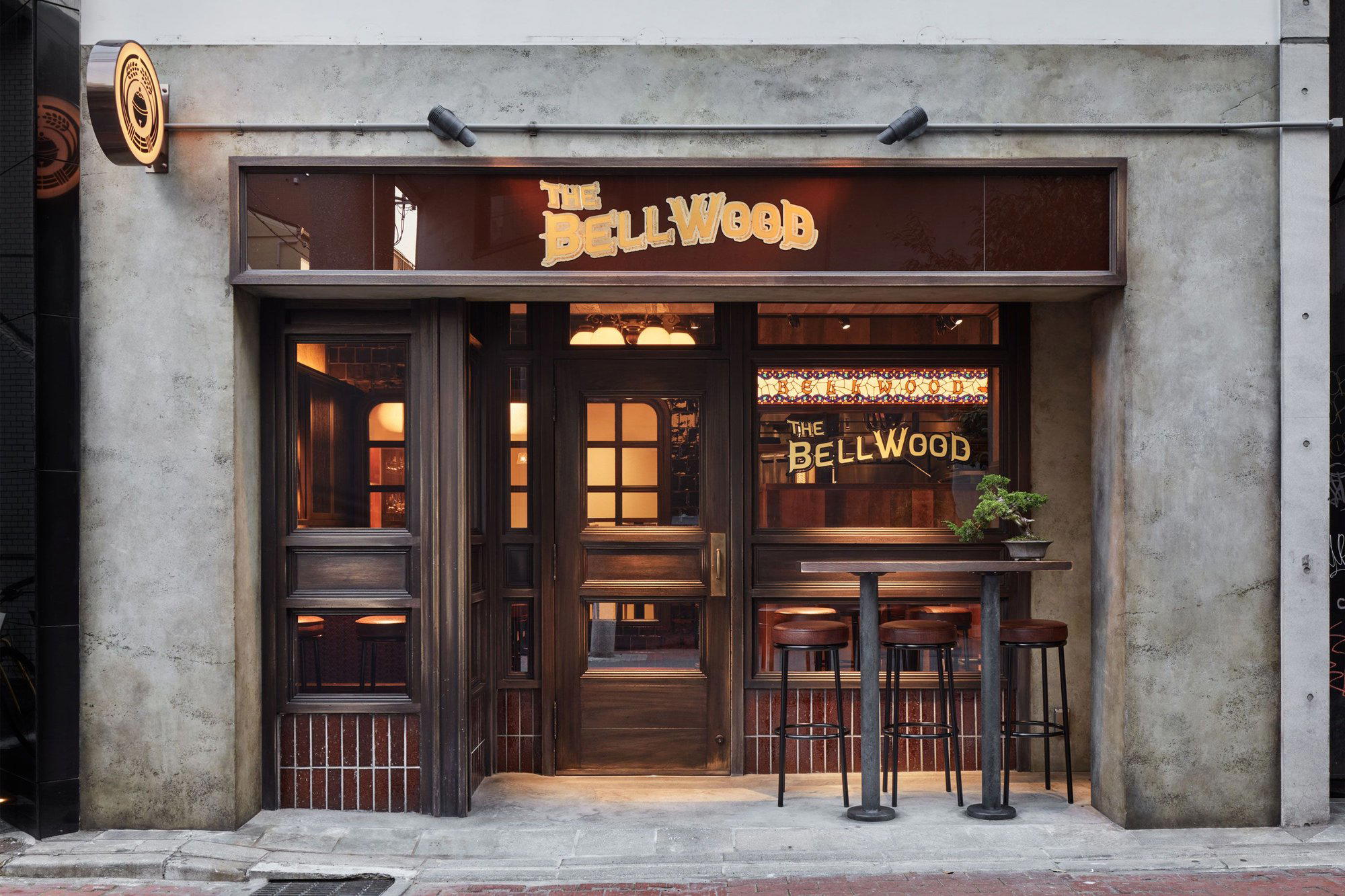

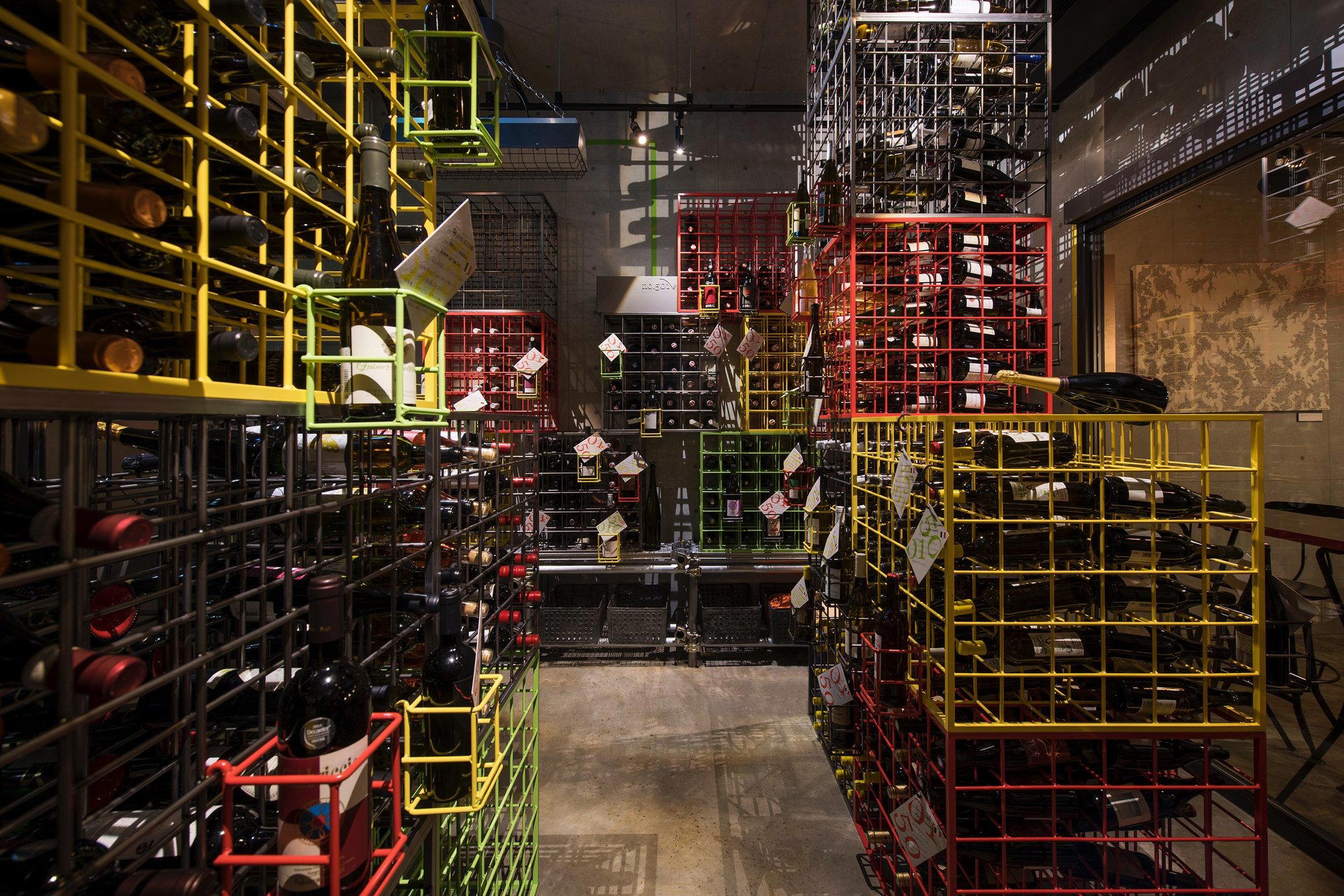

Restaurants in Tokyo
All restaurants in Tokyo →

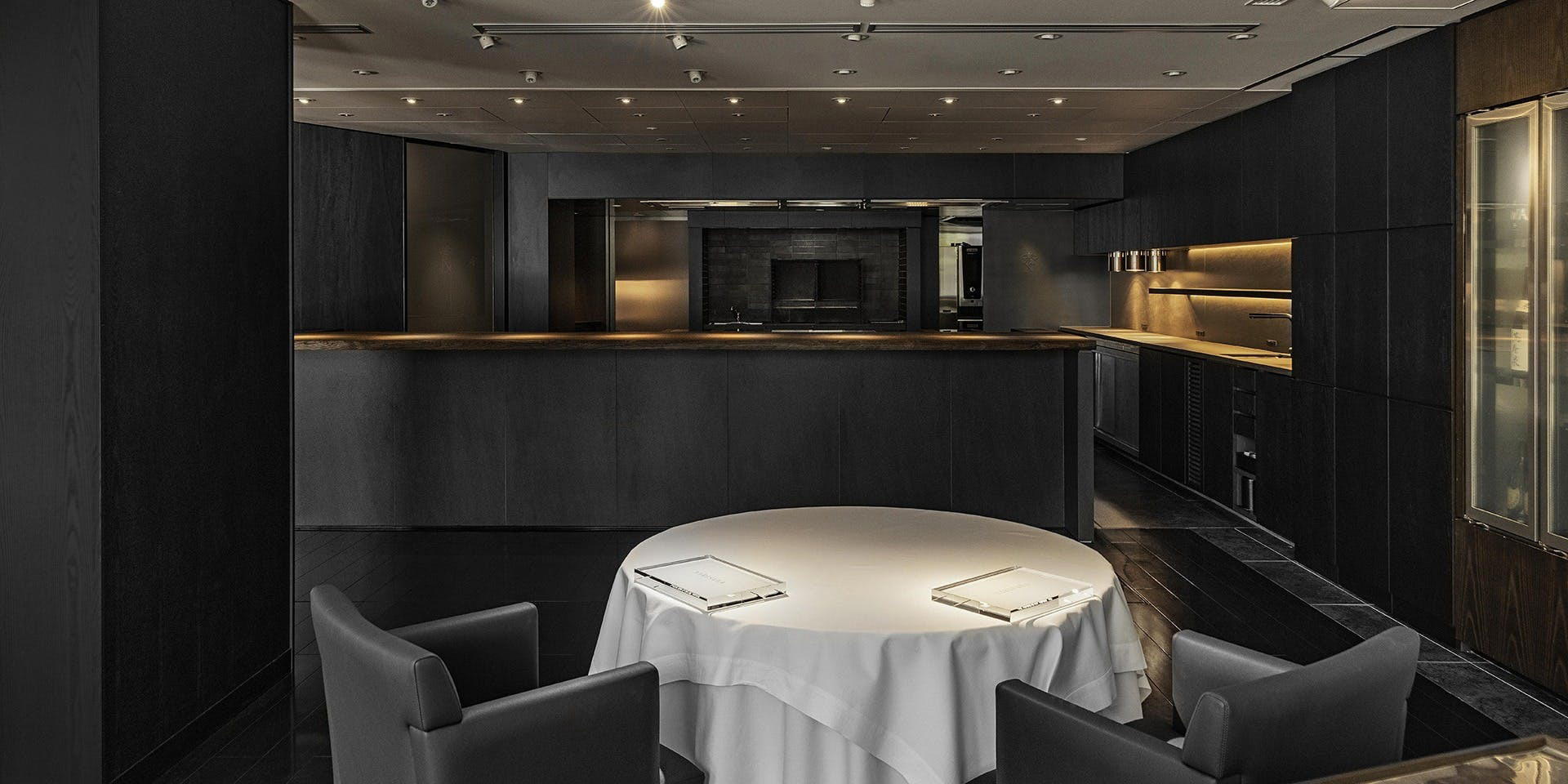



Studio Mule
The wine
- Wine program
- Curated wine list
- Natural wine
- Zero-proof drinks
- Craft beer
Details
- Intimate
- Cozy
- Minimalist
- Trendy
- Solo
- Date Night
- After Work
- Casual Hangout
- Standalone
- Design Destination
- Counter Only
- Natural Wine
- Craft Beer
- Zero Proof
Intimate, design-conscious listening-bar atmosphere with a calm, cozy feel, centered on high-fidelity records and natural wine.